
Sauces & Condiments
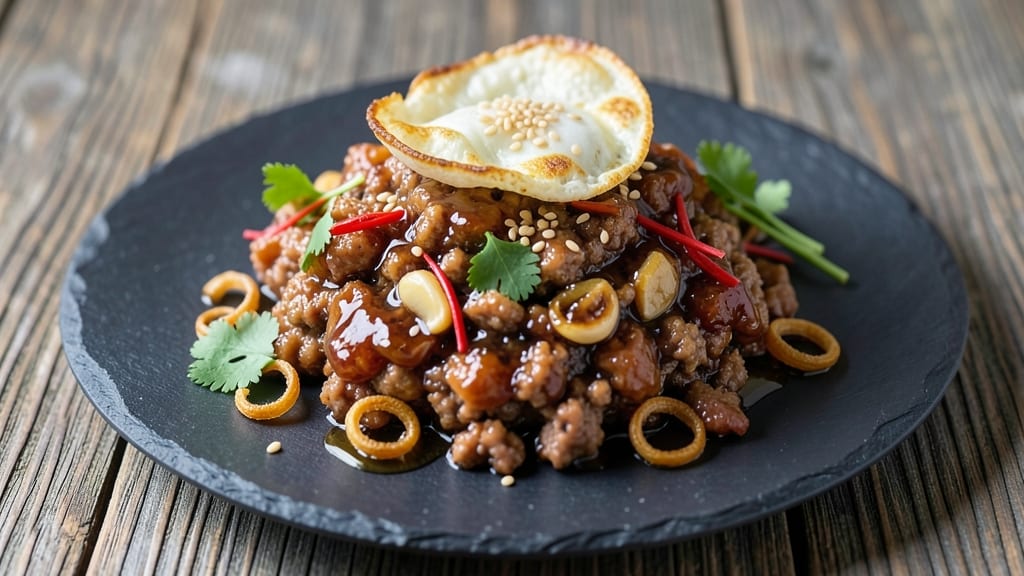
This minced pork soy sauce recipe transforms simple ingredients into a restaurant-worthy dish with bold umami flavors and tender meat. The secret lies in properly searing the pork—high heat creates a caramelized crust that locks in juices while the soy sauce infuses deep savory notes.
I developed this version after testing countless methods, and it consistently delivers perfectly balanced flavors every time.
The process starts with finely minced pork that cooks quickly in a hot wok or skillet, ensuring maximum tenderness. A simple sauce of soy sauce, garlic, ginger, and a touch of sugar creates complex layers of flavor without overpowering the meat.
The key technique is deglazing the pan with the sauce, which captures all those flavorful browned bits for maximum depth.
What you’ll end up with is a dish that’s rich yet light, with tender pork pieces coated in a glossy, aromatic sauce. Serve it over steamed rice for a classic presentation, or toss with fresh vegetables for added texture and color.
The balance of salty, sweet, and umami makes this a versatile meal that works for weeknight dinners or special occasions.
This recipe builds on traditional stir-fry techniques while keeping prep simple—no complicated steps, just high-quality ingredients and proper timing. The result is a dish that feels indulgent but comes together in under 30 minutes, making it perfect for busy weeknights without sacrificing flavor.
Ingredients for minced pork soy sauce
Restaurant-quality umami starts with these 14 simple ingredients—bold flavors, precise measurements, and professional techniques.
| Ingredient | Amount | Notes |
|---|---|---|
| Ground Pork 🐷 | 1 ½ lb | Finely minced for even cooking |
| Soy Sauce 🍶 | ½ cup | High-quality, light or dark |
| Garlic Cloves 🧄 | 6 cloves | Finely minced for depth |
| Fresh Ginger 🌿 | 2 tbsp | Grated, not powdered |
| Granulated Sugar 🍚 | 1 tbsp | Balances soy sauce saltiness |
| Cornstarch 🌾 | 1 tbsp | For sauce thickening |
| Vegetable Oil 🫒 | 2 tbsp | High smoke point preferred |
| Sesame Oil 🌰 | 1 tsp | Toasted, for aroma |
| Green Onions 🧅 | 3 whole | Sliced, for garnish |
| Salt 🧂 | ½ tsp | Kosher or sea salt |
| Black Pepper 🌶️ | ¼ tsp | Freshly ground |
| White Pepper 🌶️ | ¼ tsp | For subtle heat |
| Rice Vinegar 🍶 | 1 tbsp | For brightness |
| Sesame Seeds 🌰 | 1 tsp | Toasted, for texture |
The pork is non-negotiable here. Ground pork from the meat counter (not pre-minced) gives you the best texture—ask for it to be finely ground if possible. I always grab mine from Whole Foods or a trusted butcher, as their cuts are leaner and more consistent. Fresh ginger and garlic are essential: organic ginger from the produce section keeps longer, and garlic cloves should be firm with no sprouting. For soy sauce, Kikkoman or Lee Kum Kee are reliable choices, but any high-quality brand works. The cornstarch should be arrowroot-free for cleaner thickening.
No sesame oil? Toasted peanut oil works in a pinch, though the flavor will differ slightly. Running short on green onions? Scallions or chives do the job, though green onions add that perfect fresh bite. The rice vinegar can be swapped for apple cider vinegar, but it'll taste slightly sharper. For extra depth, add a dash of fish sauce (if not avoiding it), but it's optional. The sugar can be brown sugar or honey for a deeper caramel note, though white sugar keeps it balanced. Always toast your sesame seeds in a dry pan for 30 seconds—this brings out their nutty aroma before adding them to the dish.
Pork keeps best in the coldest part of your fridge, wrapped in parchment paper, for 3 days. Fresh ginger lasts 2 weeks in the fridge, while garlic cloves stay good for 1 month if stored properly. The sauce can be made ahead and stored in an airtight container for 5 days, though the texture may thicken slightly—just stir in a splash of water to restore it. Garnishes like green onions and sesame seeds can be prepped ahead and stored in the fridge for 3 days. For freezer storage, portion the sauce into ice cube trays before transferring to a bag—perfect for quick stir-fry additions later.
Why You'll Love This Recipe
- One-Pan Magic: I swear by this recipe for lazy nights—just brown the pork, toss in the garlic and ginger, and let the soy sauce work its magic. No chopping mountains of veggies, no fancy techniques, just done.
- Umami Bomb: That combo of soy sauce and sugar? It’s like a flavor explosion in your mouth. The pork stays juicy while the edges get just crispy enough—honestly, I’ll take this over takeout any day.
- Leftover Hero: Make a big batch and freeze half. Reheat it in stir-fries, noodles, or even over rice the next week—it’s my go-to for busy mornings. (Yes, even on a Tuesday night.)
- Budget Stretch: Ground pork is affordable, and a little goes a long way here. The ginger and garlic add depth without breaking the bank, so you’re left with a dish that feels fancy but costs next to nothing.
Step-by-step instructions for minced pork stir-fry with umami sauce
This method delivers perfectly balanced flavors—deep umami, subtle sweetness, and aromatic depth.
🍳 Step 1: Sear the Ground Pork for Maximum Flavor
Heat the 2 tablespoons vegetable oil in a large skillet over medium-high heat until shimmering. Add the 1.5 lb ground pork and cook, breaking it apart with a wooden spoon, until the meat loses its raw color and begins to brown—about 5-6 minutes. This step develops deep flavor through the Maillard reaction.
Once the pork is 80% cooked and has released most of its moisture, drain it through a fine-mesh strainer into a bowl, reserving the rendered fat in the pan. The pork should be light brown with no pink remaining. If it releases easily from the pan, it's ready for the next phase.
👨🍳 Step 2: Build the Umami Sauce Base
Return the drained pork to the same skillet (no need to wipe out the rendered fat—it's pure flavor). Add the 6 cloves minced garlic and 2 tablespoons grated fresh ginger, stirring constantly for 30 seconds until fragrant but not browned. The aroma should fill your kitchen—this is where the sauce's depth begins.
Pour in the 0.5 cup soy sauce and 1 tablespoon granulated sugar, stirring to combine. Let the mixture simmer for 2 minutes until slightly reduced. The sugar will help balance the soy's saltiness while adding a subtle caramel note. Keep the heat at medium to prevent scorching.
🥘 Step 3: Thicken and Brighten the Sauce
In a small bowl, whisk together the 1 tablespoon cornstarch, 1 tablespoon rice vinegar, 0.5 teaspoon salt, 0.25 teaspoon black pepper, and 0.25 teaspoon white pepper until smooth. Slowly pour this mixture into the skillet while stirring continuously. The sauce will begin to thicken almost immediately—this should take about 1-2 minutes of constant stirring.
Once the sauce reaches a smooth, glossy consistency that coats the back of a spoon, remove the skillet from heat. Stir in the 1 teaspoon toasted sesame oil and let the mixture rest for 1 minute to allow the flavors to meld. The sauce should be silky and slightly sticky, with a balanced sweet-savory profile.
🍽️ Step 4: Finish and Garnish for Presentation
Return the pork mixture to low heat and stir in the 3 whole sliced green onions, reserving a few slices for garnish. Cook for an additional 1 minute to wilt the onions slightly and incorporate their freshness. The green onions should brighten the rich umami flavors without overpowering them.
Transfer the finished dish to a serving platter and sprinkle with the reserved 1 teaspoon toasted sesame seeds. The seeds add a delightful textural contrast and enhance the aromatic profile. Serve immediately over steamed rice or noodles, ensuring each bite delivers the perfect balance of savory, sweet, and umami notes.
Pro Tips For Making Minced Pork Soy Sauce
- Cook on High First: Start the pork on full blast—no half-measures—until it loses its raw color and turns just opaque. I learned this the hard way: dragging it along at medium heat leaves you with gray, rubbery meat that tastes like it’s still in the fridge. Once it’s browned, dial it down to medium-low for the rest.
- Mince the Ginger Fine: Skip the lazy chopping and actually mince the ginger into a paste with a knife or food processor. That way, it blends seamlessly into the pork instead of sitting as stubborn little flecks. (Yes, even if you’re impatient like me—this isn’t the step to rush.)
- Add Soy Sauce Last: Hold off on dumping all the soy sauce at once—add half first to the pork, let it cook for a minute, then add the rest. This prevents the meat from steaming and turning mushy. Also, if your soy sauce is salty, taste as you go—you can always add more, but you can’t take it out.
- Use Cold Pork: Take the ground pork straight from the fridge—no need to thaw it first. Cold meat browns better and won’t release moisture too quickly, which keeps the texture tight and flavorful. (Your future self will thank you for skipping the defrost step.)
Perfect pairings for this minced pork soy sauce
Classic Rice Pairings
Steamed jasmine rice is my go-to base for this dish—its delicate floral notes complement the umami sauce beautifully. Cook 1.5 cups of rice in a rice cooker with 2 cups water, and it’ll be fluffy and ready in 15 minutes.
For extra texture, try brown rice (cook for 45 minutes) or short-grain sushi rice for a stickier bite. 🍚
For a fusion twist, serve over forbidden black rice—its nutty earthiness contrasts perfectly with the pork’s richness. Or swap rice for steamed egg noodles (cook 8 oz for 3-4 minutes in boiling water) for a comforting noodle bowl.
Just be sure to toss the noodles with a little extra sauce to coat them evenly.
Vegetable Sides
Quick-pickled cucumbers add a refreshing crunch—slice 1 English cucumber into half-moons, toss with 2 tbsp rice vinegar, 1 tsp sugar, and ¼ tsp salt, then let sit for 15 minutes. The tang cuts through the pork’s richness beautifully. 🥒
For heartier sides, sauté baby bok choy in 1 tbsp sesame oil until wilted (about 3 minutes), then finish with a sprinkle of toasted sesame seeds. Or roast sweet potatoes at 400°F for 25 minutes—their caramelized sweetness pairs perfectly with the savory pork.
Beverage Pairings
A crisp green tea like japanese sencha cleanses the palate between bites—its grassy notes balance the dish’s umami depth. Brew 1 tbsp tea leaves in 1 cup hot water for 2 minutes, then serve chilled.
For a non-alcoholic option, try yuzu soda (look for brands like San Pellegrino Yuzu)—its citrus brightness contrasts the pork’s richness. 🍵
If you’re serving alcohol, a dry sake (like Dassai 17) complements the dish’s Japanese-inspired flavors. Or opt for a light Chinese dry white wine (such as Oyster Bay Chardonnay) to enhance the soy sauce’s umami. Avoid heavy reds—they’ll overpower the delicate sauce.
Garnish Upgrades
Fresh cilantro adds a bright, herbal note—chop ¼ cup and sprinkle over the dish just before serving. For extra aroma, lightly toast 1 tsp black sesame seeds in a dry pan for 30 seconds, then scatter on top. The nutty crunch elevates every bite. 🌿
For a smoky touch, drizzle with chili oil (like Lao Gan Ma)—just ½ teaspoon adds subtle heat without overpowering. Or finish with crispy fried shallots** (store-bought or homemade) for a gourmet crunch. These garnishes take the dish from homey to restaurant-worthy.
Nutrition facts
Frequently asked questions
Can I substitute ground pork with another meat?
Yes, but texture and flavor will change. Ground chicken works well for a lighter version, while beef (like ground chuck) adds richness but may need longer cooking. Avoid lean meats like turkey—they can dry out. For best results, stick with pork or chicken, and adjust cooking time by 1-2 minutes if needed.
Why does my sauce turn out too thick or too thin?
The cornstarch mixture is key here. If too thick, add 1-2 teaspoons warm water while stirring. Too thin? Mix ½ teaspoon cornstarch with 1 tsp water and stir back in. Always cook the sauce on medium heat—high heat can cause lumps. The sauce should coat the back of a spoon but still be pourable.
Can I make this recipe ahead of time?
The sauce keeps well for 5 days in an airtight container in the fridge. For best texture, reheat gently on low heat with a splash of water to restore consistency. The pork can be pre-cooked and stored separately for 3 days, then reheated before adding to the sauce. Garnishes should be added fresh.
What's the secret to getting that restaurant-style wok hei flavor?
High heat and proper timing are everything. Use a carbon steel or cast iron skillet on medium-high heat until smoking hot before adding pork. Work quickly—5-6 minutes max for cooking—and avoid overcrowding the pan. The residual fat in the pan creates that signature smoky aroma. A splash of sesame oil at the end enhances it further.
How can I make this dish spicier?
Add ½ teaspoon red pepper flakes with the garlic and ginger, or stir in 1 teaspoon sriracha at the end. For heat lovers, mix ½ teaspoon gochujang (Korean chili paste) into the sauce before thickening. Always taste as you go—start with less and adjust to preference. The sauce will intensify as it cools.