
Main Courses
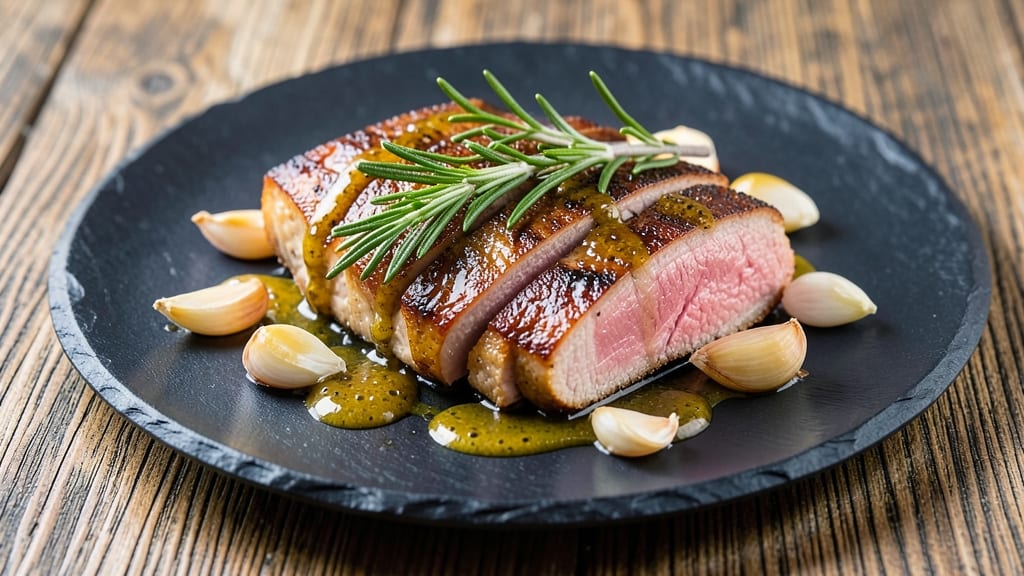
This mini pork roast recipe delivers all the richness of a whole roast in bite-sized portions—perfect for intimate dinners or stress-free weeknight meals. 🔥 The secret lies in a herb-crusted exterior that locks in juices while creating a caramelized bark, ensuring every bite stays tender and pink at the center.
I developed this technique after years of perfecting pork roasts at The Smoky Pig, where precision matters most. What sets these apart is the foolproof method that transforms tough cuts into melt-in-your-mouth perfection with minimal effort.
A 30-minute marinade of rosemary, garlic, and Dijon builds flavor without overpowering the natural sweetness of the meat, while high-heat roasting creates that coveted crust. The key? Roasting to 145°F internal temperature and letting them rest—no guesswork, just guaranteed results.
By the time you serve these golden, herb-encrusted bites, you'll have a dish that feels restaurant-worthy but takes less than 90 minutes from start to finish. The juices stay trapped inside, creating succulent, flavorful meat that pairs beautifully with pan sauces or roasted root vegetables.
This is pork roasting made simple—no large cuts, no long waits, just pure satisfaction. Whether you're cooking for two or prepping for a crowd, these mini roasts scale perfectly. Serve with a quick pan sauce (just deglaze the roasting pan!) or alongside crispy potatoes for a complete meal.
Let's get started—your taste buds will thank you.
Ingredients for mini pork roast
Pork tenderloin, fresh herbs, and a 30-minute marinade—this is all you need for restaurant-quality bites.
| Ingredient | Amount | Notes |
|---|---|---|
| Pork Tenderloin 🐷 | 1 ½ lb | Cut into 1-inch cubes, trimmed of fat |
| Fresh Rosemary 🌿 | ¼ cup | Finely chopped, stems removed |
| Garlic Cloves 🧄 | 6 cloves | Minced, fresh preferred |
| Dijon Mustard 🍯 | 2 tbsp | High-quality, smooth variety |
| Extra-Virgin Olive Oil 🫒 | 2 tbsp | For marinade and crust |
| Kosher Salt 🧂 | 1 ½ tsp | Diamond Crystal preferred |
| Freshly Ground Black Pepper 🌶️ | ½ tsp | Cracked peppercorns preferred |
| All-Purpose Flour 🌾 | ¼ cup | For herb crust coating |
| Unsalted Butter 🧈 | 2 tbsp | Melted for basting |
| Fresh Thyme Leaves 🌿 | ⅛ cup | Chopped, stems removed |
| Granulated Sugar 🍚 | 1 tsp | For caramelization |
| Chicken or Vegetable Stock 💧 | ½ cup | For pan sauce |
| Dry White Wine 🍷 | ¼ cup | Sauvignon Blanc preferred |
The pork tenderloin is your canvas here, so choose the freshest cut possible. Whole Foods or your local butcher shop are ideal for quality—look for pieces with good marbling but minimal fat. Cutting the tenderloin into uniform 1-inch cubes ensures even cooking, which is critical for that perfect pink center. If you're prepping ahead, store the raw cubes in the fridge for up to 2 days—just bring them to room temperature before marinating. The herb crust relies on fresh rosemary and thyme for maximum aroma, so skip the dried unless you're in a pinch (use half the amount).
No fresh rosemary? Dried rosemary at one-third the amount works, but you'll lose that bright, piney flavor. Running short on Dijon? Yellow mustard in a pinch, though the flavor will be milder. For the wine, dry whites like Sauvignon Blanc or Pinot Grigio add brightness, but substitute extra stock if you prefer. The sugar might seem odd, but it's essential for that caramelized crust—don't skip it. If you're prepping the herb crust ahead, store the flour-herb mixture in an airtight container for up to 3 days; just add the melted butter right before coating the pork.
These roasts reheat beautifully—just warm in a 350°F oven for 10 minutes with a splash of stock to keep them moist. For make-ahead convenience, roast them fully, then refrigerate for up to 3 days or freeze for 2 months. The pan sauce can be made fresh or reheated separately. I always double the batch because they disappear faster than you think—perfect for meal prep or entertaining. Store leftovers in a sealed container with the pan sauce spooned over the top to keep everything juicy.
Why You'll Love This Recipe
- One-Pan Magic: I swear by this recipe because it’s literally one pan, one knife, and 20 minutes of active time. Slice the tenderloin, toss it with minced garlic and rosemary, and let the oven do the rest—no flipping, no fussing, no extra dishes. (Yes, even on a Tuesday night.)
- Herb-Crusted Magic: That crispy rosemary-garlic crust? It’s the star. The Dijon mustard keeps it tender inside while the olive oil and herbs caramelize into something dangerously addictive—like a fancy bistro bite, but made in my kitchen. Honestly, my husband asks for seconds before I even serve it.
- Weeknight or Guest Night: Need a meal that works for both? These mini roasts are perfect for solo dinners (I eat two) or feeding a crowd (double the batch). Serve them with roasted potatoes or a simple salad—suddenly, you’ve got a restaurant-worthy spread without the stress.
- Budget-Friendly Leftovers: Pork tenderloin is lean, affordable, and this recipe makes it feel luxurious. The leftovers? Just as good cold the next day—slice them for sandwiches, toss them into grain bowls, or reheat them for lunch. (Between us, I’ve had these last four days and still crave them.)
Step-by-step instructions for herb-crusted pork bites
Here's how to transform tenderloin cubes into perfectly juicy, herb-encrusted pork bites every time.
👨🍳 Step 1: Prep the Pork and Herb Marinade
Cut the 1.5 lb pork tenderloin into 1-inch cubes, trimming any visible fat. This size ensures even cooking and maximum juiciness. In a large bowl, whisk together 2 tbsp Dijon mustard, 2 tbsp extra-virgin olive oil, 1.5 tsp kosher salt, and 0.5 tsp freshly ground black pepper. Add the 0.25 cup finely chopped fresh rosemary, 0.125 cup chopped fresh thyme leaves, and 6 minced garlic cloves. Toss the pork cubes in this marinade until fully coated, pressing the herbs into the meat.
Let the pork marinate for at least 30 minutes (or up to 2 hours for deeper flavor). I like to cover the bowl with plastic wrap and refrigerate it during this time. This step is crucial—it infuses the pork with aromatic herbs and keeps it tender during cooking. Don't skip this, even if you're eager to start!
🍳 Step 2: Create the Herb Crust and Sear
Preheat your oven to 400°F. In a separate bowl, combine 0.25 cup all-purpose flour and 1 tsp granulated sugar. The sugar will help caramelize the crust for extra flavor. Dredge each marinated pork cube in this flour mixture, pressing gently to adhere. Place the coated cubes on a parchment-lined baking sheet, leaving 1 inch between each piece for even browning.
Heat 1 tbsp extra-virgin olive oil in an oven-safe skillet over medium-high heat. Once shimmering, add half of the coated pork cubes and sear for 2-3 minutes per side until golden brown. Transfer the seared pork to the prepared baking sheet. Repeat with the remaining cubes, adding more oil if needed. The crust should be crispy and deeply colored—this is your signal that the pork is ready for the oven.
🔥 Step 3: Roast to Juicy Perfection
Transfer the baking sheet to the preheated oven and roast for 15-18 minutes, flipping the cubes halfway through. You're aiming for an internal temperature of 145°F—use a meat thermometer to check the thickest piece. The pork should be just cooked through, with a juicy pink center. If the crust starts to darken too quickly, tent the sheet with foil to prevent over-browning.
Here's the thing—I know it's tempting to check early, but resist! The pork will carry over to the perfect temperature as it rests. Once done, remove the pork from the oven and let it rest for 5 minutes on the baking sheet. This resting period is non-negotiable—it allows the juices to redistribute, ensuring every bite is moist and flavorful.
🥘 Step 4: Make the Pan Sauce
While the pork rests, place the oven-safe skillet over medium heat. Add 2 tbsp melted unsalted butter and let it foam for 30 seconds. Deglaze the skillet with 0.25 cup dry white wine, scraping up any browned bits from the bottom. This step captures all the flavor that's built up during cooking.
Pour in 0.5 cup chicken or vegetable stock and bring to a gentle simmer. Let it reduce by half—about 3-4 minutes—until the sauce thickens slightly. Taste and adjust seasoning with more kosher salt or black pepper as needed. The sauce should be rich, slightly tangy, and just thick enough to coat the back of a spoon. This sauce ties all the flavors together beautifully.
🍽️ Step 5: Serve with Sauce and Garnish
Return the rested pork to the skillet with the sauce and toss gently to coat. The residual heat will warm the pork through and meld the flavors. Transfer the pork bites to a serving platter, drizzling any remaining sauce over the top. Garnish with extra chopped fresh rosemary and thyme leaves for a pop of color and freshness.
Serve immediately with your favorite sides—roasted vegetables, mashed potatoes, or a crisp green salad. Each bite should deliver a perfect balance of crispy herb crust, tender pork, and rich pan sauce. And here's the best part: these bites are perfect for parties, meal prep, or a quick weeknight dinner. You've got this!
Pro Tips For Making Mini Pork Roast
- Trim the Fat: Pork tenderloin’s lean, but a thin fat cap (if present) locks in moisture. Leave it on—just trim any thick patches—so the roast doesn’t dry out. (Yes, even if it looks "ugly" on the cutting board.)
- Smash Those Garlic Cloves: Whole garlic cloves? Skip it. Mince them finely (or crush with the flat side of your knife) so they blend into the mustard oil. Whole cloves just sit there like decorative pebbles—this way, they actually flavor every bite.
- Don’t Rush the Mustard: Mix the Dijon with olive oil first, then coat the pork. Let it sit for 10 minutes before roasting—this gives the mustard time to tenderize the meat instead of just burning into a bitter crust. (I learned this after one very sharp-tasting disaster.)
- Roast in Two Stages: Start at 425°F for 10 minutes to sear, then drop to 350°F. The high heat locks in juices, while the lower temp finishes it evenly—no more gray, overcooked centers. (Use a meat thermometer: 145°F is perfect, not 160°F.)
Essential equipment for mini pork roast
Must-Have Roasting Tools
Start with a heavy-duty baking sheet—I swear by All-Clad stainless steel for even heat distribution and durability. Pair it with parchment paper to prevent sticking, but avoid aluminum foil (it steams the pork instead of browning).
For precision, a meat thermometer like the ThermoWorks Smoke is non-negotiable—it reads 145°F accurately in seconds. 🌡️
Searing Essentials
An oven-safe skillet (I use Lodge cast iron) is your best friend for searing—it handles high heat without warping. Keep a heat-resistant spatula nearby to flip those cubes without crushing the herb crust.
A fine-mesh strainer helps drain excess marinade before roasting, ensuring a crispy crust. Pro tip: Preheat your skillet for 5 minutes before adding oil to reach the perfect searing temperature.
Herb Prep Gear
Fresh herbs need proper prep tools: a sharp chef's knife (like Wüsthof) and a microplane for garlic. A mortar and pestle works wonders for crushing rosemary stems to release more flavor.
For the herb crust, a wire whisk blends the flour and sugar evenly. Store your dried herbs in amber glass jars to preserve their potency—light degrades their oils quickly.
Sauce-Making Kit
Deglazing requires a wooden spoon (metal scrapes flavorful bits too aggressively). A small saucepan with a tight-fitting lid reduces the stock efficiently. For wine reduction, I recommend Le Creuset stoneware—it handles heat fluctuations beautifully. Keep tweezers handy for garnishing with fresh herbs without smudging the presentation. 💫
Optional Upgrades
For larger batches, a commercial-grade sheet pan (like Restaurant Specialties) holds more cubes without crowding. A digital kitchen scale ensures precise herb measurements—critical for consistent flavor. My vintage Le Creuset Dutch oven doubles as a roasting vessel for smaller batches, adding depth to the crust.
These extras aren't essential, but they elevate the process for serious home cooks.
Nutrition facts
Frequently asked questions
Can I use pork shoulder instead of tenderloin for these mini roasts?
Pork shoulder works, but you'll need to adjust the method. Cut it into 1-inch cubes and braise them first at 300°F for 1 hour before roasting to tenderize. The fat content will create a richer crust, but expect a slightly firmer texture. For best results, trim excess fat to avoid flare-ups during searing.
How do I keep these mini roasts from drying out?
Never skip the 5-minute rest after roasting—this redistributes juices. For extra moisture, baste with melted butter every 5 minutes during roasting. If reheating, use a splash of stock or broth in the pan to steam the pork gently. And remember: 145°F internal temp is perfect for juicy pink centers.
What's the best way to scale this recipe for a crowd?
Double or triple the recipe, but use two baking sheets to prevent crowding. For large gatherings, I recommend roasting in batches—sear all cubes first, then roast in stages. Keep them warm in a 200°F oven while finishing the sauce. This maintains crispy crusts and juicy centers even when cooking multiple batches.
Can I make these ahead of time?
Roast them completely, then refrigerate for up to 3 days or freeze for 2 months. Reheat in a 350°F oven for 10 minutes with a splash of stock. The herb crust stays crispy when reheated properly. I like to make a double batch and freeze half—perfect for busy weeknights when you need restaurant-quality pork in minutes.
Why did my herb crust turn out too crunchy?
Too much sugar or flour in the crust causes excessive browning. Use exactly 1 tsp sugar and 0.25 cup flour per recipe. For a softer crust, reduce sugar to 0.5 tsp and add 1 tbsp cornstarch to the flour mixture. Also ensure your oven isn't running too hot—400°F is ideal for balanced browning.