
Main Courses
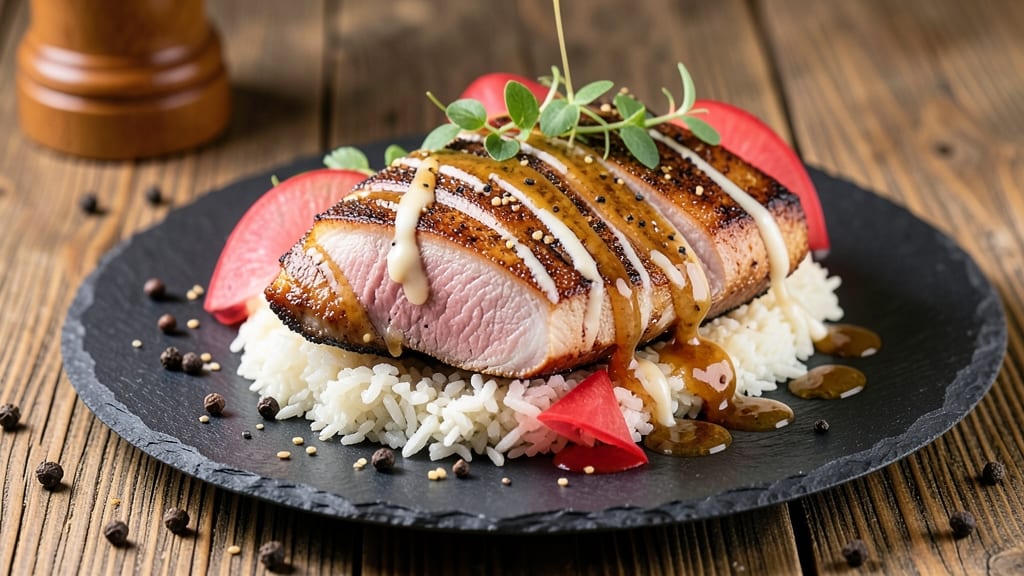
This miso glazed pork loin delivers the perfect balance of tender pink centers and a caramelized umami crust—a technique I perfected after years of testing Japanese-inspired methods in my Atlanta kitchen.
The secret lies in the miso marinade, which tenderizes the meat while building deep, savory layers of flavor that transform a simple cut into something extraordinary.
Unlike traditional braised pork, this method keeps the interior juicy and the exterior irresistibly crisp, making it ideal for both weeknight dinners and special occasions.
The recipe begins with a simple yet powerful marinade of white miso, mirin, and sake, which infuses the pork loin overnight for maximum flavor penetration. After a quick sear in a hot pan, the glaze caramelizes into a sticky, glossy finish that clings to every bite.
What sets this apart is the controlled cooking time—just enough to render fat and develop color without overcooking the center, ensuring that first cut reveals that prized pink hue. This is the kind of dish that elevates everyday pork into a restaurant-worthy centerpiece.
Pair it with steamed jasmine rice to soak up the glaze, or serve alongside quick-pickled cucumbers and blistered shiitake mushrooms for a full Japanese-inspired spread. The miso glaze also works beautifully as a dipping sauce for dumplings or noodles if you have leftovers.
Trust me, once you try this method, you’ll never settle for plain roasted pork again—it’s that transformative.
For those new to miso cooking, don’t be intimidated—the flavors are forgiving, and the technique is straightforward once you understand the key steps: marinate, sear, glaze, and rest. The result is a dish that’s restaurant-quality at home, with a depth of flavor that comes from patience and precision.
Let’s get to work—your taste buds will thank you.
Ingredients for miso pork loin
Nine essential ingredients transform simple pork loin into restaurant-quality umami perfection.
| Ingredient | Amount | Notes |
|---|---|---|
| Pork Loin 🥓 | 1 ½ lb | Center-cut, 1.5-inch thick |
| White Miso Paste 🍶 | ¼ cup | High-quality, unsweetened |
| Mirin 🍶 | ¼ cup | Sweet cooking rice wine |
| Sake 🍶 | ¼ cup | Dry variety preferred |
| Sesame Oil 🫒 | 1 tbsp | Toasted for aroma |
| Soy Sauce 🥢 | 2 tbsp | Japanese-style preferred |
| Garlic Cloves 🧄 | 4 cloves | Minced for marinade |
| Fresh Ginger 🌿 | 1 tbsp | Finely grated, peeled |
| Neutral Oil 🫒 | 2 tbsp | Avocado or vegetable oil |
| Honey 🍯 | 1 tbsp | Light variety preferred |
| Brown Sugar 🍚 | 1 tbsp | Packed, light brown |
| Kosher Salt 🧂 | 1 ½ tsp | Diamond Crystal preferred |
| Black Pepper 🌶️ | ½ tsp | Freshly cracked |
| Sesame Seeds 🌰 | 1 tbsp | Toasted for garnish |
The pork loin is the star—center-cut and 1.5-inch thick ensures even cooking and that prized pink center. Grab it from the meat counter at Whole Foods or your local butcher; they’ll cut it to size if you ask. White miso is non-negotiable here—Miso Master or Hokkaido brands deliver the cleanest umami. Mirin and sake should be Japanese imports (like Kikkoman or Sapporo) for authentic flavor. Toast your sesame oil in the pan first—it adds layers of aroma that regular oil can’t match. The garlic and ginger? Freshly grated makes all the difference, so don’t use jarred minced garlic here.
No mirin? Substitute 1 tbsp sugar plus 1 tbsp dry white wine—it’s not identical, but it works in a pinch. Out of sake? Dry sherry or extra-dry white wine bridges the gap. The honey and brown sugar combo in the glaze is what creates that caramelized crust. Sub with maple syrup if you’re avoiding honey, but the texture won’t be quite the same. For the sesame seeds, toasted black sesame seeds add a deeper flavor if you’re feeling fancy. The soy sauce should be Japanese-style (like Kikkoman) for that perfect umami balance—American soy sauce is too salty and lacks depth.
Marinate the pork overnight for maximum tenderness—cover and refrigerate. The glaze can be made ahead and stored in the fridge for 3 days or frozen for 3 months. Once cooked, let the pork rest 10 minutes before slicing—this keeps it juicy. Leftovers reheat beautifully in a 350°F oven for 10 minutes, wrapped in foil. Store cooked pork in an airtight container for 3 days or freeze for 3 months. The glaze thickens when chilled, so reheat gently to restore its silky texture.
Why You'll Love This Recipe
- Five-Ingredient Magic: I swear by this combo—just pork, miso, mirin, sake, and sesame oil. No fancy prep, no hidden ingredients. The miso does all the work, turning lean pork into something tender and packed with umami depth.
- Glaze That Sticks: That sticky-sweet glaze? It’s the star. The miso caramelizes beautifully, while the mirin and sake add just enough brightness to cut through the richness. One coat, and you’ve got restaurant-quality flavor without the fuss.
- Weeknight to WOW: Serve it sliced over rice for a quick weeknight dinner, or double the batch for a dinner party centerpiece. The leftovers reheat beautifully—crispy edges intact—and taste just as good cold in sandwiches the next day.
- Budget-Friendly Luxury: Pork loin is affordable, and a little goes a long way. The miso and sake elevate it without breaking the bank. Honestly, this is my go-to when I want something that feels special but won’t drain my wallet.
Step-by-step instructions for miso glazed pork loin
Here's how to create that perfect balance of umami-rich crust and melt-in-your-mouth tenderness.
Prepare the Pork Loin for Maximum Flavor
Start by patting the 1.5 lb pork loin completely dry with paper towels—this ensures a better sear and helps the marinade penetrate deeply. Place the pork on a cutting board and make shallow slashes about ¼-inch deep and 1-inch apart across the surface. This creates surface area for the marinade to work its magic and prevents the meat from curling during cooking.
In a small bowl, combine 4 cloves minced garlic, 1 tbsp finely grated fresh ginger, 1.5 tsp kosher salt, and 0.5 tsp black pepper. Rub this mixture all over the slashed pork, pressing it gently into the cuts. This initial seasoning creates a flavor base before the marinade goes on. Let the pork sit at room temperature for 30 minutes while you prepare the marinade.
Create the Umami-Packed Marinade
In a medium bowl, whisk together 0.25 cup white miso paste, 0.25 cup mirin, 0.25 cup sake, 2 tbsp soy sauce, 1 tbsp honey, 1 tbsp brown sugar, and 1 tbsp sesame oil. The miso paste will thicken the mixture slightly, so stir until fully combined and smooth. This marinade is the heart of your dish—it delivers that signature umami depth while balancing sweetness and acidity.
Place the seasoned pork loin in a resealable plastic bag and pour the marinade over it. Seal the bag and massage it gently to coat the pork evenly. Refrigerate for at least 4 hours, or preferably overnight. The longer it marinates, the more flavorful and tender the pork will become. I like to turn the bag occasionally to ensure even coating.
Sear the Pork for Maximum Flavor Development
Remove the pork from the marinade (reserve the marinade for later) and let it sit at room temperature for 20 minutes before cooking. Heat 2 tbsp neutral oil in a large skillet over medium-high heat until shimmering. Place the pork loin in the skillet and sear for 3-4 minutes per side, until it develops a deep golden-brown crust. This step is crucial—it locks in juices and creates that beautiful caramelized exterior.
Don't move the pork during searing. You'll know it's ready to flip when it releases easily from the pan. Transfer the seared pork to a plate and tent loosely with foil. Let it rest for 5 minutes while you prepare the sauce.
Simmer the Sauce to Perfection
Return the reserved marinade to the skillet and bring it to a gentle simmer over medium heat. Let it reduce by about half, stirring occasionally, for 5-7 minutes until it thickens slightly and coats the back of a spoon. This concentrated sauce will cling beautifully to the pork and create that glossy glaze we're after.
Here's where it gets interesting: brush about ½ cup of the reduced sauce over the pork, then return it to the skillet. The residual heat will help the sauce adhere and create that signature sticky glaze. Let it cook for 2-3 minutes on each side to meld the flavors.
Finish with a Stunning Glaze and Garnish
Transfer the pork to a cutting board and let it rest for 10 minutes before slicing. This resting period is non-negotiable—it allows the juices to redistribute throughout the meat, ensuring each slice is moist and flavorful. While it rests, heat a small skillet over low heat and toast the 1 tbsp sesame seeds for 30-60 seconds until fragrant and golden.
Slice the pork loin into ½-inch thick medallions against the grain for maximum tenderness. Arrange the slices on a warm platter, drizzle with any remaining sauce from the skillet, and sprinkle generously with the toasted sesame seeds. Serve immediately with steamed rice and roasted vegetables to soak up that delicious glaze. The result should be a perfect balance of tender pink centers and a caramelized, umami-rich crust that will have everyone asking for seconds.
Pro Tips For Making Miso Pork Loin
- SEAR FIRST, THEN BASTE: I learned this the hard way—skipping the initial sear means your pork absorbs the miso sauce like a sponge instead of building that caramelized crust. Hit the pork loin with high heat for 3-4 minutes per side until deep golden, then lower the heat to let the miso sauce cling rather than burn.
- WHISK MISO WITH SAKE: White miso paste loves to clump, and if you just dump it in, you’ll end up with lumpy sauce. Whisk it vigorously with the sake and mirin first—even a quick 30-second mix makes a real difference. This also breaks down the paste faster during cooking, so your pork soaks up flavor evenly.
- DON’T OVERCOOK THE LOIN: Pork loin turns dry faster than you think, especially when braised. Pull it out when it hits 140°F internally—it’ll carryover to 145°F while resting. I used to cut into it too soon, and the center was always sad. A meat thermometer is worth its weight here.
- TOAST SESAME OIL LAST: Sesame oil burns faster than you’d believe, and adding it to the pan with the miso will turn your sauce bitter. Instead, drizzle it over the finished pork right before serving—just a teaspoon, warmed for 10 seconds in the pan. This keeps the aroma intact and the flavor bright.
Essential equipment for perfect results
Essential Skillet
You’ll need a heavy-bottomed cast iron skillet—like my Lodge 10.25-inch—for that perfect sear and even heat distribution. Cast iron retains heat beautifully, preventing hot spots that can burn your pork.
If you don’t have cast iron, a stainless steel skillet (like All-Clad) works too, but monitor the heat more closely to avoid sticking. Preheat your skillet over medium-high heat until it’s smoking hot—this ensures that golden-brown crust we’re after. 🔥
Precision Thermometer
A meat thermometer is non-negotiable for this recipe. I use a ThermoWorks Smoke because it’s durable and gives instant readings. Insert the probe into the thickest part of the pork loin—it should reach 145°F internal temperature for medium-rare (the perfect pink center).
If you don’t have a thermometer, use the finger test: press your finger gently on the pork; it should feel firm but still slightly springy. Overcooking turns tender pork into rubber—trust me, you don’t want that.
Marinating Tools
A resealable plastic food bag (like the ones from Glad) is your best friend for marinating. It allows the pork to absorb flavors evenly while keeping everything contained. If you’re marinating overnight, place the bag in a shallow dish to catch any leaks. For smaller batches, a glass baking dish lined with plastic wrap works too. Just make sure the pork is fully submerged in the marinade—no dry spots allowed! 💛
Tongs for Perfect Flipping
Use heat-resistant silicone or metal tongs (like OXO Good Grips) to flip the pork. They give you better control than spatulas and prevent tearing the meat. Avoid wooden tongs—they can char and leave a bitter taste.
When searing, flip the pork only once per side to maintain that perfect crust. And for the love of pork, don’t press it down—that squeezes out all the juices we worked so hard to keep inside. ✨
Resting Rack or Plate
After searing, transfer the pork to a wire cooling rack (placed over a baking sheet) to rest. This allows air to circulate, preventing soggy slices. No rack?
Use a plate lined with paper towels—just avoid covering it with foil too soon, or you’ll trap steam and make the crust soggy. The 10-minute rest is critical; it lets the juices redistribute, so every bite stays juicy.
Skipping this step is a rookie mistake—I’ve seen it too many times! 💡
Nutrition facts
Frequently asked questions
Can I substitute regular soy sauce for Japanese soy sauce in this recipe?
While you can use regular soy sauce, Japanese soy sauce (like Kikkoman) has a more delicate, less salty profile that won't overpower the miso's umami depth. For best results, reduce the soy sauce by 1 tbsp if using regular soy sauce, as it's typically saltier. The flavor won't be identical, but it'll still be delicious.
What's the best way to achieve that perfect pink center without overcooking?
Use a meat thermometer and cook to 145°F internal temperature for medium-rare. Let the pork rest for 10 minutes after cooking—this crucial step lets juices redistribute, preventing dryness. For extra insurance, slice a small piece to check before serving. The pink should be vibrant, not grayish.
Can I make this recipe in a slow cooker instead of searing?
Yes! After marinating, sear the pork briefly in a skillet (just 2 minutes per side), then transfer to your slow cooker with the reduced marinade. Cook on low for 4-5 hours until tender. The crust won't be as crispy, but the flavor will be just as rich. Perfect for hands-off cooking!
How do I store and reheat leftovers?
Store cooked pork in an airtight container in the fridge for 3 days or freeze for 3 months. To reheat, wrap slices in foil and warm in a 350°F oven for 10 minutes or microwave for 30 seconds. The glaze may thicken when chilled—add a splash of water and warm gently to restore its silky texture.
What are the best side dishes to serve with miso pork loin?
For an authentic Japanese spread, try steamed jasmine rice to soak up the glaze, quick-pickled cucumbers for acidity, and blistered shiitake mushrooms for earthy contrast. Western options like roasted Brussels sprouts or garlic mashed potatoes also pair beautifully. The key is balancing textures—something crisp or creamy complements the pork's richness.