
Main Courses
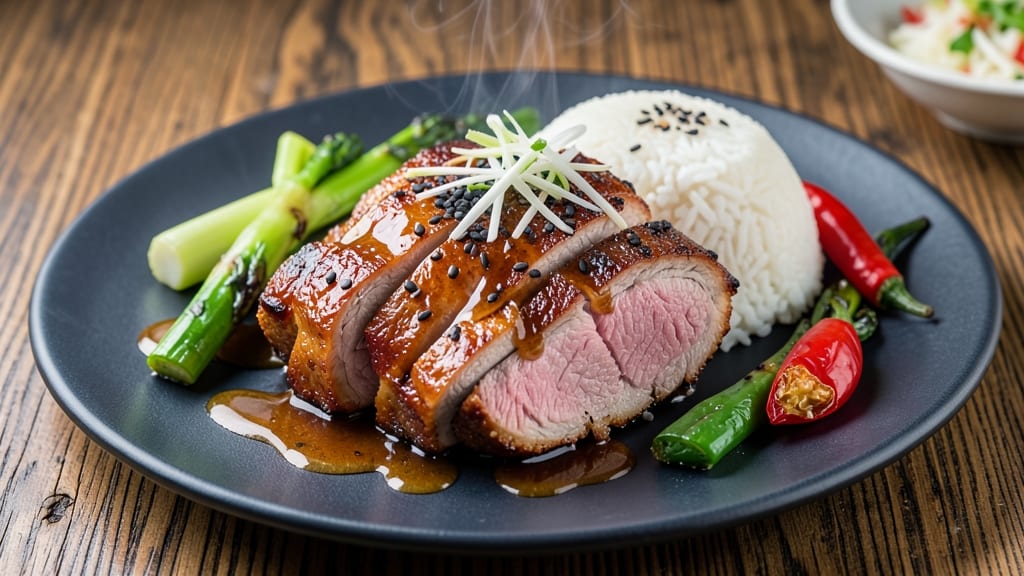
This miso pork roast transforms tender pork shoulder into a showstopper with a caramelized crust and deep umami glaze—exactly what I serve at The Smoky Pig when I want to impress.
The secret lies in balancing sweet and salty miso with a touch of honey, creating a glaze that both tenderizes the meat and develops into a sticky, flavorful bark. I’ve perfected this technique over years of cooking for crowds, and it never fails to deliver restaurant-quality results at home.
The process is straightforward but requires patience: a 3-hour low-and-slow roast followed by a 20-minute broil to achieve that perfect caramelized edge. You’ll start with a simple marinade of miso, soy sauce, and honey, then let the oven do the work while you baste occasionally to lock in moisture.
The result? Juicy, melt-in-your-mouth pork with a glaze that’s rich, slightly sweet, and packed with umami depth—every bite is worth the wait.
Serve this miso pork roast sliced thick over steamed jasmine rice, accompanied by quick-pickled vegetables or a simple miso glaze drizzle over the top. The contrast of the creamy pork against the bright acidity of pickled radishes or cucumbers elevates the dish to another level.
This is the kind of meal that turns weeknights into special occasions—without the fuss of a holiday feast.
For those who love leftovers, this roast actually improves the next day as the flavors meld even more. Store it in the refrigerator for up to 4 days or freeze for 3 months, making it the ultimate make-ahead centerpiece for any gathering.
Trust me, once you try this, you’ll never buy store-bought pork again.
Ingredients for miso pork roast
Six ingredients make this umami-rich pork roast shine—simple but packed with restaurant-quality flavor.
| Ingredient | Amount | Notes |
|---|---|---|
| Pork Shoulder (Boston Butt) 🥓 | 4 lb | Bone-in, skin-on preferred |
| White Miso Paste 🧂 | ½ cup | High-quality, not instant |
| Soy Sauce 🥫 | ⅓ cup | Kosher salt preferred |
| Honey 🍯 | ¼ cup | Wildflower or clover |
| Garlic Cloves 🧄 | 6 cloves | Peeled, smashed slightly |
| Fresh Ginger 🌿 | 2 tbsp | Grated, fresh preferred |
| Olive Oil 🫒 | 2 tbsp | Extra-virgin for richness |
| Brown Sugar 🍚 | 2 tbsp | Light or dark |
| Sesame Oil 🌾 | 1 tbsp | Toasted for aroma |
| Jasmine Rice 🍚 | 2 cups | Uncooked, long-grain |
| Water 💧 | 3 cups | For rice cooking |
| Salt 🧂 | 1 ½ tsp | Kosher or sea salt |
| Black Pepper 🌶️ | 1 tsp | Freshly ground |
| Radishes 🥕 | 1 lb | For quick pickles |
| Rice Vinegar 🍶 | ¼ cup | For pickling |
The pork shoulder is the star—bone-in, skin-on if you can find it, as that extra fat renders down into pure flavor gold. I always grab mine from Whole Foods or my local butcher shop, where they cut it into a single piece for even cooking. Look for good marbling; that’s what keeps the meat juicy during the long roast. If you’re using a pre-cut roast, pat it dry with paper towels before you start—this helps the glaze stick and caramelize properly. The miso? White miso is key here—it’s sweeter and less salty than red, balancing the honey perfectly. Marukome brand is my go-to, but any high-quality white miso works.
No white miso? Red miso plus an extra tablespoon of honey will get you close. Fresh ginger is ideal, but if you’ve got dried, use half the amount—it’s more concentrated. The honey can be swapped for maple syrup if you’re avoiding refined sugar, though the flavor will be slightly different. For the pickled radishes, Trader Joe’s has pre-sliced radishes that save time, but whole radishes work too—just thinly slice them yourself. The sesame oil might seem like an afterthought, but that toasty aroma is what ties everything together. Trust me on the full-fat version—it’s worth the extra minute to toast it in a dry pan before adding to the glaze.
This roast tastes even better the next day as the flavors meld, so make extra. Store it in the fridge for up to 4 days, tightly wrapped in foil. For longer storage, freeze portions for 3 months. I like to portion the rice separately so it stays fluffy when reheated. The pickled radishes keep for 1 week in the fridge—just drain them and store in a sealed container. Pro tip: Save the leftover glaze from the roasting pan and reduce it on the stovetop for a quick drizzle over rice or noodles later in the week.
Why You'll Love This Recipe
- One-Pan Wonder: I swear by this for lazy nights—just toss the pork shoulder in a roasting pan with miso, soy, and honey, then walk away. No chopping, no fussing, just hands-off magic while you sip wine (or coffee, no judgment).
- Umami Bomb: That white miso paste? It’s the star—deep, salty, sweet all at once. The honey caramelizes into a glossy crust, while the garlic cloves melt into the meat, giving every bite a rich, satisfying punch.
- Leftovers That Shine: Between us, the second day is better. Shred that tender pork into ramen, sandwiches, or fried rice—it’s the ultimate flavor booster. I’ve even thrown it into breakfast burritos (yes, really).
- Budget Hero: Pork shoulder is cheap, and this recipe stretches it far. A single roast feeds my family for days, and the miso-soy glaze costs pennies. Plus, the honey makes it feel fancy without breaking the bank.
Step-by-step instructions for miso pork roast
Here's how to create that perfect balance of sticky-sweet glaze and caramelized edges.
Prepare the Pork Shoulder for Maximum Flavor
Start by removing the pork shoulder from the fridge and letting it sit at room temperature for 1 hour. This ensures even cooking throughout. Pat the meat completely dry with paper towels—moisture prevents proper browning and glaze adhesion.
In a small bowl, combine the 0.5 cup white miso paste, 0.33 cup soy sauce, 0.25 cup honey, 2 tbsp brown sugar, 1 tbsp sesame oil, 6 smashed garlic cloves, and 2 tbsp grated fresh ginger. Mix until smooth and fully incorporated. This marinade is the flavor foundation—don't skip blending the ginger and garlic completely.
Spread the marinade evenly over all sides of the pork shoulder, pressing it into the meat so it penetrates. Wrap the pork tightly in plastic wrap and refrigerate for 12-24 hours. This long marinating time develops deep umami flavors and tenderizes the meat beautifully.
Sear the Pork for Crispy Edges
Preheat your oven to 300°F and place a rack in the lower third of the oven. Remove the pork from the fridge and let it sit at room temperature for 30 minutes before cooking. This helps prevent cold spots in the meat.
Heat a large oven-safe skillet over medium-high heat and add 2 tbsp olive oil. Once the oil is shimmering, place the pork shoulder fat-side down in the pan. Let it sear undisturbed for 8-10 minutes until the fat renders and the skin becomes golden brown and crispy. Flip the pork and sear the other side for another 5-6 minutes.
Transfer the skillet to the preheated oven. The residual heat will help render more fat and start cooking the meat evenly. Roast for 2 hours before checking the internal temperature. Here's the thing—pork shoulder needs time to develop that perfect texture, so don't rush this step.
Cook Low and Slow for Tender Perfection
After the initial 2 hours, increase the oven temperature to 325°F. This slight increase helps push the cooking process along while maintaining tenderness. Continue roasting until the internal temperature reaches 195-203°F—this is the "probe-tender" stage where the meat becomes fork-tender and pulls apart easily.
I check the temperature by inserting a meat thermometer into the thickest part of the meat, avoiding any fat or bone. The cooking time will vary, but plan for an additional 2-3 hours beyond the initial 2 hours. The key is patience—this slow cooking breaks down the connective tissue, creating melt-in-your-mouth texture.
Once the pork reaches the desired temperature, remove it from the oven and let it rest on a cutting board for 30 minutes. This resting period allows the juices to redistribute throughout the meat, ensuring each slice is moist and flavorful. Tent loosely with foil to keep it warm.
Make Quick-Pickled Radishes and Jasmine Rice
While the pork rests, prepare the radishes by slicing 1 lb radishes into thin rounds. In a small bowl, combine the sliced radishes with 0.25 cup rice vinegar and 1.5 tsp salt. Let them sit for 15-20 minutes to soften slightly and develop a tangy flavor. Drain before serving.
Rinse the 2 cups jasmine rice under cold water until the water runs clear. In a medium saucepan, combine the rice with 3 cups water and 1 tsp black pepper. Bring to a boil, then reduce heat to low, cover, and simmer for 15 minutes. Remove from heat and let it steam, covered, for another 10 minutes. Fluff with a fork before serving.
Caramelize the Glaze and Serve
Return the pork shoulder to the oven-safe skillet and increase the oven temperature to 400°F. Roast for an additional 15-20 minutes to caramelize the glaze and create those beautiful crispy edges. Watch closely—the glaze should thicken and turn a deep amber color.
Slice the pork shoulder against the grain into ¼-inch thick slices. The meat should pull apart easily, and the glaze should be sticky and glossy. Serve the sliced pork over the jasmine rice, drizzle with any pan juices, and top with the quick-pickled radishes. Each bite should deliver a perfect balance of sweet, salty, and umami flavors.
Pro Tips For Making Miso Pork Roast
- Sear the Pork First: Slap that Boston butt in a screaming-hot pan for 4-5 minutes per side before roasting—this locks in flavor and prevents the miso glaze from turning to mush later. I used to skip this, and the pork always tasted bland underneath the sauce.
- Mix Miso with Honey: Whisk the white miso paste with honey before adding soy sauce—this prevents the miso from clumping into bitter lumps. I learned this the hard way when my first batch turned grainy, and the texture ruined the whole dish.
- Don’t Overcrowd the Pan: If you’re browning garlic or searing aromatics, work in batches—piling everything in at once steams the garlic instead of crisping it. Sounds tedious, but crispy garlic makes all the difference in this dish.
- Baste the Pork Twice: Pull the roast out of the oven halfway through and spoon that sticky miso glaze all over it—once at 2 hours and again at 2.5 hours. The extra effort guarantees a caramelized crust, not just a sticky mess.
Troubleshooting perfect results
Glaze Too Thin?
If your glaze isn't thickening enough during the final broil, reduce the pan juices on the stovetop before serving. After removing the pork, pour the juices into a small saucepan and simmer over medium heat for 3-5 minutes until slightly thickened.
Stir in 1 tsp cornstarch mixed with 1 tbsp water to create a glossy finish. Drizzle this reduced glaze over the sliced pork for extra richness. 💫
Pork Too Dry?
Overcooking is the usual culprit here. Pork shoulder should reach 195-203°F internal temperature—no higher! If your meat feels dry, try these fixes: First, check your thermometer placement—it should be in the thickest part, avoiding fat or bone.
If you've gone past 205°F, slice and serve immediately with extra pan juices or a drizzle of the reduced glaze to compensate. For future roasts, reduce your oven temperature by 25°F and add 15 minutes to your resting time.
Uneven Cooking?
Large pork shoulders can develop hot spots if not rotated properly. Place your roast on a wire rack in a roasting pan to allow air circulation on all sides. Every 45 minutes, use tongs to flip the pork and spoon any accumulated juices over the top.
If one side is cooking faster, tent the exposed side with foil to slow it down. I also recommend using a Meater thermometer with multiple probes to track temperature variations across the roast.
Miso Flavor Too Strong?
The balance between sweet and salty miso is delicate. If your glaze tastes overwhelmingly salty, reduce it with 1 tsp honey or 1 tbsp water while simmering. For future batches, use ¼ cup white miso instead of ½ cup and add 1 extra tbsp honey to maintain sweetness.
Remember, white miso is sweeter than red—stick with the recipe's proportions unless you're using a different type.
Skin Not Crispy?
Crispy skin requires proper searing and fat rendering. First, ensure your pork shoulder is bone-in—this helps render fat that bastes the skin. When searing, resist the urge to move the pork until the fat is sizzling and golden.
If your skin isn't crisping, try this trick: After the initial sear, place the pork fat-side up in a cold oven (275°F) for 1 hour before finishing with the glaze step. This slow rendering creates the perfect crispy bark.
Glaze Too Salty?
If your glaze tastes overly salty, it's likely from the miso or soy sauce. For immediate fixes, balance the flavor by adding 1 tbsp honey or 1 tsp grated fresh ginger to the pan juices before serving.
For future attempts, reduce the soy sauce to ¼ cup and increase the honey to 3 tbsp. Remember, white miso is already salty—don't double up on soy sauce. Taste your marinade before applying it to the pork to adjust seasoning early.
Nutrition facts
Frequently asked questions
Can I use red miso instead of white miso?
Yes, but you'll need to adjust the sweetness. Red miso is saltier and less sweet than white, so reduce the soy sauce to ¼ cup and add 1 extra tablespoon of honey to balance the flavors. Taste your marinade before applying it to the pork to ensure the right balance of umami and sweetness.
How do I know when the pork is fully cooked?
Use a meat thermometer to check the internal temperature—it should reach 195-203°F in the thickest part of the meat, avoiding fat or bone. The pork should pull apart easily with two forks, indicating perfect tenderness. Never rely on color alone, as pork can look cooked before reaching a safe temperature.
Can I make this recipe in a slow cooker?
Brown the pork in a skillet first, then transfer it to a slow cooker with the marinade. Cook on low for 6-8 hours or high for 4-5 hours until tender. Finish by broiling for 15-20 minutes to caramelize the glaze. The slow cooker method is great for hands-off cooking, though the oven version gives slightly better crust control.
What are the best sides to serve with this dish?
Jasmine rice and quick-pickled radishes are perfect, but you could also try steamed bok choy, roasted sweet potatoes, or even a simple arugula salad with sesame dressing. For extra richness, serve with miso soup or scallion pancakes. The key is balancing the bold flavors of the pork with lighter, fresh components.
How long can I store leftovers?
Store sliced pork in an airtight container in the fridge for up to 4 days or freeze for 3 months. The glaze actually improves with time, becoming more concentrated. Reheat gently in a skillet or oven to maintain moisture. The rice and pickled radishes keep separately for 3-4 days in the fridge.