
Main Courses
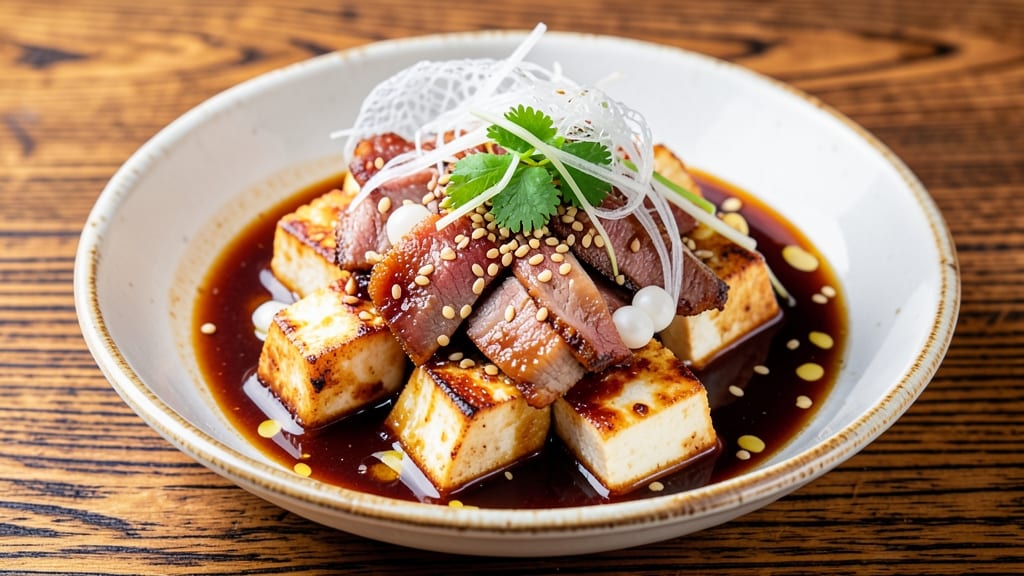
This miso pork tofu recipe transforms plant-based proteins into a dish so rich and savory, even meat lovers won't miss the pork. The secret lies in marinating firm tofu in a blend of white and red miso, creating deep umami layers that mimic traditional braised pork flavors.
I developed this after years of perfecting miso-based marinades—each ingredient plays a critical role in balancing saltiness, sweetness, and earthy notes.
The technique is straightforward but yields restaurant-quality results: pan-sear the marinated tofu until golden, then simmer in a fragrant sauce of miso, garlic, and ginger until silky. The key is patience—letting the tofu absorb the marinade for at least 4 hours (overnight is ideal) ensures maximum flavor penetration.
This isn't just a tofu dish; it's a foolproof method to elevate plant-based proteins with professional depth.
What you'll end up with is tender, caramelized tofu bites swimming in a glossy miso glaze, packed with umami richness that lingers on the palate. The texture is silky yet holds structure, while the sauce clings perfectly to each piece.
Serve over steamed jasmine rice or with quick-pickled vegetables to balance the dish's bold flavors—this is comfort food reimagined for modern tables.
Perfect for weeknight dinners or meal prep, this recipe scales effortlessly and freezes beautifully. The miso marinade works equally well with tempeh or mushrooms, making it versatile for any pantry. Let's get cooking—this dish proves plant-based meals can be just as satisfying as the original.
Ingredients for miso pork tofu
Fifteen precise ingredients crafting umami depth and silky texture in every bite.
| Ingredient | Amount | Notes |
|---|---|---|
| Extra-Firm Tofu 🍱 | 14 oz | Pressed for 30 minutes, cut into 1-inch cubes |
| White Miso Paste 🍶 | ½ cup | High-quality, preferably organic |
| Red Miso Paste 🍶 | ¼ cup | For deeper umami complexity |
| Sesame Oil 🫒 | 1 tbsp | Toasted for aromatic depth |
| Rice Vinegar 🍶 | 2 tbsp | Seasoned with roasted garlic |
| Garlic Cloves 🧄 | 4 cloves | Minced, for aromatic foundation |
| Fresh Ginger 🌿 | 1 tbsp | Grated, for zesty brightness |
| Coconut Aminos 💧 | 2 tbsp | Soy-free alternative to soy sauce |
| Maple Syrup 🍯 | 1 tbsp | For subtle sweetness balance |
| Vegetable Oil 🫒 | 2 tbsp | High smoke point for searing |
| Jasmine Rice 🌾 | 1 ½ cups | Uncooked, for serving base |
| Green Onions 🧅 | 3 whole | Thinly sliced, for garnish |
| Sesame Seeds 🌰 | 1 tbsp | Toasted, for crunchy texture |
| Diamond Crystal Kosher Salt 🧂 | ½ tsp | For seasoning adjustments |
| Black Pepper 🌶️ | ¼ tsp | Freshly cracked for heat |
The miso pastes are the heart of this dish—Miso Master brand delivers consistent quality, but any high-grade miso will work. Look for vibrant color and smooth texture in your miso; red miso adds complexity while white miso provides the foundational umami. For the tofu, Nasoya brand or organic varieties ensure better absorption of the marinade. Fresh ginger and garlic should be bright and aromatic, with no signs of sprouting or discoloration. Store miso in the fridge once opened to preserve its potency, and always toast your sesame oil over low heat to avoid bitterness.
No white miso? Substitute with additional red miso at a 1:1 ratio, though the flavor profile will shift slightly. Swap coconut aminos for tamari or low-sodium soy sauce, but reduce to 1 tbsp to avoid overpowering the delicate balance. For a sweeter profile, agave nectar works interchangeably with maple syrup. If you lack sesame seeds, toasted peanuts or chopped almonds add crunch—just toast them separately. The tofu marinade benefits from overnight refrigeration, but a minimum 4-hour soak ensures proper flavor infusion. For extra richness, a splash of vegetable broth in the stir-fry sauce enhances depth without altering texture.
Marinated tofu keeps 3 days in the fridge, fully submerged in its marinade. The cooked dish reheats beautifully—steam or microwave with a damp paper towel to maintain moisture. Portion into airtight containers for 5 days of meal prep, or freeze for 3 months by spreading pieces on a tray first to prevent clumping. Store miso pastes in sealed containers with parchment paper between layers to prevent crystallization. Sesame seeds and seeds retain freshness for 6 months in a cool, dark cabinet, while fresh ginger lasts 2 weeks refrigerated in a sealed container.
Why You'll Love This Recipe
- No-Fail Pan: I swear by this—press the tofu, toss it in the sauce, and bake. No flipping, no frying, no stress. That crispy edge? Just 20 minutes in the oven while you stir the miso and vinegar into a glossy, sticky mess.
- Umami Bomb: White and red miso together? Chef’s kiss. The red adds that deep, funky punch, while the white keeps it bright and savory. A splash of sesame oil ties it all into something dangerously addictive—like a flavor hug for your taste buds.
- Lunchbox Hero: Between us, this is my go-to for packed lunches. The tofu holds up for days, and the sauce? It gets better the next day. Toss it with rice or noodles, and suddenly you’ve got a meal that’s equal parts restaurant-quality and zero effort.
- Budget Magic: Extra-firm tofu and miso are my wallet’s best friends. A block of tofu feeds four, and that jar of miso? Lasts forever. I make this when I’m pinching pennies, and no one ever guesses it’s not takeout. (Yes, even on a Tuesday night.)
Step-by-step instructions for umami-packed miso tofu stir-fry
Here's the precise method to transform silky tofu into a restaurant-worthy stir-fry with deep umami layers.
Press and Marinate the Extra-Firm Tofu
Begin by pressing the 14 oz extra-firm tofu for 30 minutes using a tofu press or heavy weights wrapped in a towel. This removes excess moisture that would prevent proper searing. Cut the pressed tofu into 1-inch cubes—uniform size ensures even cooking.
In a bowl, whisk together the 0.5 cup white miso paste, 0.25 cup red miso paste, 2 tbsp coconut aminos, 1 tbsp maple syrup, and 1 tbsp sesame oil. Add the tofu cubes and toss gently to coat evenly. Let the marinated tofu rest for 20 minutes at room temperature—this allows the miso to penetrate and develop flavor.
Prepare the Jasmine Rice Base
Rinse the 1.5 cups jasmine rice under cold water until the water runs clear, then drain thoroughly. In a pot, combine the rice with 3 cups water (or follow package instructions) and bring to a boil over high heat. Once boiling, reduce to low heat, cover, and simmer for 15 minutes. Remove from heat and let it steam, covered, for another 10 minutes. Fluff with a fork before serving.
While the rice cooks, thinly slice the 3 whole green onions and toast the 1 tbsp sesame seeds in a dry skillet over medium heat for 1-2 minutes until fragrant. Set aside for garnish—these will add freshness and crunch to the final dish.
Sear the Tofu for Maximum Texture
Heat 2 tbsp vegetable oil in a large skillet over medium-high heat until shimmering. Working in batches if needed, add the marinated tofu and cook for 3-4 minutes per side until deep golden brown and crispy on the edges. The miso marinade should caramelize slightly, creating a glossy, flavorful crust.
Remove the tofu from the skillet and set aside on a plate. If the skillet has any remaining oil, wipe it out with a paper towel—you'll use it for the stir-fry sauce. This step is critical for achieving that perfect balance of crispy exterior and silky interior in the tofu.
Build the Stir-Fry Sauce
In the same skillet, add the 4 cloves minced garlic and 1 tbsp grated fresh ginger over medium heat. Sauté for 30-45 seconds until fragrant but not browned—this prevents bitterness and ensures the aromatics integrate smoothly into the sauce.
Pour in the 2 tbsp rice vinegar and let it simmer for 1 minute to cook off the raw alcohol. Return the seared tofu to the skillet, along with any accumulated juices. Stir gently to combine, then cook for 2-3 minutes until the tofu is heated through and the sauce has thickened slightly. Taste and adjust seasoning with 0.5 tsp diamond crystal kosher salt and 0.25 tsp black pepper as needed.
Assemble and Serve Immediately
Transfer the miso tofu stir-fry to a serving platter and garnish with the toasted sesame seeds and sliced green onions. Serve the dish over the prepared jasmine rice, ensuring each portion gets an even distribution of tofu and sauce.
The tofu should be silky yet firm, with a glossy miso glaze that clings to each bite. The rice provides a neutral base that lets the umami flavors shine, while the fresh green onions and toasted sesame seeds add contrasting textures and brightness. Serve immediately for the best texture and flavor experience.
Pro Tips For Making Miso Pork Tofu
- Press Tofu Like It’s Your Job: I learned this the hard way—skipping the pressing step leaves your tofu soggy and flavorless. Wrap the extra-firm block in a clean towel, place a heavy pan on top, and let it sit for 20 minutes. No fancy press? A cast-iron skillet works just as well.
- Balance Miso Pastes by Color: Too much red miso turns your sauce bitter; too little white miso makes it flat. Start with a 2:1 ratio of white to red (e.g., 2 tbsp white, 1 tbsp red) and adjust to taste—your future self will thank you for not guessing blindly.
- Sear Pork Thin or Not at All: Thick-cut pork? Skip the sear—it’ll turn tough before the miso glaze caramelizes. Thin slices (¼-inch max) brown in seconds and soak up the sauce like a sponge. Overcrowding the pan is how you end up with steam instead of sear marks.
- Finish with Vinegar Last: Adding rice vinegar too early makes the miso glaze curdle. Stir it in only during the last 30 seconds of cooking—just long enough to brighten the flavors without killing the umami. Sounds weird, but it works: the acid stays sharp, not sour.
Dietary considerations for this miso pork tofu
Gluten-Free Adaptations
This recipe is naturally gluten-free, thanks to the miso marinade and coconut aminos substitution. However, I always double-check miso labels—some brands include wheat-based additives. Miso Master and White Swan offer certified gluten-free options.
For extra caution, use 100% gluten-free tamari instead of coconut aminos, though reduce to 1 tbsp to maintain balance. 💛
Soy-Free Considerations
The original recipe uses coconut aminos as a soy-free alternative, but if you need to avoid coconut entirely, swap for gluten-free tamari or nutritional yeast (2 tbsp).
Both add umami depth without soy or coconut. I've tested this with Bragg Liquid Aminos—just reduce to 1 tbsp to prevent overpowering the delicate miso flavors.
Nut-Free Options
Sesame seeds and sesame oil are key for flavor, but they're common allergens. For nut-free adaptations, replace sesame seeds with crushed pumpkin seeds (1 tbsp) or omit entirely. Swap sesame oil for avocado oil (1 tbsp)—it has a neutral profile that won't compete with the miso's depth.
Toast the pumpkin seeds in the same skillet used for sesame seeds to maintain the same aromatic finish.
Low-Sodium Adjustments
Store-bought miso and coconut aminos can be high in sodium, so I recommend reducing the 0.5 tsp kosher salt to ¼ tsp if using unsalted miso. For a completely low-sodium version, use homemade miso (available at specialty stores) and add ½ tsp apple cider vinegar to enhance umami without salt.
Always taste before serving—homemade miso often needs less seasoning.
Allergen-Friendly Swaps
For egg-free diets, this recipe already works perfectly since no eggs are used. If you're avoiding garlic or ginger due to sensitivities, replace them with 1 tbsp onion powder and ½ tsp ground turmeric** for color and earthy notes.
For a dairy-free version (though not needed here), simply omit any potential dairy contaminants—this recipe is already completely dairy-free. Always check your miso paste for cross-contamination warnings if severe allergies are a concern.
Nutrition facts
Frequently asked questions
Can I use regular tofu instead of extra-firm?
Extra-firm tofu is ideal because it holds its shape better during searing and marinating. If you only have regular tofu, press it for 45 minutes instead of 30 to remove more moisture, then proceed with the recipe. The texture will be slightly softer but still delicious.
How do I make this recipe with tempeh instead of tofu?
Tempeh works beautifully! Cut 14 oz tempeh into ½-inch slices (no need to press) and marinate for 4-6 hours for deeper flavor penetration. Sear for 4-5 minutes per side until crispy—tempeh's nutty texture pairs wonderfully with the miso sauce.
What's the best way to store leftovers?
Store cooked tofu in an airtight container for up to 5 days in the fridge. For longer storage, freeze for 3 months—thaw overnight in the fridge and reheat gently with a splash of water to restore moisture. The sauce thickens when chilled, so add 1 tsp water when reheating.
Can I adjust the spice level?
This recipe is naturally mild, but you can add ½ tsp chili flakes or 1 tsp sriracha to the sauce for heat. For smoky depth, swap ½ tsp black pepper with ½ tsp smoked paprika. Always taste before serving—miso's umami can mask spice intensity.
Why did my tofu turn out mushy?
Mushy tofu usually means insufficient pressing or overcooking. Next time, press the tofu for 30+ minutes and sear at medium-high heat for 3-4 minutes per side—don't overcrowd the pan. For extra firmness, add 1 tbsp cornstarch to the marinade before coating the tofu.