
Main Courses
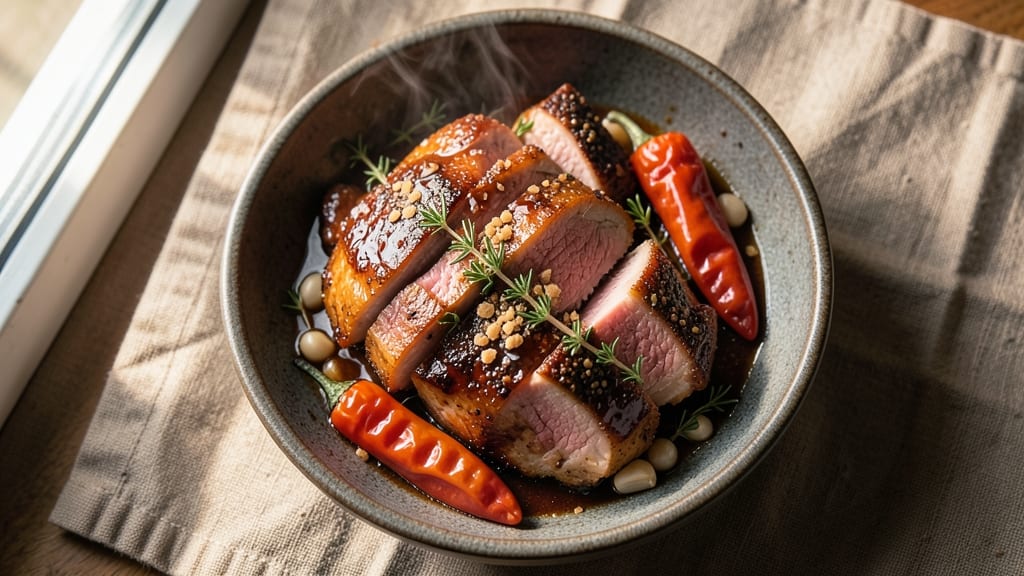
This Mo Bettahs pork recipe brings Jamaican fried pork to life with a fiery spice rub that transforms tough cuts into melt-in-your-mouth perfection. Growing up in Georgia, I learned how the right blend of Scotch bonnet peppers, thyme, and allspice could turn simple pork into a centerpiece dish.
The slow-cooked method ensures tender meat with just enough crispiness on the edges—no shortcuts, just tradition.
The magic starts with a dry rub that penetrates the meat over hours, creating layers of flavor that build with every bite. We're talking deep, smoky notes from the allspice, a hint of sweetness from the thyme, and that signature Jamaican heat from Scotch bonnet peppers—balanced just right.
This isn't your average pulled pork; it's a celebration of Caribbean roots with Southern technique.
By the time you're done, you'll have fork-tender pork that practically falls apart, coated in a caramelized crust from the rub. The aroma alone will have your whole house asking what's for dinner.
Serve it with festival (saltfish) for an authentic Jamaican spread or pair it with rice and peas for a complete meal that feels like a homecoming.
What makes this recipe special is how it bridges two culinary worlds—Jamaican boldness with Southern slow-cooking precision. The result? Pork so flavorful it becomes the star of any table, whether you're feeding a crowd or treating yourself to a special meal. Let's get cooking with this time-honored technique.
Ingredients for mo bettahs pork
Six ingredients transform tough pork into melt-in-your-mouth magic—Jamaican heat meets Southern slow-cooking.
| Ingredient | Amount | Notes |
|---|---|---|
| Pork Shoulder 🐖 | 4 lb | Bone-in for flavor, cut into 2-inch chunks |
| Scotch Bonnet Peppers 🌶️ | 2 whole | Seeds removed for less heat |
| Fresh Thyme 🌿 | ¼ cup | Stems removed, loosely packed |
| Ground Allspice 🌶️ | 2 tbsp | Freshly ground preferred |
| Garlic Cloves 🧄 | 8 cloves | Minced for rub |
| Brown Sugar 🍚 | ½ cup | Light or dark |
| Kosher Salt 🧂 | 2 tbsp | Diamond Crystal preferred |
| Ground Black Pepper 🌶️ | 1 tbsp | Freshly cracked |
| Olive Oil 🫒 | ¼ cup | For basting |
| Apple Cider Vinegar 🍎 | ¼ cup | For tangy balance |
| Onion Powder 🧅 | 1 tbsp | For depth |
| Ground Ginger 🌿 | 1 tsp | Freshly grated preferred |
| Bay Leaves 🍃 | 2 whole | For slow-cooking infusion |
The pork shoulder is your canvas here. Bone-in cuts from the butcher section (ask for a well-marbled piece) give you that deep, rich flavor. I always grab mine from Kroger or Publix—their pre-cut pork shoulders are perfect for this. If you're buying a whole shoulder, trim off any excess fat but leave some for flavor. The Scotch bonnet peppers? Caribbean markets or specialty stores are your best bet for fresh ones, but if you can't find them, habaneros work in a pinch (use half the amount). The thyme should smell vibrant—if it's wilted or smells dull, skip it. Freshness matters here.
No Scotch bonnet? Habanero or cayenne at half the amount gives you that Jamaican kick. Running low on fresh thyme? Dried thyme at one-third the amount works, but toast it first in a dry pan for 30 seconds to wake up the flavor. The allspice is non-negotiable—it's what gives this dish its signature smoky depth. If you can't find ground allspice, crush whole allspice berries (you can find them in Latin markets). For the brown sugar, muscovado sugar adds a caramel note, but regular light or dark works fine. The apple cider vinegar? Bragg or Texas Pete are my go-tos—they've got that tangy punch that cuts through the richness.
This rub keeps for 3 months in an airtight container, so make extra. The pork itself? 3-4 days in the fridge once cooked, or freeze for up to 6 months. I always portion mine into meal-sized containers—perfect for lunches or feeding unexpected guests. The leftovers reheat beautifully, but the first day is always the best. Trust me, the smell alone will have everyone asking what's for dinner.
Why You'll Love This Recipe
- One-Pot Magic: I swear by this—just toss the pork shoulder, bonnet peppers, and garlic in a pot, add the thyme and allspice, and let it slow down. No chopping, no fussing, no extra pans. That’s the kind of meal that makes me actually want to cook.
- Heat with Depth: The bonnet peppers bring the fire, but it’s the allspice and thyme that make this dish ridiculously good. Sweet, spicy, and earthy all at once—like a hug for your taste buds. (Yes, even on a Tuesday night.)
- Budget-Friendly Feast: Pork shoulder is cheap, and a single bonnet pepper (or even half) stretches the flavor across the whole dish. Honestly, it’s the kind of recipe that makes me feel like I’m feeding a crowd without breaking the bank. Win-win.
Step-by-step instructions for slow-cooked spice rub pork
Here's how to transform simple pork shoulder into fall-off-the-bone perfection.
Prepare the Pork Shoulder and Spice Rub
Start by cutting the 4 lb pork shoulder into 2-inch chunks—this ensures even cooking and maximum tenderness. Pat each piece dry with paper towels, which helps the rub adhere better and promotes crispier edges later. In a large bowl, combine the 2 whole Scotch Bonnet peppers (seeds removed), 0.25 cup fresh thyme, 8 minced garlic cloves, 0.5 cup brown sugar, 2 tbsp kosher salt, 1 tbsp ground black pepper, 2 tbsp ground allspice, 1 tbsp onion powder, and 1 tsp ground ginger. Pulse everything in a food processor until you get a fine, even powder.
Here's the thing—this spice blend is the soul of your pork. The Scotch Bonnet peppers bring heat, the brown sugar caramelizes for depth, and the allspice gives that warm, aromatic kick. Rub the mixture all over the pork chunks, pressing it into the meat so it sticks. Let the seasoned pork sit at room temperature for 30 minutes—this helps the spices penetrate deeper and ensures even cooking.
Slow-Cook Until Fork-Tender
Heat a Dutch oven or heavy pot over medium heat and add the 0.25 cup olive oil. Once the oil shimmers, add the pork in a single layer, letting it sear undisturbed for 3-4 minutes per side until deeply golden. This step builds flavor and locks in juices. Remove the pork and set it aside.
In the same pot, pour in the 0.25 cup apple cider vinegar and scrape up any browned bits from the bottom—this is where all the magic happens. Return the pork to the pot, add 2 whole bay leaves, and pour in just enough water to come about halfway up the meat. Bring to a gentle simmer, then reduce heat to low and cover. Let it cook for 4-5 hours until the pork is fork-tender. The key here is patience—slow cooking breaks down the collagen for that melt-in-your-mouth texture.
Finish with Crispy Edges and Rich Sauce
Once the pork is tender, increase the heat to medium-high and let the liquid reduce for 15-20 minutes, uncovered, until it thickens into a glossy sauce. This step concentrates the flavors and gives you that perfect glaze. Taste the sauce and adjust seasoning if needed—you might want to add a pinch more salt or a splash of vinegar for brightness.
Transfer the pork to a serving platter, spooning the reduced sauce over the top. Let it rest for 10 minutes before serving—this allows the juices to redistribute, ensuring every bite is moist and flavorful. The pork should have a deep mahogany crust from the caramelized spices, and the sauce should coat the back of a spoon with a perfect balance of sweet, tangy, and spicy notes.
Serve with Confidence
Slice the pork against the grain into ½-inch thick pieces for maximum tenderness. Serve immediately with the rich sauce spooned over the top. This dish pairs beautifully with steamed greens, roasted sweet potatoes, or even a simple side of white rice to soak up all that delicious sauce. The blend of Scotch Bonnet heat, sweet brown sugar, and tangy vinegar makes this pork unforgettable—every bite is a celebration of Caribbean flavors.
Pro Tips For Making Mo Bettahs Pork
- Char the Peppers First: Toss those Scotch Bonnets into a dry, screaming-hot pan for 30 seconds before chopping—burns off the raw heat and concentrates the flavor. I used to skip this and wondered why my pork always tasted like it needed more kick.
- Salt the Pork Like the Sea: Generously coat the pork shoulder with kosher salt before searing—at least 1 tablespoon per pound, rubbed in hard. This builds a crust that locks in moisture later, and trust me, dry pork is the last thing you want with all that spice.
- Don’t Rush the Allspice: Toast the ground allspice in the oil until it smells like a Caribbean Christmas—about 30 seconds past when you think it’s done. That deep, nutty aroma is what turns "meh" spice into "wow" flavor. (Yes, I’ve burned it. No, I won’t make that mistake again.)
- Save the Garlic Water: After mincing the garlic, rinse the cloves under cold water to remove any lingering bitterness—especially if they’re old. Strain the water, then use it to deglaze the pan after searing. It pulls out more flavor than plain oil ever could. (This is the move that makes non-believers nod in approval.)
Dietary considerations for mo bettahs pork
Gluten-Free Adaptations
This recipe is naturally gluten-free since it relies on fresh spices, herbs, and pork—no flour or gluten-containing ingredients are involved. The key is ensuring your spices and seasonings are certified gluten-free, especially if you purchase pre-ground allspice or thyme blends.
I always double-check labels at Whole Foods or Trader Joe's for their gluten-free spice lines. The brown sugar used should also be labeled gluten-free, as some brands process it in facilities with wheat. 🌱
Low-Sodium Options
If you're watching your sodium intake, reduce the 2 tbsp kosher salt to just 1 tbsp and boost flavor with extra apple cider vinegar or garlic. I also recommend using a low-sodium chicken or vegetable broth instead of water during the slow-cooking phase—it adds depth without extra salt.
For extra umami, add 1 tbsp soy sauce or coconut aminos to the cooking liquid. Trust me, your taste buds will thank you.
Spice Sensitivity Adjustments
Scotch bonnet peppers pack serious heat, so if you're sensitive to spice, reduce the amount to just 1 pepper or swap it for ½ habanero. For a milder version, remove the seeds entirely and add a pinch of sugar to balance the heat.
If you're avoiding allspice due to allergies, try 1 tsp cinnamon and ½ tsp nutmeg for a similar warm, aromatic profile. Always taste as you go—adjustments are easy when you're cooking!
Vegetarian/Plant-Based Substitutes
While this dish is pork-centric, you can create a plant-based version using extra-firm tofu or jackfruit as a meat substitute. Press and cube the tofu, then marinate it in the same spice rub for 2 hours before baking at 375°F for 25 minutes.
For jackfruit, drain and rinse a 20-ounce can, then shred it and cook it in the same manner as the pork. The key is to use a high-protein base like tofu or tempeh for texture. 🌱
Allergen-Friendly Swaps
If you're avoiding nuts, check your brown sugar for cross-contamination warnings—some brands process it in facilities with tree nuts. For a nut-free alternative, use coconut sugar, which adds a caramel note without allergen risks.
If you're sensitive to sulfites, opt for fresh thyme over dried, as many dried herbs are treated with sulfites. Always verify labels, especially for spices and vinegars, which can sometimes contain hidden allergens.
Keto-Friendly Modifications
This recipe is already keto-friendly since it's low in carbs and high in fat. Skip the brown sugar entirely and use 1 tbsp erythritol or monk fruit sweetener instead to maintain the caramelized crust.
The pork shoulder itself is packed with healthy fats, and the olive oil and vinegar used in cooking keep it aligned with keto principles. Just be mindful of portion sizes—stick to 4-6 oz per serving to stay within your macros. 💪
Nutrition facts
Frequently asked questions
Can I use regular bell peppers instead of Scotch bonnet?
Not for authentic flavor! Scotch bonnet peppers give Mo Bettahs its signature Jamaican heat and depth. For a milder version, use ½ habanero pepper (remove seeds) or 1-2 teaspoons of cayenne powder. The sweetness and complexity are key—don't skip the pepper entirely or you'll lose the dish's soul.
How do I prevent the pork from drying out during slow cooking?
Keep the liquid level halfway up the meat and never let it boil—simmering is key. Add a splash of apple cider vinegar or water every 30 minutes if needed. The 10-minute rest before serving also helps juices redistribute. For extra insurance, sear the meat first to lock in moisture.
What's the best way to store leftovers?
Store in an airtight container for 3-4 days in the fridge or freeze for up to 6 months. Reheat gently in a skillet with a splash of water or broth to restore moisture. The sauce thickens when chilled—just add a little water when reheating. For best texture, eat within 2 days.
Can I make this in a slow cooker instead of a Dutch oven?
Brown the pork first in a skillet, then transfer to your slow cooker with the sauce and liquid. Cook on low for 6-8 hours or high for 4-5 hours. The key is patience—slow cooking is what makes this pork tender. Just check for doneness with a fork before serving.
What's the secret to getting crispy edges?
Start with dry meat (pat it thoroughly) and use a hot Dutch oven for searing. The caramelized crust comes from the brown sugar and spices in the rub. For extra crisp, broil the pork for 2-3 minutes at the end—just watch it closely to avoid burning.