
Main Courses
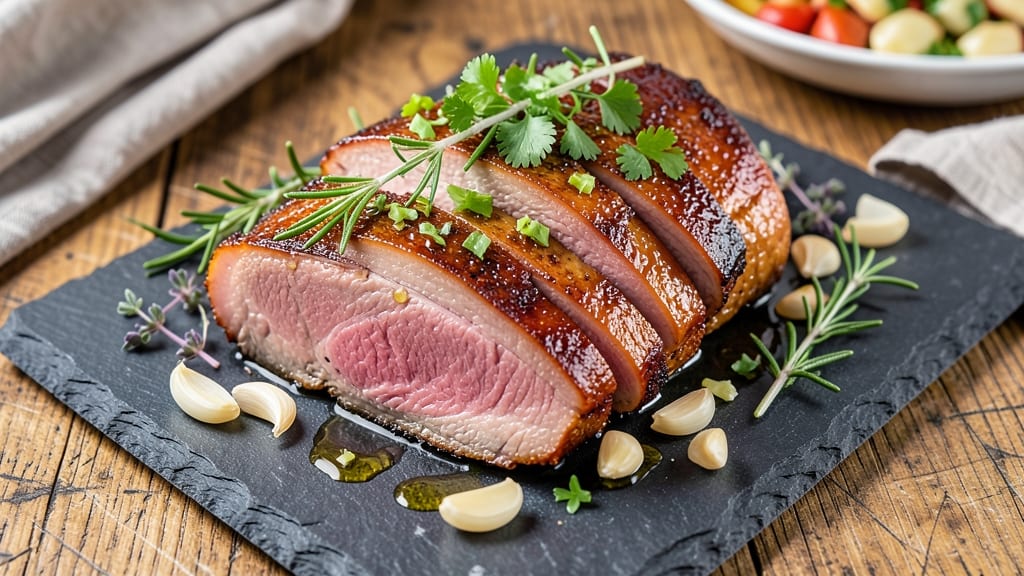
This 1 lb pork loin roast recipe delivers restaurant-quality results with a crispy herb crust and perfectly medium-rare center every time. 🔥 As someone who’s cooked thousands of pounds of pork weekly, I know the secret lies in precise temperature control and a flavorful crust that locks in juices.
The technique I’m sharing today—reverse searing with a fresh herb crust—transforms a simple pork loin into a showstopping main course.
The beauty of this method is its foolproof nature: you’ll achieve a golden, aromatic crust while maintaining that tender, juicy interior. No guesswork about doneness—just a reliable internal temperature guide and a simple herb blend that elevates the natural flavor of the pork.
What makes this recipe special is how it balances simplicity with professional results, making it perfect for both weeknight dinners and special occasions.
By the time you’re done, you’ll have a perfectly seared pork loin with a caramelized crust and a medium-rare core that’s tender enough to melt in your mouth. The herb crust adds layers of flavor without overpowering the meat, creating a dish that’s both elegant and satisfying.
This is the kind of pork roast that impresses guests and makes you feel like a chef.
Pair it with roasted root vegetables or a creamy mashed potato to complete the meal. The recipe scales beautifully, so you can adjust the cooking time slightly if using a larger cut. Let’s get started on creating a pork loin that’s worth every bite.
Ingredients for 1 lb pork loin roast
Restaurant-quality pork loin starts with these simple, flavor-packed ingredients.
| Ingredient | Amount | Notes |
|---|---|---|
| Pork Loin Roast 🐖 | 1 lb | Bone-in, center-cut preferred |
| Fresh Rosemary 🌿 | ¼ cup | Finely chopped, stems removed |
| Fresh Thyme 🌿 | ¼ cup | Leaves only, stems removed |
| Fresh Parsley 🌿 | 0.15 cup | Finely chopped, flat-leaf preferred |
| Garlic Cloves 🧄 | 6 cloves | Minced, for herb crust |
| Extra-Virgin Olive Oil 🫒 | 2 tbsp | For herb crust, fruity variety |
| Unsalted Butter 🧈 | ¼ cup | Cold, cubed for crust |
| Diamond Crystal Kosher Salt 🧂 | 1 ½ tsp | For crust, not table salt |
| Freshly Ground Black Pepper 🌶️ | 1 tsp | Cracked peppercorns preferred |
| All-Purpose Flour 🌾 | 1 tbsp | For dusting cutting board |
| Yellow Onion 🧅 | 1 whole | Thinly sliced, for garnish |
| Fresh Lemon Juice 🍋 | 1 tbsp | For finishing, brightens flavors |
The pork loin is everything here—bone-in, center-cut gives you the best flavor and moisture. Look for a piece with good marbling and bright red color. Whole Foods or your local butcher shop will have the best quality, but any reputable grocery store's meat department should carry a suitable cut. If you can't find bone-in, bone-out works too, but it'll cook slightly faster. Fresh herbs make all the difference—Trader Joe's sells great pre-washed bundles, but I always grab extra since they wilt fast. The key is using equal parts rosemary, thyme, and parsley for that classic herb blend.
No fresh rosemary? Dried works at half the amount, but trust me, fresh is worth the trip to the store. Short on butter? Olive oil only still works—just brush on an extra tablespoon. The garlic can be roasted ahead for extra sweetness (400°F for 10 minutes), but raw minced works fine too. For the crust, cold butter is non-negotiable—it creates those perfect golden flakes. If your kosher salt is clumpy, crush it with your hands before measuring. The lemon juice at the end? Always fresh—bottled won't cut it.
Pork loin keeps best in the coldest part of your fridge, wrapped in parchment paper. Use within 3 days for best quality. The herb crust components (butter, oil, herbs) can be mixed ahead and stored in the fridge for up to 2 days—just bring to room temp before using. Leftovers reheat beautifully—wrap in foil and warm in a 300°F oven for 15-20 minutes. Slice against the grain for maximum tenderness, and save any extra crust mix for roasted vegetables—it's that good.
Why You'll Love This Recipe
- One-Pan Magic: I swear by this—just sear the roast, toss in whole garlic cloves and sprigs of rosemary/thyme, then let the oven do the work. No chopping, no fuss, and the pan’s already half-cleaned when you’re done.
- Herb-Packed Punch: That crispy rosemary and thyme crust? It’s like a fragrant hug for your taste buds. The garlic infuses the meat so deeply, every bite tastes like it’s been kissed by a Mediterranean summer—no fancy marinade needed.
- Lunchbox Hero: Between us, this roast is my go-to for meal prep. Slice it thin, pack it with a sprinkle of parsley, and suddenly you’ve got a lunch that feels gourmet but costs next to nothing. (Yes, even on a Tuesday night.)
- Budget-Friendly Feast: A pound of pork loin stretches further than you’d think when you’re smart about it. Roast it once, then repurpose the leftovers into sandwiches, salads, or stir-fries—no waste, all flavor. My wallet thanks me every time.
Step-by-step instructions for herb-crusted pork loin roast
Here's how to achieve crispy herb crust and juicy pink centers every time.
👨🍳 Step 1: Prepare the Herb Butter Mixture
In a small bowl, combine the 0.25 cup unsalted butter, 0.25 cup fresh rosemary, 0.25 cup fresh thyme, 0.15 cup fresh parsley, 6 cloves minced garlic, 1.5 tsp diamond crystal kosher salt, and 1 tsp freshly ground black pepper. Use a fork to mash everything together until you get a chunky paste with visible herb pieces—this texture is key for maximum flavor transfer.
Let this mixture sit at room temperature for 10 minutes while you prep the pork. The butter should soften slightly but still hold its shape when pressed. This ensures it sticks beautifully to the pork instead of sliding off during roasting. I like to press the mixture into a flat disc shape with my fingers—it makes application much easier later.
🔪 Step 2: Prep and Season the Pork Loin
Pat the 1 lb pork loin roast completely dry with paper towels—this is non-negotiable for crispy crust. I press down hard all over, even in the crevices, until the surface feels completely dry. Dust the cutting board with 1 tbsp all-purpose flour to prevent slipping, then place the pork on top.
Spread the herb butter mixture evenly over the entire surface of the pork, pressing it in firmly with your fingertips. This step creates that signature crispy crust while keeping the interior juicy. Don't worry if it looks messy—we're going for maximum flavor contact. Let the seasoned pork sit uncovered in the fridge for 30 minutes while the oven preheats.
🔥 Step 3: Roast to Perfect Medium Rare
Preheat your oven to 425°F with the rack positioned in the middle. Place the pork loin on a wire rack set in a rimmed baking sheet—this allows air to circulate underneath for even cooking. Roast for 20 minutes to render the fat and get that initial crust started.
After 20 minutes, reduce the oven temperature to 325°F. Continue roasting until the internal temperature reaches 130°F (about 25-30 minutes more). For medium rare, you want the center to be 130-135°F—this is perfect for pork loin. The crust should be deep golden brown and crispy to the touch, while the interior remains tender and pink.
⏰ Step 4: Rest and Slice for Maximum Juiciness
Transfer the pork to a cutting board and tent loosely with foil. Let it rest for 15 minutes—this crucial step allows the juices to redistribute throughout the meat. I know it's tempting to cut into it immediately, but skipping this will result in dry slices. During resting time, thinly slice the 1 whole yellow onion for garnish and have ready the 1 tbsp fresh lemon juice for finishing.
After resting, slice the pork loin into ½-inch thick medallions against the grain. The slices should be tender yet still hold their shape, with a beautiful pink center. Drizzle each serving with 1 tbsp fresh lemon juice and top with the sliced onions. The acidity brightens the rich herb flavors while the onions add a touch of sharpness to balance the dish.
Pro Tips For Making 1 Lb Pork Loin Roast
- USE A MEAT THERMOMETER: I learned this the hard way—pork loin can look done on the outside but still be gray inside. Aim for 145°F internal temp (155°F if you prefer well-done), and don’t rely on guesswork. A cheap instant-read thermometer is worth every penny here.
- DRY THE ROAST WELL: Pat that pork loin down with paper towels before seasoning—moisture is the enemy of crust. I used to skip this, and my herbs would steam instead of stick. A dry surface means better browning and flavor.
- SKEWER GARLIC FIRST: Peel and poke whole garlic cloves into the roast before roasting, not after. They’ll infuse the meat as it cooks, giving you that rich, aromatic depth without burning. Crushed garlic? Save it for the pan.
- REST IT UNDER FOIL: After pulling it from the oven, tent that pork loin with foil and let it sit for 5-10 minutes. I know, you’re hungry now, but skipping this step means dry, stringy meat. The juices redistribute—trust the process.
Serving suggestions for this 1 lb pork loin roast
Classic Southern Sides
Nothing complements herb-crusted pork loin like creamy mashed potatoes with a touch of sour cream and chives.
I like to make mine with Yukon Gold potatoes boiled until tender, then mashed with ½ cup warm sour cream, 4 tbsp melted butter, and 2 tbsp finely chopped chives. The richness balances the pork's herbal notes perfectly.
For a Southern twist, serve with collard greens slow-cooked with apple cider vinegar and smoked paprika—the tangy greens cut through the richness beautifully. 🥔
Fresh Spring Vegetables
When spring vegetables are in season, I reach for asparagus and sugar snap peas—both roast up beautifully with the pork's herb crust.
Toss 1 bunch asparagus and 1 lb sugar snap peas with 1 tbsp olive oil, ½ tsp garlic powder, and ¼ tsp salt, then roast at 400°F for 12-15 minutes until tender-crisp. The bright, fresh flavors contrast the pork's richness without overpowering it.
For extra flair, finish with lemon zest and crumbled feta cheese.
Rich Gravy Pairing
For a restaurant-worthy finish, make a simple pork gravy using the pan drippings. After removing the pork, place the baking sheet on the stovetop over medium heat and add ½ cup beef stock (I use Kettle & Fire for depth).
Scrape up all the browned bits with a wooden spoon, then whisk in 1 tbsp cornstarch mixed with 2 tbsp cold water. Simmer until thickened—about 3-4 minutes. This gravy soaks up beautifully with buttery dinner rolls or crusty sourdough.
Light Summer Salad
When it's hot outside, I love serving this pork with a cucumber-avocado salad that keeps the meal light.
Dice 1 English cucumber and 1 avocado, then toss with 2 tbsp red wine vinegar, 1 tbsp extra-virgin olive oil, 1 tsp honey, and a pinch of salt. Add ¼ cup crumbled goat cheese and 2 tbsp chopped mint for brightness.
The cool, creamy textures refresh the palate after a rich pork roast. 🥒
Wine and Beer Pairings
A crisp Sauvignon Blanc from New Zealand—like Cloudy Bay—cuts through the pork's richness with its citrus and herbal notes. For beer lovers, a Belgian witbier such as Hoegaarden adds a refreshing contrast with its peppery, citrusy profile.
If you prefer red, a Pinot Noir from Oregon (like Domaine Serene) complements the herb crust beautifully without overpowering it. 🍷
Nutrition facts
Frequently asked questions
Why does the recipe call for resting the pork loin?
Resting the pork for 15 minutes after roasting is crucial for keeping it juicy. When you cut into meat immediately, all the juices rush to the surface and end up on your plate instead of staying inside. This step lets the meat fibers relax and redistribute those precious juices evenly throughout each slice. Trust me, skipping it means dry, disappointing pork!
Can I cook this pork loin to well-done instead of medium rare?
You can, but I don't recommend it for this cut. Pork loin is leaner than other roasts, so cooking it all the way to 160°F will make it dry and tough. If you prefer well-done, try a bone-in pork shoulder instead—it has more fat and connective tissue that stays tender at higher temperatures. For this recipe, stick with 130-135°F for perfect medium rare.
What if my pork loin has a thicker or thinner profile than 1 lb?
For every additional ½ inch of thickness, add 5 minutes to the roasting time. A 1.5 lb loin would need about 35-40 minutes total (20 minutes at 425°F, then 15-20 minutes at 325°F). Always use a meat thermometer—never guess! The 130-135°F guideline works for any size as long as you adjust for thickness.
How can I make this recipe ahead of time?
Prep the herb butter mixture and store it in the fridge for up to 2 days—just let it sit at room temperature for 10 minutes before using. For the pork itself, season it and refrigerate uncovered for up to 12 hours before roasting. The day-of cooking is still best, but you can par-cook it to 120°F (about 15 minutes at 325°F), then finish it at 425°F for 10 minutes before serving.
What's the best way to reheat leftovers?
Slice any leftovers and reheat in a skillet over medium-low heat with a splash of beef stock until warmed through (5-7 minutes). For whole slices, wrap them in foil and warm in a 300°F oven for 15-20 minutes. Never microwave—it makes the meat rubbery. The herb crust reheats beautifully this way, keeping that crispy texture while warming the interior.