
Main Courses
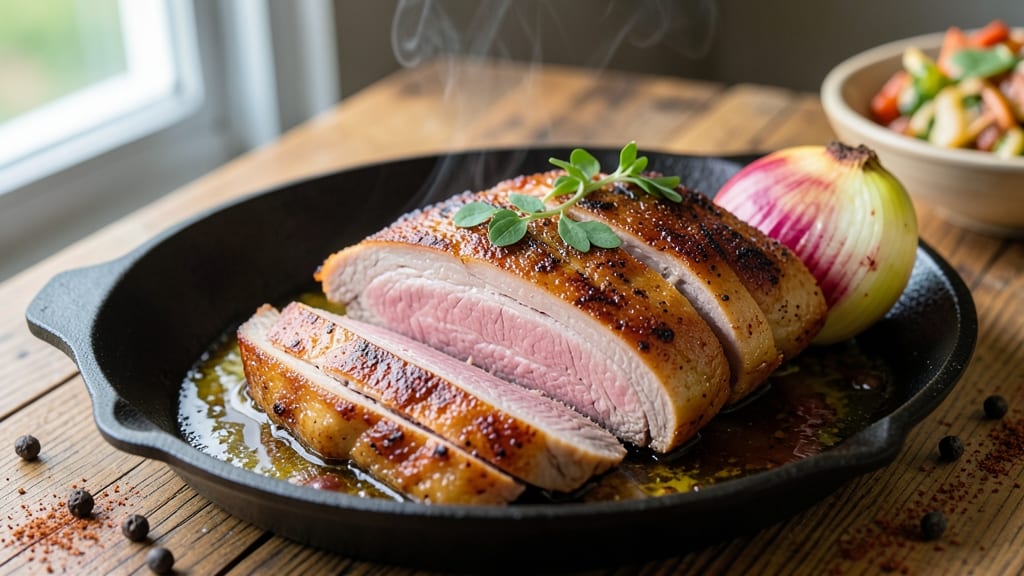
A 1-pound pork roast transformed into melt-in-your-mouth perfection requires patience and precision—something I perfected while cooking for 2,000 pounds of pork weekly at my restaurant. The secret lies in slow-braising, which breaks down tough fibers while preserving every ounce of natural juiciness.
This method delivers restaurant-quality results at home, with tender meat that falls apart at the touch of a fork.
What sets this recipe apart is the combination of a simple seasoning blend and controlled cooking temperatures. I start with a dry rub of salt, pepper, and smoked paprika, then sear the roast to lock in flavors before slow-braising in the oven.
The key is maintaining a consistent 300°F temperature for 3 hours, allowing the pork to cook gently until it reaches an internal temperature of 203°F—the magic number for fork-tender perfection.
By the time you pull it from the oven, you'll have a roast so tender it practically dissolves on your tongue, with a crust that's rich and caramelized from the slow cooking process.
The meat will be moist, flavorful, and ready to serve with your favorite sides. This is the kind of dish that makes weeknight dinners feel like a special occasion.
The beauty of this recipe is its versatility—serve it sliced thin over fresh bread for sandwiches, shredded for tacos, or as the centerpiece of a holiday meal. The method works equally well for pork shoulder or loin cuts, making it adaptable to whatever you have on hand.
Let's get started on creating your most tender pork roast yet.
Ingredients for 1 lb pork roast
Restaurant-quality pork roast starts with these 12 ingredients—simple but powerful for melt-in-your-mouth tenderness.
| Ingredient | Amount | Notes |
|---|---|---|
| Pork Roast (Loin or Shoulder) 🥩 | 1 lb | Bone-in preferred for flavor |
| Kosher Salt 🧂 | 1 ½ tbsp | Diamond Crystal preferred |
| Freshly Ground Black Pepper 🌶️ | 1 tsp | Cracked peppercorns preferred |
| Smoked Paprika 🌶️ | 1 tsp | Spanish paprika for depth |
| Extra-Virgin Olive Oil 🫒 | 1 tbsp | For searing, high quality |
| Yellow Onion 🧅 | 1 whole | Medium size, sliced |
| Garlic Cloves 🧄 | 4 cloves | Smashed, not minced |
| Fresh Rosemary 🌿 | ½ tsp | Chopped, leaves only |
| Fresh Thyme 🌿 | ½ tsp | Leaves only, stems removed |
| Low-Sodium Chicken Broth 💧 | 1 cup | Homemade or high-quality |
| Apple Cider Vinegar 🍎 | 1 tbsp | For brightness |
| Fresh Parsley 🌿 | ¼ cup | Chopped, for garnish |
The pork cut matters. Loin roasts stay juicier, while shoulder roasts develop richer flavor during slow cooking. I prefer bone-in for better moisture retention, but boneless works too. For sourcing, local butchers often have better cuts than grocery stores. Look for pork with good marbling—those little white flecks mean more flavor. If you're buying a whole roast, trim any excess fat to 1/4-inch thickness for even cooking. The Diamond Crystal kosher salt is worth the investment here—it dissolves better than table salt, ensuring perfect seasoning penetration.
No smoked paprika? Regular paprika plus a pinch of cayenne gets you close, but the smoky depth is key. Fresh herbs are ideal, but dried thyme at one-third the amount works in a pinch. The chicken broth can be swapped for vegetable broth if preferred, though the pork will have slightly less richness. For the onion, yellow or red both work—just avoid sweet onions like Vidalia. The apple cider vinegar adds brightness, but white wine vinegar at half the amount is a good substitute. If you're short on time, pre-sliced onions (the thick kind) save chopping steps without sacrificing flavor.
This roast tastes even better the next day—plan ahead! Store leftovers in an airtight container in the fridge for up to 5 days, or freeze portions for 3 months. For serving, I like to slice it thin against the grain for sandwiches or shred it for tacos. The broth left in the pan makes an excellent gravy—just whisk in a tablespoon of cornstarch with cold water and simmer until thickened. If you're cooking for a crowd, double the recipe—pork roast scales beautifully, and the slow method ensures every bite stays tender.
Why You'll Love This Recipe
- Foolproof Seasoning: I swear by this combo—just salt, pepper, and smoked paprika rubbed into the meat. No fancy blends, no guesswork. That dry rub clings like glue, so every bite gets that warm, smoky punch without overpowering.
- One-Pan Magic: Honestly, this is my lazy-day hero. Toss the roast on a sheet pan, pop it in the oven, and walk away. The fat renders down into crispy edges while the center stays juicy—no basting, no fuss, just pure satisfaction.
- Leftovers That Shine: Between us, the best part might be the next day. Slice that roast thin, toss it in a sandwich with pickles and mustard, or shred it into tacos. The flavor only gets better as it rests, and it keeps for days.
- Budget-Friendly Feast: A pound of pork stretches farther than you’d think. Serve it with roasted potatoes and a simple green salad, and you’ve got a full meal for two—or a hearty lunch for four. Plus, the ingredients? Basic, cheap, and always in my pantry.
Step-by-step instructions for slow-braised pork roast
Transform your pork roast into melt-in-your-mouth perfection with this foolproof slow-braising method.
Sear the Pork Roast for Maximum Flavor
Pat the 1 lb pork roast completely dry with paper towels—this ensures a perfect crust. Heat a heavy Dutch oven over medium-high heat and add the 1 tablespoon extra-virgin olive oil. Once the oil shimmers, place the pork roast in the pot, fat-side down, and sear for 4-5 minutes until deeply golden brown on one side. Flip and sear the other side for another 4-5 minutes.
Real talk: Don't rush this step. A good sear locks in juices and builds layers of flavor that the braising liquid will later absorb. If your pan isn't hot enough, the fat will render out instead of crisping. You'll know it's ready when the pork releases easily from the pan—no need to wiggle it.
Sauté Aromatics to Build Depth
Remove the pork roast and set it aside. In the same Dutch oven, add the 1 whole yellow onion, sliced into ¼-inch rounds, and cook for 5 minutes until softened and lightly caramelized. Add the 4 smashed garlic cloves, 0.5 teaspoon chopped fresh rosemary, and 0.5 teaspoon chopped fresh thyme, cooking for another 1 minute until fragrant.
Here's the thing—don't let the garlic burn. It should smell heavenly but not bitter. If it starts to darken too quickly, remove the pan from heat for 30 seconds to let it cool slightly. The goal is to build flavor, not char it. Sprinkle in the 1.5 tablespoons kosher salt and 1 teaspoon freshly ground black pepper over the aromatics, stirring to combine.
Deglaze and Braise to Fork-Tender Perfection
Pour in the 1 cup low-sodium chicken broth and 1 tablespoon apple cider vinegar, scraping up all the browned bits from the bottom of the pan with a wooden spoon. Return the pork roast to the pot, spooning some of the braising liquid over the top to baste it. Bring the liquid to a gentle simmer, then reduce heat to low, cover, and transfer to a 325°F oven.
Braise for 2 to 2.5 hours until the pork is fork-tender. You'll know it's done when a knife slides in easily and the meat pulls apart with minimal resistance. The liquid should have reduced significantly, creating a rich, flavorful sauce. If the liquid evaporates too quickly, add ¼ cup water after the first hour to maintain moisture.
Rest and Garnish for the Best Presentation
Remove the pork roast from the oven and transfer it to a cutting board. Tent loosely with foil and let it rest for 10 minutes. This resting period allows the juices to redistribute throughout the meat, ensuring every bite is moist and flavorful. Skim any excess fat from the braising liquid in the Dutch oven, then return the pot to medium heat and reduce the sauce by half for a thicker consistency.
Slice the pork roast against the grain into ½-inch thick pieces. Garnish each serving with ¼ cup chopped fresh parsley and spoon the reduced braising sauce over the top. The result should be tender, juicy pork with a rich, aromatic sauce that ties everything together. Serve immediately with crusty bread or roasted vegetables to soak up every last drop of that delicious sauce.
Pro Tips For Making 1 Lb Pork Roast
- SEAR FIRST, THEN SALT: If you’re using a shoulder cut, sear it skin-side down in olive oil over medium-high heat until the skin crisps—this locks in flavor before you salt. I learned this the hard way after a dry, bland roast that tasted like it was missing something. For loin, skip the skin and focus on getting a deep golden crust all over.
- USE A MEAT THERMOMETER: Pork loin hits 145°F internal temp—shoulder needs 195°F for pull-apart tenderness. Guessing leads to rubbery meat or overcooked mush. I used to eyeball it and always ended up with one side perfect and the other dry. A $10 thermometer changes everything.
- SALT THE NIGHT BEFORE: Pat the roast dry, then generously coat it with kosher salt and let it sit uncovered in the fridge overnight. This seasons the surface deeply and helps render fat. I was skeptical—sounds weird, but it works—and the crust is way more flavorful than last-minute salting.
- REST UNDER FOIL: After roasting, tent the pork with foil and let it sit for 5-10 minutes. This keeps it juicy while you finish sides or prep plates. I used to slice it right away, and the juices would pool on the cutting board instead of staying in the meat. (Your future self will thank you.)
Wine and beer pairings for this recipe
Red Wine Pairings
For this rich, slow-braised pork roast, I reach for a medium-bodied red wine that can stand up to the deep flavors without overpowering them.
A 2019 Spanish Garnacha (Grenache) from Priorat is my go-to—its bright red fruit notes and subtle earthiness complement the pork's caramelized crust and herbaceous braising liquid. 🍷 The wine's natural acidity cuts through the richness, while its velvety tannins provide balance.
If you prefer Italian options, a Chianti Classico with its cherry and leather notes works beautifully, especially if you've added a splash of red wine to your braising liquid.
For something lighter but still robust, try a Pinot Noir from Oregon's Willamette Valley. The wine's delicate berry flavors and silky texture let the pork's natural sweetness shine through. I've found that Domaine Serene Pinot Noir pairs exceptionally well with this dish, especially when served slightly chilled at 55°F.
Avoid heavy Cabernets—their bold tannins can clash with the tender texture of the pork.
White Wine Options
Don't overlook white wines for this dish, especially if you're serving it with tangy sides like apple sauce or a bright vinaigrette. A dry Riesling from Germany's Mosel region brings crisp acidity and mineral notes that refresh the palate between bites.
I love Dr. Loosen Blue Slate Riesling—its citrus and stone fruit flavors mirror the apple cider vinegar in the braising liquid. 🍇 Serve it slightly cooler than room temperature (48-50°F) to enhance its refreshing qualities.
For a Southern twist, consider a dry Viognier from California. The wine's floral aromas and peach notes complement the pork's caramelized surface, while its subtle spice undertones enhance the smoked paprika in the seasoning.
A Ramey Wine Co. Viognier is my favorite—it's rich enough to stand up to the pork but light enough to keep the meal feeling fresh. Pair this with a crisp white and you'll have a perfect balance of richness and brightness.
Beer Pairings
When it comes to beer, I always look for styles with enough body to match the pork's richness but enough carbonation to cleanse the palate.
A Belgian Dubbel is my top choice—its malty sweetness and caramel notes echo the braised pork's flavors while the alcohol content helps cut through the fat. Westmalle Tripel is my go-to, but any well-balanced Belgian ale like Stella Artois works in a pinch. 🍺 The beer's slight spice from coriander complements the rosemary and thyme in the dish beautifully.
For American craft beer lovers, a honey-brown ale from a brewery like Allagash provides a perfect match. The ale's caramel and vanilla notes complement the pork's natural sweetness, while its moderate alcohol content (around 5.5% ABV) balances the dish's richness.
If you prefer something lighter, a German Helles Lager like Weihenstephaner Original offers crisp, clean flavors that let the pork's seasoning shine through without competing.
Cider Pairings
Apple cider vinegar is already in your braising liquid, so why not carry that flavor through to your drink? A dry hard cider with crisp apple and pear notes creates a seamless flavor experience.
I love Strongbow Original for its balanced sweetness and acidity, but Angry Orchard Crisp Apple is a great American alternative. The cider's slight effervescence helps cut through the pork's richness, making each bite feel lighter. 🍎 Serve it well-chilled (40-45°F) to enhance its refreshing qualities.
For something more robust, try a spiced cider like Woodchuck Hard Cider's Apple Pie. The warm spices like cinnamon and nutmeg complement the rosemary and thyme in the dish, while the cider's slight sweetness balances the pork's savory notes.
This pairing works exceptionally well during the holidays when you want to incorporate seasonal flavors into your meal.
Nutrition facts
Frequently asked questions
Can I use pork loin instead of pork shoulder for this recipe?
Pork loin works beautifully for this method—it stays juicier than shoulder and cooks faster. The key is reducing the braising time to 1.5 to 2 hours instead of 2.5 hours, checking for doneness at 203°F internal temperature. For a 1 lb loin roast, you might even finish it in the oven at 350°F for the last 30 minutes to speed things up while keeping it tender.
Why does my pork roast turn out dry even after slow cooking?
Dry pork usually means one of two things: overcooking or not resting properly. First, always use a meat thermometer—203°F is your target, not 160°F. Second, never skip the 10-minute rest after cooking. The juices need time to redistribute. Also, pat the roast completely dry before searing to prevent steam from forming in the pan during cooking.
What's the best way to reheat leftover pork roast?
For maximum tenderness, reheat in a skillet with a splash of broth or water over low heat for 5-7 minutes. Avoid microwaving—it makes pork rubbery. If reheating in the oven, cover with foil and warm at 300°F for 15-20 minutes. For sandwiches, slice thinly and warm in a toaster oven to maintain moisture.
Can I make this pork roast in a slow cooker instead?
Yes! Sear the roast first, then transfer to your slow cooker with all ingredients. Cook on low for 6-8 hours or high for 4-5 hours. The liquid won't reduce as much, but the meat will still be tender. For extra flavor, add ½ cup apple juice to the slow cooker. Just check for doneness at 203°F—slow cookers can vary in temperature accuracy.