
Main Courses
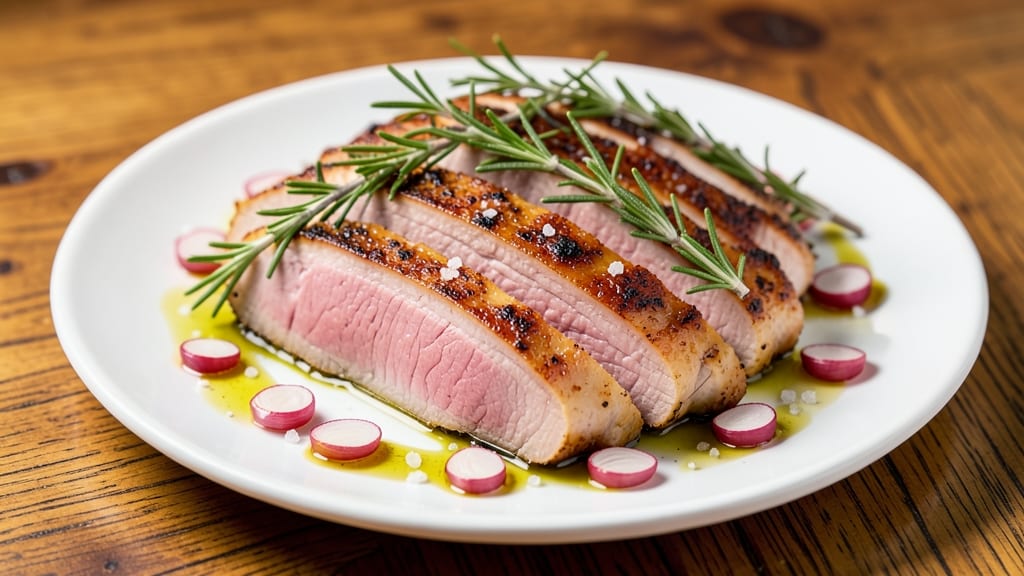
This 2 lb boneless pork loin roast recipe delivers restaurant-quality results with a herb-crusted exterior and a perfectly medium-rare core—every time. 🔥 After years of perfecting pork roasts in my Charleston kitchen, I’ve cracked the code for tender, juicy meat with a flavorful crust that holds up to slicing.
The secret lies in a precise balance of seasoning, cooking time, and resting—critical steps most home cooks overlook. What sets this recipe apart is the herb crust, a blend of fresh rosemary, thyme, and garlic that forms a fragrant, golden-brown seal while keeping the interior tender.
Unlike tough, overcooked pork, this method ensures a juicy, melt-in-your-mouth texture with a crisp exterior—just like the roasts I’ve served at The Smoky Pig. The key is cooking to an internal temperature of 145°F, then letting it rest for 10 minutes before slicing.
By the time you serve this roast, your dinner table will smell like a Southern feast, with slices that glisten under the light and release aromatic herbs at every bite. The crust stays intact, so each portion delivers that perfect combination of savory, herby richness and tender perfection.
This is the pork roast I wish I’d had growing up in Georgia—simple enough for weeknights but impressive enough for guests. Pair it with garlic mashed potatoes or a roasted apple compote to round out the meal. Here’s how to achieve it at home—no fancy equipment required. Let’s get started.
Ingredients for 2 lb boneless pork loin roast
Herb-infused pork loin with a golden crust and juicy core—no fancy tools needed.
| Ingredient | Amount | Notes |
|---|---|---|
| Boneless Pork Loin Roast 🥩 | 2 lb | Center-cut for best tenderness |
| Fresh Rosemary 🌿 | ¼ cup | Finely chopped, stems removed |
| Fresh Thyme 🌿 | 0.15 cup | Leaves only, packed |
| Garlic Cloves 🧄 | 6 cloves | Minced, not pressed |
| Olive Oil 🫒 | ¼ cup | Extra-virgin for richness |
| Kosher Salt 🧂 | 1 ½ tsp | Diamond Crystal preferred |
| Freshly Ground Black Pepper 🌶️ | 1 tsp | Coarsely cracked |
| Dried Mustard Powder 🌶️ | 1 tsp | For subtle depth |
| All-Purpose Flour 🌾 | 1 tbsp | For dusting crust |
| Unsalted Butter 🧈 | 2 tbsp | Softened for crust |
| Apple Cider Vinegar 🍎 | 1 tbsp | For tenderizing |
| Fresh Parsley 🌿 | 0.1 cup | Chopped, for garnish |
The pork loin is the star, so center-cut is non-negotiable—it's more tender and holds its shape better. Look for a roast with good marbling (those little white streaks of fat) at Kroger or Whole Foods—they usually carry high-quality cuts. If you're unsure, ask the butcher for the most tender section. The herbs? Fresh is essential—dried won't give that same fragrant crust. I grab mine from the grocery store's produce section, but if you're in Charleston, Harbinger Farm has the best rosemary you'll ever taste. Store the roast uncovered in the fridge for 1-2 days max—it keeps best when exposed to air.
No fresh rosemary? Dried at half the amount works in a pinch, but trust me, it won't be the same. Short on thyme? Fresh oregano is a good swap, though the flavor profile shifts slightly. The apple cider vinegar might seem odd, but it's key for breaking down fibers and keeping the meat tender. If you don't have it, lemon juice at the same amount works too. For the crust, don't skip the butter—it adds richness and helps the herbs stick. And if you're worried about the roast drying out, brining it overnight (1 cup water + 1/4 cup salt) is a game-changer. Just pat it very dry before seasoning.
This roast reheats beautifully—just warm it in the oven at 300°F for 15 minutes covered with foil. The crust stays intact, so you won't lose that golden crunch. For leftovers, store in an airtight container for 3-4 days or freeze for up to 3 months. I like to slice it thin and serve with the pan juices reduced by half for a quick gravy. The herb crust freezes well too, so if you make extra, portion it into single-serving bags—perfect for quick weeknight dinners. Just thaw overnight in the fridge before reheating.
Why You'll Love This Recipe
- Foolproof Timing: I swear by this recipe because it’s predictable—no guessing. A 2 lb pork loin roast hits that perfect medium-rare (145°F internal temp) in about 35 minutes, start to finish. That’s less time than it takes to debate what’s for dinner.
- Herb-Crusted Magic: Between us, the rosemary and thyme aren’t just garnish—they stick to the meat like a flavor hug. A quick sear in olive oil locks in those aromatics, and by the end, you’ve got that crispy edge with the creamy center. (Yes, even on a Tuesday night.)
- Leftovers That Beg: This roast makes exactly the right amount for two meals—one for tonight, one for tomorrow’s sandwiches or salads. Honestly, the slices reheat better than takeout, and my kids actually ask for it the next day.
- Budget-Friendly Feast: A single 2 lb roast feeds four without breaking the bank, and the ingredients? Rosemary, thyme, garlic—stuff I already have. No fancy marinades or specialty tools, just solid flavor that makes it feel like a splurge. My secret weapon.
Step-by-step instructions for herb-crusted pork loin roast
Here's how to achieve a perfectly medium-rare center with a fragrant herb crust every time.
👨🍳 Step 1: Prep the Pork with Vinegar Marinade
Place the 2 lb boneless pork loin roast in a shallow dish and pour the 1 tablespoon apple cider vinegar over it. This tenderizing step works its magic while you prep the rest. Let it sit uncovered in the refrigerator for 30 minutes—this time allows the vinegar to penetrate the meat without over-tenderizing.
While it marinates, finely chop the 0.25 cup fresh rosemary and 0.15 cup fresh thyme, removing stems completely. Mince the 6 cloves garlic—you want tiny, even pieces that will distribute evenly in the crust. The reason for this prep work now is that fresh herbs lose moisture quickly when exposed to air, so we want them at their peak when we mix them with the other ingredients.
🍳 Step 2: Create the Herb Butter Crust
In a small bowl, combine the 2 tablespoons softened unsalted butter, 1 tablespoon all-purpose flour, 1.5 teaspoons kosher salt, 1 teaspoon freshly ground black pepper, and 1 teaspoon dried mustard powder. Mix until you have a crumbly, evenly distributed paste. This is the foundation of your crust—each component plays a role: the butter creates richness, the flour helps bind, and the spices add depth.
Add the chopped rosemary, thyme, and minced garlic to the butter mixture. Stir well to distribute the herbs evenly. Then add 0.25 cup olive oil and mix until you have a thick, spreadable paste. The texture should be like wet sand—cohesive but still workable. If it's too dry, add a teaspoon of water; if too loose, add a pinch more flour. This herb butter will create that signature crust we're after.
🔥 Step 3: Sear and Roast to Perfect Medium Rare
Preheat your oven to 400°F. Heat a large oven-safe skillet over medium-high heat until very hot. Pat the pork dry with paper towels—this is critical for achieving that beautiful crust. Place the pork in the skillet and sear on all sides for 2-3 minutes per side until deeply golden brown. You're looking for a rich, caramelized crust that develops quickly at this temperature.
Remove the skillet from heat and carefully spread the herb butter mixture evenly over the entire surface of the pork, pressing gently to help it adhere. Transfer the skillet to the preheated oven and roast for 20-25 minutes for a medium-rare center (internal temperature 135-140°F). The pork will continue cooking slightly after removal, so pull it out when it reaches the lower end of this range.
⏰ Step 4: Rest and Garnish for Serving
Transfer the pork to a cutting board and tent loosely with aluminum foil. Let it rest for 10-15 minutes—this crucial step allows the juices to redistribute throughout the meat. The internal temperature will rise about 5°F during resting, so don't cut into it too soon. Patience here ensures each slice remains juicy and tender.
While it rests, chop the 0.1 cup fresh parsley finely. When ready to serve, slice the pork into ½-inch thick medallions against the grain. Arrange on a platter, drizzle with any pan juices from the skillet, and sprinkle generously with the chopped parsley. The result should be a beautifully browned crust with fragrant herbs, perfectly pink and tender meat, and bright parsley for color contrast.
Pro Tips For Making 2 Lb Boneless Pork Loin Roast
- CRANK THE OVEN HIGH FIRST: I used to start pork loin at 350°F and wonder why it felt dry—then I realized boneless cuts need a hot blast to render fat fast. Sear it uncovered at 425°F for 10 minutes first, then drop to 325°F. That crust locks in moisture better than slow cooking ever will.
- SMASH THOSE GARLIC CLOVES: Whole garlic cloves? Please. Mince those cloves fine—like you’re angry at them—and let them sit in the olive oil for 5 minutes before adding the pork. That’s when the flavor actually wakes up. (Yes, even if you’re impatient like me.)
- DON’T CUT THE HERBS TOO SMALL: Fresh rosemary and thyme lose their punch when you pulverize them. Roughly chop the stems (leave them ¼-inch long) and scatter them on top of the pork, not buried under. They’ll crisp slightly and perfume the meat without turning it into herby mush.
- LET IT REST—OR REGRET IT: I learned this the hard way—slicing pork loin right off the pan turns it into a sad, stringy mess. Give it a solid 5-10 minutes under foil before cutting, even if you’re starving. The juices redistribute, and your knife won’t fight you. (Your future self will thank you.)
Regional styles of this dish
Southern Georgia Style
In my hometown of Georgia, pork loin roasts are all about smoky-sweet simplicity—think brown sugar glaze instead of herb crusts. I still remember my grandma's method: rub the roast with 1 cup brown sugar, 1 tbsp smoked paprika, and 1 tsp cayenne, then roast until caramelized.
The key difference? We serve it with collard greens and cornbread—classic Southern sides that balance the richness. For a modern twist, add ½ cup crushed pecans to the crust for crunch. 🌶️
Charleston Lowcountry Twist
Charleston chefs take pork loin to another level with shrimp and okra—yes, really! After roasting the loin with the herb crust, I deglaze the pan with ½ cup shrimp stock and toss in 1 cup sliced okra and ½ cup peeled shrimp for the last 5 minutes of cooking.
The briny shrimp and tender okra create a stunning presentation. Serve with she-crab soup on the side for that true Lowcountry experience. 🦞
Atlanta BBQ Pitmaster Style
At The Smoky Pig, we don't just roast pork—we smoke it first for depth. Before crusting, I wrap the loin in butcher paper and smoke it at 225°F for 1 hour with hickory and cherry wood chips. After smoking, apply the herb butter crust and finish in the oven.
The result? A dual-textured roast with smoky undertones and herby brightness. For sides, we serve mac and cheese and pickled jalapeños—a crowd-pleaser that screams Atlanta. 🔥
Southeast BBQ Circuit Adaptation
The BBQ circuit judges love this roast competition-ready: wrap the crust in aluminum foil during the last 10 minutes of roasting to trap steam and maximize tenderness. For a spicy kick, add 1 tbsp hot honey to the crust mixture.
At competitions, I always bring extra herb butter for judging—it's a game-changer for presentation. Pair with baked beans and corn on the cob for a full circuit-style spread. 🏆
Heritage Pig Farm Version
Using my Gloucestershire Old Spots pork changes everything—the meat is leaner but packed with flavor. For this cut, I reduce the olive oil to 2 tbsp and add 1 tbsp apple cider vinegar to the crust for extra moisture.
The result? A firmer crust that stays intact when slicing. Serve with roasted sweet potatoes and sautéed kale to highlight the pork's natural richness. Trust me, heritage pork deserves this treatment. 🐷
Nutrition facts
Frequently asked questions
What's the best way to check doneness in a pork loin roast?
Use a meat thermometer to check the internal temperature—pork loin is safe at 145°F for medium-rare. Insert the probe into the thickest part, avoiding bone or fat. The meat will rise another 5°F while resting, so pull it out at 140°F for perfect medium-rare. Never rely on color alone, as pork can stay pink even when fully cooked.
Can I cook this recipe without an oven-safe skillet? If you don't have an oven-safe skillet, sear the pork in a regular skillet over medium-high heat until golden, then transfer it to a baking dish. Spread the herb butter evenly and roast at 400°F for 20-25 minutes. The texture and flavor will be just as delicious—just
How far ahead can I prep the herb butter crust?
You can mix the herb butter crust up to 24 hours ahead and store it in an airtight container in the fridge. Bring it to room temperature before using, and give it a quick stir to rehydrate. For the pork itself, prep the vinegar marinade and chop the herbs, but don't apply the crust until you're ready to cook—this keeps everything fresh and flavorful.
What if my pork loin is thicker or thinner than 2 lbs?
Adjust cooking time based on thickness: 1-inch thick roasts cook in 20-25 minutes, while 1.5-inch thick pieces may need 25-30 minutes. For thinner cuts, reduce time by 5 minutes. Always use a meat thermometer to guide you—this ensures perfect doneness regardless of size. The herb crust will adapt beautifully to different thicknesses.
Why does my pork loin turn out dry?
Overcooking is the #1 cause of dry pork loin. Always cook to 145°F internal temp and rest for 10-15 minutes—this redistributes juices. Also, pat the meat dry before searing (this creates a better crust) and avoid cutting into it too soon. For extra moisture, try brining the pork overnight before cooking. The herb butter crust helps seal in juices too!