
Main Courses
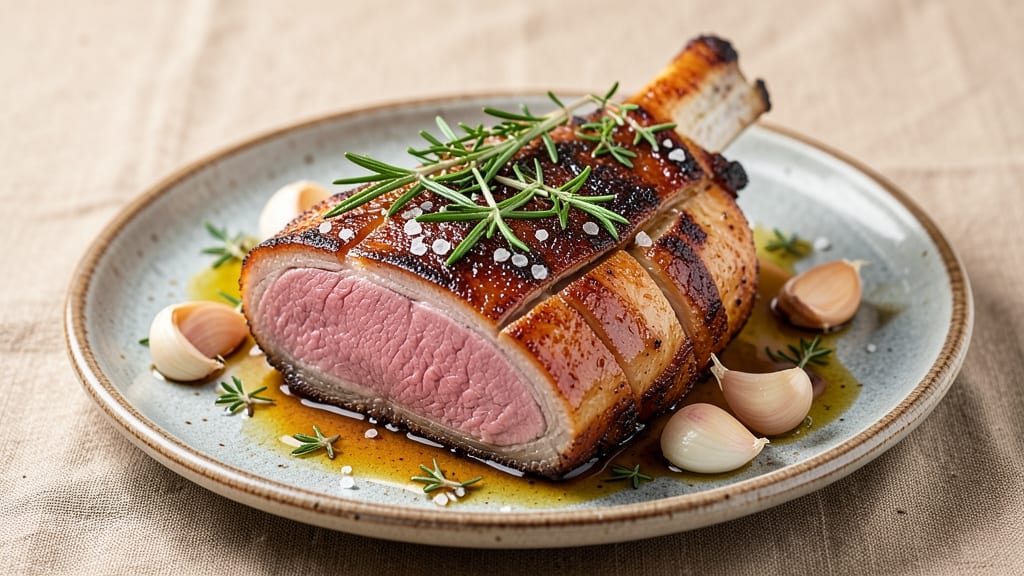
The 4-pound pork loin recipe I'm about to share delivers a showstopping herb-infused roast with a perfect medium-rare core—no guessing, no overcooking, just restaurant-quality results at home.
This is the technique I've perfected over years of cooking 2,000 pounds of pork weekly at my restaurant, where precision and juiciness are non-negotiable. The secret lies in a simple herb blend and careful temperature control that transforms even the toughest cuts into tender, flavorful perfection.
What sets this recipe apart is the foolproof method that ensures every bite stays juicy while developing a beautiful crust. We'll start with a dry brine that locks in moisture, then roast the pork to 145°F internal temperature—the ideal point for medium-rare pork that's safe yet tender.
The herb infusion (rosemary, thyme, garlic) adds aromatic depth without overpowering the natural pork flavor, creating a roast that's elegant enough for dinner parties but simple enough for weeknight dinners.
By the time you're done, you'll have a golden-brown, herb-scented roast with a pink center that slices effortlessly. The crust will be crisp enough to hold its shape, while the interior remains velvety and rich.
This isn't just another pork recipe—it's a technique that transforms a basic cut into something special, proving that perfect results don't require complicated methods. The best part? It comes together in under two hours with minimal hands-on time.
Serve with roasted potatoes, caramelized onions, or a simple green salad to complete the meal. The leftovers reheat beautifully too—just slice and warm gently in the oven to maintain that perfect texture.
This is the kind of pork roast that makes people ask, "How did you make it so good?" Let's get started with the ingredients and techniques that will make all the difference.
Ingredients for 4 pound pork loin
The ingredients you need to create a showstopping herb-infused pork loin with perfect medium-rare core every time.
| Ingredient | Amount | Notes |
|---|---|---|
| Pork Loin (Bone-In) 🥩 | 4 lb | Center-cut, 1.5-inch thick |
| Kosher Salt 🧂 | 1 ½ tbsp | Diamond Crystal preferred |
| Fresh Rosemary 🌿 | ½ cup | Chopped, stems removed |
| Fresh Thyme 🌿 | ¼ cup | Stems removed, leaves only |
| Garlic Cloves 🧄 | 8 cloves | Peeled, smashed lightly |
| Extra-Virgin Olive Oil 🫒 | 2 tbsp | High-quality, fruity |
| Black Peppercorns 🌶️ | 1 ½ tsp | Freshly cracked |
| Fresh Parsley 🌿 | ¼ cup | Chopped, for garnish |
| Yellow Onion 🧅 | 1 whole | Thinly sliced, for serving |
| Russet Potatoes 🥔 | 3 lbs | Cut into 2-inch chunks |
| Unsalted Butter 🧈 | ½ cup | Melted, for potatoes |
| Fresh Sage Leaves 🌿 | ⅛ cup | Chopped, for potatoes |
The pork loin is the star—center-cut and bone-in for maximum flavor and even cooking. Grab one from the butcher counter at Whole Foods or your local specialty grocer, where they'll trim it for you. Look for good marbling and even thickness—1.5 inches is ideal. Fresh herbs are non-negotiable here: rosemary, thyme, and parsley from the grocery store's produce section (not the sad little plastic containers). The garlic should be plump and firm, not sprouting—store-bought jars work fine. For the potatoes, Russets
No fresh rosemary? Dried works at half the amount, but trust me—fresh is worth the trip to the store. Running low on thyme? Oregano or marjoram in a pinch, though the flavor will be slightly different. The olive oil should be extra-virgin and fruity—none of that cheap stuff. For the potatoes, if you can't find fresh sage, dried sage at one-third the amount gets you close. The butter for the potatoes? Full-fat is a must—none of that low-fat nonsense here. And if you're out of kosher salt, sea salt in a 1:1 ratio works perfectly. Every ingredient here is chosen to elevate the pork's natural flavors without overpowering them. The pork loin keeps beautifully—3-4 days in the fridge if wrapped tightly in parchment and foil. For longer storage, freeze for up to 3 months by vacuum-sealing or wrapping in heavy-duty foil. The herb mixture can be prepped a day ahead and stored in an airtight container. Potatoes? Roast them the same day as the pork for best texture, but you can prep them ahead and reheat gently in the oven. Leftovers reheat best at 350°F for 15 minutes, covered loosely with foil. This roast is so good it practically reheats itself—just slice and warm through.
Why You'll Love This Recipe
- One-Pan Magic: I swear by this recipe when I’m too tired to scrub pots—just salt, herbs, and garlic on a bone-in loin, then roast until golden. The bone renders flavor into the meat, and cleanup? One sheet pan, one spatula, done.
- Herb-Crusted Perfection: That crispy rosemary-thyme crust with garlic cloves tucked into slits? It’s the kind of flavor that makes people pause mid-bite. Honestly, I’ve had guests ask for the recipe after one slice—no exaggeration.
- Leftovers That Shine: Roast half, refrigerate the rest, and slice it cold for sandwiches or salads all week. The meat stays juicy, and the crust holds up beautifully—better than takeout, and way cheaper.
- Weeknight Crowd-Pleaser: Feed six without stress—this feeds a family or impresses dinner guests with zero fuss. (Yes, even on a Tuesday night.) The bone-in version stays moist, and the aroma alone fills the house with warmth.
Step-by-step instructions for herb-infused pork loin roast
Here's how to achieve a stunning herb-crusted pork loin with a medium-rare core that's juicy inside and beautifully caramelized outside.
Prepare the Pork Loin with Herb Crust
Remove the pork loin from the refrigerator and let it sit at room temperature for 30 minutes—this ensures even cooking. Pat the entire surface completely dry with paper towels, including the cavity. Moisture is the enemy of a good crust, so take your time here.
In a small bowl, combine the 0.5 cup fresh rosemary, 0.25 cup fresh thyme, 8 cloves garlic, 1.5 tbsp kosher salt, and 1.5 tsp cracked black peppercorns. Using your hands, thoroughly mix these aromatics into a paste—this ensures even distribution of flavor. Rub this mixture all over the pork loin, pressing firmly so the herbs adhere. Don't forget to season the cavity as well.
Next, heat a large oven-safe skillet over medium-high heat and add the 2 tbsp extra-virgin olive oil. Once the oil shimmers, carefully place the pork loin in the skillet, fat-side down. Let it sear undisturbed for 5-6 minutes until a deep golden crust forms. Flip the pork loin and sear the other side for another 4-5 minutes. This initial searing locks in juices and creates that coveted caramelized exterior.
Roast to Perfect Medium-Rare
Preheat your oven to 375°F while the pork loin is searing. Once the pork has developed a good crust on both sides, transfer the skillet to the preheated oven. Roast the pork loin for 20-25 minutes, or until the internal temperature reaches 130°F at the thickest part of the meat.
Here's the thing—pork loin cooks differently than other cuts. You want that medium-rare core, which is why we stop at 130°F. The meat will continue to rise a few degrees as it rests, giving you that perfect medium-rare texture. Use a meat thermometer for accuracy—guessing leads to overcooked, dry pork.
While the pork loin roasts, prepare the potatoes. In a large bowl, toss the 3 lbs russet potatoes with the 0.5 cup melted unsalted butter and 0.125 cup chopped fresh sage leaves. Spread them on a separate baking sheet and roast alongside the pork loin for the same 20-25 minutes, until the potatoes are tender and golden.
Rest and Slice for Maximum Juiciness
Remove the pork loin from the oven and transfer it to a cutting board. Tent loosely with aluminum foil and let it rest for 15 minutes—this resting period is absolutely critical. It allows the juices to redistribute throughout the meat, ensuring every slice is moist and flavorful.
While the pork rests, finish the potatoes. Toss them with the 1 whole thinly sliced yellow onion and return them to the oven for an additional 5 minutes to caramelize the onions slightly. This adds another layer of flavor to your dish.
After the resting period, slice the pork loin against the grain into ½-inch thick slices. The grain direction will be visible as you cut—you're looking for those long muscle fibers. Arrange the slices on a platter, drizzle with any accumulated pan juices from the skillet, and garnish with the 0.25 cup chopped fresh parsley. Serve immediately with the roasted potatoes and caramelized onions for a restaurant-quality meal.
Pro Tips For Making 4 Pound Pork Loin
- USE A MEAT THERMOMETER: I learned this the hard way—pork loin can go from juicy to dry faster than you think. Once you hit 145°F (63°C) internally, pull it out immediately. The residual heat will carry it to 150°F (65°C) while resting, and that’s your sweet spot.
- SALT THE PORK 12 HOURS EARLY: Don’t skip this—it’s the thing that matters most for flavor and texture. Generously coat the loin with kosher salt (about 1.5 teaspoons per pound) and let it sit uncovered in the fridge. The salt breaks down proteins, making the meat tender and the crust crisp.
- SKIP THE CROWDED PAN: I was skeptical until I tried it: Start with the pork loin in a cold, dry skillet. No oil needed—just let it sear over medium-high heat. If you overcrowd the pan, the meat will steam instead of brown, and you’ll lose that golden crust we’re after.
- REST IT UNDER FOIL: This isn’t the prettiest method, but it’s the tastiest. After roasting, tent the pork with foil and let it sit for 10-15 minutes. Without this step, all the juices will pool on the cutting board, leaving you with dry slices—no one wants that.
Best sauces and condiments for this recipe
Classic Herb Butter Sauce
My go-to sauce for this pork loin is a simple yet luxurious herb butter sauce that ties all the flavors together. After roasting, let the pork rest while you melt ½ cup unsalted butter in a small saucepan over low heat.
Add 2 tbsp fresh parsley, 1 tbsp fresh thyme leaves, and 1 minced garlic clove, simmering for just 1-2 minutes until fragrant. Strain through a fine-mesh sieve to remove any herb bits, then drizzle this golden sauce over the sliced pork right before serving.
The butter adds richness while the herbs echo the crust's flavors. 🧈
Balsamic Glaze Finish
For a touch of brightness that cuts through the richness, I love finishing the pork with a balsamic glaze. Simmer ¼ cup balsamic vinegar with 1 tsp honey in a small saucepan over medium heat until reduced by half (3-4 minutes).
Brush this glossy glaze over the sliced pork just before serving—it adds a tangy-sweet contrast that makes every bite sing. I keep a bottle of Balzarini balsamic vinegar in my pantry specifically for this purpose. 🍷
Apple-Cider Pan Sauce
When I want to highlight the pork's natural sweetness, I make an apple-cider pan sauce using the drippings from the skillet. After removing the pork, place the skillet on the stovetop over medium heat and add ½ cup apple cider and 1 tbsp Dijon mustard.
Scrape up any browned bits with a wooden spoon, then simmer until slightly thickened (2-3 minutes). This sauce works beautifully with the herb crust and adds a subtle autumnal note. 🍎
Mustard Cream Sauce
For a lighter option that still packs flavor, try a Dijon cream sauce. Mix ½ cup heavy cream with 2 tbsp Dijon mustard and 1 tsp fresh lemon juice in a saucepan.
Warm over low heat until heated through (2-3 minutes), then whisk in 1 tbsp chopped fresh chives. This sauce adds a creamy contrast that balances the pork's richness without overpowering it. I often make a double batch to serve alongside the roast. 🥄
Spicy Honey Drizzle
If you want to add a little heat, finish your pork with a spicy honey drizzle. Combine 2 tbsp honey, 1 tbsp apple cider vinegar, and ½ tsp cayenne pepper in a small bowl.
Warm gently in the microwave for 20 seconds, then drizzle over the sliced pork. The sweetness of the honey balances the cayenne's heat, creating a perfect balance. This is my go-to when serving to guests who enjoy a little kick. 🌶️
Nutrition facts
Frequently asked questions
Can I cook a 4-pound pork loin to medium-rare safely?
The key is using a meat thermometer to reach 130°F internal temperature—this gives you that perfect medium-rare core while staying safely below the USDA's recommended minimum of 145°F. The meat will rise 5°F as it rests, landing you at 135°F, which is still juicy and tender. Never guess with pork—always verify with a thermometer!
How do I prevent my pork loin from drying out?
Start with a dry brine (salt the pork 12-24 hours ahead) to lock in moisture, then pat it completely dry before searing. The herb crust acts like a protective seal, keeping juices inside. Never cut into the pork until it's rested 15 minutes—this crucial step lets juices redistribute. For extra insurance, slice against the grain into ½-inch thick pieces.
What's the best way to reheat leftover pork loin?
Slice the pork into ½-inch pieces and reheat in a skillet over medium-low heat with a splash of broth or water for 3-4 minutes until warmed through. For oven reheating, wrap slices in foil with a pat of butter and heat at 300°F for 10 minutes. Microwaving works in a pinch, but it can make the meat rubbery—always use the lowest power setting for 15-second bursts.
Can I substitute bone-in for boneless pork loin?
Yes, but adjust your cooking time! Bone-in pork takes slightly longer to reach the same temperature because the bone conducts heat differently. For a 4-pound bone-in loin, add 5-10 minutes to the roasting time. If using boneless, reduce by 5 minutes instead. The bone also adds flavor, so I recommend keeping it in whenever possible.
What herbs can I use if I don't have rosemary or thyme?
No problem! Swap rosemary for 1 tbsp dried oregano or 1 tsp smoked paprika (for depth), and thyme for 1 tsp dried marjoram or 1 tbsp fresh sage. The garlic, salt, and pepper remain essential—they're the flavor foundation. For extra aroma, add ½ tsp ground coriander or 1 tsp lemon zest to the herb mix. Just remember: fresh herbs always taste better than dried!