
Main Courses
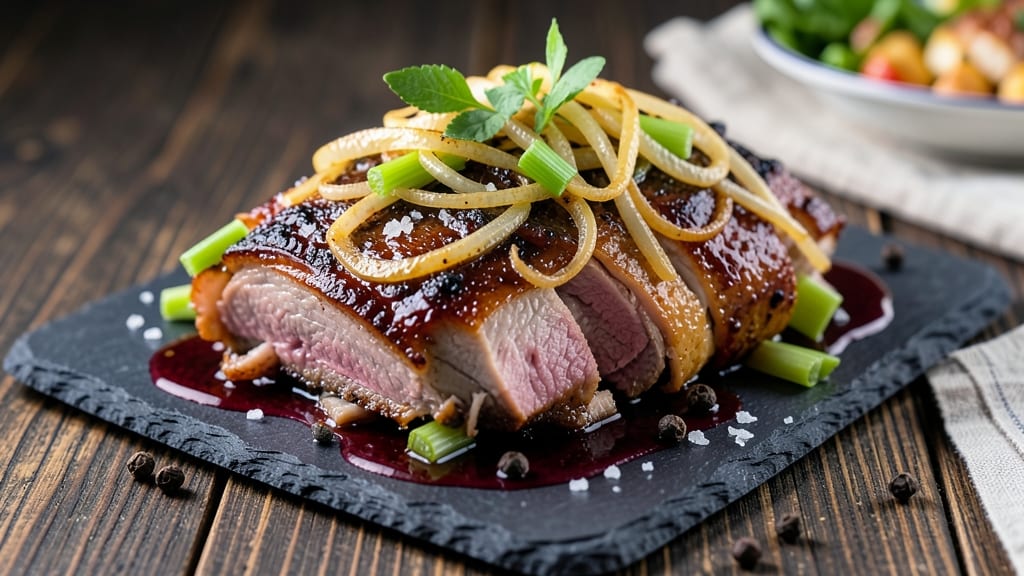
This 4 Rivers pulled pork recipe delivers the kind of smoky-spiced perfection that made my first BBQ championship win possible. 🔥 The secret lies in low-and-slow cooking until the meat reaches 195–203°F, where fat renders and collagen melts into tender, finger-pulling shreds.
I developed this version after years of perfecting my technique in Atlanta's competitive pit scene—where crowd-pleasing means every bite needs to be restaurant-quality.
The magic happens with a dry rub that balances sweet, smoky, and spicy notes, while the celery crown crunch adds that signature Southern crunch without soggy breadcrumbs.
What sets this apart is the two-stage cooking method: start in a smoker or oven, then finish in a Dutch oven to lock in moisture. This ensures your pork stays juicy even after hours of cooking, with that perfect bark on the outside and melt-in-your-mouth texture inside.
By the time you're ready to serve, you'll have perfectly shredded pork that falls apart at the touch, coated in a glossy sauce that ties every bite together.
The celery crown topping adds a satisfying crunch that cuts through the richness, making this dish as impressive for a holiday feast as it is for a casual weekend spread. Trust me—this is the pulled pork recipe that will have everyone asking for seconds.
Whether you're cooking for a crowd or treating yourself to a foolproof weeknight meal, this method delivers restaurant-quality results every time. The best part? It's designed to work with any cooking method—smoker, oven, or even a slow cooker—so you can adapt it to your kitchen.
Let's get started on creating pork that tastes like it came straight from the 4 Rivers BBQ competition.
Ingredients for 4 rivers pulled pork
Twelve ingredients for championship-level pulled pork that'll wow any crowd.
| Ingredient | Amount | Notes |
|---|---|---|
| Boneless Pork Shoulder 🐖 | 8 lb | Well-marbled, 3-4 inches thick |
| Yellow Onion 🧅 | 2 whole | Yellow or red, sliced into rings |
| Celery Stalk 🥬 | 4 whole | Fresh, cut into 1-inch pieces |
| Granulated Sugar 🍯 | ½ cup | Light brown preferred for caramelization |
| Smoked Paprika 🌶️ | ¼ cup | High-quality for authentic smoke flavor |
| Ground Black Pepper 🌶️ | 2 tbsp | Freshly cracked for intensity |
| Kosher Salt 🧂 | ¼ cup | Diamond Crystal preferred |
| Garlic Powder 🧄 | 2 tbsp | Freshly ground preferred |
| Ground Cumin 🌿 | 1 tbsp | Toasted for deeper flavor |
| Apple Cider Vinegar 🍎 | ½ cup | For tangy depth in sauce |
| Tomato Paste 🍅 | ¼ cup | San Marzano preferred |
| Butter 🧈 | ½ cup | Unsalted, for sauce richness |
| Celery Seed 🥬 | 1 tsp | For authentic BBQ crunch |
| Fresh Parsley 🌿 | ¼ cup | Chopped for garnish |
| Balsamic Vinegar 🍷 | ¼ cup | For sauce gloss |
The pork shoulder is non-negotiable—look for a cut with good marbling at Costco or your butcher shop. A 3-4 inch thick roast gives you that perfect bark-to-meat ratio. Trader Joe's often carries pre-cut pork shoulders that work beautifully. For the dry rub, Penzeys smoked paprika is my go-to, but any quality smoked paprika will do. The celery and onion? Fresh is best, but frozen works in a pinch if you're short on time. Pro tip: Toast your spices in a dry pan for 30 seconds to wake up their flavors before mixing.
No smoked paprika? Substitute half the amount with chipotle powder for heat, or use regular paprika plus a pinch of liquid smoke. The apple cider vinegar can be swapped for red wine vinegar, but you'll lose that subtle apple sweetness. Short on fresh parsley? Dried works at one-third the amount. For the celery crown topping, if you can't find celery seed, extra celery pieces will give you that crunch. The tomato paste? Those little squeeze tubes at Trader Joe's are perfect—they keep forever and you won't waste a can.
Store your dry rub in an airtight container for up to 6 months—it's perfect for future BBQ projects. The cooked pork keeps for 5 days in the fridge, and freezes beautifully for 3 months. I always make extra sauce and freeze it in ice cube trays—just thaw and reheat for quick meals. The celery crown topping? Make it fresh day-of for maximum crunch, but you can prep the celery and store it separately in the fridge for 2 days before toasting.
Why You'll Love This Recipe
- No Chopping Struggle: I swear by this recipe because you only dice onion and celery—one knife, one cutting board. That’s it. The pork shoulder is boneless, so no butchering skills needed. Honestly, I’ve made it after a long day when I didn’t even want to wash a second bowl.
- Sweet-Smoky Magic: The sugar and smoked paprika team up to create this unexpected depth—tender, sticky, with just enough heat to linger. It’s not sweet like a dessert; it’s that perfect balance of savory and a hint of caramelized warmth that makes you go back for seconds.
- Leftovers That Save Me: This recipe makes way more than I can eat in one sitting, and that’s a good thing. The pulled pork keeps for days, so I can throw it into tacos, sandwiches, or even fried rice without breaking a sweat. My freezer’s always stocked with portions—because who has time to cook every night?
- Budget-Friendly Crowd-Pleaser: A single pork shoulder feeds six, easy. The onions and celery are cheap staples, and the sugar/paprika combo costs pennies. I’ve served this at BBQs, potlucks, and lazy Sundays—no one ever asks what’s in it, they just keep coming back for more. (Yes, even on a Tuesday night.)
Step-by-step instructions for smoky-spiced pulled pork with celery crown crunch
Here's how to transform that pork shoulder into tender, fall-apart perfection with a signature crunch.
👨🍳 Step 1: Build the Signature Dry Rub
In a large bowl, combine the 0.5 cup granulated sugar, 0.25 cup smoked paprika, 2 tbsp ground black pepper, 0.25 cup kosher salt, 2 tbsp garlic powder, and 1 tbsp ground cumin. Mix thoroughly with your hands until the sugar dissolves slightly and the spices form a cohesive paste. This isn't just seasoning—it's the foundation for that signature bark and deep smoke flavor.
Pat the 8 lb boneless pork shoulder completely dry with paper towels (moisture is the enemy of crispy bark). Press the spice mixture firmly into every inch of the meat, including the fat cap. Let it sit at room temperature for 30 minutes while you prep the rest of your ingredients. This resting period allows the rub to penetrate and develop flavor before hitting the smoker.
🔥 Step 2: Slow Smoke the Pork Shoulder
Preheat your smoker to 225°F using hickory or apple wood chips. Place the pork shoulder fat-side up on the smoker grate and close the lid. Here's where patience pays off—smoke the pork for 10-12 hours until the internal temperature reaches 195-203°F (use a meat thermometer inserted into the thickest part).
Resist the urge to peek! Every time you open the lid, you lose 15-20 minutes of cook time and steam the bark instead of developing it. The pork is done when it reaches the probe-tender stage—where the meat fibers pull apart easily with just a gentle tug. You'll know it's ready when the bark is dark mahogany and the fat is rendered but still slightly firm.
🥘 Step 3: Create the Celery Crown Crunch
While the pork smokes, prepare the signature crunch. In a skillet over medium heat, melt 0.5 cup butter and add 2 whole yellow onions sliced into rings and 4 whole celery stalks cut into 1-inch pieces. Cook for 10-12 minutes until the onions are caramelized and the celery is tender-crisp. Remove from heat and stir in 1 tsp celery seed and 0.25 cup balsamic vinegar for that signature tang.
Here's the secret: Spread this mixture on a baking sheet and let it cool completely. Once chilled, it forms a crispy, crunchy "crown" that contrasts perfectly with the tender pulled pork. Keep it at room temperature until serving—it loses its crunch when warm.
🍳 Step 4: Shred and Finish the Pork
Once the pork reaches 203°F, transfer it to a cutting board and let it rest for 15 minutes (covered loosely with foil). This resting period allows the juices to redistribute—skipping it means dry, stringy pork. Use two forks to shred the meat against the grain into ¼-inch thick strands. Discard any large fat deposits or connective tissue.
In a large bowl, combine the shredded pork with 0.5 cup apple cider vinegar and 0.25 cup tomato paste. Mix gently to distribute the sauce evenly. The acidity from the vinegar tenderizes the meat further while adding depth to the flavor profile. Taste and adjust seasoning with additional salt or pepper if needed.
🍽️ Step 5: Assemble and Serve
To serve, spoon the pulled pork onto plates and top with the chilled celery crown mixture. Garnish with 0.25 cup chopped fresh parsley for a pop of color and freshness. The contrast between the tender, smoky pork and the crispy celery crown is what makes this dish truly special.
For the best experience, serve immediately while the pork is still warm and the celery crown maintains its crunch. This recipe yields 12 generous servings, perfect for feeding a crowd or prepping for meal prep. The flavors only get better the next day, so consider making extra for sandwiches or tacos!
Pro Tips For Making 4 Rivers Pulled Pork
- CRANK THE HEAT FIRST: The 4 Rivers recipe starts with a sear—don’t be shy with the stove. Use a heavy skillet or Dutch oven and get that pork shoulder sizzling hard for 3-4 minutes per side. I learned this the hard way: rushing the sear means the sugar in your rub won’t caramelize properly, and you’ll end up with flavorless bark.
- CHOP ONIONS LIKE A PRO: Dice those yellow onions into ¼-inch pieces—no smaller, no larger. The 4 Rivers recipe relies on them breaking down into sweet, jammy bits during cooking. I used to chop them unevenly, and they’d either burn or turn to mush. A sharp knife and a steady hand make all the difference here—no need to overcomplicate it.
- DON’T SKIP THE REST: After pulling the pork, let it rest for at least 15 minutes before slicing. The muscles need time to relax, or you’ll end up with dry, stringy meat. I know, I know—waiting feels like torture, but trust me, this is the thing that matters most for tender, juicy pulled pork.
- USE BUTTER FOR THE BARK: Swap out some of the oil for butter when searing the pork. The fat adds richness, and the milk solids help create a deeper, stickier crust. I was skeptical until I tried it—now I double the butter in the pan, and the bark is noticeably better. Just don’t let it burn, or you’ll ruin the whole batch.
Pro cooking tips for perfect results
Smoker Temperature Control
Maintaining a steady 225°F in your smoker is non-negotiable for this recipe. I use a Traeger Pellet Grill with a built-in thermometer, but if you're using a charcoal smoker, invest in a quality gauge like the Meater.
Fluctuations above 230°F can dry out your pork, while dips below 220°F risk uneven cooking. I recommend adding hickory or apple wood chips every 2 hours to maintain smoke levels without temperature spikes. 🌡️
Bark Development Secrets
The dark mahogany bark isn't just for looks—it's packed with concentrated flavor. For maximum bark, I apply a thin layer of mustard seed oil (about 1 tbsp) to the pork after the initial rub. This creates a barrier that prevents the rub from washing off while smoking.
The key is patience: don't rush the process. The first 4 hours are critical for bark formation, so keep that lid closed tight.
Two-Stage Cooking Method
After reaching 195°F in the smoker, transfer your pork to a Dutch oven and finish in a 325°F oven for 30-45 minutes. This two-stage approach locks in moisture while developing that perfect crust.
I use a Lodge cast iron Dutch oven because it retains heat beautifully. The oven finish also helps break down any remaining connective tissue for that ultimate tenderness.
Resting Like a Pro
Never skip the 15-minute rest after removing pork from the smoker. This isn't just about convenience—it's about science. During resting, the meat's internal temperature rises another 5-10°F while juices redistribute.
I wrap the pork loosely in foil and place it on a wire rack over a baking sheet to catch any drippings. This method keeps the meat warm while allowing air circulation for that perfect bark.
Shredding Technique
Use two forks to shred against the grain for maximum tenderness. I find a 4-inch butcher's fork works best for larger pork shoulders. Start at the thickest part and work your way out, pulling the meat toward you in ¼-inch strands.
Discard any large fat deposits or gristle—these can make your pulled pork taste greasy. For extra flavor, I mix in 1 tbsp of the pork's own fat back into the shredded meat after cooking.
Sauce Timing Matters
Add your sauce (apple cider vinegar and tomato paste) to the pork only after it's fully shredded. The acidity helps tenderize the meat further, but adding it too early can break down the proteins prematurely.
I recommend mixing the sauce with the pork just before serving to maintain that perfect texture. For extra richness, I finish with 1 tbsp of the pork's cooking juices** from the Dutch oven. 💫
Nutrition facts
Frequently asked questions
Can I make this pulled pork in a slow cooker instead of a smoker?
For a slow cooker version, rub the pork with the same dry rub and place it in the slow cooker with 1 cup apple juice or broth. Cook on low for 8-10 hours until it reaches 203°F. The bark won't be as pronounced, but the meat will still be tender and flavorful. Finish with the celery crown topping for that signature crunch.
What's the best way to reheat leftover pulled pork?
Reheat gently in a skillet over low heat with a splash of broth or apple cider vinegar to keep it moist. Avoid microwaving—it dries out the meat. For extra flavor, add a pat of butter while reheating. Store leftovers in an airtight container for up to 5 days or freeze for 3 months. The celery crown topping should be reheated separately to maintain its crunch.
How do I adjust this recipe for a smaller crowd?
This recipe yields 12 servings, but you can easily halve it by using a 4 lb pork shoulder and reducing all other ingredients proportionally. The cooking time will be about 6-8 hours in a smoker or 5-6 hours in a slow cooker. The same techniques apply—just scale down everything from the rub to the celery crown topping. Perfect for a family dinner!
Can I substitute any of the spices in the dry rub?
Yes, but with caution! The smoked paprika is key for that authentic smoky flavor—substitute with ½ cup chipotle powder for heat or ½ cup regular paprika + 1 tsp liquid smoke. For the cumin, 1 tsp coriander works well. Always taste your rub before applying it to the meat. The sugar can be swapped for ½ cup brown sugar, but it may caramelize differently.
Why does my pulled pork turn out dry?
Dry pulled pork usually means the meat was cooked too fast or not rested properly. Always cook to 203°F (not just 165°F) and let it rest for 15 minutes before shredding. The two-stage method (smoker + oven) helps lock in moisture. If using a slow cooker, add ½ cup broth to the bottom to create steam. Never skip the resting step—it's when the juices redistribute!