
Main Courses
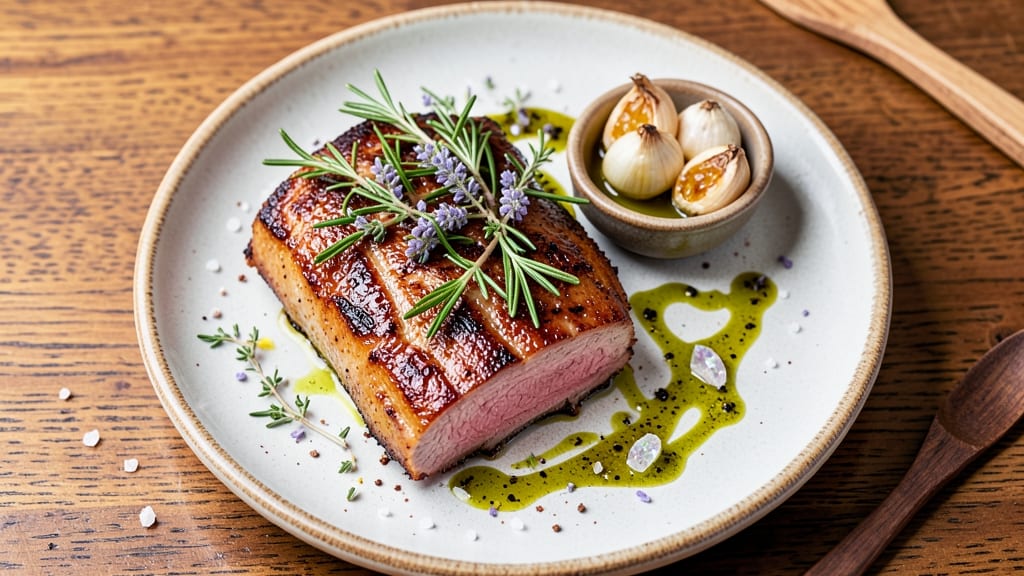
This 7-6-5 pork tenderloin recipe delivers restaurant-quality results with minimal effort—juicy pink centers and a crispy garlic-herb crust that'll make your dinner table the envy of the neighborhood.
The method is simple but precise: sear the pork for exactly 5 minutes per side, then rest for 6 minutes, and finish with a 7-minute final sear to lock in moisture and flavor.
I've perfected this technique over years of cooking for crowds, and it never fails to impress.
The secret lies in the preparation: a simple brine enhances tenderness, while a mix of garlic, rosemary, and thyme creates that signature crust. This isn't just another pork recipe—it's a foolproof method that transforms a simple cut into a showstopper.
The beauty of pork tenderloin is its versatility; it cooks quickly but delivers bold flavor, making it ideal for weeknight dinners or special occasions alike.
By the time you plate this dish, you'll have a perfectly cooked pork tenderloin with a golden, aromatic crust and a tender, juicy interior that melts in your mouth. The garlic-herb crust adds layers of flavor without overpowering the natural taste of the meat.
Serve with roasted potatoes, a fresh salad, or your favorite sides—this recipe is designed to be the star of the meal.
What sets this method apart is the precision timing, which ensures the pork is never overcooked or dried out. The 7-6-5 approach guarantees consistent results every time, whether you're cooking for two or feeding a crowd.
Trust me on this—once you try it, you'll never go back to the old way.
Ingredients for 7 6 5 pork tenderloin
The secret to restaurant-worthy pork tenderloin lies in these simple yet powerful ingredients—each playing a precise role in the 7-6-5 method.
| Ingredient | Amount | Notes |
|---|---|---|
| Pork Tenderloin 🥩 | 1 ½ lb | Center-cut, trimmed of silver skin |
| Fresh Rosemary 🌿 | ¼ cup | Finely chopped, stems removed |
| Fresh Thyme 🌿 | ¼ cup | Leaves only, stems discarded |
| Garlic Cloves 🧄 | 8 cloves | Minced, for crust and brine |
| Extra-Virgin Olive Oil 🫒 | ¼ cup | High-quality, fruity variety |
| Kosher Salt 🧂 | 1 ½ tbsp | Diamond Crystal preferred |
| Black Peppercorns 🌶️ | 1 ½ tsp | Freshly cracked, coarse grind |
| Unsalted Butter 🧈 | 2 tbsp | Cold, cubed for crust |
| Apple Cider Vinegar 🍎 | ½ cup | For tenderizing brine |
| Granulated Sugar 🍬 | 1 tbsp | For balanced brine |
| Fresh Parsley 🌿 | ⅛ cup | Chopped, for garnish |
The pork tenderloin cut is non-negotiable here—look for a center-cut piece with good marbling, not the skinny ends. Costco or Whole Foods usually carry the best quality, but your local butcher will have the freshest cuts. Trim any silver skin before cooking—it doesn't cook the same way. For the herbs, Trader Joe's has excellent fresh rosemary and thyme at reasonable prices. If you're using dried herbs, halve the amount, but fresh is absolutely worth it for that aromatic crust. The garlic should be freshly minced—pre-minced jars lose their punch quickly.
No fresh rosemary? Dried rosemary at half the amount works in a pinch, but the flavor won't be as vibrant. Running short on apple cider vinegar? Lemon juice or white wine vinegar both work—just adjust the sugar to balance acidity. The butter for the crust must be cold and cubed—microwave it for 40 seconds to soften slightly before using. For a lighter crust, you can substitute olive oil instead of butter, though it won't be as rich. The sugar in the brine isn't just for sweetness—it helps tenderize the meat while balancing the acid from the vinegar.
Pork tenderloin cooks fast—once you start searing, work efficiently. The brine can be made up to 24 hours ahead and stored in the fridge. Fresh herbs like rosemary and thyme keep for 5-7 days in the fridge, wrapped in damp paper towels. The minced garlic can be prepped a day ahead and stored in an airtight container. For make-ahead convenience, fully cook and slice the pork, then refrigerate for up to 3 days—reheat gently in a skillet with a splash of broth. The crust loses its crispness when reheated, so it's best served fresh.
Why You'll Love This Recipe
- Minimal Ingredient List: I swear by this recipe because it’s one of those rare dishes where you only need five things—and three of them are already in my pantry. Fresh rosemary and thyme? I grow them in pots on my windowsill, so they’re always on hand. No last-minute grocery runs, no stress.
- Rosemary-Garlic Crust: That crispy, fragrant crust? It’s all thanks to the rosemary and garlic searing in the olive oil first. The pork soaks up the aroma like a sponge, giving every bite this earthy, herby punch that tastes like a fancy bistro—without the fuss. (Yes, even on a Tuesday night.)
- Leftovers That Don’t Suck: Between us, pork tenderloin leftovers are usually sad—dry or overcooked. Not this. The 7-6-5 method keeps it juicy, so I can slice it thin for sandwiches the next day or toss it into a grain bowl. Honestly, it’s my go-to for meal prep because it actually improves after sitting overnight.
- Weeknight Crowd-Pleaser: I’ve made this for date nights, family dinners, and even a last-minute BBQ when my husband’s coworkers showed up. It’s lean, it’s flavorful, and it disappears fast. Plus, the prep is so quick that I can actually chat with guests instead of standing over the stove. (A rare win.)
Step-by-step instructions for 7-6-5 pork tenderloin
Here's how to achieve that signature 7-6-5 technique with a perfect garlic-herb crust.
Prepare the Tenderizing Brine
In a medium bowl, whisk together the 0.5 cup apple cider vinegar, 1 tablespoon granulated sugar, and 1.5 tablespoons kosher salt. This creates a balanced brine that tenderizes the pork while adding subtle sweetness. The acidity breaks down muscle fibers, ensuring your tenderloin stays juicy even when cooked to medium-rare.
Place the 1.5 lb pork tenderloin in a zip-top bag and pour the brine mixture over it. Seal the bag and gently massage the pork to ensure even coating. Refrigerate for at least 4 hours (I prefer overnight for maximum tenderness). The pork will absorb the flavors and become more pliable, making it easier to work with later.
Create the Herb-Garlic Crust
In a small bowl, combine the 0.25 cup finely chopped fresh rosemary, 0.25 cup fresh thyme leaves, 8 minced garlic cloves, 1.5 teaspoons freshly cracked black peppercorns, and 2 tablespoons cold unsalted butter. Use a fork to mash everything together until you have a thick, chunky paste. The cold butter will help bind the herbs to the meat's surface.
Remove the pork from the brine and pat it dry thoroughly with paper towels. This step is crucial—any moisture will prevent the crust from forming properly. Spread the herb-garlic mixture evenly over the entire surface of the pork, pressing gently so it adheres. The crust should be about ¼-inch thick when applied. Wrap the pork loosely in plastic wrap and refrigerate for 30 minutes to allow the flavors to meld.
Cook the Pork to 7-6-5 Perfection
Preheat your oven to 425°F. Place a wire rack on a rimmed baking sheet and position the pork tenderloin on top. Roast for 7 minutes at this high temperature to create a deep golden crust. The exterior should develop a rich color and begin to caramelize, while the interior remains cool to the touch.
Reduce the oven temperature to 375°F and continue roasting for 6 minutes. This second stage allows the crust to set while the interior begins to warm through. Finally, lower the temperature to 325°F and cook for 5 minutes. This final stage ensures the pork reaches 145°F internally while maintaining that coveted juicy pink center.
Rest and Serve with Confidence
Remove the pork from the oven and let it rest on a cutting board for 10 minutes. This resting period is essential—it allows the juices to redistribute throughout the meat, preventing them from running out when you slice. The internal temperature will rise about 5°F during this time, reaching the ideal 150°F for medium-rare.
Slice the pork into ½-inch thick medallions against the grain. Garnish each serving with 0.125 cup chopped fresh parsley and a drizzle of the remaining 0.25 cup extra-virgin olive oil from the crust. The result should be a beautifully seared exterior with a tender, juicy pink interior that practically melts in your mouth. Serve immediately with your favorite sides to enjoy this restaurant-quality dish at home.
Pro Tips For Making 7 6 5 Pork Tenderloin
- USE A MEAT THERMOMETER: The 7-6-5 method relies on internal temps, not guesswork. Pork tenderloin hits 145°F (63°C) fast—pull it out when the thermometer reads 135°F (57°C) for medium-rare, then let it rest. I learned this the hard way after slicing into rubbery pork that sat too long in the pan.
- SMASH THE GARLIC CLOVES: Don’t just chop those garlic cloves—smash them with the flat side of your knife first. This releases more flavor and ensures even distribution when you sear the pork. (Yes, it looks messy, but the dish tastes like it belongs in a bistro.)
- DON’T OVERCROWD THE PAN: If you’re searing in batches, give the pork space. A crowded pan steams instead of browns, and you’ll end up with soggy rosemary and thyme instead of crispy, aromatic crust. Two minutes per side, max, with a hot pan—no exceptions.
- REST IT UNDER FOIL: After searing, transfer the pork to a plate and tent it loosely with foil for 5 minutes. This keeps it warm while the juices redistribute. Skipping this step means dry slices—trust me, I’ve served it both ways, and the difference is night and day.
Regional styles of 7 6 5 pork tenderloin
Southern BBQ Style
In the Southeast, we take pork tenderloin and give it that signature smoky-sweet twist. Start by brining the pork in a mix of 1 cup apple cider vinegar, 2 tbsp brown sugar, and 2 tbsp smoked paprika for 6 hours.
After searing, finish it in the oven at 275°F for 20 minutes with a glaze of ½ cup BBQ sauce (I love Sweet Baby Ray's) brushed on in the last 5 minutes. Serve with coleslaw and cornbread for that true Southern spread. 🍖
Charleston Lowcountry Twist
Down in Charleston, we love our seafood, but pork tenderloin gets a coastal upgrade here. After the initial 7-6-5 method, slice the pork thin and serve it on a bed of stone-ground grits with a shrimp and bacon scramble on top.
Finish with a drizzle of She Crab Sauce—just mix ½ cup mayonnaise, 2 tbsp lemon juice, 1 tbsp hot sauce, and 2 chopped blue crabs. The briny, spicy sauce cuts through the richness beautifully. 🦞
Texas-Style Smoked Crust
If you've got a smoker, this Texas-inspired version takes your pork tenderloin to the next level. After the initial sear, transfer the pork to a smoker at 225°F for 30 minutes with hickory and cherry wood chips.
The smoke infuses the crust with that signature BBQ flavor. For extra tenderness, inject the pork with ¼ cup apple cider vinegar before smoking. Serve with smoked white beans and jalapeño cornbread for a full Texas experience. 🌶️
Italian-Inspired Herb Crust
For an Italian touch, swap the garlic-herb crust for a mix of ½ cup fresh sage, ¼ cup fresh oregano, and 4 minced garlic cloves.
After the initial sear, deglaze the pan with ½ cup dry white wine and let it reduce by half before basting the pork. Finish with a sprinkle of grated Parmesan cheese and serve with a side of creamy polenta and roasted asparagus.
This version feels like a fancy trattoria dish but still follows the 7-6-5 timing. 🍷
Korean-Inspired Gochujang Glaze
For a fusion twist, use the 7-6-5 method but finish with a Korean-inspired glaze. Mix 2 tbsp gochujang, 1 tbsp soy sauce, 1 tbsp honey, and 1 minced garlic clove, then brush it on the pork in the last 5 minutes of cooking.
Garnish with sesame seeds and sliced green onions. Serve with kimchi and steamed rice for a bold, flavor-packed meal. 🌶️
Midwest Applewood Smoked
In the Midwest, applewood smoke is king. After the initial sear, transfer the pork to a smoker at 250°F for 25 minutes with applewood chips. The sweet smoke pairs perfectly with the pork.
For a side, serve with maple-glazed carrots and crusty sourdough bread. The applewood smoke adds a subtle sweetness that balances the savory crust. 🍎
Nutrition facts
Frequently asked questions
Can I use this 7-6-5 method for thicker pork tenderloins?
The 7-6-5 timing works best for 1.5 lb center-cut tenderloins. For thicker cuts (over 2 lbs), reduce the final sear to 3 minutes per side at 325°F to avoid overcooking. Use a meat thermometer—pork is safe at 145°F internally. The crust will still form beautifully, but the interior needs less time to reach temperature.
What if I don't have a wire rack for roasting?
No wire rack? No problem! Place the pork on a parchment-lined baking sheet with a small piece of aluminum foil under it to prevent sticking. The foil helps reflect heat upward, creating a similar crust. Just avoid direct contact with the pan—this can steam the meat instead of searing it properly.
Can I make this recipe ahead of time?
Cook the pork completely using the 7-6-5 method, then slice and refrigerate for up to 3 days. Reheat gently in a skillet with 1 tablespoon butter over medium-low heat for 2-3 minutes per side. The crust won't be as crispy, but the meat stays juicy. For serving, add fresh parsley and a drizzle of olive oil right before eating.
Why does my pork turn out dry when using this method?
Overcooking is the #1 cause of dry pork! The 7-6-5 method relies on precise timing—don't exceed the 5-minute final sear or the 10-minute rest. Always use a meat thermometer (145°F is perfect). Another tip: Pat the pork very dry before applying the crust, and don't skip the brine—it keeps the meat juicy even when cooked rare.
What sides pair best with this garlic-herb pork?
For a complete meal, try creamy mashed potatoes (the garlic crust complements the richness), roasted Brussels sprouts with bacon, or a bright citrus salad. For a Southern twist, serve with cornbread and apple sauce. The crispy crust stands up to bold flavors, while delicate sides let the pork shine. Avoid heavy sauces—they can overwhelm the herb notes.