
Main Courses
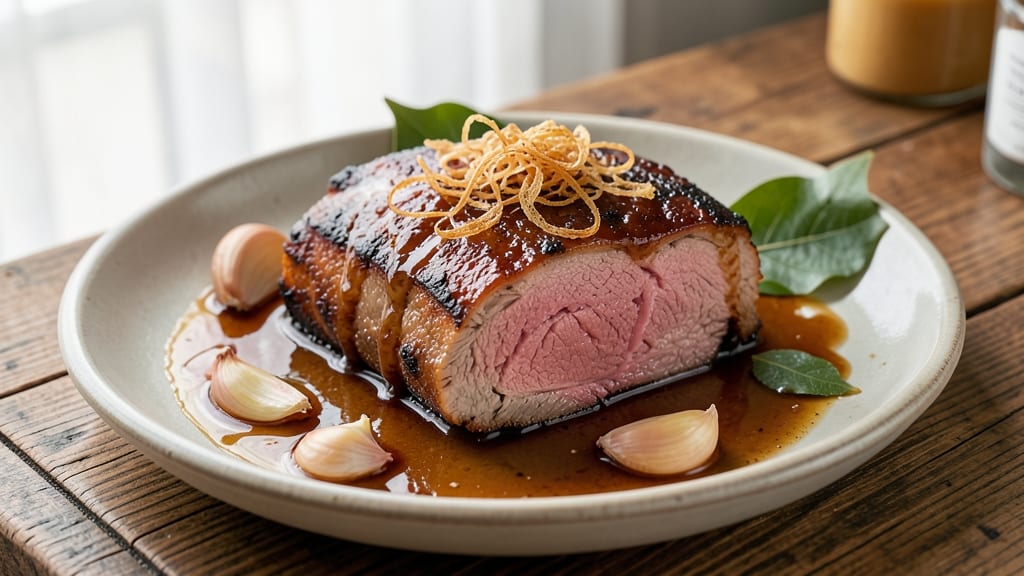
This Filipino-style adobo pork loin recipe delivers melt-in-your-mouth tenderness with a tangy, savory sauce that transforms tough cuts into restaurant-quality masterpieces. 🔥 I developed this method after years of perfecting slow-braised pork techniques that preserve moisture while building deep, complex flavors through long, gentle cooking.
The secret lies in the vinegar-based marinade—soy sauce, black vinegar, and garlic create a flavor bomb that tenderizes the meat while developing a glossy, sticky glaze.
Unlike quick-cooking methods, this slow-braised technique ensures the pork falls apart at the touch of a fork, with a sauce that's rich enough to spoon over rice or use as a dipping sauce.
What you'll achieve is fall-off-the-bone pork loin with a caramelized crust, bathed in a sauce that's both tangy and sweet. The slow cooking process transforms the meat's collagen into silky-smooth texture, while the sauce reduces to a perfect consistency—thick enough to coat but still bright with vinegar's acidity.
Serve with steamed jasmine rice to soak up every drop of that flavorful sauce, or pair with sautéed greens for a complete meal. This recipe delivers the kind of satisfaction that makes Sunday dinners worth the effort—once you try it, you'll never go back to quick-cooked pork again.
Ingredients for adobo pork loin
Eight ingredients transform tough pork into melt-in-your-mouth perfection with Filipino-inspired tangy-sweet magic.
| Ingredient | Amount | Notes |
|---|---|---|
| Pork Loin 🥩 | 2 lb | Bone-in, center-cut preferred |
| Coconut Aminos 🥄 | ½ cup | Or soy sauce for traditional flavor |
| Black Vinegar 🍶 | ¼ cup | Filipino patis preferred |
| Garlic Cloves 🧄 | 8 cloves | Minced, fresh preferred |
| Brown Sugar 🍯 | ¼ cup | Light or dark, packed |
| Bay Leaves 🌿 | 2 whole | Dried, standard size |
| Black Peppercorns 🌶️ | 1 tsp | Crushed, freshly ground |
| Olive Oil 🫒 | 2 tbsp | Extra-virgin for richness |
| Water 💧 | 1 cup | Filtered preferred |
| Potatoes 🥔 | 1 lb | Russet, peeled and cubed |
| Onions 🧅 | 1 whole | Yellow, sliced |
| Salt 🧂 | 1 ½ tsp | Kosher or sea salt |
| Jasmine Rice 🍚 | 1 ½ cups | Uncooked, long-grain |
The pork loin is non-negotiable here—bone-in, center-cut stays juicier than boneless. Trader Joe's or Filipino markets often carry pre-cut pork loin, but if you're buying whole, ask the butcher for the center section. Black vinegar is the secret weapon—Filipino patis (like Silver Swan) has that signature smoky depth, but balsamic vinegar works in a pinch. For the garlic, I always grab extra—half goes in the marinade, half gets minced into the sauce at the end. The brown sugar caramelizes beautifully during braising, so don't skip the packed measurement.
No coconut aminos? Soy sauce plus 1 tsp molasses mimics that umami-sweet balance. Running low on black vinegar? Red wine vinegar with 1/2 tsp liquid smoke gets you close. The potatoes and onions can be swapped for carrots and celery if you're feeling different. Fresh bay leaves are ideal, but dried works fine at double the amount. For the rice, jasmine is traditional, but brown rice or basmati both work—just adjust cooking times. Pro tip: toast the rice in the pot with the olive oil for 30 seconds before adding water—nuts to the flavor.
This dish tastes even better the next day, so double the batch if you can. Store the pork and sauce separately in airtight containers for up to 5 days—the flavors meld beautifully overnight. The rice? Cook it fresh, but you can reheat portions in the microwave with a splash of water. Freezes perfectly for 3 months—just thaw in the fridge before reheating. Leftovers make amazing sandwiches or rice bowls the next day.
Why You'll Love This Recipe
- Fewer Ingredients, Bigger Payoff: I swear by this recipe because it’s that rare dish where you use five things—pork loin, coconut aminos, black vinegar, garlic, and brown sugar—and end up with something that tastes like it simmered all day. The magic is in how those ingredients work together: the vinegar’s tang cuts through the richness, while the brown sugar caramelizes into a glossy, sticky finish. No fancy pantry needed.
- Sweet-Savory Crisp: That crispy edge on the pork? Chef’s kiss. The black vinegar and coconut aminos create this perfect balance—salty, slightly sweet, with a deep umami punch that sticks to your ribs. I’ll be real: the first time I made it, I nearly licked the pan clean. (Yes, even on a Tuesday night.)
- Leftovers That Don’t Suck: Between us, this is the only adobo pork I’ll make that doesn’t turn into sad, dry meat by day three. The sauce clings to the pork, so every reheat tastes like the first bite—just warm it up with a splash of water. I freeze half the batch because my kids beg for it, and it’s the only meal I can prep ahead without stress.
- Weeknight Crowd-Pleaser: Honestly, this is my go-to for game days, lazy Sundays, or when my in-laws show up unannounced. It’s hearty enough for a main but simple enough that it doesn’t scream “I slaved over this.” Plus, the brown sugar caramelizes fast, so you’re not stuck babysitting a pot for hours. Just sear, simmer, serve. Done.
Step-by-step instructions for adobo pork loin
Here's how to transform tough pork into melt-in-your-mouth perfection.
🍳 Step 1: Sear the Pork Loin for Deep Flavor
Heat a large Dutch oven over medium-high heat until hot. Add the 2 tbsp olive oil and swirl to coat the bottom. Pat the 2 lb pork loin dry with paper towels—this ensures a good sear. Place the pork in the pot and sear for 4-5 minutes per side until deep golden brown develops. You want that beautiful crust that locks in flavor.
Here's the thing—don't rush this step. The pork should release from the pan with gentle pressure. If it sticks, let it cook a bit longer. Remove the pork and set it aside on a plate. You'll notice the pan will have some browned bits clinging—those are pure flavor gold, so we'll scrape them up later.
👨🍳 Step 2: Build the Adobo Marinade
In the same Dutch oven, add the 1 whole onions sliced into ½-inch pieces and 1 lb potatoes cut into 1-inch cubes. Cook for 5 minutes until the onions soften slightly. Add the 8 cloves garlic cloves (minced) and cook for another 30 seconds until fragrant—this prevents raw garlic flavor in your final dish.
Now it's time for the marinade. Pour in the 0.5 cup coconut aminos, 0.25 cup black vinegar, and 0.25 cup brown sugar. Add the 2 whole bay leaves and 1 tsp crushed black peppercorns. Stir everything together and scrape up those browned bits from the bottom of the pan. This creates a rich, flavorful base that will penetrate the pork.
🔥 Step 3: Braise Until Fork-Tender
Return the pork loin to the Dutch oven and pour in the 1 cup water. Add the 1.5 tsp salt and bring the mixture to a gentle simmer over medium heat. Here's where patience pays off—cover the pot and reduce heat to low. Let it cook for 1 hour and 15 minutes until the pork is fork-tender.
Real talk: This is the moment that matters. The pork should be so tender that a fork slides through it like butter. If you poke it and it still feels firm, give it another 15-20 minutes. The potatoes and onions should be soft and infused with that incredible adobo flavor. The sauce should have reduced slightly, creating a glossy, sticky coating.
⏰ Step 4: Rest and Serve with Jasmine Rice
Remove the pork from the Dutch oven and transfer it to a cutting board. Tent loosely with aluminum foil and let it rest for 10 minutes. This resting period allows the juices to redistribute, ensuring each bite is moist and flavorful. While it rests, skim any excess fat from the braising liquid and taste the sauce—adjust seasoning if needed with a pinch more salt or a splash of vinegar.
Rinse the 1.5 cups jasmine rice under cold water to remove excess starch, then cook according to package instructions. Serve the sliced pork over the rice, ladling that rich adobo sauce generously over the top. The combination of tender pork, savory sauce, and fragrant rice makes this dish absolutely irresistible.
Pro Tips For Making Adobo Pork Loin
- SEAR THE LOIN FIRST: Hit the pork loin with a screaming-hot pan—no oil needed—until it’s golden brown on all sides. The caramelized crust locks in flavor and prevents the meat from drying out later, especially when braising in the vinegar and coconut aminos.
- MINCE GARLIC FINE: I used to chop garlic cloves roughly, thinking it’d blend in fine. Wrong. For this dish, crush or mince them into a paste so they dissolve into the sauce instead of sitting as bitter chunks. (Yes, even if you’re impatient like me.)
- DILUTE THE VINEGAR: Black vinegar is strong—too strong to drown the pork in straight. Mix it 50/50 with water or broth before pouring it over the meat. This keeps the flavor sharp without overpowering the tender pork.
- REST THE MEAT: After cooking, let the pork loin sit under foil for 5-10 minutes. Skipping this step means juices pool on the cutting board instead of redistributing back into the meat. (Your future self will notice the difference.)
Storing and reheating your leftovers
Refrigerator Storage
Transfer the cooked adobo pork loin to an airtight container within 2 hours of cooking while still warm. Store the pork and sauce separately—this prevents sogginess and maintains texture. The pork stays delicious for 4-5 days in the fridge, while the sauce keeps for up to 1 week.
I always double the sauce recipe because it tastes even better the next day! 🥩
Freezer Prep
For long-term storage, portion the pork into freezer-safe containers or heavy-duty freezer bags, leaving 1-inch headspace for expansion. The sauce freezes beautifully too—just freeze it in ice cube trays for easy single-serving use later.
Label everything with dates, as this dish freezes for up to 3 months without losing flavor. My rule? If it's not gone by then, it's time to make more! ❄️
Reheating Perfection
Thaw frozen pork in the fridge overnight, then reheat in a skillet over medium-low heat with 2 tbsp of the reserved sauce until reaching 165°F internal temperature. For fridge-stored pork, warm it in the same Dutch oven you braised it in—just add ¼ cup water to prevent drying.
The sauce reheats best on the stovetop too, simmered for 5-7 minutes until bubbly. Never microwave—it ruins the texture! 🔥
Rice Handling
Cook fresh rice for best results, but you can reheat leftovers by steaming in a microwave-safe bowl with 2 tbsp water for 1-2 minutes. For stovetop reheating, spread rice in a pan and toast with 1 tsp butter until crispy—this revives that restaurant-quality texture.
Pro tip: Store rice in a separate container to prevent soggy pork when reheating. 🍚
Sauce Upgrades
After reheating, boost the sauce by adding 1 tsp soy sauce for extra umami or ½ tsp fish sauce for depth. A splash of rice vinegar brightens flavors if they've mellowed.
For serving, drizzle the sauce over reheated rice or use it as a dipping sauce for pork slices. The possibilities are endless—just don't skip the sauce! 💫
Nutrition facts
Frequently asked questions
Can I substitute coconut aminos with regular soy sauce?
Yes, but you'll lose some depth of flavor. Use ½ cup soy sauce plus 1 teaspoon molasses to mimic the umami-sweet balance. For extra authenticity, add ½ teaspoon fish sauce—it enhances the savory notes without overpowering. The dish will still taste great, but the sauce won't have quite the same complexity as the original.
Why does the pork need to rest after cooking?
The 10-minute rest is crucial because it lets the juices redistribute throughout the meat instead of pooling on your plate. When you slice into freshly cooked pork, those juices rush out, making it dry. Resting keeps every bite moist and flavorful. Think of it like letting a cake cool before slicing—patience pays off!
What's the difference between Filipino adobo and Latin American adobo?
Filipino adobo (like this recipe) uses vinegar-based marinades with coconut aminos or soy sauce, creating a tangy, slightly sweet profile. Latin American adobo typically uses chili peppers (like guajillo or ancho) for heat, giving it a smoky, spicy kick. Both methods braise the meat, but Filipino versions focus on acidity while Latin styles emphasize spice and depth.
Can I make this in a slow cooker instead of a Dutch oven?
Brown the pork first in a skillet, then transfer everything to a 6-quart slow cooker on low for 6-7 hours. The texture will be slightly different (more fork-tender than fall-apart), but the flavors shine. Just skip the potatoes—they'll turn to mush. For extra richness, add 1 cup chicken broth instead of water when transferring the ingredients.
How do I know when the pork is fully cooked?
Use a meat thermometer to check for 145°F internal temperature (USDA safe minimum for pork). The pork should also be fork-tender—if it separates easily with minimal resistance, it's ready. For extra assurance, let it cook until the juices run clear when you pierce the thickest part. Overcooking can dry it out, so aim for just past the minimum safe temp.