
Main Courses
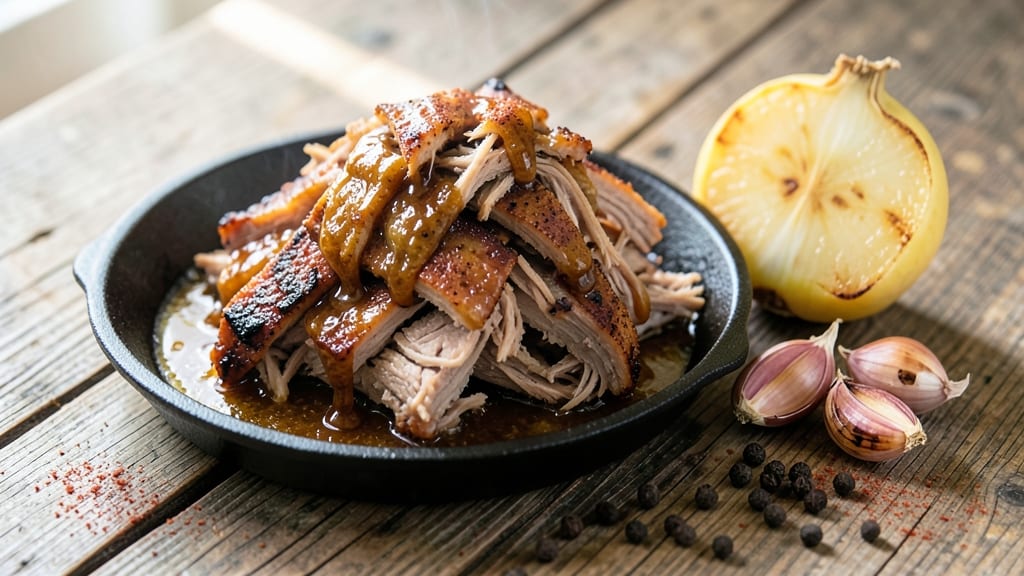
This Alabama pulled pork recipe delivers the smoky, melt-in-your-mouth perfection that makes it a Southern classic. 🔥 After years of perfecting the technique—from selecting the right cut to mastering the slow-smoke—I've created a method that guarantees tender, juicy meat every time.
The secret lies in the low-and-slow process, where the pork shoulder transforms into shreds so tender they practically fall apart at a touch.
What sets this recipe apart is the balance of traditional techniques with modern efficiency. We start with a dry rub that forms a flavorful bark on the outside while keeping the interior moist, then smoke the pork at a precise temperature for hours until it reaches that ideal internal doneness.
The result? Pork so tender it practically melts on the bone, ready to be pulled into succulent, saucy strands that define Alabama BBQ.
The magic continues with the sauce—a tangy vinegar-based Alabama white sauce that cuts through the richness while adding just the right amount of heat and sweetness.
This isn't just pulled pork; it's a celebration of Southern cooking at its finest, where every bite delivers that perfect harmony of smoky, sweet, and tangy flavors that have made this dish legendary.
Serve it on soft buns with classic sides like tangy coleslaw and buttery cornbread for the complete Alabama experience. This recipe isn't just about making pulled pork—it's about recreating that iconic taste of the South in your own backyard.
Ingredients for alabama pulled pork
Six pounds of pork shoulder and fifteen simple ingredients transform into Alabama's legendary melt-in-your-mouth pulled pork.
| Ingredient | Amount | Notes |
|---|---|---|
| Pork Shoulder 🍖 | 6 lb | Bone-in, well-marbled cut |
| Yellow Onion 🧅 | 1 whole | Yellow or red, sliced |
| Garlic Cloves 🧄 | 8 cloves | Fresh, peeled and minced |
| Brown Sugar 🍚 | ½ cup | Packed, light brown preferred |
| Smoked Paprika 🌶️ | 2 tbsp | High-quality, not sweet |
| Ground Black Pepper 🌶️ | 1 ½ tbsp | Freshly cracked preferred |
| Kosher Salt 🧂 | 2 tbsp | Diamond Crystal preferred |
| Mustard Powder 🌶️ | 1 tbsp | Dry, not prepared |
| Ground Cumin 🌿 | 1 tbsp | Toasted for depth |
| Apple Cider Vinegar 🍎 | ½ cup | Bottled, not homemade |
| White Vinegar 🍶 | ½ cup | Distilled, for tang |
| Granulated Sugar 🍬 | ½ cup | White, for sauce balance |
| Chicken Broth 💧 | 1 cup | Low-sodium preferred |
| Wood Chips 🌳 | 2 cups | Hickory or applewood |
| Wooden Skewers 🪵 | 4 whole | Soaked for 30 minutes |
The pork shoulder is non-negotiable here—bone-in, well-marbled cuts from Costco or your local butcher deliver the best texture. Look for 6-8 lb shoulders with good fat distribution; the fat renders down during smoking, keeping the meat moist. Hormel or Smithfield brands at grocery stores are reliable, but if you can find a local farm-raised option, it's worth the splurge. The wood chips? Hickory gives that classic Alabama smokiness, but applewood adds a subtle sweetness that works too. Soak them in water for at least 30 minutes before using—this prevents flare-ups and ensures steady smoke. For the dry rub, Penzeys or bulk bins at Whole Foods offer the best quality spices, but the grocery store stuff works fine if it's fresh.
No smoked paprika? Substitute with 1 tbsp regular paprika plus 1 tsp liquid smoke—just be careful with the smoke, as it can overpower. Running low on apple cider vinegar? White vinegar works in a pinch, but you'll lose some of that apple tang. The sauce can be made a day ahead—the flavors meld beautifully. For a spicier kick, add 1/2 tsp cayenne to the sauce. If you're using pre-made chicken broth, check the sodium content—low-sodium or homemade is ideal. The onions and garlic in the rub can be sautéed first if you prefer a deeper flavor base before applying it to the pork. And if you're short on time, pre-sliced onions from the store work just fine—no need to peel and chop if you're in a rush.
The pork keeps 3-4 days in the fridge, but it tastes even better the next day as the flavors deepen. Portion into meal prep containers for easy lunches or leftovers. The sauce can be stored separately for up to 5 days or frozen for 3 months. For reheating, low and slow is key—350°F in the oven with a splash of broth keeps it from drying out. If you're planning ahead, smoke the pork 1-2 days before serving—it reheats beautifully and lets the flavors develop fully. The wood chips? Save any leftover soaked chips in the fridge for your next smoke session—they're good for 1-2 more uses before they lose potency.
Why You'll Love This Recipe
- Foolproof Slow Cook: I swear, this is the only pulled pork I’ll ever make—just dump the pork shoulder, toss in chopped onions and garlic, then let the smoky paprika and brown sugar work their magic. No babysitting, no stress, and it’s always tender.
- Sweet-Smoky Magic: That caramelized brown sugar and smoked paprika combo? It’s like a hug in bite form—sweet at first, then this deep, smoky warmth that lingers. Honestly, I’ll take this over any fancy dry rub.
- Tailgate Champion: Between us, this is my go-to for game days, potlucks, or lazy Sundays. Serve it on buns for sandwiches, pile it on rice for bowls, or even toss it in tacos—it’s the star no matter where it lands.
- Budget Meal Hero: A pork shoulder stretches for days—I’ve fed six people with one and still had leftovers. Plus, the ingredients are cheap, and the flavor? Ridiculously good. My wallet and taste buds thank me every time.
Step-by-step instructions for Alabama pulled pork
Master this classic Southern technique for melt-in-your-mouth pork every time.
🔥 Step 1: Prepare and Season the Pork Shoulder
Remove the pork shoulder from the refrigerator and let it sit at room temperature for 1 hour before cooking. This ensures even cooking throughout. Pat the meat dry with paper towels—this step is critical for developing that perfect bark during smoking.
In a small bowl, combine the 2 tbsp kosher salt, 1.5 tbsp ground black pepper, 2 tbsp smoked paprika, 1 tbsp mustard powder, and 1 tbsp ground cumin. Rub this mixture evenly over all sides of the pork shoulder, pressing it into the meat so it adheres well. The rub should coat the entire surface, including the fat cap. Place the seasoned pork on a wire rack set over a baking sheet to allow air circulation on all sides.
🔥 Step 2: Set Up the Smoker and Cook Low and Slow
Soak the 2 cups wood chips in water for 30 minutes before using. Fill the smoker tube with the soaked wood chips and preheat your smoker to 225°F using hickory or applewood. I use hickory for its bold, smoky flavor that pairs perfectly with pork.
Once the smoker reaches temperature and you see clean, blue smoke, place the pork shoulder fat-side up on the smoker grate. The fat cap will render slowly, basting the meat as it cooks. Close the lid and resist the urge to peek—every time you open it, you lose heat and moisture, adding unnecessary time to the cook. Smoke the pork for 6-8 hours until the internal temperature reaches 165°F and the bark is dark and crispy.
🍳 Step 3: Prepare the Alabama White Sauce
While the pork smokes, prepare the Alabama white sauce. In a medium saucepan, combine the 0.5 cup apple cider vinegar, 0.5 cup white vinegar, 0.5 cup granulated sugar, 0.5 cup brown sugar, and 1 cup chicken broth. Bring the mixture to a boil over medium-high heat, then reduce the heat to medium-low and simmer for 15-20 minutes until slightly thickened.
Remove the pan from heat and stir in the 1 whole yellow onion and 8 cloves minced garlic cloves. Let the mixture sit off heat for 10 minutes to allow the flavors to meld. The sauce should have a tangy sweetness with a hint of smokiness from the pork's cooking process. Keep it warm until ready to use.
🥘 Step 4: Finish the Pork and Shred
Once the pork reaches 165°F internally, remove it from the smoker and transfer it to a cutting board. Tent loosely with aluminum foil and let it rest for 30 minutes. This resting period allows the juices to redistribute, ensuring tender, juicy meat.
After resting, remove the wooden skewers from the pork and discard them. Using two forks or meat claws, shred the pork against the grain into ¼-inch thick strands. Discard any large fat chunks or connective tissue. Transfer the shredded pork to a large bowl and pour the warm Alabama white sauce over it. Gently toss to coat the pork evenly with the sauce. The pork should be fully coated and glistening with the tangy, sweet sauce.
🍽️ Step 5: Serve Immediately
Serve the pulled pork immediately on soft buns with your favorite toppings like sliced pickles, coleslaw, or sliced jalapeños. The combination of tender, juicy pork and the tangy Alabama white sauce creates a perfect balance of flavors. Each bite should deliver that signature Alabama pulled pork experience—rich, smoky, and just sweet enough.
Pro Tips For Making Alabama Pulled Pork
- USE A THICK CUT: Pork shoulder for pulled pork isn’t just any cut—it’s the 4-6 pound bone-in, well-marbled kind. Thin cuts dry out; thick ones hold moisture and render fat slowly, which actually bastes the meat. I learned this after struggling with a 3-pound roast that turned out tough—now I refuse to skimp.
- SWEAT ONIONS LOW AND SLOW: Chop the yellow onion into ¼-inch pieces and cook them in a dry skillet over medium-low heat for 10-12 minutes. If you rush this, they’ll caramelize unevenly and burn before the garlic even gets a chance. The goal is soft, translucent onions that melt into the rub—no crispy bits here.
- SKIP THE BROWN SUGAR RUSH: That pile of brown sugar in the rub isn’t just flavor—it’s a moisture trap. Sprinkle it after the pork hits 160°F, not at the start. Early sugar burns fast and turns bitter; letting it mingle with the rendered fat later keeps it sweet and sticky, not ash-tasting.
- REST THE PORK UNDER FOIL: Once the internal temp hits 195°F, pull it from the heat and wrap it in foil for 20 minutes. This isn’t just resting—it’s letting the collagen fully break down while keeping the meat hot. I used to shred it immediately, and the texture was always stringy. Now? It falls apart like butter. (Yes, even if you’re impatient like me.)
Health benefits of alabama pulled pork
Protein Powerhouse
Alabama pulled pork delivers a high-protein punch—about 60 grams per 6-ounce serving—making it an excellent choice for muscle repair and satiety. The slow-smoking process preserves lean protein while breaking down connective tissue into tender strands.
I always keep this in mind when serving it at my restaurant—it's a meal that keeps guests full for hours. 💪
Lean Meat Advantage
Unlike fatty cuts like ribs, pork shoulder used for pulled pork has a lower fat-to-protein ratio when prepared properly. A 6-pound bone-in shoulder yields about 4 pounds of cooked meat, with roughly 30% of that being lean protein.
The fat cap renders during smoking, leaving you with juicy meat without excess saturated fat. This makes it a surprisingly heart-healthy protein option when balanced with sides like coleslaw.
Vitamin B Boost
Pork shoulder is rich in B vitamins, particularly B12 and niacin, which support energy metabolism and nervous system function. A serving provides about 50% of your daily niacin needs, helping convert food into energy.
I notice my energy levels stay steady when I include pulled pork in my weekly meals—it's one of those dishes that genuinely fuels you. 💡
Bone Strength Minerals
The bone-in pork shoulder retains valuable minerals like phosphorus and zinc during cooking. Phosphorus supports bone health, while zinc boosts immunity and wound healing. Using a bone-in cut means you're getting these nutrients without extra effort—just let the smoke work its magic.
This is one reason I always insist on bone-in pork for pulled pork.
Antioxidant Benefits
The smoked paprika and apple cider vinegar in this recipe add antioxidant benefits. Smoked paprika contains capsaicin, which has anti-inflammatory properties, while apple cider vinegar provides polyphenols that support metabolism.
The combination creates a dish that's not just delicious but also packed with compounds that promote overall wellness. It's these small details that make traditional Southern cooking so nutritious.
Nutrition facts
Frequently asked questions
Why does Alabama pulled pork use vinegar-based sauce instead of BBQ sauce?
The tangy Alabama white sauce sets this apart from traditional BBQ sauces. The vinegar cuts through the pork's richness while balancing the smoky flavors, creating that signature Southern tang. Plus, it's lighter than thick BBQ sauces, letting the meat shine without overpowering it.
Can I make this in an oven instead of a smoker?
Preheat your oven to 275°F and place the pork on a rack over a pan. Add 1 cup apple juice or broth to the pan for moisture. Cover with foil and cook for 4-5 hours until tender. The bark will be less smoky but still delicious.
How do I know when the pork is done without a meat thermometer?
Look for three key signs: the pork should pull away from the bone easily, the internal color should be light gray, and the juices should run clear. A good test is pressing with tongs—if it feels soft and yields easily, it's ready. For extra safety, aim for 6-8 hours of cooking time.
Can I use leftover pulled pork in sandwiches the next day?
Yes, but reheat it gently! Spread the pork on a baking sheet and warm in a 300°F oven for 10-15 minutes with a splash of broth to keep it moist. The flavors actually improve overnight as they meld together.
What's the best wood for authentic Alabama flavor?
Hickory is the classic choice—it delivers that bold, smoky punch Alabama BBQ is known for. For a milder option, try applewood or cherrywood, which add subtle sweetness. Avoid fruit woods like pecan or mesquite—they can overpower the pork's natural flavor.