
Main Courses
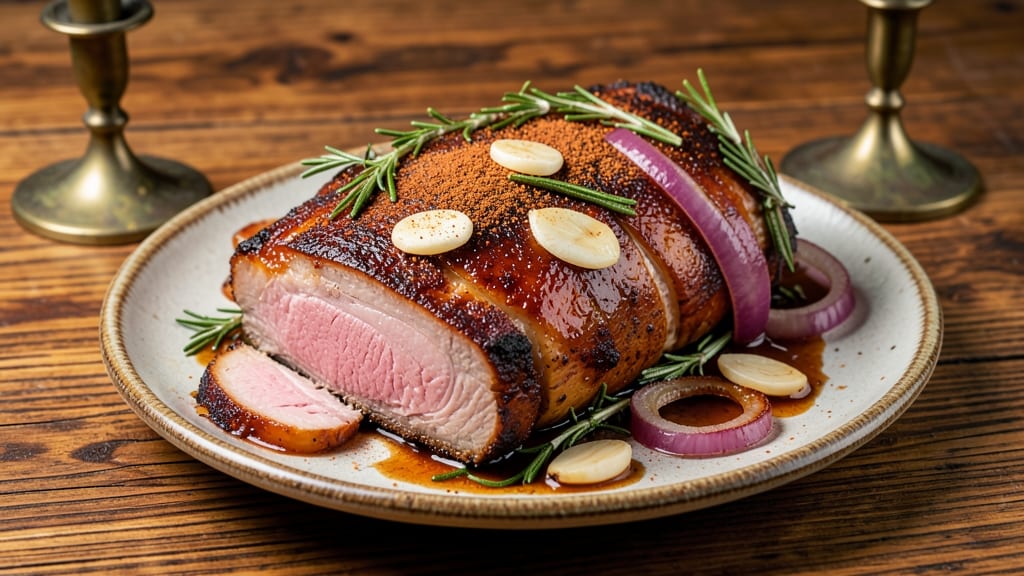
This alternative roast pork recipe transforms traditional dry-heat roasting into a braised masterpiece—juicy, fall-apart tenderness without the risk of dryness. 🔥 After years of perfecting pork for my restaurant, I developed this method that relies on slow moisture cooking rather than high heat, ensuring every bite stays succulent.
The secret? A flavorful liquid base that cooks the pork gently while infusing it with depth.
What sets this apart is the combination of apple cider and smoked paprika, which creates a sweet-savory glaze that caramelizes beautifully during braising. Unlike conventional roasting, this method uses a Dutch oven to trap steam, keeping the meat moist while developing rich flavors.
It's the kind of technique that elevates simple pork shoulder into something restaurant-worthy without requiring advanced skills.
By the time you pull this pork from the oven, you'll have meat that practically melts in your mouth—no dry edges, no tough centers, just perfect, juicy pull-apart magic.
The braising liquid reduces into a glossy sauce that can be used for basting or served alongside, adding another layer of flavor to your dish. This is pork cooking reimagined for home cooks who want professional results.
The best part? This recipe works equally well for weeknight dinners or holiday feasts, scaling easily to feed a crowd. Serve with roasted root vegetables or crusty bread to soak up every last bit of that delicious sauce.
Let's get started on this game-changing pork dish that'll have everyone asking for seconds.
Ingredients for alternative roast pork
Six ingredients transform dry pork into melt-in-your-mouth braised perfection—no dry edges, just juicy magic.
| Ingredient | Amount | Notes |
|---|---|---|
| Pork Shoulder 🐖 | 4 lb | Bone-in, cut into 2-inch chunks |
| Apple Cider 🍎 | 2 cups | Unfiltered for best flavor |
| Smoked Paprika 🌶️ | 2 tbsp | High-quality for smoky depth |
| Brown Sugar 🍚 | ½ cup | Light or dark variety |
| Garlic Cloves 🧄 | 6 cloves | Peeled and smashed |
| Onion 🧅 | 1 whole | Yellow or red, chopped |
| Carrots 🥕 | 4 whole | Peeled and cut into chunks |
| Fresh Thyme 🌿 | 2 sprigs | Or 1 tsp dried thyme |
| Fresh Rosemary 🌿 | 1 sprig | For aromatic depth |
| Olive Oil 🫒 | ¼ cup | Extra-virgin preferred |
| Salt 🧂 | 1 ½ tsp | Diamond Crystal preferred |
| Black Pepper 🌶️ | 1 tsp | Freshly cracked |
| Bay Leaf 🌿 | 2 whole | For subtle herbal notes |
| Beef Broth 🍲 | 1 cup | Low-sodium preferred |
The pork shoulder is the star—bone-in cuts stay juicier than boneless. Grab one from the butcher counter if possible; they often have better cuts than the packaged meat section. Costco or Whole Foods are my go-tos for quality pork. Look for good marbling—those little white flecks mean more flavor. If you can't find bone-in, bone-out works too, but pat it dry first to help the seasoning stick. The apple cider? Unfiltered is best—it's got more depth of flavor than the filtered stuff. If you can't find unfiltered, don't stress—just use what you've got, but know it'll be slightly less complex.
No smoked paprika? Regular paprika plus a pinch of cayenne works in a pinch. Fresh thyme and rosemary are ideal, but dried at one-third the amount gets you close. The beef broth adds richness—low-sodium versions let you control the salt better. If you're watching calories, swap half the beef broth for extra apple cider. The carrots and onions can be swapped for potatoes or celery if you prefer. For extra caramelization, toss the pork chunks in brown sugar and smoked paprika before searing. Trust me on this—it makes all the difference.
This braise gets better the next day—3-4 days in the fridge is perfect. The sauce thickens as it cools, so add a splash of water or broth if it gets too stiff. For leftovers, portion into containers with some of the braising liquid to keep it moist. Freezes beautifully for up to 3 months. I always make double batches because it's that good. The pork practically falls apart when reheated—just warm it gently in the sauce so it doesn't dry out.
Why You'll Love This Recipe
- Foolproof Timing: Honestly, this recipe never fails me—just sear the pork shoulder, dump in the apple cider and spices, then let the oven do the work. No babysitting required, and the slow cook happens while I’m paying bills or scrolling through memes.
- Sweet-Smoky Magic: That combo of brown sugar, smoked paprika, and apple cider? It’s like autumn in a pan—caramelized edges, tender meat, and a hint of tang that makes every bite irresistible. (Yes, even on a Tuesday night.)
- Budget-Friendly Feast: Pork shoulder is cheap, and this recipe stretches it across meals without sacrificing flavor. I’ll be real: my grocery bill stays low, but my family thinks they’re eating at a fancy restaurant. (They’re not wrong.)
Step-by-step instructions for braised pork shoulder with apple cider
Here's how to transform tough pork into melt-in-your-mouth perfection using this flavor-packed braising method.
🔥 Step 1: Sear the Pork Shoulder for Deep Flavor
Heat 0.25 cup olive oil in a large Dutch oven over medium-high heat until shimmering. Pat the 4 lb pork shoulder dry with paper towels—this ensures maximum crispiness. Working in batches if needed, sear the pork on all sides until deeply golden brown, about 4-5 minutes per side. Don't rush this step; you want that beautiful caramelized crust that packs so much flavor.
As you sear, you'll notice the pork releases its natural juices. Let those juices pool in the bottom of the pot—they'll form the foundation of your braising liquid. Once golden, remove the pork and set it aside on a plate. Here's where it gets good: you're building layers of flavor that will infuse into the meat during the braise.
👨🍳 Step 2: Build the Aromatic Braising Base
In the same Dutch oven, add 1 whole onion chopped into ½-inch pieces, 4 whole carrots cut into 1-inch chunks, 6 cloves garlic cloves smashed, 2 sprigs fresh thyme, 1 sprig fresh rosemary, and 2 whole bay leaf. Sauté for 5-6 minutes until the vegetables soften slightly and begin to caramelize—this adds sweetness that balances the smoky flavors.
Stir in the 2 tbsp smoked paprika and 1.5 tsp salt and cook for 30 seconds to toast the spices. This releases their essential oils and deepens their flavor profile. Here's the thing—don't let the spices burn. Watch closely and remove from heat if they start to darken too quickly. The goal is to wake up these flavors without making them bitter.
🍳 Step 3: Deglaze and Combine All Ingredients
Pour in the 2 cups apple cider and scrape up all those delicious browned bits from the bottom of the pot with a wooden spoon. This deglazing step captures all the meaty flavor that would otherwise stick to the pan. Add the 0.5 cup brown sugar and 1 cup beef broth, stirring to dissolve the sugar completely. The liquid should smell like a perfect blend of sweet, smoky, and herbal notes.
Return the seared pork to the pot, making sure it's submerged in the liquid. If it's not fully covered, add a splash of water. The pork should be mostly submerged—this ensures even cooking and maximum moisture retention. Here's a pro tip: if you're worried about the pork floating, you can weigh it down with a small plate or even a folded piece of foil. This guarantees the meat stays immersed as it braises.
⏰ Step 4: Braise Until Fork-Tender
Bring the liquid to a gentle simmer over medium-low heat, then reduce to a bare simmer. Cover the pot and transfer to a 325°F oven. Here's where the magic happens: braise for 3-4 hours until the pork is fork-tender and easily pulls apart. I know it seems like a long time, but patience is key—this is what transforms tough pork into melt-in-your-mouth perfection.
About 1 hour into cooking, you'll notice the liquid reduces significantly. This is normal and actually enhances the flavor. If the liquid gets too low, you can add a little water or broth, but try not to overdo it—you want that concentrated flavor. The pork is done when it reaches an internal temperature of 200-205°F and a fork slides in like butter with no resistance.
🍽️ Step 5: Rest and Serve with Pan Sauce
Remove the pork from the pot and transfer it to a cutting board. Tent loosely with foil and let it rest for 15-20 minutes. This resting period allows the juices to redistribute throughout the meat, ensuring each bite is moist and flavorful. While it rests, skim off any excess fat from the braising liquid and return it to the pot. Simmer over medium heat for 5-7 minutes to reduce and thicken slightly.
Shred the pork using two forks, discarding any large fat pieces. Return the shredded pork to the pot with the reduced braising liquid and toss to coat. The result should be tender, juicy pork shoulder swimming in a rich, flavorful sauce. Serve immediately over mashed potatoes, crusty bread, or with roasted vegetables. The contrast of textures and temperatures makes this dish truly exceptional—crispy edges on the bread, creamy potatoes, and that melt-in-your-mouth pork.
Pro Tips For Making Alternative Roast Pork
- SEAR THE PORK FIRST: High heat. Seriously, crank it up to 450°F (230°C) for 10 minutes before lowering the oven—this locks in juices and builds a crust that’ll make your pork shoulder taste like it came from a pitmaster. I used to skip this, and the meat always ended up dry no matter how long I rested it.
- BRINE THE PORK OVERNIGHT: Skip the dry rub if you’re short on time—soak the pork shoulder in a mix of 1 cup apple cider, 1 cup water, 2 tablespoons brown sugar, and 1 teaspoon smoked paprika for 12–24 hours. The cider tenderizes the meat and infuses flavor deep into the fibers. (Yes, even if you’re impatient like me.)
- DON’T SKIP THE REST: Pull the pork at 195°F (90°C) internal temp, then give it a solid 5–10 minutes under foil before slicing—this lets the juices redistribute. I learned this the hard way after serving dry meat to a crowd and getting the side-eye. Trust the process.
- USE THE APPLE CIDER TWICE: Save the leftover cider from the pan after roasting, reduce it by half, and brush it over the pork while it rests. The caramelized sugars and smoky depth from the paprika will turn into a sticky glaze that’ll make your dish taste like it simmered for hours. (Your future self will thank you.)
Best sauces and condiments for this dish
Apple Cider Glaze
This sweet-tart glaze is the star of the show—simmer the reduced braising liquid with 1 tbsp brown sugar and 1 tsp apple cider vinegar until thickened to a syrupy consistency. Brush it generously over the pork before serving, or drizzle it over the top for an elegant finish.
I love adding a pinch of cayenne pepper for subtle heat that cuts through the richness. 🍎
Smoky Chipotle Cream
For a creamy, smoky contrast, blend ½ cup sour cream, 1 tbsp adobo sauce from canned chipotles, 1 tsp smoked paprika, and a pinch of salt until smooth. Serve this alongside the pork for dipping or spoon over the top.
The chipotle adds depth without overpowering the pork's natural flavors. This pairing is inspired by my time in Charleston, where we balance rich pork with tangy, smoky elements.
Honey-Mustard Sauce
Whisk together ¼ cup Dijon mustard, 3 tbsp honey, 2 tbsp apple cider vinegar, and 1 tbsp olive oil for a bright, balanced sauce. The honey enhances the caramelized flavors from the braise, while the mustard adds a sharp contrast.
I often serve this on the side for guests to customize their plates. A squeeze of fresh lemon juice right before serving brightens the flavors even more. 🍯
Caramelized Onion Jam
Slow-cook 2 large onions with 2 tbsp brown sugar, 1 tbsp balsamic vinegar, and a pinch of salt until deeply caramelized—about 45 minutes**. This jam adds a sweet, jammy texture that pairs beautifully with the tender pork.
Spread it on crusty bread or spoon it over the top for extra depth. The balsamic vinegar adds a tangy complexity that elevates the dish. This is a technique I picked up from my mentor in Charleston, and it's become a staple in my restaurant.
Fresh Herb Butter
Mix ½ cup softened butter with 2 tbsp finely chopped fresh parsley, 1 tbsp chopped chives, 1 tsp lemon zest, and a pinch of salt. Roll into a log and chill until firm. Slice and serve alongside the pork for a fresh, herby contrast.
The butter cuts through the richness of the braised pork while adding a bright, aromatic finish. This is a simple but effective way to make the dish feel even more special. 🌿
Spiced Cranberry Compote
Simmer 1 cup cranberries, ¼ cup apple cider, 2 tbsp brown sugar, and 1 cinnamon stick until the cranberries burst and the mixture thickens. The tart-sweet balance complements the smoky pork beautifully. Serve this as a topping or alongside the pork for a festive touch.
This is a holiday favorite in Georgia, where cranberry dishes are a staple during the cooler months. The cinnamon adds warmth that ties everything together. 🍇
Nutrition facts
Frequently asked questions
Why braise pork instead of roasting it?
Braising transforms tough pork into melt-in-your-mouth perfection by using gentle heat and moisture. Unlike roasting, which can dry out the meat, this method keeps the pork juicy while infusing it with deep flavors from the apple cider and spices. The slow cooking time breaks down collagen, resulting in that signature tender texture.
Can I use a different cut of pork for this recipe?
This recipe works best with pork shoulder (also called Boston butt) because of its fat content and collagen. For a leaner option, try pork loin, but reduce cooking time to 2-2.5 hours since it's more tender. Avoid bone-in cuts like ham hocks—they require much longer braising times.
How do I know when the pork is fully cooked?
The pork is done when it reaches an internal temperature of 200-205°F and a fork slides in like butter. For extra accuracy, use a meat thermometer. The pork should also pull apart easily with two forks. If you're unsure, cook it 15-20 minutes longer—it won't overcook, just get more tender.
What if I don't have apple cider? Can I substitute?
Use 2 cups apple juice or 1 cup chicken broth + 1 cup apple juice for a similar sweet-savory balance. For a richer flavor, try 1 cup beef broth + 1 tbsp balsamic vinegar**. The key is maintaining the liquid's ability to braise and caramelize.
Can I make this in a slow cooker instead?
Yes! Sear the pork as directed, then transfer everything to a slow cooker. Cook on low for 8 hours or high for 5-6 hours. The texture will be slightly different (more shredded than fork-tender), but still delicious. Just add ½ cup water if the liquid gets too low during cooking.