
Sauces & Condiments
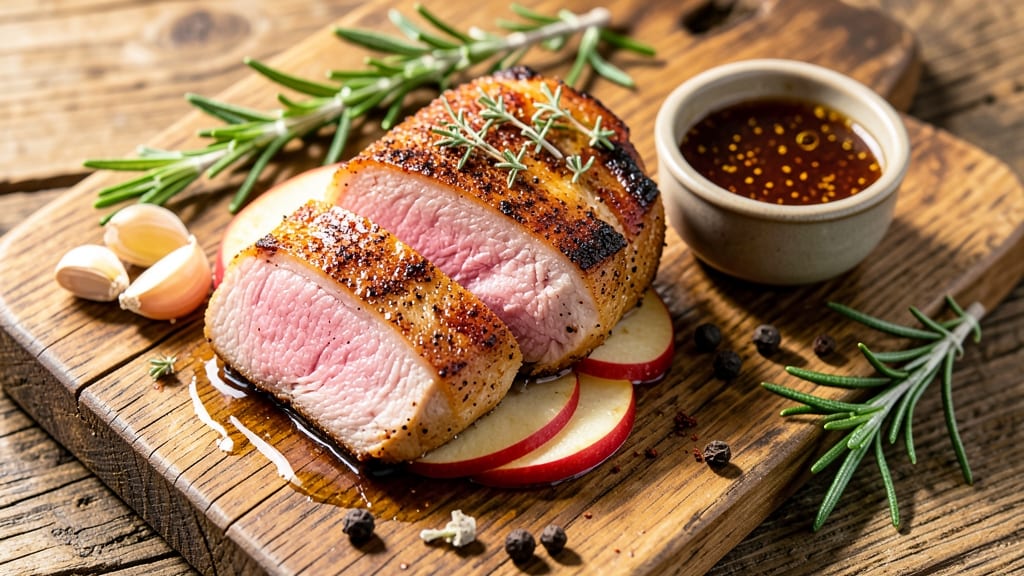
This apple cider vinegar pork marinade transforms tough cuts into melt-in-your-mouth perfection in just 30 minutes. 🔥 As someone who's spent years perfecting pork at Atlanta's Smoky Pig, I can tell you this marinade cuts through connective tissue while infusing rich, tangy-sweet flavor that clings to every bite.
The acidity does the heavy lifting—tenderizing and jumpstarting the Maillard reaction for maximum caramelization. What sets this marinade apart is the balanced ratio of vinegar to sweetness, with honey and brown sugar creating a caramelized crust when seared.
Fresh garlic and rosemary add aromatic depth, while a touch of smoked paprika gives it that subtle BBQ undertone without overpowering. The secret weapon? Letting the pork marinate at room temperature for the final 15 minutes—this ensures even penetration and a perfect sear.
By the time you pull that pork from the marinade, you'll have meat that's tender enough to cut with a fork yet maintains its structure beautifully. The marinade itself becomes a sticky, flavorful glaze when reduced during cooking, creating a crust that's both crisp and caramelized.
This is the kind of marinade that makes even budget cuts taste like premium dry-aged pork. Store any leftover marinade in an airtight container for up to 5 days, or freeze for 3 months—it's versatile enough for chicken, fish, or vegetables too. Let's make pork that impresses every time.
Ingredients for apple cider vinegar pork marinade
Nine simple ingredients transform tough pork into melt-in-your-mouth perfection in minutes.
| Ingredient | Amount | Notes |
|---|---|---|
| Apple Cider Vinegar 🍏 | ½ cup | Raw, unfiltered for best flavor |
| Honey 🍯 | ½ cup | Wildflower preferred for depth |
| Light Brown Sugar 🍚 | ½ cup | Packed for accurate measurement |
| Fresh Garlic Cloves 🧄 | 6 cloves | Minced for even distribution |
| Fresh Rosemary 🌿 | ¼ cup | Chopped, stems removed |
| Smoked Paprika 🌶️ | 1 tbsp | High-quality for smoky depth |
| Kosher Salt 🧂 | 1 ½ tsp | Diamond Crystal preferred |
| Black Peppercorns 🌶️ | ½ tsp | Freshly ground for aroma |
| Olive Oil 🫒 | ¼ cup | Extra-virgin for richness |
The apple cider vinegar is the star—Bragg or Texas Pete are my go-tos, but any raw, unfiltered brand works. That tangy acidity breaks down proteins while infusing flavor. The honey and brown sugar combo creates a caramelized crust when seared, so don't skimp on quality. Wildflower honey adds subtle floral notes that pair beautifully with pork. For the rosemary, grab fresh sprigs from the grocery store's produce section—they keep for days in the fridge wrapped in damp paper towels. Smoked paprika? Penzeys or the bulk bins at Whole Foods have the best quality.
No apple cider vinegar? White vinegar or lemon juice in a pinch, but the flavor won't be quite the same. Substitute honey with maple syrup if you prefer. Fresh rosemary missing? Dried rosemary at one-third the amount works, though it lacks that fresh aroma. The olive oil matters—use something fruity and high-quality. California Olive Ranch is my go-to for marinades. For extra heat, add a pinch of cayenne. If you're using this on chicken or fish, reduce the vinegar to 1/4 cup to prevent over-acidifying delicate proteins.
This marinade keeps for 5 days in the fridge or 3 months frozen. Store in an airtight container with a lid. I like to portion it into ice cube trays for single-use servings—just pop out what you need. The leftover marinade makes an incredible glaze when reduced by half on the stove. For best results, let the pork marinate at room temperature for the final 15 minutes before cooking—this ensures even penetration and maximum tenderness.
Why You'll Love This Recipe
- Five-Ingredient Magic: I swear by this combo—just vinegar, honey, sugar, garlic, and rosemary. No fancy gadgets, no stress, just a bowl and a whisk. Honestly, it’s the kind of marinade that makes me feel like I actually cooked something special, even when I didn’t.
- Sweet-Savory Balance: That honey and brown sugar caramelize into the pork while the vinegar keeps it bright, and the rosemary? It adds this earthy punch that sticks with you. Between us, it’s the kind of flavor that makes people ask, “What’s in this?”—and then they beg for the recipe.
- Weeknight & Potluck Star: Throw it on chicken thighs for Tuesday dinner or slather it on pork chops for a Sunday roast. I’ve even used the leftovers to glaze roasted carrots—versatile enough for a lazy night or a crowd-pleasing dish. (Yes, even on a Tuesday night.)
- Budget-Friendly Upgrade: Pork chops or shoulder on sale? This marinade turns them into something restaurant-worthy without breaking the bank. Plus, the leftovers keep for days, so I’m never scrambling to figure out what to make with that half-pound of pork I “forgot” about.
Step-by-step instructions for apple cider vinegar pork marinade
Here's how to blend this flavor-packed marinade that transforms tough pork into tender, juicy perfection.
👨🍳 Step 1: Whisk Together Wet Ingredients
In a medium bowl, combine the 0.5 cup apple cider vinegar, 0.5 cup honey, and 0.25 cup olive oil. Use a whisk to blend until smooth—this ensures the honey dissolves completely and you get an even distribution of flavors. The vinegar will start to cut through the honey's thickness right away, creating a glossy, syrupy base.
I like to give this mixture a quick taste at this stage to check the balance. It should be tangy-sweet with a hint of acidity. If it tastes too sharp, add a teaspoon more honey; if it's too mild, add another splash of vinegar. This marinade works best when the flavors are harmonized from the start.
👨🍳 Step 2: Add Dry Ingredients and Rosemary
In a small bowl, mix together the 0.5 cup light brown sugar, 1 tbsp smoked paprika, 1.5 tsp kosher salt, and 0.5 tsp freshly ground black peppercorns. This dry blend is where the smoky, spicy depth comes from—don't skip grinding those peppercorns fresh, as pre-ground pepper loses its aroma quickly.
Now, add this dry mixture to your wet ingredients along with the 0.25 cup chopped fresh rosemary. Stir vigorously until everything is fully incorporated. You'll notice the mixture darkens slightly as the spices and rosemary meld with the honey and vinegar. The rosemary should be evenly distributed—no clumps of herb should remain.
🔪 Step 3: Mince the Garlic and Incorporate
While the other ingredients marinate, mince the 6 cloves fresh garlic as finely as possible. The smaller the pieces, the more evenly they'll distribute throughout the pork. I like to use the flat side of my chef's knife to crush the cloves slightly before mincing—this makes them easier to chop finely.
Add the minced garlic to the marinade and stir well. You'll smell that wonderful garlic aroma immediately—this is where the marinade gets its bold, savory punch. Let the mixture sit for 2-3 minutes to allow the garlic to infuse fully. The color should deepen slightly, and the scent should be rich and aromatic.
⏰ Step 4: Marinate the Pork Properly
Place your pork (chops, tenderloin, or shoulder) in a resealable plastic bag or shallow dish. Pour the marinade over the pork, ensuring it coats all surfaces evenly. For best results, I like to use a zip-top bag and gently massage the marinade into the meat, working it into any crevices or thick parts.
Refrigerate the pork for at least 4 hours—overnight is even better. The acid in the apple cider vinegar works its magic during this time, breaking down tough muscle fibers while infusing the pork with deep, complex flavors. Don't rush this step; patience is key to achieving that signature tender texture the marinade promises.
🔥 Step 5: Cook and Serve
When ready to cook, remove the pork from the marinade (reserve the leftover marinade for basting). Heat your grill, oven, or skillet to medium-high heat. Cook the pork until it reaches an internal temperature of 145°F for whole cuts or 155°F for ground pork, using a meat thermometer for accuracy.
The marinade will caramelize beautifully as it cooks, creating a glossy glaze on the pork. For extra flavor, brush the reserved marinade over the meat during the last 2-3 minutes of cooking. Serve immediately with any pan juices for maximum flavor impact—this marinade doesn't just tenderize, it transforms your pork into a showstopper dish.
Pro Tips For Making Apple Cider Vinegar Pork Marinade
- Simmer the Vinegar: Heat the apple cider vinegar for 2-3 minutes before mixing—it mellows the sharpness and helps the honey and sugar dissolve faster. I used to skip this, and the marinade always tasted raw and acidic afterward.
- Mince Garlic Like You Mean It: Don’t just chop those garlic cloves—smash them first, then mince into a paste. This releases more flavor and blends better into the sticky marinade. (Yes, it’s extra work, but your pork will taste like it’s from a butcher shop.)
- Don’t Drown the Pork: Use just enough marinade to coat the meat, not submerge it. Too much liquid dilutes the flavors and makes the pork soggy. A 1:2 ratio (marinade to pork) is perfect—enough to cling, not enough to swim.
- Toast the Rosemary First: Dry-toast the rosemary sprigs in a pan for 30 seconds until fragrant, then chop. This deepens the piney aroma and makes the flavor pop. (Skip this, and your pork will taste like it’s missing something—trust me.)
Flavor customization for these flavors
Sweet Heat Balance
Adjust the sweet-to-tangy ratio to match your taste: I like to add 1 tsp cayenne pepper for heat or 1 tbsp maple syrup for extra sweetness. For a smoky kick, swap 1 tbsp smoked paprika with ½ tsp chipotle powder.
The key is balancing—too much vinegar makes pork tough, while too much sugar masks the rosemary's aroma. 🌶️
Herb Variations
Swap rosemary for thyme (½ cup chopped) for a French-inspired twist or cilantro (¼ cup chopped) for a Mexican-inspired marinade. For Mediterranean flavors, add 1 tbsp dried oregano and 1 tsp lemon zest.
Fresh herbs always work best, but dried versions (at ⅓ the amount) work in a pinch. I keep rosemary in my marinade because it stands up to the vinegar's sharpness.
Citrus Brightness
Add 2 tbsp fresh orange juice or lemon juice to brighten the marinade—this cuts through the richness beautifully. The citrus also adds a subtle floral note that pairs perfectly with pork.
For extra zing, add 1 tsp grated orange zest or lemon zest along with the garlic. The acidity from the citrus enhances the apple cider vinegar's tang while adding freshness. 🍊
Umami Boosters
For deeper savory flavor, stir in 1 tbsp soy sauce or 1 tsp fish sauce (use sparingly). A splash of balsamic vinegar (2 tbsp) adds complexity, while 1 tsp Worcestershire sauce brings umami richness.
These additions work especially well for pork chops or tenderloin, where you want that extra layer of flavor. I often use soy sauce when serving this marinade with Asian-inspired sides.
Spice Blend Swaps
Replace smoked paprika with 1 tsp ground coriander and ½ tsp cinnamon for a Middle Eastern-inspired marinade. For a Cajun twist, add ½ tsp onion powder, ½ tsp garlic powder, and ¼ tsp cayenne.
These blends change the marinade's profile entirely while keeping the apple cider vinegar's tangy backbone. Always taste as you go—spices can intensify during cooking.
Sweetener Alternatives
Swap honey for molasses (½ cup) for a deeper, almost caramel-like sweetness or agave nectar (⅓ cup) for a neutral sweetness. Brown sugar can also be replaced with coconut sugar (½ cup) for a lower-glycemic option.
Each sweetener alters the marinade's texture and flavor—molasses adds a molasses-like depth, while agave keeps things lighter. I prefer honey for its floral notes, but molasses works wonders for pulled pork recipes. 🍯
Nutrition facts
Frequently asked questions
Can I use this marinade on other meats besides pork?
This marinade works beautifully on chicken thighs, beef steaks, or even salmon. For delicate fish, reduce the apple cider vinegar to ¼ cup to prevent over-acidifying. The honey and rosemary pair especially well with chicken, while the smoky paprika adds depth to beef. Just adjust marinating times—chicken needs 2-4 hours while fish only requires 30-60 minutes.
How do I prevent the pork from becoming too acidic or tough?
The key is balance and timing. Never marinate pork longer than 12 hours—the acidity breaks down proteins but can make meat mushy if overdone. For extra tender results, let the pork sit at room temperature for 15 minutes before cooking. Also, pat the meat dry before marinating to help the flavors penetrate better. If using lean cuts like tenderloin, reduce marinating time to 4-6 hours.
What's the best way to store leftover marinade?
Store any unused marinade in an airtight container in the fridge for up to 5 days or freeze for 3 months. For single-use portions, freeze it in ice cube trays. The leftover marinade makes an amazing glaze—simply reduce it by half on the stove with a splash of water. Just remember: never reuse marinade that's touched raw meat unless you boil it first to kill bacteria.
Can I make this marinade without honey?
Yes! Swap honey for ½ cup maple syrup or ⅓ cup agave nectar for a similar sweetness level. For a deeper flavor, try ½ cup molasses—it adds a rich, almost caramel-like note that works especially well for pulled pork. If you're avoiding sugar entirely, use ¼ cup coconut sugar instead. The vinegar's tang will still shine through, but the texture will be slightly thicker.
Why does my pork turn out dry after marinating?
Over-marinating or cooking at too high heat are the most common culprits. For best results, cook pork to 145°F internal temp and let it rest 5-10 minutes before slicing. The acid in the marinade draws out moisture, so don't skip the resting step. Also, avoid thick cuts on high heat—opt for medium heat and cook slowly. For extra juiciness, baste with reserved marinade during the last 2-3 minutes of cooking.