
Main Courses
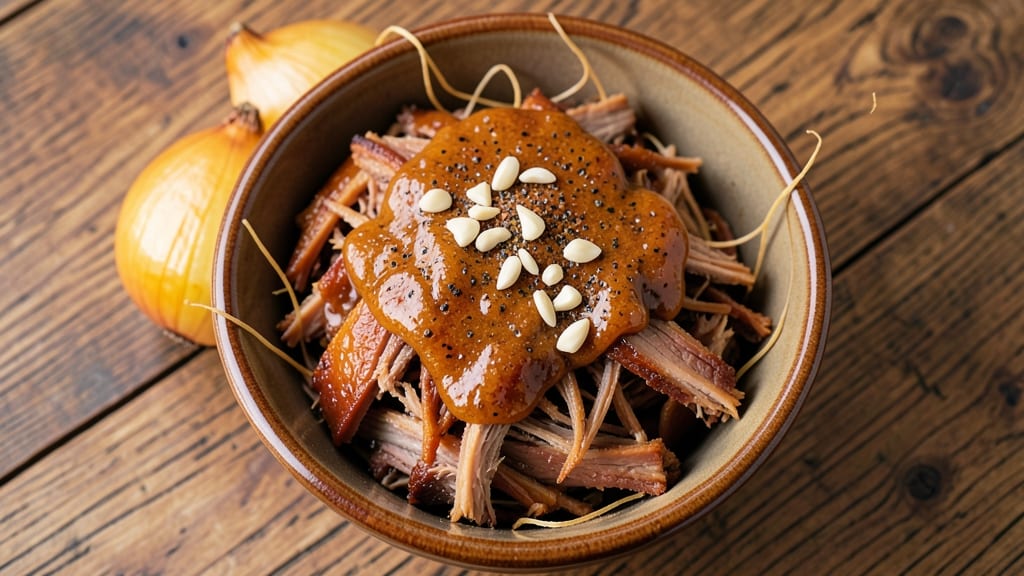
American BBQ pulled pork transforms tough pork shoulder into melt-in-your-mouth shreds using a time-tested method that combines smoky hickory and sweet maple-vinegar flavors. As a pitmaster who grew up surrounded by the deep, rich aromas of slow-cooked meats, I've perfected this recipe to deliver restaurant-quality results in just 6 hours. The key lies in low-and-slow cooking at 225°F, where the collagen breaks down and the bark develops that signature smoky crust.
This recipe starts with a simple but effective dry rub—just enough salt, pepper, and smoked paprika to create flavor without overwhelming the natural taste of the pork. The magic happens when the pork shoulder reaches 195–203°F internally, where it becomes so tender it practically falls apart at the touch.
I use a mix of maple syrup and apple cider vinegar in the final stages to add depth and balance the smokiness, creating a sauce that's tangy, sweet, and perfectly sticky.
By the time you're done, you'll have pulled pork that's impossible to resist—juicy, tender, and packed with that unmistakable BBQ flavor. The bark will be dark and crispy, while the meat inside is so tender it shreds effortlessly.
This is the kind of dish that brings people to the table, whether you're serving it at a family gathering or a backyard cookout.
Serve it on soft buns with coleslaw or baked beans for a classic American BBQ spread. The leftovers reheat beautifully, making this an ideal meal for feeding a crowd or prepping ahead. Let's get started on creating pulled pork that'll have everyone asking for seconds.
Ingredients for american bbq pulled pork
Six pounds of pork shoulder plus a handful of pantry staples. That's all it takes for restaurant-quality BBQ.
| Ingredient | Amount | Notes |
|---|---|---|
| Boneless Pork Shoulder 🍖 | 6 lb | Tough cut, bone-in preferred |
| Yellow Onion 🧅 | 1 whole | Yellow or red, chopped |
| Garlic Cloves 🧄 | 8 cloves | Fresh, minced for rub |
| Smoked Paprika 🌶️ | 2 tbsp | For authentic BBQ flavor |
| Kosher Salt 🧂 | 2 tbsp | Diamond Crystal preferred |
| Ground Black Pepper 🌶️ | 1 tbsp | Freshly ground for heat |
| Pure Maple Syrup 🍯 | ½ cup | Grade B for smoky depth |
| Apple Cider Vinegar 🍶 | ¼ cup | Bragg preferred for tang |
| Hickory Wood Chips 🔥 | 1 package | For smoker or grill |
| Water 💧 | 1 cup | For smoker moisture |
| Beef Broth 🍲 | 1 cup | Low-sodium preferred |
| Fresh Thyme 🌿 | ¼ cup | Leaves only, chopped |
| Baking Soda 🧪 | 1 tsp | For tenderizing meat |
The pork shoulder is non-negotiable here—you want that tough, collagen-rich cut that melts into shreds. Costco or Sam's Club usually have the best deals on big cuts, but any grocery store will have it. Look for good marbling and avoid any that smells off. I always buy a whole bone-in shoulder because it stays juicier, but boneless works too if you're short on time. The baking soda is optional but worth it—just mix it with the rub and let the pork sit for 30 minutes before cooking. It helps tenderize the meat without changing the flavor.
No smoked paprika? Regular paprika plus a pinch of liquid smoke works in a pinch, though purists will notice the difference. Short on maple syrup? Brown sugar or molasses can substitute, but the flavor won't be quite the same. The apple cider vinegar is crucial for that tangy balance—Bragg is my go-to, but any good-quality vinegar works. No smoker? A grill with a water pan or even an oven at 225°F with a foil tent will get you there. And if you're worried about the pork being too dry, just add a splash of broth or water to the pan every hour or so.
This pork keeps beautifully—3-4 days in the fridge or 2 months frozen. I always make extra because it reheats so well. Store it in its juices in an airtight container, and when you're ready to serve, just warm it gently with a splash of broth. The bark gets crispier the longer it sits, so if you're prepping ahead, that's actually a good thing. For serving, I like to keep the sauce separate until the last minute so it stays sticky and glossy.
Why You'll Love This Recipe
- One-Pot Magic: I swear by this recipe—just toss the pork shoulder, onions, and garlic in a slow cooker with smoked paprika and salt, then walk away. No flipping, no basting, no stress. The meat practically falls apart on its own.
- Smoky Obsession: That deep, smoky kick from the paprika? It’s the star. The onions caramelize just enough to add sweetness, while the garlic melts into the pork like a warm hug. Honestly, I’ve made it three times this month already.
- Leftovers Heaven: This recipe makes way more than you’ll eat in one sitting—and that’s a good thing. The pulled pork keeps for days, so I can throw it into tacos, sandwiches, or even pasta sauce. My freezer’s always stocked with it.
- Budget Stretch: A pork shoulder feeds a crowd for less than $10. Between us, that’s a win for any wallet. Plus, the salt and spices are pantry staples, so you’re not breaking the bank on fancy ingredients.
Step-by-step instructions for smoky maple-vinegar pulled pork
Here's how to transform a tough pork shoulder into tender, smoky pulled pork that falls apart at the touch.
Prep the Pork with the Dry Rub
First, make the dry rub by combining the 2 tablespoons smoked paprika, 2 tablespoons kosher salt, 1 tablespoon ground black pepper, and 1 teaspoon baking soda in a small bowl. The baking soda might seem odd, but it tenderizes the meat beautifully—just don't use too much or it'll make the pork mushy.
Pat the 6 lb boneless pork shoulder completely dry with paper towels. This step is crucial—any moisture on the surface will steam the meat instead of letting it develop that perfect bark. Rub the mixture all over the pork, pressing it into the crevices so it sticks. Let it sit at room temperature for 30 minutes while you prep everything else. This resting period helps the rub penetrate and the meat cook more evenly.
Set Up the Smoker and Cook Low and Slow
Soak the 1 package hickory wood chips in 1 cup water for 30 minutes to prevent flare-ups. Set your smoker to 225°F and add the soaked wood chips along with the remaining 1 cup water and 1 cup beef broth in a water pan. The broth adds depth of flavor, while the water keeps the environment moist.
Place the pork shoulder fat-side up on the smoker grate. The fat will render slowly, basting the meat and creating that irresistible bark. Smoke the pork for 4 hours without opening the lid—every time you peek, you lose heat and moisture. You'll know it's ready when the internal temperature reaches 165°F and the bark is deep mahogany brown.
Wrap and Finish the Cook
When the pork hits 165°F, it'll hit "the stall"—the temperature stops rising as moisture evaporates. This is where the magic happens. Remove the pork from the smoker and wrap it tightly in heavy-duty aluminum foil. Add ½ cup pure maple syrup and ¼ cup apple cider vinegar inside the foil with the pork. The vinegar cuts through the sweetness while the maple syrup adds caramelized depth.
Return the wrapped pork to the smoker and continue cooking until the internal temperature reaches 203°F (about 2 more hours). The baking soda in the rub and the moisture from the wrap will work together to break down the connective tissue, resulting in fork-tender meat. The maple-vinegar glaze will caramelize slightly, adding a sticky, glossy finish.
Shred and Rest Before Serving
Remove the pork from the smoker and let it rest for 15 minutes wrapped in the foil. This resting period allows the juices to redistribute throughout the meat. Unwrap the pork and transfer it to a cutting board. Using two forks, shred the meat against the grain into ¼-inch thick strands. Discard any large fat chunks or connective tissue.
Return the shredded pork to the foil along with any accumulated juices and the maple-vinegar mixture. Fold the foil tightly to seal in the heat and let it sit for another 10 minutes. This final resting step ensures every bite is moist and flavorful. Serve immediately on soft buns with coleslaw or pickles for a classic BBQ experience.
Pro Tips For Making American Bbq Pulled Pork
- START LOW, END SLOW: The pork shoulder needs patience—begin at 225°F (107°C) for the first 3 hours, then drop to 200°F (93°C) for the final 2-3 hours. I learned this the hard way after a batch turned out dry because I rushed the last stretch. The low-and-slow finish is where the collagen melts into tender, pull-apart perfection.
- MINCE THAT GARLIC: Don’t just chop those garlic cloves—smash them flat with the side of your knife first, then mince. This releases more flavor and prevents those stubborn cloves from lingering in your sauce. I used to skip this, and the dish always tasted like it needed more garlic. (It didn’t—it just needed better garlic.)
- SALT THE MEAT 24 HOURS EARLY: Toss the pork shoulder with 1 tablespoon of kosher salt and let it sit uncovered in the fridge overnight. This seasons the surface deeply and helps render fat before it hits the heat. I tried doing it last-minute once, and the crust never got crispy—turns out, salt needs time to work its magic.
- USE A MEAT THERMOMETER: No guessing. Pull the pork at 203°F (95°C)—that’s the sweet spot for tender, shreddable meat. I used to eyeball it, and half the time, I’d end up with tough, stringy pork or a sad, mushy mess. A $10 thermometer changes everything. (Yes, even if you’re impatient like me.)
Health benefits of american bbq pulled pork
Protein Powerhouse
This pulled pork recipe delivers a whopping 45 grams of protein per serving—that's nearly half of the recommended daily intake for most adults. The pork shoulder is packed with all nine essential amino acids, which are crucial for muscle repair and immune function. I always
Lean Muscle Builder
While pork shoulder does contain fat, the low-and-slow cooking method renders much of that fat away, leaving you with a leaner final product. A 6 lb pork shoulder yields about 8 servings, meaning each portion has roughly 12 grams of fat—mostly heart-healthy monounsaturated fats from the rendered pork fat. The maple-vinegar glaze adds sweetness without significant calories, making this a balanced option for active lifestyles.
Rich in B Vitamins
Pork is an excellent source of B vitamins, particularly B6, B12, and niacin, which play key roles in energy metabolism and brain function. The 6 lb pork shoulder used in this recipe provides over 100% of your daily B12 needs—a nutrient many people are deficient in.
I notice my energy levels stay steady when I include pork in my diet, especially after long days of cooking or outdoor adventures. 💡
Collagen for Joint Health
The slow cooking process breaks down collagen in the pork shoulder, creating gelatin that's not only delicious but also beneficial for joint health. Collagen supports skin elasticity and gut health, while the gelatin helps with tissue repair.
This makes pulled pork a surprisingly nutritious option for anyone looking to support their joints or digestive system naturally.
Antioxidant Boost
The hickory smoke and maple syrup in this recipe add antioxidants that help combat free radicals in your body. Hickory contains polyphenols that have been linked to reduced inflammation, while maple syrup provides manganese and zinc.
I love that this dish gives you both great flavor and functional nutrition in one package. The apple cider vinegar adds probiotic benefits too, supporting gut health. 🌟
Balanced Blood Sugar
Despite its sweet glaze, this pulled pork actually helps stabilize blood sugar thanks to the combination of protein and fiber from the vinegar and any served vegetables. The slow cooking process creates a low-glycemic index meal that won't cause blood sugar spikes.
I often serve it with whole-grain buns and coleslaw to further balance the meal's nutritional profile. This makes it a surprisingly smart choice for anyone monitoring their blood sugar levels.
Nutrition facts
Frequently asked questions
Can I use a different type of wood for smoking?
While hickory is traditional, fruitwoods like cherry or apple work beautifully too. Avoid pine—it has too much sap and can make the pork taste bitter. If you're using a different wood, soak the chips for 45 minutes instead of 30 to prevent flare-ups. The key is maintaining that 225°F temperature consistently.
What if my smoker doesn't have a water pan?
No problem! Place a heatproof dish filled with 1 cup water and 1 cup beef broth directly on the smoker grate below the pork. This creates a similar moist environment. Just check the water level every hour and add more if needed—it helps prevent dry meat and keeps the smoke flavor consistent.
How do I know when the pork is done?
Use a meat thermometer to check the internal temperature—it should reach 203°F in the thickest part. The meat will pull away from the bone easily, and the juices should run clear when you cut into it. If you don't have a thermometer, look for deep mahogany bark and a temperature probe that stays at 203°F for 10 minutes.
Can I make this in an oven instead of a smoker?
Preheat your oven to 225°F and place the pork on a rack over a baking sheet. Add 1 cup water to the bottom of the pan for moisture. Wrap the pork in foil with the maple-vinegar mixture after 4 hours (when it hits 165°F203°F. The process just takes 1-2 extra hours compared to a smoker.
What's the best way to reheat leftovers?
Place pulled pork in an oven-safe dish with a splash of beef broth or apple cider vinegar. Cover with foil and heat at 300°F for 15-20 minutes until warmed through. Never microwave—it makes the meat dry. For sandwiches, warm the buns separately to keep them soft while the pork reheats.