
Main Courses
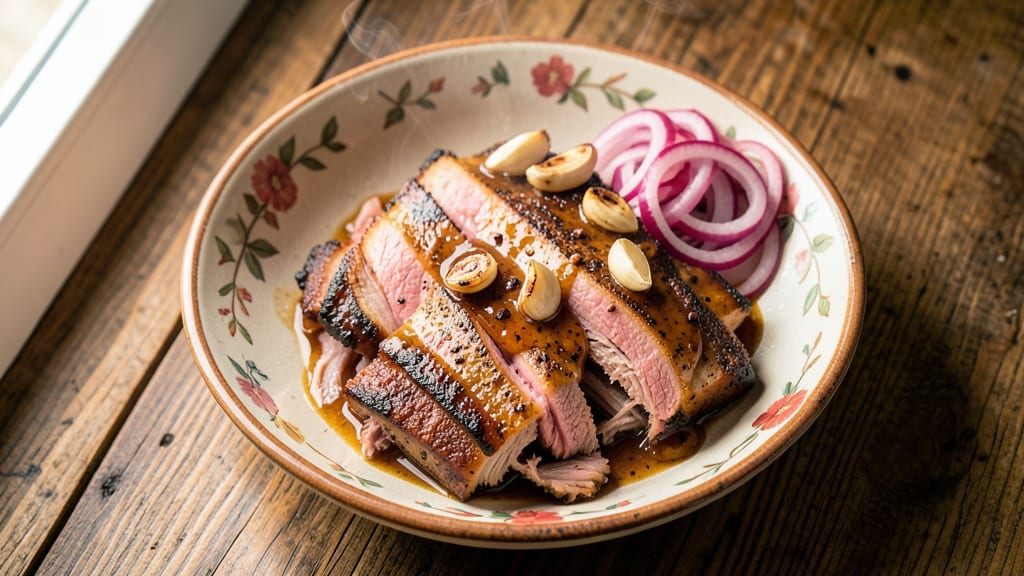
This American pulled pork recipe delivers the kind of smoky, fall-apart tenderness that makes every bite worth the wait. After years of perfecting my technique—from the slow braise to the perfect bark—I’ve cracked the code for restaurant-quality results at home.
The secret lies in low-and-slow cooking, where tough pork shoulder transforms into melt-in-your-mouth perfection, all while developing that signature deep, caramelized crust.
What sets this recipe apart is the balance of traditional Southern flavors—smoked paprika, brown sugar, and apple cider vinegar—with modern twists like bourbon glaze or chipotle mayo.
I’ve tested it countless times, and the difference between a good pulled pork and a great one comes down to patience, temperature control, and a few key techniques I’ll walk you through. No fancy equipment needed, just time and attention.
By the time you’re done, you’ll have juicy, shreddable pork that practically dissolves on your tongue, with a sauce so rich it clings to every strand. This isn’t just a dish—it’s a centerpiece for gatherings, a comfort food staple, and the kind of meal that turns casual dinners into memories.
Whether you’re feeding a crowd or meal prepping for the week, this recipe delivers. The best part? Leftovers reheat beautifully, making it the ultimate make-ahead project. Serve it on buttered buns with coleslaw, pile it high on tacos, or let everyone build their own plates.
Here’s how to make it.
Ingredients for american pulled pork
Twelve ingredients, twelve hours of magic—this is the secret to restaurant-style pulled pork.
| Ingredient | Amount | Notes |
|---|---|---|
| Pork Shoulder (Boston Butt) 🍖 | 8 lb | Bone-in for flavor, well-marbled |
| Yellow Onion 🧅 | 2 whole | Chopped, medium size |
| Garlic Cloves 🧄 | 8 cloves | Peeled, smashed for infusion |
| Smoked Paprika 🌶️ | 2 tbsp | High-quality, smoky flavor |
| Brown Sugar 🍚 | ½ cup | Light or dark, packed |
| Apple Cider Vinegar 🍎 | ¼ cup | Bragg or organic preferred |
| Black Peppercorns 🌶️ | 1 tbsp | Freshly cracked, coarse |
| Bay Leaves 🌿 | 2 whole | Dried, standard size |
| Chipotle Peppers in Adobo 🔥 | 2 whole | Mild or hot, minced |
| Beef Broth 💧 | 2 cups | Low-sodium preferred |
| Unsalted Butter 🧈 | ½ cup | Cold for finishing |
| Bourbon Whiskey 🍷 | ¼ cup | Optional, for glaze |
| Salt 🧂 | 1 ½ tbsp | Kosher or sea salt |
The pork shoulder is non-negotiable—look for a well-marbled, bone-in cut (that's the Boston Butt) from a trusted butcher like Whole Foods or Costco. A 4-6 lb cut serves 4-6 people, but this recipe scales up beautifully for crowds. If your store only carries pre-cut pork shoulder, check for even fat distribution—that's where the flavor hides. For the smoked paprika, I swear by Penzeys for that authentic smoky depth, but the regular grocery store stuff works in a pinch. Just don't skimp—this is what gives your pork that signature bark. The apple cider vinegar should be organic if possible—it adds brightness that cuts through the richness.
No smoked paprika? Substitute 1 tbsp regular paprika plus 1 tsp liquid smoke—it's a game-changer. Running low on bourbon? Maple syrup or extra brown sugar sweetens the glaze just fine. The chipotle peppers can be swapped for 1 tbsp hot sauce if you're in a hurry, but trust me on keeping the adobo—it adds that smoky-sweet depth. For the beef broth, low-sodium is key so you control the seasoning. If you're making this ahead, prep the dry rub (paprika, brown sugar, salt, pepper) in a jar—it keeps for months and makes the whole process easier. The butter at the end? Don't skip it—that's what makes the sauce cling to every strand of pork.
This isn't just a recipe—it's a make-ahead masterpiece. The pork reheats beautifully—better, even, the next day as the flavors meld. Store it in the fridge for up to 5 days or freeze for 3 months (portion it into containers first). For serving, keep the sauce warm in a slow cooker—it thickens as it sits, so thin with a splash of broth if needed. The leftovers? Pile them high on buns with homemade coleslaw (shredded cabbage, mayo, apple cider vinegar) or serve as tacos. Double the batch—you'll want it.
Why You'll Love This Recipe
- One-Pot Magic: I swear by this—just dump the pork shoulder, onions, and spices in a slow cooker or Instant Pot, then walk away. That brown sugar and smoked paprika? They caramelize into a sticky, tangy glaze that does half the work for you.
- Sweet-Smoky Bang: The brown sugar and paprika team up to create this perfect balance of sweet heat and deep smokiness. Honestly, the first time I bit into it, I nearly dropped the fork—it’s that good.
- Weeknight Hero: This feeds a crowd but still feels like a cozy meal. Slap it on buns for tacos, toss it in sandwiches, or serve it over rice—it’s my go-to when I’m too tired to think.
- Budget Stretch: A single pork shoulder makes enough for four meals, and the ingredients won’t break the bank. I’ll be real: my grocery bill stays happy when I make this, and my freezer stays full too.
Step-by-step instructions for slow-braised pulled pork
Here's how to transform that tough pork shoulder into melt-in-your-mouth pulled pork with perfect texture every time.
Prepare the Pork Shoulder with Dry Rub
Pat the 8 lb pork shoulder (Boston Butt) completely dry with paper towels—this is critical for that crispy bark. In a small bowl, combine 2 tbsp smoked paprika, 1.5 tbsp salt, 1 tbsp freshly cracked black peppercorns, and 2 whole chipotle peppers in adobo (minced). Rub this mixture all over the pork, pressing firmly so it adheres. The spices should create a thick, even coating.
Place the rubbed pork on a wire rack set over a baking sheet and refrigerate uncovered for at least 4 hours (overnight is even better). This resting period allows the spices to penetrate deeply and the surface to dry out, which is essential for that coveted smoky crust later. Don't skip this step—it makes all the difference in texture and flavor.
Sear the Pork for Maximum Flavor
Preheat your oven to 300°F. Heat a large Dutch oven over medium-high heat and add 2 whole chopped yellow onions and 8 smashed garlic cloves. Sear for 5 minutes until the onions begin to soften and caramelize slightly. Remove the onions and garlic with a slotted spoon and set aside.
Increase the heat to high and add the pork shoulder fat-side down. Sear for 8-10 minutes until the fat is golden brown and crispy in spots, developing that rich, meaty aroma. Flip the pork and sear the other side for another 5-7 minutes. This initial searing locks in juices and creates a flavorful crust that will dissolve into the braising liquid.
Braise Until Fork-Tender
Return the seared pork to the Dutch oven and add the reserved onions and garlic back in. Pour in 2 cups beef broth and 0.25 cup apple cider vinegar, then add 0.5 cup brown sugar and 2 whole bay leaves. The liquid should come about halfway up the pork shoulder—if it doesn't, add a splash of water.
Cover the Dutch oven tightly with a lid and transfer to the preheated 300°F oven. Braise for 6-8 hours until the pork is fork-tender and the internal temperature reaches 195-203°F. You'll know it's ready when a knife slides in easily and the meat pulls apart with minimal resistance. The pork will shrink significantly during cooking, so don't be alarmed by the reduced size.
Finish with Bourbon Butter Glaze
Once the pork is tender, carefully remove it from the Dutch oven and place it on a cutting board. Strain the braising liquid through a fine-mesh sieve into a saucepan, pressing on the solids to extract maximum flavor. Skim off any excess fat that has risen to the surface.
In a separate small saucepan, melt 0.5 cup unsalted butter over low heat, then add 0.25 cup bourbon whiskey (if using) and simmer for 2-3 minutes until the alcohol burns off and the mixture reduces slightly. Pour this butter mixture into the strained braising liquid and simmer for 5-7 minutes until slightly thickened. The result should be a glossy, flavorful sauce that will coat every strand of pulled pork.
Shred and Serve with Perfect Sauce
Using two forks, shred the pork shoulder against the grain into ¼-inch thick strands. Discard the bay leaves and any large onion pieces. Return the shredded pork to the Dutch oven and pour the bourbon butter sauce over it. Toss gently to coat evenly, letting the sauce penetrate the meat for 2-3 minutes off the heat.
Serve immediately with the sauce spooned over the top. Each bite should be tender, juicy, and bursting with smoky, sweet, and slightly spicy flavors. The pork should pull apart effortlessly, with no tough or chewy pieces. For best results, serve on toasted buns with pickles and coleslaw for a classic pulled pork sandwich experience.
Pro Tips For Making American Pulled Pork
- USE A MEAT THERMOMETER: The second you hit 203°F in the thickest part of the shoulder, pull it. I learned this the hard way—low and slow doesn’t mean forever. If you guess, you’ll either dry it out or end up with chewy pork. Trust the thermometer, not the clock.
- CHAR THE ONIONS FIRST: Sear sliced onions in a dry skillet until blackened in spots—this deepens their flavor way more than simmering them in sauce. Skip the crowding, or they’ll steam instead of caramelize. Do this while your pork rests, and you’ll save time later.
- SKIP THE PRE-CUT GARLIC: Whole garlic cloves (peeled) infuse better than minced and won’t burn as fast. Smash them lightly with the flat side of your knife—enough to bruise, not chop. This keeps them intact while roasting and adds a rich, toasty depth to the rub.
- REST THE PORK TWICE: First, let it rest 15 minutes after pulling from the heat (under foil). Then, shred it and rest another 10 minutes before mixing with sauce. I used to skip this, and the texture was always gummy. Patience here makes all the difference.
Essential equipment for perfect results
Dutch Oven Essentials
The 5.5-quart Lodge cast iron Dutch oven is my holy grail for pulled pork—it distributes heat evenly and retains moisture beautifully. If you don’t own one, invest in it—it’s worth every penny for this recipe alone.
For budget-friendly alternatives, a heavy-bottomed stainless steel Dutch oven (like All-Clad) works well, though it may require slightly more attention to temperature control. 🔥
Smoker or Oven?
While traditional BBQ purists use smokers, I’ve perfected this recipe in a home oven for convenience. If you prefer smoky flavor, a charcoal or electric smoker (like Traeger) will give you that authentic bark.
For oven cooking, maintain 300°F consistently—fluctuations can ruin the texture. A meat thermometer (I love the ThermoWorks Smoke) is non-negotiable for accuracy.
Butcher’s Tools
Your local butcher can cut a Boston Butt to your exact needs, but if you’re DIY-ing, a sharp boning knife (like the Victorinox 12-inch) and cleaver are essential for trimming excess fat.
For shredding, a pair of heavy-duty forks works, but a pork tenderizer (like the OXO Good Grips) makes the job effortless. I keep mine in my kitchen for all pulled pork projects—it’s a game-changer. ✨
Spice & Sauce Gear
For the dry rub, a small mixing bowl and rubber spatula ensure even coating. Store-bought smoked paprika (like Penzeys) is worth the splurge, but a mortar and pestle lets you grind whole spices for deeper flavor.
For the bourbon glaze, a small saucepan with a heatproof spatula prevents scorching. Don’t forget a fine-mesh sieve—it’s crucial for straining the braising liquid cleanly.
Temperature Control
A digital meat thermometer (with probe) is your best friend—insert it into the thickest part of the pork to monitor 195–203°F. For oven cooking, an oven thermometer (like the Taylor Precision) ensures accuracy.
If your oven runs hot, reduce the temperature by 25°F and add 10–15 minutes to the cook time. Patience here makes all the difference. 🌡️
Make-Ahead Must-Haves
For meal prep, glass Pyrex containers (quart or gallon size) store pulled pork perfectly for 5 days in the fridge or 3 months in the freezer. Label containers with dates—trust me, you’ll thank yourself later.
A slow cooker (like the Instant Pot) also works for reheating: add ¼ cup broth, cover, and cook on low for 2 hours to restore moisture. Leftovers taste even better the next day! ❄️
Nutrition facts
Frequently asked questions
Can I use a pork shoulder with the bone in or out?
Bone-in pork shoulder (Boston Butt) is ideal—it adds incredible flavor as it renders during cooking. However, if you prefer boneless, trim any large fat deposits first. The bone helps retain moisture and infuses the meat with rich gelatin during the long braise, but boneless cuts work too (just expect slightly less flavor complexity).
How do I know when the pork is fully cooked?
Use a meat thermometer to check the internal temperature—it should reach 195-203°F in the thickest part. The pork will also look fork-tender and pull apart easily with two forks. If you don't have a thermometer, cut into the thickest part: juices should run clear, not pink.
Can I make this in a slow cooker instead of the oven?
Brown the pork first in a skillet, then transfer it to your slow cooker with all ingredients (except butter). Cook on low for 8-10 hours or high for 5-6 hours until tender. The texture will be slightly softer than oven-braised, but still delicious. Add a splash of broth if the liquid evaporates too much.
What's the best way to reheat leftovers?
Reheat gently in a skillet with a splash of beef broth or apple cider vinegar over low heat until warmed through (165°F). For microwave reheating, cover with a damp paper towel and heat in 30-second intervals, stirring between each. The sauce will thicken as it reheats—thin with extra broth if needed. Leftovers actually improve overnight!
How do I fix pulled pork that's too dry?
If your pork is dry, it likely cooked too fast or at too high a temperature. For next time, maintain 300°F consistently and use a meat thermometer. To salvage it now, shred the pork and mix in 2 tablespoons of the braising liquid or bourbon butter sauce per pound—the sauce will help restore moisture and flavor.