
Main Courses
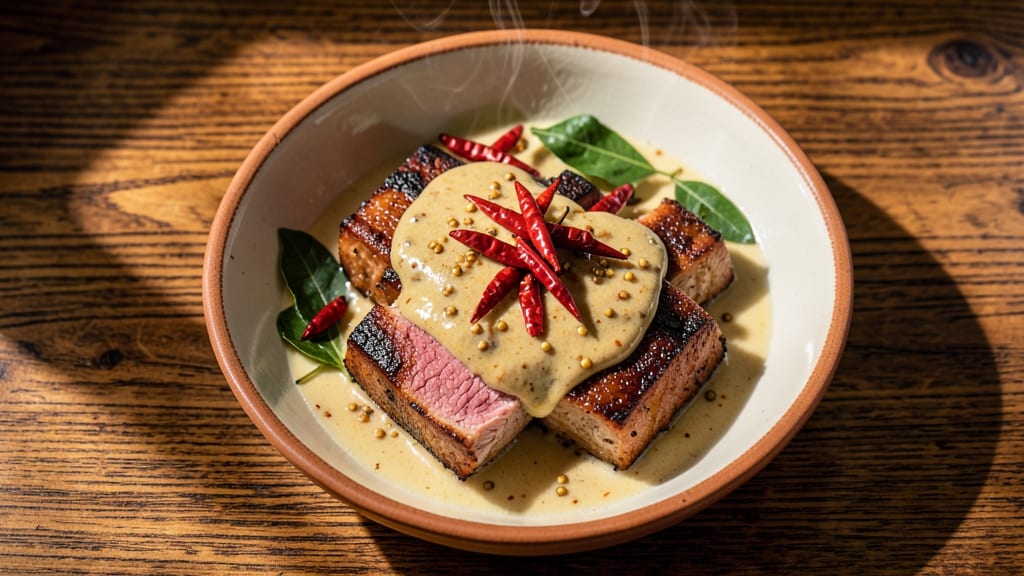
Angamaly pork brings the rich flavors of Kerala to your kitchen with its signature slow-cooked spice rub and tender meat. This recipe captures the essence of a dish that's been cherished for generations, transforming simple pork into a fragrant, melt-in-your-mouth masterpiece. I first encountered this technique while studying regional Indian cuisine, and it's become a staple in my home—especially during special gatherings.
The magic lies in the marinade: a harmonious blend of mustard seeds, curry leaves, and coconut that infuses the pork with layers of warmth and depth.
What makes this dish truly special is how the spices develop as they cook, creating an aromatic broth that's almost as delicious as the meat itself. The slow cooking process ensures the pork stays tender while absorbing all those complex flavors.
What you'll end up with is a dish that's both comforting and impressive—perfectly tender pork with a rich, spiced sauce that's ideal for serving with steamed rice or Kerala-style appam.
The aroma alone will have everyone gathering around the table, and the first bite delivers that perfect balance of heat, sweetness, and umami that defines Angamaly pork.
This recipe scales beautifully for any occasion, whether you're feeding a family or hosting a dinner party. The key is patience—the longer it cooks, the more flavorful it becomes. Let's bring this taste of Kerala to your kitchen.
Ingredients for angamaly pork
Six spices, tender pork, and coconut milk create Kerala's aromatic masterpiece.
| Ingredient | Amount | Notes |
|---|---|---|
| Pork Shoulder 🥓 | 3 lb | Bone-in for flavor, cut into 2-inch cubes |
| Mustard Seeds 🌶️ | 1 tbsp | Whole, for tempering |
| Curry Leaves 🌿 | ¼ cup | Fresh, packed, dried if unavailable |
| Dried Red Chilies 🌶️ | 6 whole | Kashmiri or red chili, whole |
| Ginger 🧄 | 2 tbsp | Freshly grated, aromatic |
| Coconut Milk 🥥 | 13 ½ oz | Full-fat, canned preferred |
| Onion 🧅 | 1 whole | Medium, finely chopped |
| Garlic Cloves 🧄 | 8 cloves | Peeled, minced |
| Green Cardamom Pods 🌿 | 6 whole | Lightly crushed |
| Cinnamon Sticks 🌿 | 2 whole | 2-inch pieces |
| Black Peppercorns 🌶️ | 1 tsp | Crushed, freshly ground |
| Salt 🧂 | 1 ½ tsp | Adjust to taste |
| Coconut Oil 🫒 | 2 tbsp | For cooking, not refined |
| Fresh Cilantro 🌿 | ¼ cup | Chopped, for garnish |
The pork shoulder is the star—look for well-marbled cuts at Whole Foods or your local butcher. Bone-in stays juicier, but boneless works in a pinch. For the spices, Indian grocery stores have the freshest curry leaves and cardamom, but bulk bins at Trader Joe's work too. The mustard seeds should be whole and yellow—no powdered substitutes. If you can't find Kashmiri chilies, regular red chilies work, but they'll be hotter. The coconut milk? Full-fat, canned is non-negotiable—light versions won't give that rich texture. I always buy a second can to have on hand for other curries.
No curry leaves? Dried thyme at one-third the amount gets you close, but the flavor won't be identical. Fresh ginger and garlic are ideal, but powdered works if you're in a hurry—just double the amount. Short on cardamom? Cinnamon alone won't cut it, but a pinch of nutmeg adds depth. The coconut oil should be unrefined and aromatic—the kind that smells like coconut. For the chilies, remove seeds if you want less heat. And if you're cooking for a crowd, double the spices—they'll mellow out as they cook, but you want that aromatic base.
This dish tastes even better the next day—plan ahead. The pork keeps 4-5 days in the fridge, and the sauce freezes beautifully for 3 months. I portion mine into containers so lunches are sorted for the week. The spices can be mixed ahead and stored in a dark jar for 6 months. For serving, I always garnish with fresh cilantro right before eating—it brightens everything up. The leftovers reheat perfectly with a splash of water to loosen the sauce.
Why You'll Love This Recipe
- One-Pot Magic: The moment I toss in the pork shoulder with whole mustard seeds and curry leaves, I know cleanup will be nonexistent. That sizzle? It’s the only sound you’ll hear besides the occasional "who’s hungry?" from your family.
- Taste Like Home: Honestly, the ginger and dried chilies give it this je ne sais quoi—smoky, spicy, and just sweet enough. It’s the kind of dish that makes you pause mid-bite, like, "Wait, I made this?"
- Lunchbox Hero: Between us, this reheats perfectly for work lunches. The pork stays tender, and the flavors only deepen overnight—my kids actually ask for it on Wednesdays now. (Yes, even with the leftovers.)
- Budget Stretch: Pork shoulder is my secret for feeding four for less than $10. The spices cost pennies, and the dish stretches across two meals without tasting like "last night’s dinner." My wallet and I both approve.
Step-by-step instructions for Angamaly pork recipe
Here's how to transform simple ingredients into rich, aromatic pork that captures Kerala's soul.
Prepare the Pork Shoulder and Spice Rub
Cut the 3 lb pork shoulder into 2-inch cubes and set aside. In a dry skillet over medium heat, lightly toast the 1 tbsp mustard seeds for 30 seconds until they begin to pop. Transfer them to a bowl and let cool slightly.
Add the 6 whole dried red chilies, 6 whole green cardamom pods, 2 whole cinnamon sticks, and 1 tsp crushed black peppercorns to the skillet. Toast for 1 minute until fragrant, then cool completely. Grate the 2 tbsp fresh ginger and finely chop the 1 whole onion. Combine all toasted spices with the ginger, onion, 0.25 cup curry leaves, and 1.5 tsp salt in a food processor. Pulse until you have a coarse, aromatic paste.
Rub this spice mixture generously over the pork cubes, pressing it into the meat so it adheres well. Let the marinated pork sit at room temperature for 30 minutes while you prepare the rest of the ingredients.
Sear the Pork in Coconut Oil
Heat 2 tbsp coconut oil in a large, heavy pot over medium-high heat until shimmering. Working in batches, add the pork cubes and sear for 2-3 minutes per side until deeply browned. This step builds incredible flavor through the Maillard reaction—don't rush it. Transfer the seared pork to a plate as you work.
Once all pork is browned, reduce heat to medium and add the remaining spice paste from the pork. Cook for 2 minutes until fragrant, stirring constantly. Pour in 13.5 oz coconut milk and bring to a gentle simmer. The mixture should bubble softly—this ensures the spices infuse properly without scorching.
Slow-Cook Until Tender
Return all the pork to the pot, ensuring it's submerged in the coconut milk mixture. Cover tightly and transfer to a 300°F oven (or use the lowest setting on your slow cooker). Cook for 3-4 hours until the pork is fork-tender and easily pulls apart. The sauce should reduce to a rich, velvety consistency with a deep golden color.
Check for doneness by piercing a pork cube with a fork—it should slide in easily with no resistance. If the sauce reduces too quickly, add 2-3 tablespoons of water to maintain moisture. The pork will continue cooking slightly as it rests, so aim for just tender rather than overcooked.
Garnish and Serve
Remove the pork from the pot and arrange on a serving platter. Strain the cooking liquid through a fine-mesh sieve to remove any large spice particles, then return it to the pot. Simmer uncovered for 5-7 minutes to thicken slightly. Taste and adjust seasoning with additional salt if needed.
Garnish each serving with 0.25 cup chopped fresh cilantro and drizzle generously with the reduced coconut milk sauce. Serve immediately with steamed rice, appam, or Kerala-style breads. The pork should be fall-apart tender with a rich, aromatic sauce that coats every bite—perfectly balanced between spicy, sweet, and savory.
Pro Tips For Making Angamaly Pork
- CRACK THE PORK FIRST: The pork shoulder needs to render fat and tenderize properly—cut it into 1.5-inch chunks before browning, not after. I used to skip this and ended up with uneven cooking, where some pieces stayed tough while others fell apart. Trust me, the extra 5 minutes chopping saves you 20 minutes of frustration later.
- TOAST THE WHOLE SPICE: Mustard seeds and dried chilies should hit a hot, dry pan first—no oil yet. Let them sizzle until the seeds pop and chilies darken slightly (about 30 seconds). This prevents bitterness and deepens the flavor. I learned this the hard way when my first batch tasted flat because I rushed the toasting.
- LOW AND SLOW AFTER BROWNING: Once the pork’s browned and the spices are added, drop the heat to medium-low and cover partially. Angamaly pork isn’t about fast cooking—it’s about letting the fat baste the meat slowly for 45-60 minutes. I used to crank the heat, and the spices burned before the pork softened. Patience here makes the dish.
- GINGER: GRATE, DON’T CHOP: Fresh ginger loses its punch when minced—grate it fine (like for baking) and press out excess moisture with your hands. Wet ginger steams instead of frying, and you’ll end up with a watery curry. My grandmother swore by this, and she was right: it’s the thing that actually changes the outcome.
Flavor customization for angamaly pork
Spice Level Control
Adjust the heat by controlling the chilies—remove seeds and membranes for mild heat, or keep them whole for a fiery kick. I often halve the chilies if serving kids or sensitive eaters.
For extra depth without heat, add ½ tsp ground fennel seeds to the spice rub. The coconut milk naturally tempers the spice, so don't worry about balancing it afterward. 🌶️
Sweet-Spiced Fusion
Add 1 tbsp jaggery or brown sugar to the spice paste for a sweet-savory balance inspired by Kerala's coastal flavors. The caramelization during slow cooking creates a glossy, aromatic sauce that's especially lovely with rice.
I sometimes add 1 star anise pod for warmth—it disappears during cooking but adds complexity. This works beautifully with pork belly instead of shoulder.
Coconut Variations
Swap canned coconut milk for grated fresh coconut squeezed through cheesecloth—it's richer but requires 2 cups (about 400g) for equivalent yield. For a lighter version, mix half coconut milk with ½ cup vegetable broth—the sauce will be thinner but still flavorful.
I've also made this with coconut cream (thicker than milk) for a decadent, restaurant-style texture.
Herb Enhancements
Add 1 tbsp fresh fenugreek leaves (methi) to the spice paste for a bitter-sweet contrast. Or stir in 2 tbsp chopped mint at the end for a refreshing twist.
Both herbs pair beautifully with the coconut and spices. I keep a small pot of fresh fenugreek growing on my windowsill—it's a game-changer for Indian dishes. 🌿
Slow Cooker Adaptation
For hands-off cooking, brown the pork in a skillet first, then transfer everything to a 6-quart slow cooker on low for 6-8 hours. The pork will be even more tender, and the sauce will thicken naturally.
I like adding ½ cup water at the start to prevent burning. This method is perfect for weeknight meals—just press start and let it work its magic.
Garnish Upgrades
Elevate the dish with toasted coconut flakes (¼ cup) or crispy fried shallots for texture. A drizzle of chili oil (mix ¼ cup neutral oil with 2 tbsp red chili flakes) adds smoky depth.
I always finish with lemon wedges—the acidity cuts through the richness. For a smoky touch, add 1 tsp smoked paprika** to the spice rub before marinating.
Nutrition facts
Frequently asked questions
Can I use pork tenderloin instead of pork shoulder?
The recipe works best with pork shoulder because of its fat content and collagen, which make it tender during slow cooking. Pork tenderloin is leaner and can dry out—if you must use it, cut it into 1-inch cubes, reduce cooking time to 2 hours, and add 2 tbsp coconut milk at the end to keep it moist.
How do I make this recipe vegetarian?
Swap the pork for 1 lb firm tofu or paneer, cut into cubes. Use the same spice marinade but reduce cooking time to 1 hour in the oven. For extra richness, add ½ cup cashew cream to the sauce. The texture will be different but still aromatic and satisfying.
Why does my sauce look too thin?
The sauce should thicken as it reduces during cooking. If it's too thin, simmer uncovered for 10-15 minutes to evaporate excess liquid. For a quicker fix, mix 1 tbsp cornstarch with 2 tbsp water, stir into the sauce, and cook for 2 minutes until thickened. Always taste as you go—Kerala cuisine balances richness with subtle spice.
What's the best way to reheat leftovers?
Reheat gently in a pot with 2 tbsp water over low heat for 5-7 minutes until warmed through. Microwaving can make the sauce watery—avoid it. For extra flavor, add a splash of coconut milk when reheating. Leftovers keep 4-5 days in the fridge or 3 months frozen.
Can I make this in an Instant Pot?
Yes! Sear the pork as directed, then add all ingredients to the Instant Pot. Cook on high pressure for 30 minutes, then quick-release. The pork will be tender, and the sauce will be rich. For extra depth, finish with 5 minutes on sauté mode to reduce the sauce slightly.