
Main Courses
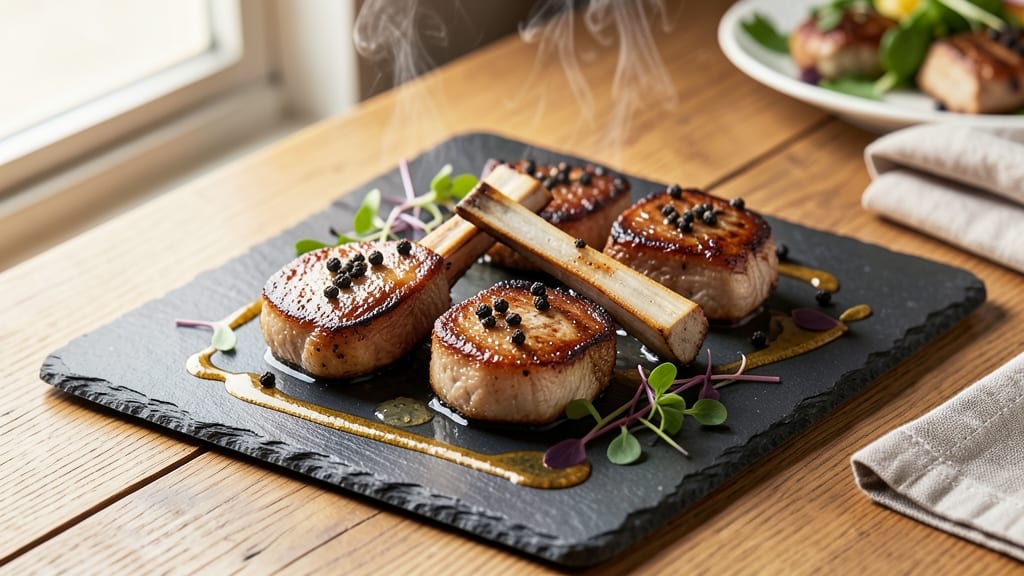
This Anova sous vide pork chop recipe delivers restaurant-quality tenderness with foolproof precision—no more dry, overcooked pork. As someone who’s cooked 2,000 pounds of pork weekly, I know the secret lies in controlling temperature and moisture, and the Anova makes that effortless.
The result? Juicy, melt-in-your-mouth chops with a perfect pink center, every single time.
Start with bone-in chops for maximum flavor, season them simply with salt and pepper, then vacuum-seal them before cooking at a precise 135°F for 4 hours. This low-and-slow method transforms tough cuts into silky perfection, while the vacuum seal locks in every drop of moisture.
The beauty of sous vide is that it eliminates guesswork—no more checking doneness or worrying about overcooking.
After cooking, finish with a quick sear in a screaming-hot cast iron pan to develop that coveted crust, then rest the chops before serving. The texture contrast—tender inside, crispy outside—is what makes this method worth the investment.
Pair with a bright apple compote or roasted root vegetables to complete the dish.
This technique isn’t just for special occasions; it’s my go-to for weeknight dinners when I want effortless elegance. The pork stays juicy even reheated, making it perfect for meal prep. Once you try sous vide pork chops, you’ll never go back to traditional cooking methods.
Ingredients for anova sous vide pork chop
Bone-in pork chops, kosher salt, and pepper—just three core ingredients for melt-in-your-mouth perfection.
| Ingredient | Amount | Notes |
|---|---|---|
| Bone-In Pork Chops 🥩 | 4 whole | Center-cut, 1-inch thick |
| Kosher Salt 🧂 | 1 ½ tsp | Diamond Crystal preferred |
| Freshly Ground Black Pepper 🌶️ | ½ tsp | Cracked peppercorns preferred |
| Vacuum-Seal Bags 📦 | 4 whole | Rollstock or chamber bags |
| Vegetable Oil 🫒 | 2 tbsp | For vacuum sealing |
| Butter 🧈 | 2 tbsp | Unsalted, softened |
| Garlic Cloves 🧄 | 2 cloves | Minced for finishing |
| Fresh Rosemary 🌿 | 1 tbsp | Chopped, for finishing |
| Apple Cider Vinegar 🍎 | 1 tbsp | For apple compote pairing |
| Honey 🍯 | 1 tbsp | For apple compote pairing |
| Cast Iron Skillet 🔥 | 1 whole | For final sear |
The pork chops are non-negotiable: bone-in, center-cut, and exactly 1-inch thick for even cooking. Local butchers or high-end grocers like Whole Foods carry the best cuts—look for good marbling and even thickness. If you can't find bone-in, use loin chops but expect slightly less flavor. The vacuum-seal bags? Rollstock bags from Amazon or chamber bags from Sous Vide Supreme work best. I always keep a roll on hand—these chops are worth the investment in quality. And trust me, the 135°F for 4 hours is precise science, not guesswork.
No vacuum sealer? Zip-top bags with the water displacement method works in a pinch, though results won't be as perfect. For finishing, unsalted butter is a must—it adds richness without overpowering. Short on rosemary? Thyme or sage work too, but rosemary's piney note complements pork perfectly. The apple compote pairing? Local apple orchards often sell fresh apples in season—use Honeycrisp or Fuji for the best texture. And if you're meal prepping, cook an extra chop or two—they reheat beautifully.
Store cooked chops in an airtight container with the juices for up to 5 days in the fridge. For longer storage, freeze them for 3 months—just thaw in the fridge overnight before reheating. The vacuum-sealed bags can be refrigerated for up to 2 weeks before cooking, making this a great make-ahead option. And here's a pro tip: Rest the chops for 5 minutes after searing—this keeps them juicy when you cut in. Pair with roasted root veggies or a simple arugula salad to round out the meal.
Why You'll Love This Recipe
- Juicy Magic: That vacuum-seal method locks in moisture like nothing else, giving you a pork chop so tender it falls apart with a fork. Honestly, the first time I tried it, I actually gasped.
- Weeknight to Dinner Party: Same prep, totally different vibes. Toss these with roasted potatoes for a lazy Tuesday, or serve them with a fancy sauce for guests. The Anova makes it effortless to impress—or just feed yourself well.
- Budget-Friendly Luxury: Bone-in chops stretch further than you’d think, and the Anova’s precision means no wasted meat. I’ve made three meals out of one batch—leftovers reheat beautifully, and the flavor only gets better the next day.
Step-by-step instructions for perfectly tender sous vide pork chops
Here's how to achieve restaurant-quality tenderness with your Anova—simple steps, foolproof results.
Season and Vacuum-Seal the Pork Chops
Pat the 4 whole Bone-In Pork Chops completely dry with paper towels—this ensures maximum crispiness during the final sear. Place each chop in a separate vacuum-seal bag and season generously with 1.5 tsp Kosher Salt and 0.5 tsp Freshly Ground Black Pepper, rubbing it into both sides and edges. The salt needs time to penetrate for even seasoning.
Add 2 tbsp Vegetable Oil to each bag before sealing. This prevents the meat from sticking to the bag during cooking and helps create a tender, moist texture. Seal the bags completely, removing all air. I like to use the water displacement method for a tight seal—submerge the open end of the bag in water while sealing to eliminate any air pockets.
Sous Vide for Perfect Doneness
Set your Anova to 140°F—this low temperature breaks down collagen and connective tissue without overcooking the meat. Place the sealed pork chops in the water bath and cook for 8 hours. The long cook time ensures the meat becomes fork-tender while maintaining a perfect pink center. Real talk: if you're short on time, you can do 4 hours at 145°F, but the texture won't be quite as luxurious.
I recommend starting this in the morning if you're cooking dinner at night—the slow process is what makes these chops melt-in-your-mouth tender. Don't open the lid during cooking; the temperature fluctuations can affect the precision of your cook.
Prepare the Finishing Butter and Herbs
While the pork chops cook, prepare your finishing butter by combining 2 tbsp Butter with 2 cloves Garlic Cloves (minced) and 1 tbsp Fresh Rosemary (chopped) in a small bowl. This aromatic compound will add incredible depth of flavor during the final sear. Let it sit at room temperature until the butter softens slightly—this ensures even distribution when it melts.
Keep the whole Cast Iron Skillet nearby. Preheat it over medium-high heat for 3-4 minutes before you're ready to sear. The skillet needs to be screaming hot to create that perfect crust—you'll know it's ready when a drop of water sizzles violently upon contact.
Sear for Crispy Perfection
Remove the pork chops from the vacuum bags and pat them dry one final time with paper towels. This step is crucial—any moisture will steam the meat instead of creating a beautiful sear. Place the skillet over medium-high heat and add the softened butter mixture, swirling to coat the bottom evenly. You'll hear it sizzle immediately—this is what you're after.
Add the pork chops to the skillet and cook for 2-3 minutes per side until they develop a deep golden-brown crust. The internal temperature should reach 145°F at the thickest part. If the butter starts to smoke excessively, reduce the heat slightly—you want a golden crust, not charred bits. The contrast between the tender meat and crispy exterior is what makes this method worth it.
Rest and Serve
Transfer the seared pork chops to a plate and let them rest for 5-10 minutes before serving. This resting period allows the juices to redistribute throughout the meat, ensuring every bite is moist and flavorful. The chops should be fork-tender with a perfect pink center—no gray bands of overcooking here.
Serve immediately with a simple apple compote made by simmering 1 tbsp Apple Cider Vinegar and 1 tbsp Honey with diced apples until thickened. The bright acidity cuts through the richness of the pork, balancing each bite beautifully. The final result is a restaurant-quality pork chop that's impossibly tender with a crispy exterior—exactly what you promised yourself when you bought that Anova.
Pro Tips For Making Anova Sous Vide Pork Chop
- Trim the Fat First: Bone-in pork chops have that thick fat cap that can turn to grease in your bag—cut it down to ¼-inch before sealing. I learned this the hard way when my first sous vide batch left me with a soggy, greasy mess instead of a clean, tender chop.
- Salt Like It’s 1950: Generously coat both sides of the chops with kosher salt before vacuum-sealing—at least 1 teaspoon per chop, rubbed in hard. The Anova’s precision cooking means you won’t over-salt, but dry-brining overnight (yes, even for sous vide) makes a real difference in texture.
- Oil the Bag Too: Drizzle 1 tablespoon of vegetable oil into the bag before adding the chops—it prevents the meat from sticking to the plastic like glue. Trust me, you’ll curse if you skip this and end up peeling the chop off the bag like a stubborn Band-Aid.
- Sear Hot, Then Finish Slow: After sous vide (135°F for 4 hours), sear the chops in a screaming-hot cast-iron with a splash of oil—2 minutes per side max. Then, finish them in a 300°F oven for 3-4 minutes to render fat without overcooking. Rushing the sear is how you end up with gray, sad pork.
Perfect pairings for anova sous vide pork chop
Classic Apple Compote
Simmer 2 cups diced Honeycrisp apples (peeled and cored) with 1 tbsp Apple Cider Vinegar, 1 tbsp Honey, and a pinch of cinnamon until tender—about 10 minutes. The vinegar brightens the sweetness while the honey adds depth.
Serve warm alongside the chops to cut through the richness. I always make extra and store it in the fridge for up to 5 days—it’s perfect on pancakes too. 🍏
Roasted Root Vegetables
Toss 1 lb carrots, 1 lb parsnips, and 1 lb sweet potatoes (all cut into 1-inch chunks) with 2 tbsp olive oil, 1 tsp thyme, and ½ tsp salt.
Roast at 400°F for 40 minutes until caramelized. The earthy sweetness pairs beautifully with the pork’s tenderness. Pro tip: Add a splash of balsamic vinegar in the last 5 minutes for extra depth. 🥕
Creamy Polenta
Cook 1 cup polenta in 4 cups chicken broth until thick and creamy—about 20 minutes. Stir in 2 tbsp butter and ¼ cup grated Parmesan for richness. The mild, buttery texture soaks up the pork’s juices beautifully.
For extra flavor, fold in 1 tbsp fresh sage at the end. Serve immediately for the best texture. 🧈
Wine Pairings
A crisp Pinot Noir from Oregon or a Dry Riesling from Germany complements the pork’s richness without overpowering it. The acidity in the Riesling cuts through the butter, while the Pinot Noir’s earthy notes mirror the rosemary finish.
Avoid heavy reds like Cabernet—they’ll clash with the delicate pork. I keep a bottle of La Crema Pinot Noir on hand for these occasions. 🍷
Beer Pairings
A light Belgian witbier like Hoegaarden or a German Helles balances the dish perfectly. The citrusy notes in the witbier brighten the pork, while the malty sweetness of the Helles enhances the caramelized crust.
Avoid heavy stouts or IPAs—they’ll overpower the delicate flavors. For a local twist, try a Southern-style pale ale from Atlanta’s SweetWater Brewing. 🍺
Herb Butter Variations
Swap the rosemary for thyme and lemon zest for a brighter finish or fresh sage and garlic for a more robust flavor. For a smoky twist, add ½ tsp smoked paprika to the finishing butter.
Each variation changes the dish’s character while keeping the technique the same. Experiment to find your favorite! 🌿
Nutrition facts
Frequently asked questions
Can I use boneless pork chops for this recipe?
Yes, but bone-in chops are ideal—they stay juicier and more flavorful during cooking. If using boneless, reduce the cook time by 30 minutes since they cook faster. The vacuum-seal method still works perfectly, but expect slightly less texture contrast. For best results, stick with bone-in when possible.
What if I don't have a vacuum sealer?
No problem! Use the water displacement method: place the pork chops in a ziplock bag, add 2 tbsp oil, seal it halfway, then submerge the open end in water while sealing completely. Results won't be as precise, but you'll still get tender chops. For extra insurance, double-bag them. The key is removing all air.
How do I know when the pork chops are done?
Use a meat thermometer—they're done at 145°F internal temp. The sous vide process ensures perfect doneness, but always check before serving. For medium-rare, aim for 135-140°F (4-hour cook). The chops should be fork-tender with a slight spring when pressed. No gray bands = perfect!
Can I cook these ahead of time?
Cook the chops up to 2 days ahead and store in the fridge. Reheat in the sous vide bath at 140°F for 1 hour or sear fresh for maximum crispiness. The vacuum-sealed bags can be refrigerated for 1 week before cooking. Perfect for meal prep—just finish with a quick sear when ready to serve.
What's the best way to reheat leftovers?
For best texture, sear fresh in a hot pan with butter—no need to reheat the sous vide process. If you must, use the Anova at 140°F for 1 hour or a skillet with a splash of water to steam. Avoid microwaving—it ruins the crispy texture. Leftovers keep well for 3 days in the fridge or 3 months frozen.