
Sauces & Condiments
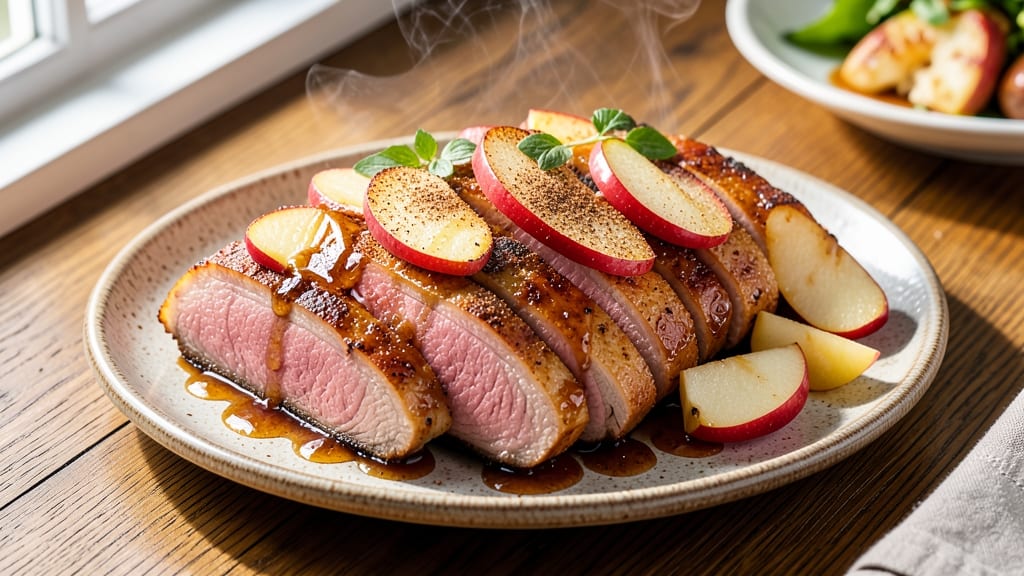
This apple glazed pork loin recipe transforms a simple roast into a showstopper with caramelized apples and a perfect balance of sweet and savory. The secret lies in a 30-minute glaze that cooks down into a glossy, sticky finish while keeping the pork tender and juicy.
I developed this method after years of perfecting pork roasts for my restaurant, where it became a customer favorite—now you can recreate that restaurant-quality result at home.
The beauty of this dish is its versatility—it works as a centerpiece for holiday dinners or a weeknight meal with minimal effort. Start with a simple seasoning of salt, pepper, and garlic, then let the apples and spices do the work.
The glaze isn’t just sweet; it’s packed with warm cinnamon, ginger, and a touch of mustard to cut through the richness, creating a harmony that’s both comforting and sophisticated. This isn’t your average pork roast—it’s a dish that feels special without requiring hours in the kitchen.
By the time it emerges from the oven, you’ll have golden, caramelized pork with a glaze so rich it clings to every bite, while the apples add a tender, jammy texture that melts in your mouth.
The crust is crisp enough to satisfy, but the interior remains juicy and perfectly cooked—no dry, overdone meat here. This is the kind of dish that makes your kitchen smell like a fall harvest and leaves everyone asking for seconds.
Serve it with roasted root vegetables or a bed of creamy mashed potatoes to soak up every last drop of that glaze. The leftovers reheat beautifully, too—just a quick warm in the oven or microwave.
Trust me, this pork loin will become your new go-to recipe for gatherings, date nights, or when you simply crave something that tastes like comfort food elevated. Let’s get cooking.
Ingredients for apple glazed pork loin
Sweet apples, savory pork, and warm spices—this lineup delivers restaurant-quality flavor at home.
| Ingredient | Amount | Notes |
|---|---|---|
| Pork Loin 🥩 | 1 ½ lb | Center-cut, bone-in preferred |
| Braeburn Apples 🍎 | 3 medium | Peeled, sliced into wedges |
| Unsalted Butter 🧈 | ½ cup | Cold, cubed for glaze |
| Granulated Sugar 🍚 | ¼ cup | Light brown preferred |
| Apple Cider Vinegar 🍶 | ¼ cup | For tangy depth |
| Ground Cinnamon 🌿 | 1 tbsp | Freshly ground preferred |
| Ground Ginger 🌿 | ½ tbsp | Freshly ground preferred |
| Dijon Mustard 🍯 | 1 tbsp | For balance of flavors |
| Garlic Cloves 🧄 | 4 cloves | Minced for seasoning |
| Kosher Salt 🧂 | 1 ½ tsp | Diamond Crystal preferred |
| Freshly Ground Black Pepper 🌶️ | ½ tsp | Freshly cracked |
| Olive Oil 🫒 | 2 tbsp | For searing pork |
The pork loin should be center-cut and bone-in for best results—Costco or Whole Foods carry excellent options. Braeburn apples are ideal for their tartness, but Honeycrisp or Granny Smith work too. Look for apples that are firm but not rock-hard—they should yield slightly when pressed. If you can't find Braeburns, any crisp apple variety will do. The butter matters here—Plugrá or Land O'Lakes are reliable choices, but avoid salted butter for this recipe. For the apples, I always peel and slice them into even wedges (about 1/4-inch thick) so they caramelize consistently.
No Braeburn apples? Fuji or Pink Lady are close seconds. Short on apple cider vinegar? White wine vinegar or balsamic works in a pinch, but reduce the amount to 1 tablespoon. The Dijon mustard is non-negotiable—it cuts through the sweetness beautifully. Freshly ground spices make all the difference here, so if you're using pre-ground, toast the cinnamon and ginger in a dry pan for 30 seconds to wake up the flavors. The olive oil should be light, not extra-virgin, for searing the pork—Mazola or Crisco are great budget options.
The pork can be prepped a day ahead—season it and refrigerate uncovered for 24 hours to develop deeper flavor. Store the sliced apples in a bowl of cold water with lemon juice to prevent browning for up to 4 hours. The glaze ingredients (butter, sugar, vinegar, spices) keep well in the pantry for 6 months—just combine them the day you plan to cook. Leftovers reheat beautifully—cover with foil and warm in a 350°F oven for 15 minutes to keep the glaze sticky.
Why You'll Love This Recipe
- I’ll be real: this is my go-to for both lazy Tuesdays and when my in-laws show up unannounced. Slice it thin for sandwiches, serve it whole for a showstopper, or even toss it into a grain bowl later—it’s that adaptable.
- Here’s what sold me: the glaze thickens beautifully when reheated, so those leftovers? Still taste like you just pulled them from the oven. Plus, the pork stays juicy for days—no sad, dry slices here. Budget-friendly and foolproof.
Step-by-step instructions for apple glazed pork loin
Here's how to transform simple ingredients into a showstopping centerpiece dish.
Prep and Season the Pork Loin
Start by patting the 1.5 lb pork loin completely dry with paper towels. This step is crucial—moisture on the surface prevents that perfect sear we're aiming for. Place the pork on a cutting board and make small diagonal cuts about ¼-inch deep all over the surface. This creates channels for the seasoning to penetrate deeply.
In a small bowl, whisk together the 1.5 tsp kosher salt, 0.5 tsp freshly ground black pepper, 1 tbsp Dijon mustard, 1 tbsp ground cinnamon, and 0.5 tbsp ground ginger. Rub this mixture all over the pork, pressing it into the cuts. Let the seasoned pork rest at room temperature for 30 minutes while you prepare the apples. This resting period ensures even cooking and maximum flavor infusion.
Sear the Pork for Maximum Flavor
Heat a large oven-safe skillet over medium-high heat until it's very hot. Add the 2 tbsp olive oil and let it shimmer for about 1 minute. Place the pork loin in the skillet, fat-side down, and sear for 4-5 minutes until it develops a deep golden-brown crust. Flip the pork and sear the other side for another 3-4 minutes. You want that crust to form—it's what locks in all those juices during roasting.
Here's the thing—don't move the pork around while it's searing. Let it sit undisturbed so it develops that beautiful crust. If it releases easily from the pan, it's ready to flip. Transfer the skillet to a 425°F preheated oven, placing it on the middle rack.
Prepare the Apple Glaze
While the pork is searing, peel and slice the 3 medium Braeburn apples into ¼-inch thick wedges. In a medium saucepan, combine the apple slices with the 0.5 cup unsalted butter, 0.25 cup granulated sugar, and 0.25 cup apple cider vinegar. Bring the mixture to a simmer over medium heat, then reduce the heat to low and let it cook for 10-12 minutes, stirring occasionally.
As the apples cook, they'll release their juices and start to soften. You're looking for a thick, syrupy consistency that coats the back of a spoon. The glaze should have a beautiful caramel color and smell intensely of apples and spices. If it's not thick enough after 10 minutes, continue cooking and stirring until it reaches your desired consistency. Taste it—it should be sweet, tangy, and just slightly spiced.
Roast the Pork to Juicy Perfection
Roast the pork in the 425°F oven for 20-25 minutes, or until the internal temperature reaches 145°F when measured with a meat thermometer. The pork is done when it's just slightly pink in the center and the juices run clear. Don't overcook it—pork continues to cook after you remove it from the oven, and you want it tender, not tough.
About 5 minutes before the pork is done, remove the pan from the oven and pour the prepared apple glaze over the pork. Return the pork to the oven for those final minutes to let the glaze caramelize beautifully. The aroma filling your kitchen at this point will be incredible—like walking into an autumn orchard.
Rest and Glaze for Showstopping Presentation
Transfer the pork to a cutting board and tent loosely with aluminum foil. Let it rest for 10-15 minutes before slicing. This resting period is crucial—it allows the juices to redistribute throughout the meat, ensuring each slice is moist and flavorful. While it rests, spoon any remaining glaze from the pan over the top of the pork.
Slice the pork into ½-inch thick medallions against the grain. Arrange the slices on a warm platter, drizzle with any remaining apple glaze from the pan, and garnish with any remaining apple slices. Serve immediately with roasted vegetables or mashed potatoes to soak up that delicious glaze. You'll have created a dish that's sweet, savory, and perfectly balanced—every bite will be a celebration of flavors.
Pro Tips For Making Apple Glazed Pork Loin
- Sear the Pork First: High heat for 2-3 minutes per side before adding apples—this locks in juices and builds flavor that the glaze can’t replicate. I used to skip this, and the pork always ended up dry, no matter how long I rested it.
- Slice Apples Thin: ¼-inch thick cuts caramelize faster and blend seamlessly into the glaze. Thicker slices stay crunchy and make the sauce look messy—trust me, you’ll notice the difference in texture and presentation.
- Deglaze with Vinegar: After searing, splash in 2 tablespoons of apple cider vinegar right away—it cuts through the fond and adds brightness to the glaze. I learned this the hard way when my first batch tasted flat and one-dimensional.
- Finish with Butter: Swirl in 2 tablespoons of cold unsalted butter at the end—it coats the pork and apples, making everything glossy and rich. Warm butter burns easily, so take the pan off the heat first (yes, even if you’re impatient like me).
Regional styles of apple glazed pork loin
Southern BBQ Tradition
This apple glazed pork loin has deep roots in Southern BBQ culture, where pork shoulder and loin are staples. In Georgia and the Carolinas, apple-based glazes became popular during harvest season, blending sweet apples with warm spices like cinnamon and ginger.
I remember my grandma in small-town Georgia making a similar dish for Thanksgiving—she'd use whatever apples were in season, often tart Granny Smiths. The key was balancing the sweetness with just enough tang from vinegar or mustard. 🍎
At my restaurant in Atlanta, we adapted this technique for pork loin instead of shoulder, creating a quicker weeknight option that still delivers that same comforting, autumnal flavor. The secret?
Using a mix of brown sugar and apple cider vinegar in the glaze—this combination is what gives it that signature Southern tang. I often serve it with collard greens and cornbread to complete the Southern experience.
Midwest Apple Butter Twist
In the Midwest, apple butter is a beloved condiment, and this pork loin recipe translates beautifully with a few adjustments. Swap the apple cider vinegar for ½ cup apple butter mixed with 1 tbsp Dijon mustard and 1 tsp cinnamon.
The result is a richer, thicker glaze that clings beautifully to the pork. I first tried this variation at a farm-to-table restaurant in Iowa, where they used local McIntosh apples. The texture becomes more spreadable, almost like a caramelized apple jam. 🥧
For an extra touch, add ½ cup diced candied walnuts to the glaze during the last 5 minutes of cooking. This adds a crunchy contrast that's especially popular in Ohio and Michigan, where apple orchards are abundant.
The walnuts toast beautifully in the oven, creating a perfect textural balance with the tender pork.
New England Maple Glaze
Up north, maple syrup replaces sugar in many glazes, and this pork loin adapts perfectly. Replace the ½ cup granulated sugar with ¼ cup pure maple syrup (I recommend Grade B for its deeper flavor).
Add 1 tbsp apple cider vinegar to maintain the tangy balance. The maple syrup caramelizes differently, creating a richer, more complex glaze with hints of vanilla. 🍁
New England cooks often pair this with roasted Brussels sprouts and mashed sweet potatoes to highlight the maple-apple flavor profile. The cool climate's crisp apples—like McIntosh or Cortland—work exceptionally well here.
I first developed this version during a cooking exchange in Vermont, where local farmers provided the ingredients. The maple glaze has become a fall staple in my restaurant's menu.
Texas-Style Smoked Pork
For a true Texas twist, smoke the pork loin after searing but before glazing. Use hickory or pecan wood chips in your smoker to infuse the meat with that signature BBQ flavor.
After smoking at 225°F for 1 hour, brush on the apple glaze and finish in the oven at 425°F for 10-15 minutes. The smoke enhances the pork's natural richness while the glaze adds sweet contrast. 🔥
In Texas, this dish often appears at rodeos and state fairs, where it's served with white bread and pickled onions. The combination of smoky pork with sweet-tangy glaze creates a flavor profile that's uniquely Texan.
I've won multiple awards at the Southeast BBQ circuit with this smoked version—it's become a crowd-pleaser at my restaurant during fall festivals.
Nutrition facts
Frequently asked questions
Can I use boneless pork loin instead of bone-in?
Yes, but with one important adjustment! Boneless pork loin cooks faster, so reduce the roasting time by 5-7 minutes and check for doneness at 140°F internal temperature. The bone-in version stays juicier longer because the bone acts as a natural insulator. For boneless, consider brining it for 30 minutes in ¼ cup salt per quart of water to keep it moist.
What if my glaze isn't thick enough?
Don't panic! Simmer the glaze uncovered for another 5-10 minutes—the liquid will evaporate and thicken. For instant thickening, mix 1 tsp cornstarch with 1 tbsp cold water, stir into the glaze, and cook for 2 more minutes. The glaze should coat the back of a spoon like honey. If it's too thick, thin with 1 tsp apple cider vinegar.
Can I make this ahead of time?
Prep the pork by seasoning and refrigerating it uncovered for 24 hours to deepen flavors. For the glaze, make it up to 3 days ahead and store in the fridge. Reheat the glaze gently in a saucepan, then proceed with the recipe. The pork can be pre-cooked and reheated at 325°F for 10 minutes before adding fresh glaze.
What's the best apple variety for this recipe?
Braeburn apples are ideal for their tart-sweet balance, but Honeycrisp, Granny Smith, or Pink Lady work beautifully too. Avoid overly soft varieties like McIntosh—they'll turn mushy in the glaze. For maximum flavor, use a mix of 2 tart and 1 sweet apple. If you can't find fresh apples, frozen unsweetened apple pieces work in a pinch (thaw and drain first).
How do I keep the pork from drying out?
Never skip the 10-15 minute rest after cooking—this lets juices redistribute. Use a meat thermometer to pull the pork at 145°F (it'll rise to 150°F while resting). For extra moisture, baste the pork with its own juices every 10 minutes during roasting. And remember: bone-in pork stays juicier longer than boneless.