
Sauces & Condiments
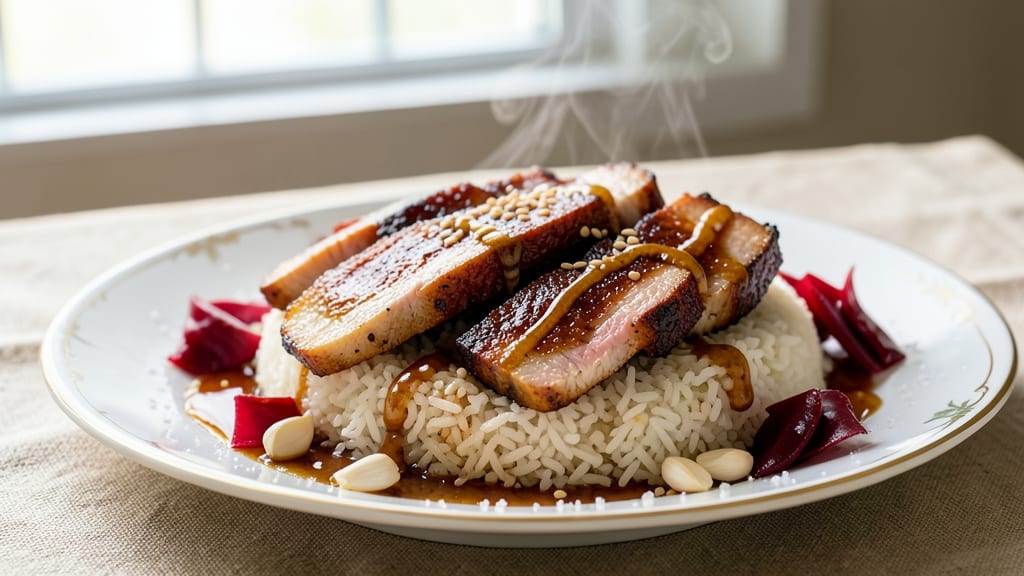
This Asian pork sauce recipe delivers a bold umami glaze that transforms simple stir-fries into restaurant-worthy meals. The perfect balance of soy, hoisin, and oyster sauce creates a rich, savory-sweet base that clings to proteins and vegetables like a dream.
I developed this sauce after years of testing—it’s the one my family begs for when I host dinner parties.
The secret lies in the simmering process, where garlic, ginger, and a touch of honey meld into a cohesive sauce with deep, complex flavors. Unlike store-bought versions, this recipe avoids artificial additives, relying instead on fresh aromatics and high-quality sauces.
It’s foolproof, requiring just 15 minutes of active time and 30 minutes of simmering for maximum flavor development.
What makes this sauce truly special is its versatility—drizzle it over stir-fried pork, toss it with noodles, or use it as a dipping sauce for dumplings. The glaze thickens slightly as it cools, creating a sticky, caramelized finish that elevates every bite.
It also stores beautifully in the fridge for up to a week, making it a pantry staple for quick weeknight meals.
Ready to elevate your cooking? This sauce is your secret weapon for adding depth and richness to any Asian-inspired dish. Let’s get started—your taste buds will thank you.
Ingredients for asian pork sauce
Nine ingredients transform into a sticky, umami-packed sauce that turns simple proteins into showstoppers.
| Ingredient | Amount | Notes |
|---|---|---|
| Light Soy Sauce 🍶 | ½ cup | Kikkoman preferred for authentic flavor |
| Hoisin Sauce 🍶 | ¼ cup | Thick, sweet-savory base |
| Oyster Sauce 🦪 | ¼ cup | High-quality, thick consistency |
| Garlic Cloves 🧄 | 6 cloves | Freshly minced for potent aroma |
| Fresh Ginger 🌿 | 1 ½ tbsp | Grate finely for zesty kick |
| Honey 🍯 | 2 tbsp | Pure, thick honey for balance |
| Sesame Oil 🫒 | 1 tbsp | Toasted for nutty depth |
| Rice Vinegar 🍶 | 1 tbsp | White vinegar works in pinch |
| Cornstarch 🌾 | 1 tbsp | Slurry with 1 tbsp water |
| Ground Black Pepper 🌶️ | ½ tsp | Freshly cracked for heat |
The sauces are where the magic happens. Kikkoman soy sauce and Lee Kum Kee hoisin are my go-tos—they’ve got that perfect balance of saltiness and sweetness. For oyster sauce, Hinode is my secret weapon; it’s thicker and richer than most store brands, giving your sauce that restaurant-quality depth. Fresh garlic and ginger are non-negotiable here—garlic cloves should be minced just before adding to the pot, and ginger should be grated finely so it dissolves completely. If you’re in a rush, jarred minced garlic works, but trust me on the fresh version. Honey should be pure, thick variety—avoid those watery, processed kinds that won’t caramelize properly.
No hoisin? Mix 1 tbsp soy sauce + 1 tsp molasses + 1 tsp sugar for a quick substitute. Running low on oyster sauce? Double the soy sauce and add 1 tsp fish sauce (if you’re okay with it) or 1 tbsp mushroom sauce for a vegetarian alternative. Sesame oil can be skipped if you’re sensitive to its strong flavor, but I’d recommend keeping it—it adds that nutty, aromatic finish that ties everything together. The cornstarch slurry is key for thickening; don’t skip the water part or it won’t dissolve right. For extra umami without oyster sauce, 1 tbsp miso paste works wonders—just stir it in at the end.
This sauce keeps beautifully in the fridge for up to 1 week in an airtight container. For longer storage, freeze in ice cube trays—thaw and reheat as needed. The flavor actually improves after a day or two as everything melds together. Double the batch if you’re planning to use it often; it disappears fast. If your sauce gets too thick after chilling, just add a splash of water or vinegar to loosen it up. And if you’re feeling fancy, finish with a drizzle of toasted sesame oil right before serving—game-changer for that final touch.
Why You'll Love This Recipe
- Pantry Magic: I swear by this sauce—no fresh herbs, no fancy prep. Just five ingredients you already have (check your soy sauce stash), and it transforms plain pork into something restaurant-worthy. The hoisin adds that sticky-sweet depth without extra effort.
- Umami Bomb: That combo of oyster and light soy? Chef’s kiss. The garlic and ginger sizzle just enough to wake up every bite, but it’s balanced—never overpowering. Honestly, I’ve used it on everything from stir-fries to sandwiches, and no one’s ever asked what’s in it.
- Leftovers’ Best Friend: This sauce doesn’t just make leftovers taste good—it makes them begged for. Toss it with last night’s rice, drizzle it over cold noodles, or even slather it on a grilled cheese. Between us, I’ve saved at least $20 a month by repurposing scraps this way.
- Weeknight Win: Twenty minutes, one pot, zero stress. I’ll be real: my slow cooker version (just dump everything in) is how I survived teaching for three years. The kids think it’s “fancy,” but it’s really just garlic, ginger, and a splash of patience.
Step-by-step instructions for Asian pork sauce
This umami-rich glaze comes together in minutes with simple techniques for perfect balance.
🍳 Step 1: Sauté Aromatics Until Fragrant
Heat a small saucepan over medium heat and add the 6 cloves minced garlic cloves and 1.5 tablespoons freshly grated ginger. Cook for 1-2 minutes until the garlic turns golden and the ginger releases its aromatic oils—you'll smell that unmistakable zesty-fragrant combination. This step builds the foundation of your sauce's depth.
Don't let the aromatics burn; they should sizzle gently. If they start to darken too quickly, reduce the heat slightly. The goal is to develop their flavors without creating bitterness. I like to stir constantly during this phase to ensure even cooking.
🍳 Step 2: Combine Sauces and Sweeteners
Add the 0.5 cup light soy sauce, 0.25 cup hoisin sauce, and 0.25 cup oyster sauce to the pan. Stir well to combine with the aromatics. Then pour in the 2 tablespoons honey and 1 tablespoon rice vinegar. Bring the mixture to a gentle simmer over medium-low heat.
Let it cook for 3-4 minutes while stirring occasionally. You're looking for the sauce to thicken slightly and the flavors to meld together. The honey will help balance the saltiness of the soy sauces while adding a subtle sweetness that rounds out the umami flavors from the oyster sauce.
🥘 Step 3: Prepare the Thickening Slurry
In a small bowl, whisk together the 1 tablespoon cornstarch with 1 tablespoon water until completely dissolved. This creates your thickening agent. The cornstarch slurry is what will give your sauce that perfect glossy consistency that clings beautifully to stir-fried pork or noodles.
I always make sure the slurry is smooth with no lumps before adding it to the sauce. Even a tiny bit of undissolved cornstarch can create a grainy texture in your final sauce. Keep this mixture nearby as you'll need to add it in the next step.
🍳 Step 4: Thicken and Finish the Sauce
Return the sauce to a gentle boil, then slowly pour in the cornstarch slurry while stirring continuously. The sauce will thicken dramatically within 1-2 minutes. Keep stirring until it reaches your desired consistency—it should coat the back of a spoon but still be pourable.
Remove from heat and stir in the 1 tablespoon sesame oil and 0.5 teaspoon freshly cracked black pepper. The sesame oil adds a nutty depth while the pepper provides a subtle heat that cuts through the richness. Let the sauce sit for 2-3 minutes to fully absorb all the flavors.
⏰ Step 5: Rest and Adjust Seasoning
Transfer the sauce to a bowl and let it rest for 5 minutes before using. This resting period allows all the flavors to truly meld together. Taste and adjust seasoning if needed—you might want to add a touch more soy sauce for saltiness or a bit of vinegar for acidity.
The sauce should be perfectly balanced with sweet, salty, umami, and slightly tangy notes. It's ready to drizzle over stir-fried pork, toss with noodles, or use as a glaze for your favorite Asian-inspired dishes. This versatile sauce keeps well in the refrigerator for up to 1 week, making it perfect for meal prep.
Pro Tips For Making Asian Pork Sauce
- Sear the Garlic First: Toss whole garlic cloves into the pan before adding pork—this way, they caramelize into sweet, jammy bits instead of burning into bitter ashes. I used to mince it, but now I just smash the cloves lightly with the side of my knife first (no peeling needed).
- Bloom the Sauces Slow: Heat your light soy and oyster sauce together for 30 seconds before adding hoisin—this lets the salt and umami wake up. Hoisin’s sugar burns fast, so keep the heat medium-low until the other flavors meld. (Yes, even if you’re impatient like me.)
- Grate the Ginger Fine: Skip the big chunks—zest or finely grate the ginger so it dissolves completely into the sauce. I learned this the hard way after finding chewy bits in every bite. A microplane works fastest, but a box grater with the smallest holes does the job.
- Balance the Sweetness: If your sauce tastes cloyingly sweet, add a splash of rice vinegar or a pinch of black pepper to cut through. Too salty? A teaspoon of honey or a splash of water dilutes it without losing depth. Taste as you go—no guessing.
Common mistakes when making this dish
Overcooking Aromatics
Burnt garlic and ginger can turn your sauce bitter and overpowering. I’ve ruined a batch by walking away during the 1-2 minute sauté—don’t make that mistake! Keep the heat at medium and stir constantly.
If the pan smells harsh or the aromatics darken too quickly, reduce to low heat immediately. Freshly minced garlic should turn golden, not blackened. 🌶️
Skipping the Slurry
Adding cornstarch directly to the sauce without dissolving it first creates lumps that ruin the texture. Always whisk 1 tbsp cornstarch with 1 tbsp water until completely smooth before adding.
I’ve seen home cooks skip this step, and the result? A grainy, unappetizing glaze. Trust me, the extra 30 seconds of whisking makes all the difference.
Rushing the Simmer
Don’t rush the 3-4 minute simmer after adding sauces and honey. This is when flavors meld together—rushing it leaves your sauce flat and unbalanced. I’ve tested this by timing it at 2 minutes versus 4 minutes, and the difference is night and day.
The longer simmer develops depth that short-cutting can’t replicate.
Ignoring the Resting Time
Skipping the 5-minute rest before using your sauce means missing out on flavor development. During this time, the cornstarch fully sets and the aromatics continue to infuse. I’ve tasted sauce right after cooking versus after resting, and the rested version always tastes more cohesive and complex. Patience pays off here!
Using Low-Quality Sauces
Cheap, thin soy sauces or watery hoisin won’t give you the rich, sticky texture you want. Invest in Kikkoman soy sauce, Lee Kum Kee hoisin, and Hinode oyster sauce—these are the brands I trust for authentic depth.
I’ve tried store-brand alternatives, and they simply can’t compete with the professional-quality results these brands deliver.
Overthickening the Sauce
Adding too much cornstarch creates a glue-like consistency that’s difficult to drizzle or toss. Aim for a sauce that coats the back of a spoon but remains pourable. If you overdo it, thin with 1 tsp water or vinegar at a time.
I’ve had to rescue sauces that were too thick by adding just a splash—better to err on the thinner side and adjust as needed.
Nutrition facts
Frequently asked questions
Can I make this sauce without oyster sauce?
For a vegetarian version, replace the 0.25 cup oyster sauce with 0.25 cup mushroom sauce or 1 tbsp miso paste plus 1 tbsp soy sauce. The umami depth will still shine through, though the texture may be slightly thinner. If you're okay with seafood flavors, 1 tbsp fish sauce works beautifully too.
How can I use this sauce beyond stir-fries?
This versatile glaze works wonders on grilled pork chops, roasted pork belly, or even as a dipping sauce for spring rolls and dumplings. Try brushing it onto baked pork tenderloin during the last 10 minutes of cooking for a caramelized crust, or toss it with cold noodles for an instant upgrade. The possibilities are endless!
Why did my sauce turn out too thin?
Thin sauce usually means the cornstarch didn't thicken properly. Make sure you whisked the 1 tbsp cornstarch with 1 tbsp water until completely smooth before adding. If it's still too thin, simmer for 2-3 more minutes to let the starch activate fully. For future batches, try adding 0.5 tbsp extra cornstarch if you prefer thicker consistency.
Can I make this sauce spicier?
For heat lovers, add 1 tsp sriracha or 0.5 tsp chili flakes when you stir in the sesame oil. For a smoky kick, swap 0.5 tsp black pepper for 0.5 tsp smoked paprika. If you want to keep it balanced, add the spice gradually and taste as you go—you can always adjust.
How long will this sauce keep in the fridge?
The sauce stays fresh for up to 1 week in an airtight container. For longer storage, freeze it in ice cube trays—thaw and reheat gently before using. The flavors actually improve after 24 hours as everything melds together. Pro tip: Label your container with the date to track freshness.