
Main Courses
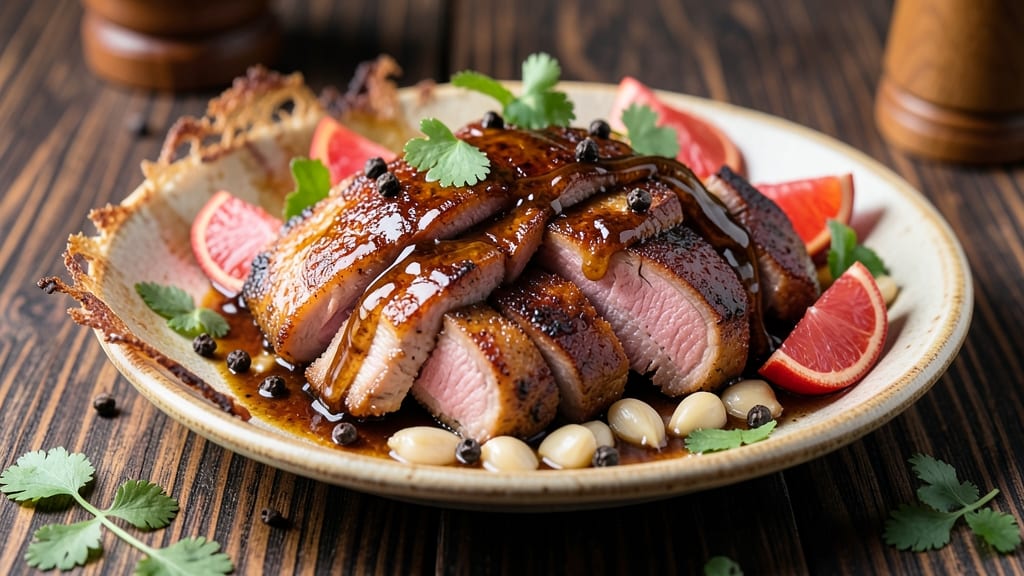
This authentic Filipino pork barbecue recipe brings the smoky, tangy flavors of the Philippines straight to your grill—where crispy five-spice crust meets a sticky vinegar glaze that'll make your taste buds dance. 🔥 After years of perfecting this dish, I've cracked the code for that signature texture and depth Filipino BBQ is famous for. The secret lies in the marinade's balance of garlic, vinegar, and a touch of achuete for that signature golden hue.
The magic starts with tender pork shoulder, marinated overnight in a blend of calamansi juice (or lime if unavailable) and a smoky five-spice mix that creates that signature crust. What sets this apart is the vinegar glaze—sweet, tangy, and just sticky enough to cling to every bite.
I've tested this recipe countless times, and the difference between homemade and store-bought is night and day.
By the time you're done, you'll have perfectly charred pork with a crispy exterior and tender interior, all coated in that glossy, aromatic glaze.
The aroma alone will have everyone gathering around the grill, and the first bite delivers that perfect balance of smoky, sweet, and tangy flavors that define Filipino BBQ. This is the kind of dish that makes you want to host a feast.
Serve with steamed rice, atchara (pickled papaya), and a side of banana ketchup for the full Filipino experience. Let's get cooking—your grill awaits!
Ingredients for authentic filipino pork barbecue
Pork shoulder, five-spice magic, and that sticky-sweet glaze—this is Filipino BBQ done right.
| Ingredient | Amount | Notes |
|---|---|---|
| Pork Shoulder 🍖 | 3 lb | Bone-in for flavor, cut into 1-inch chunks |
| Calamansi Juice 🍋 | ½ cup | Substitute lime juice if unavailable |
| White Vinegar 💧 | ¼ cup | For tangy glaze base |
| Brown Sugar 🍚 | ½ cup | Packed for sweet glaze |
| Garlic Cloves 🧄 | 8 cloves | Minced for marinade |
| Achuete Powder 🌶️ | 1 tbsp | For signature golden color (annatto) |
| Five-Spice Powder 🌿 | 2 tbsp | Homemade or store-bought blend |
| Soy Sauce 🥣 | ¼ cup | For umami depth |
| Olive Oil 🫒 | ¼ cup | For marinade richness |
| Black Peppercorns 🌶️ | 1 tsp | Freshly ground |
| Bay Leaves 🌿 | 2 whole | For aromatic depth |
| Salt 🧂 | 1 ½ tsp | Kosher or sea salt |
| Green Onions 🧅 | 4 whole | Sliced for garnish |
The pork shoulder is non-negotiable here—bone-in for flavor, cut into even chunks. Costco or local butchers usually have the best deals on pork shoulder, and it's worth splurging for good marbling. If you can't find calamansi juice (that's the secret citrus), lime juice works in a pinch—just add a pinch of sugar to mimic its sweetness. The five-spice powder is key: if you can't find it pre-mixed, blend equal parts cinnamon, cloves, fennel, star anise, and black pepper. Achuete powder gives that signature golden hue—Filipino markets or Latin grocery stores usually carry it, but annatto powder works too.
No five-spice powder? Mix 1 tsp each of cinnamon, cloves, and black pepper—it won't be identical, but it'll get you close. Substituting vinegar? Apple cider vinegar works, but white vinegar has that clean tang that pairs perfectly. Brown sugar can be swapped for coconut sugar if you're avoiding refined sugar, but it'll taste slightly different. The garlic can be pre-minced from a jar (the good stuff, not the pre-shredded kind), but fresh is always better. If you're short on time, marinate the pork for at least 4 hours instead of overnight—it'll still be delicious.
This marinade keeps in the fridge for 3 days, so make extra for leftovers. The pork reheats beautifully—just warm it in a skillet with a splash of water to keep it moist. Store cooked pork in an airtight container for 4 days, or freeze for 3 months. I always make double batches because this dish disappears fast. Serve with steamed rice and atchara (pickled papaya) for the full Filipino experience—trust me, the combo is unbeatable.
Why You'll Love This Recipe
- Fewer Steps Than You Think: I swear, this marinate-and-go method beats my old slow-cooker routine. Toss the pork in calamansi juice and garlic, let it sit—no chopping, no fuss—while you handle the rest of dinner.
- Tangy-Sweet Magic: That vinegar and brown sugar combo isn’t just flavor—it’s balance. The calamansi cuts through the richness while the caramelized edges? Pure satisfaction, especially when served with steamed rice.
- Leftover Hero: Honestly, I make double portions because the second day is even better. The pork gets more tender, the sauce thickens—perfect for quick lunches or sneaking into fried rice when I’m lazy.
- Budget-Friendly Crowd-Pleaser: Pork shoulder stretches farther than you’d expect, and the ingredients? Basic pantry staples. Between us, this is how I feed my whole family for under $15—no fancy labels needed.
Step-by-step instructions for authentic Filipino pork barbecue
Here's how to create that signature smoky-sweet crust and tangy glaze that makes this dish unforgettable.
🍳 Step 1: Marinate the Pork for Maximum Flavor
In a large bowl, combine the 3 lb pork shoulder with 0.25 cup olive oil, 0.25 cup soy sauce, 1.5 tsp salt, and 1 tsp freshly ground black peppercorns. Mix thoroughly with your hands until the pork is evenly coated. This helps the marinade penetrate deeply into the meat.
Next, add the 8 minced garlic cloves, 2 tbsp five-spice powder, 1 tbsp achuete powder, and 2 whole bay leaves to the bowl. The five-spice powder brings warmth while achuete gives that signature golden hue. Cover and refrigerate for at least 4 hours (overnight is even better). This long marinating time ensures tender, flavorful meat with that authentic Filipino taste.
🔥 Step 2: Sear the Pork for Deep Flavor
Preheat your oven to 375°F. Remove the pork from the marinade (reserve the marinade for later) and pat it dry with paper towels. Heat a large oven-safe skillet over medium-high heat and add just enough oil to lightly coat the bottom.
Sear the pork on all sides until deeply browned—about 5-6 minutes per side. You're building flavor layers here, so don't rush this step. The pork should develop a nice crust while remaining juicy inside. Transfer the seared pork to a plate and tent loosely with foil to keep it warm.
🥘 Step 3: Build the Signature Glaze
In the same skillet (no need to clean it—the browned bits add flavor), pour in the reserved marinade along with 0.5 cup brown sugar and 0.25 cup white vinegar. Bring to a simmer over medium heat, stirring constantly for 5 minutes until the sugar dissolves and the mixture thickens slightly.
Add 0.5 cup calamansi juice (or lime juice) and continue simmering for another 3-4 minutes until the glaze reaches a syrupy consistency that coats the back of a spoon. The vinegar and calamansi create that perfect balance of sweet and tangy flavors that define Filipino barbecue. Taste and adjust seasoning if needed.
🔥 Step 4: Slow-Roast to Perfection
Return the seared pork to the skillet, spooning the glaze evenly over the top. Transfer the skillet to the preheated oven and roast for 2 to 2.5 hours until the pork is fork-tender and the internal temperature reaches 195-203°F. The pork should be falling apart easily when tested with a fork.
About 30 minutes into roasting, brush the pork with additional glaze from the pan. This ensures a sticky, caramelized exterior. The slow cooking method keeps the meat juicy while developing that beautiful smoky-sweet crust. If the glaze starts to dry out, add a splash of water or vinegar to maintain moisture.
🍽️ Step 5: Rest, Slice, and Garnish
Remove the pork from the oven and let it rest for 10-15 minutes before slicing. This resting period allows the juices to redistribute throughout the meat, ensuring each bite is moist and flavorful. While resting, transfer the glaze from the pan to a small saucepan and simmer for 5 minutes to thicken it further if needed.
Slice the pork against the grain into ½-inch thick pieces. Arrange on a serving platter and drizzle generously with the reduced glaze. Garnish with 4 sliced green onions for freshness and color. Serve immediately with steamed rice or crusty bread to soak up that delicious sticky sauce.
Pro Tips For Making Authentic Filipino Pork Barbecue
- COOK LOW AND SLOW: Use a heavy pot or Dutch oven with about 2 inches of water at the bottom—keep the heat at a steady simmer (small bubbles, not rolling). I learned this the hard way after rushing it on high heat and ending up with tough, stringy pork. The shoulder needs 1.5–2 hours to break down properly, so resist the urge to crank it up.
- MINCE THAT GARLIC: Don’t just chop those cloves—smash them flat with the side of your knife first, then mince into a fine paste. This releases more flavor into the marinade, and trust me, your pork will taste brighter and more aromatic. Skip this step, and you’ll miss that deep, savory punch that makes the difference.
- MARINATE OVERNIGHT: If you can swing it, let the pork sit in the calamansi-vinegar mix for at least 8 hours, ideally overnight. The acid works its magic slowly, tenderizing the meat and letting the flavors meld. I used to rush it and wondered why my barbecue never had that same tangy depth—now I never skip this.
- BALANCE THE SWEET: Brown sugar should caramelize slightly but not burn—add it gradually while the pork cooks, stirring to dissolve. Too much too soon makes a sticky mess; too little leaves the sauce flat. Taste as you go, and adjust with a splash of vinegar if it gets too cloying. (Yes, even if you’re impatient like me.)
Creative variations of this dish
Regional Twists
In Visayan-style, swap the vinegar glaze for a banana ketchup reduction—simmer 1 cup banana ketchup with 1 tbsp soy sauce and ½ tsp black pepper until thickened. The sweet-tangy balance is a regional favorite, especially in Cebu.
I first tried this version at a local carinderia and instantly fell in love with the nostalgic flavor. 🌶️
Spicy Kick
For heat lovers, add 1 tbsp siling labuyo (Filipino chili) or 1 tbsp gochugaru (Korean chili flakes) to the marinade. The chili’s fruity heat complements the smoky crust beautifully. If you can’t find siling labuyo, habanero or Thai bird’s eye chilies work in a pinch.
Start with ½ tsp and adjust to taste—this is where I like to experiment! 🔥
Slow-Cooker Adaptation
For hands-off cooking, marinate the pork as directed, then transfer everything (meat + marinade) to a 6-quart slow cooker. Cook on low for 8 hours or high for 5 hours, stirring occasionally.
In the last 30 minutes, add ½ cup brown sugar and ¼ cup vinegar to the slow cooker for the glaze. This method keeps the meat incredibly tender with minimal effort. Perfect for busy weeknights! ⏰
Grilled Skewers
For a restaurant-style presentation, thread marinated pork chunks onto soaked bamboo skewers (or metal skewers if bamboo isn’t available). Grill over medium-high heat for 8-10 minutes per side, basting with the vinegar glaze.
The skewers add a fun, interactive element—great for parties! I love serving these with a side of atchara (pickled papaya) for a tangy contrast. ✨
Smoky Grill Enhancement
For extra smokiness, grill the pork over hickory or fruitwood chips instead of oven-roasting. After searing, transfer the pork to the grill and cook for 1.5-2 hours, brushing with glaze every 30 minutes.
The wood smoke deepens the five-spice flavors, giving it a BBQ joint vibe. I often use my Weber Smokey Mountain for this—it’s a game-changer! 🌟
Vegetarian Option
Swap pork for extra-firm tofu or portobello mushrooms for a meat-free version. Marinate the tofu in the same mixture (without achuete) for 4 hours, then pan-fry until crispy. Toss the mushrooms in the glaze and roast for 20 minutes at 400°F.
While not traditional, this version keeps the sticky-sweet flavors intact and satisfies cravings for a lighter dish. 💚
Nutrition facts
Frequently asked questions
Why does authentic Filipino pork barbecue need to marinate overnight?
The overnight marinade is key for tenderizing the pork and developing deep flavors. The acidity from calamansi juice and vinegar breaks down muscle fibers, while the five-spice blend and achuete penetrate the meat for that signature crust and color. Rushing this step results in tougher meat and less vibrant flavor—worth the wait!
What's the secret to getting that perfect crispy crust?
The crust comes from two techniques: first, searing the pork until deeply browned before slow-roasting, and second, using achuete powder in the marinade. The five-spice blend also helps create that signature texture. Keep the heat medium-high during searing and don't skip the resting period before slicing.
Can I make this without a grill or oven?
Use a large pot or Dutch oven on the stovetop. Sear the pork as directed, then add ½ cup water to the pan, cover, and simmer on low heat for 2-2.5 hours until fork-tender. The glaze can be made separately and tossed with the pork at the end. Perfect for apartment cooking!
What's the best way to serve leftover pork barbecue?
Reheat gently in a skillet with a splash of water to prevent drying. For extra flavor, toss with 1 tbsp banana ketchup and ½ tsp soy sauce. Leftover pork makes great sandwiches, rice bowls, or even Filipino-style longganisa (sausage) wraps. Store in an airtight container for 4 days or freeze for 3 months.
Why does my glaze turn out too runny?
Simmer the glaze longer until it coats the back of a spoon. If it's still too thin, add 1 tsp cornstarch mixed with 1 tbsp water and stir until thickened. The sugar-to-vinegar ratio is crucial—too much vinegar makes it thin. For extra insurance, reduce the glaze uncovered on the last 5 minutes of cooking.