
Main Courses
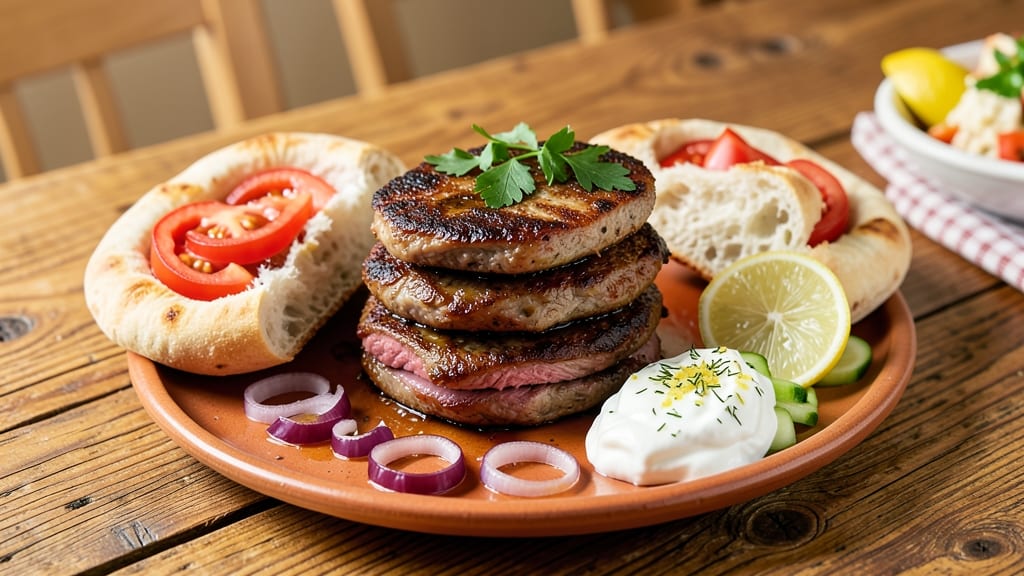
This authentic Greek pork gyros recipe brings the flavors of Athens to your kitchen with charred, juicy meat that practically falls off the skewer. 🔥 I've spent years perfecting this technique—starting with a marinade that tenderizes while building layers of flavor, then cooking the meat over high heat to achieve that signature smoky char.
The secret lies in the balance of lemon, garlic, and oregano, which transform simple pork into something unforgettable.
The key to restaurant-quality gyros is patience—letting the meat marinate overnight so the flavors penetrate deeply, then cooking it slowly over indirect heat to keep it juicy.
I use thick-cut pork shoulder, which stays tender even after hours of cooking, and finish with a quick char on a hot grill or skillet for that authentic smoky flavor. Every bite delivers a perfect balance of tangy, herby, and slightly sweet notes.
Assembling the gyros is where the magic happens: warm, soft pita wraps cradling the charred meat, fresh tomatoes and onions for crunch, and a dollop of homemade tzatziki to cool the richness.
The combination of textures and flavors—crispy meat, creamy sauce, fresh vegetables—makes this more than just a meal; it's an experience that transports you to a bustling Greek street corner.
Serve with classic sides like crispy fries or a simple Greek salad to complete the meal. This recipe delivers the full gyros experience—authentic, satisfying, and impossible to resist. Let's get cooking!
Ingredients for authentic greek pork gyros
Thick-cut pork shoulder, zesty marinade, and warm pita—everything you need for restaurant-style gyros at home.
| Ingredient | Amount | Notes |
|---|---|---|
| Pork Shoulder 🥩 | 2 lb | Thick-cut, bone-in preferred |
| Extra-Virgin Olive Oil 🫒 | ½ cup | For marinade and cooking |
| Fresh Lemon Juice 🍋 | ¼ cup | From 2-3 lemons |
| Garlic Cloves 🧄 | 6 cloves | Freshly minced |
| Dried Oregano 🌿 | 2 tbsp | Greek or Mediterranean blend |
| Ground Cumin 🌿 | 1 tbsp | Toasted for depth |
| Ground Coriander 🌶️ | 1 tbsp | Freshly ground preferred |
| Salt 🧂 | 1 ½ tbsp | Diamond Crystal preferred |
| Black Pepper 🌶️ | 1 tsp | Freshly cracked |
| Red Wine Vinegar 🍷 | 1 tbsp | For tangy brightness |
| Fresh Rosemary 🌿 | 2 tbsp | Chopped, stems removed |
| Pita Bread 🍞 | 4 whole | Warm, soft, 6-inch size |
| Fresh Tomatoes 🍅 | 1 lb | Medium size, sliced |
| Red Onion 🧅 | 1 whole | Thinly sliced |
| Cucumber 🥒 | 1 whole | English type, peeled |
| Plain Greek Yogurt 🥛 | 1 cup | Full-fat for creaminess |
| Fresh Dill 🌿 | ¼ cup | Chopped for tzatziki |
| Garlic Cloves 🧄 | 2 cloves | For tzatziki, minced |
| Extra-Virgin Olive Oil 🫒 | ¼ cup | For tzatziki |
The pork shoulder is non-negotiable here—thick-cut stays juicy while absorbing the marinade. Costco or Whole Foods usually have the best cuts, but any butcher will work. Look for good marbling and ask for a 2-inch thick piece. I always buy extra because I can't resist making double batches. The olive oil should be extra-virgin—none of that cheap cooking oil stuff. For the lemon, grab the juiciest ones you can find—Trader Joe's has great organic lemons year-round. Fresh herbs make all the difference, so don't skimp on the oregano and rosemary. I like to toast my spices quickly in a dry pan to deepen their flavor before grinding.
No fresh dill for the tzatziki? Dried dill at half the amount works in a pinch, though it won't be as vibrant. Running low on red wine vinegar? Apple cider vinegar gives a slightly sweeter but still tangy result. The tomatoes and cucumber should be crisp—if they're mealy, skip them and use pickles for crunch. For the pita, Kirkland Signature from Costco is my go-to, but any soft, warm pita will do. The marinade can be made ahead—it actually tastes better after sitting overnight as the flavors meld. If you're short on time, let it sit for at least 4 hours. The key is patience—don't rush the marinating or the cooking.
The marinade keeps for 3 days in the fridge, and the cooked meat reheats beautifully—just warm it gently in a skillet. Tzatziki stays fresh for 2 days if you keep it chilled, but I always make extra because it disappears fast. Pita loses its softness quickly, so warm them in a dry skillet or wrap them in a damp towel for 10 minutes before serving. These gyros are even better the next day when all the flavors have time to develop. Portion the meat and sauce ahead of time so assembly is quick—nothing ruins the experience like a cold, soggy wrap.
Why You'll Love This Recipe
- One-Pan Magic: I swear by this recipe because it’s that simple—just sear the pork shoulder with garlic and oregano in olive oil, then slow-cook until fall-apart tender. No flipping, no fuss, and the lemon juice ties everything together while you’re busy with the rest of dinner.
- Garlic-Oregano Bomb: That first bite? The crispy garlic-infused crust with the tender, juicy pork inside—it’s like a flavor explosion. The oregano and lemon cut through the richness, leaving you wanting seconds (or thirds).
- Leftover Goldmine: Between us, this recipe makes way more than you’ll eat in one sitting. Shred the extra pork for wraps, salads, or even pasta the next day—it’s versatile enough to handle anything.
- Budget Hero: Pork shoulder is cheap, and a single cut feeds a crowd. Honestly, I’ve made this for date nights, family dinners, and even a potluck—everyone clears their plates, and my wallet stays happy.
Step-by-step instructions for authentic Greek pork gyros
Here's how to make restaurant-quality gyros with tender, charred meat and crispy pita.
🍳 Step 1: Marinate the Pork Shoulder for Maximum Flavor
In a large bowl, combine the 0.5 cup extra-virgin olive oil, 0.25 cup fresh lemon juice, 6 cloves minced garlic, 2 tbsp dried oregano, 1 tbsp ground cumin, 1 tbsp ground coriander, 1.5 tbsp salt, 1 tsp black pepper, 1 tbsp red wine vinegar, and 2 tbsp chopped fresh rosemary. Mix well until the spices are fully dissolved and the oil is fragrant.
Place the 2 lb pork shoulder in a resealable plastic bag and pour the marinade over it. Gently massage the marinade into the meat, ensuring it coats every surface. Seal the bag tightly, remove as much air as possible, and refrigerate for at least 4 hours or overnight. The longer it marinates, the more tender and flavorful your gyros will be. I like to marinate mine overnight for maximum results.
🔥 Step 2: Cook the Pork Shoulder Low and Slow
Preheat your oven to 275°F. Remove the pork from the marinade (reserve the marinade for later) and place it in a baking dish. Pour the reserved marinade over the top of the pork. Cover the dish tightly with aluminum foil and bake for 3 hours, or until the internal temperature reaches 195°F and the meat is fork-tender.
Here's the thing—low and slow is key for authentic gyros. The slow cooking process breaks down the connective tissue, making the meat incredibly tender. If you're in a hurry, you can use a slow cooker on low for 6-8 hours instead. Just make sure the meat is tender and easily shreds with two forks.
🔪 Step 3: Char the Pork for That Classic Gyros Flavor
Once the pork is cooked, increase your oven temperature to 450°F. Remove the foil and place the pork on a baking sheet lined with parchment paper. Broil the pork for 5-7 minutes on each side until it develops a beautiful, charred crust. This step is what gives gyros their signature smoky, charred flavor.
Watch it closely—you want the exterior to be deeply browned and slightly crispy, but not burned. The charred surface will add a fantastic contrast to the tender meat inside. Once it's done, remove the pork from the oven and let it rest for 10 minutes before shredding. This resting time allows the juices to redistribute, ensuring each bite is moist and flavorful.
👨🍳 Step 4: Prepare the Tzatziki and Assemble the Gyros
In a medium bowl, combine the 1 cup plain Greek yogurt, 0.25 cup chopped fresh dill, 2 cloves minced garlic, and 0.25 cup extra-virgin olive oil. Mix well and season with a pinch of salt and pepper. Chill the tzatziki in the refrigerator until ready to use.
While the tzatziki chills, slice the 1 lb fresh tomatoes into wedges, thinly slice the 1 whole red onion, and peel and slice the 1 whole cucumber into half-moons. Warm the 4 whole pita breads in a dry skillet over medium heat for about 30 seconds per side until they're soft and pliable.
🥘 Step 5: Shred the Pork and Build Your Gyros
Using two forks, shred the rested pork shoulder into bite-sized pieces. The meat should be tender enough to pull apart easily. If it's not quite shredding well, give it a few more minutes of rest or use a pair of kitchen shears to cut through any tough spots.
To assemble your gyros, spread a generous layer of the tzatziki on each pita bread. Add a handful of shredded pork, followed by the sliced tomatoes, red onion, and cucumber. Fold the sides of the pita over the fillings and roll it up gently. Serve immediately so the pita stays warm and crispy. Each bite should deliver tender, charred pork with a cool, creamy tzatziki and fresh vegetables—just like the best Greek street food!
Pro Tips For Making Authentic Greek Pork Gyros
- CRANK THE HEAT HIGH: Pork shoulder needs a screaming-hot skillet or grill—think 450°F or higher—to sear fast and render fat properly. I used to cook it on medium, and the meat turned out greasy and uneven. Now I blast it for the first 3 minutes, then drop to medium-low to finish.
- SLICE AGAINST THE GRAIN: Thin, long strips? Nope. Cut the pork shoulder thinly but diagonally against the grain—about ¼-inch thick—to break up the muscle fibers. Thick slices stay chewy; this way, each bite melts. (Yes, it takes a sharp knife and patience.)
- USE WET OREGANO: Skip the dry stuff—reconstitute dried oregano in warm olive oil for 10 minutes before mixing it into the marinade. The oil softens the herbs and makes them release flavor better. My grandmother swore by this, and she was right: the aroma is way more intense.
- LET IT REST: After cooking, tent the pork with foil and let it sit for 5-10 minutes. I know, you’re hungry now, but rushing means juices pool on the plate instead of staying in the meat. This keeps every bite tender and flavorful. (Your future self will thank you.)
Health benefits of authentic greek pork gyros
Protein Powerhouse
This recipe delivers a substantial 30 grams of high-quality protein per serving from the pork shoulder, making it ideal for muscle recovery and satiety. The slow-cooked method preserves all the protein while breaking down connective tissue for tender, easily digestible meat.
I always double-check my protein intake after making these—it’s a great post-workout meal! 💪
Heart-Healthy Fats
The extra-virgin olive oil used in both the marinade and tzatziki provides monounsaturated fats that support heart health. These fats help lower bad cholesterol (LDL) while maintaining good cholesterol (HDL). I use Kirkland Signature olive oil because it’s consistently high-quality and affordable.
Probiotic Boost
The tzatziki sauce is packed with probiotics from the plain Greek yogurt, which supports gut health and digestion. Full-fat yogurt also adds creaminess while providing essential nutrients like calcium and vitamin B12. I always opt for Greek yogurt—it’s thicker and more flavorful than regular yogurt. ✨
Rich in Antioxidants
The marinade includes fresh lemon juice and rosemary, both loaded with antioxidants that combat oxidative stress. Lemon juice also aids iron absorption from the pork, making this a well-rounded meal. I like to add an extra sprig of rosemary to the marinade for that earthy depth—it’s a game-changer!
Low-Calorie, High-Fiber Sides
The fresh tomatoes, cucumber, and red onion add fiber and hydration without many calories. These veggies also provide vitamins A and C, which support immune function. I always include these sides—they keep the meal light and refreshing, balancing the richness of the pork.
Balanced Macronutrients
Each serving offers a perfect balance of protein, healthy fats, and complex carbs from the pita. This combination keeps energy levels stable and prevents blood sugar spikes.
I’ve found that this balance makes these gyros a great option for anyone watching their diet—just be mindful of the pita portions! 💡
Nutrition facts
Frequently asked questions about authentic Greek pork gyros
Can I use chicken or beef instead of pork for gyros?
Pork is traditional for gyros, but you can absolutely use chicken or beef! For chicken, opt for bone-in thighs (they stay juicier than breasts) and reduce marinating time to 2-4 hours. For beef, use chuck roast and marinate overnight—it needs extra time to tenderize. Just adjust cooking times: chicken cooks faster (250°F for 2 hours) while beef may need 3-4 hours at 275°F. The marinade works for all three meats!
How do I make the meat stay tender when cooking?
The secret is low-and-slow cooking followed by a quick char. Start with 275°F for 3 hours to break down connective tissue, then broil at 450°F for 5-7 minutes just to crisp the exterior. Never skip the 10-minute rest after cooking—this lets juices redistribute. For extra tenderness, add 1 tbsp honey to the marinade (trust me, it works!).
What's the best way to keep pita warm and soft?
Warm pita in a dry skillet over medium heat for 30 seconds per side—this makes it pliable without drying it out. For a crowd, wrap pita in a damp kitchen towel and microwave for 20 seconds. Pro tip: Store extra pita in an airtight container with a damp paper towel—they'll stay soft for 24 hours. Never reheat cold pita in the oven or microwave dry!
Can I make gyros ahead of time?
Cook the pork and shred it 1-2 days ahead, then store it in the fridge. Reheat gently in a skillet with a splash of water (350°F for 10 minutes). The tzatziki keeps for 2 days in the fridge, and prepped veggies stay fresh for 3 days. Just warm the pita fresh—nothing beats a just-made wrap! For parties, assemble gyros 30 minutes before serving to keep everything warm.
Why does my gyro meat turn out dry?
Overcooking or skipping the rest time are the usual culprits. Always cook pork to 195°F internal temp (not 165°F!) and let it rest 10 minutes before shredding. For extra moisture, add 2 tbsp apple cider vinegar to the marinade. If using a slow cooker, keep it on low for 8 hours max—high heat dries out the meat. The marinade should be the hero here—don't rush it!