
Main Courses
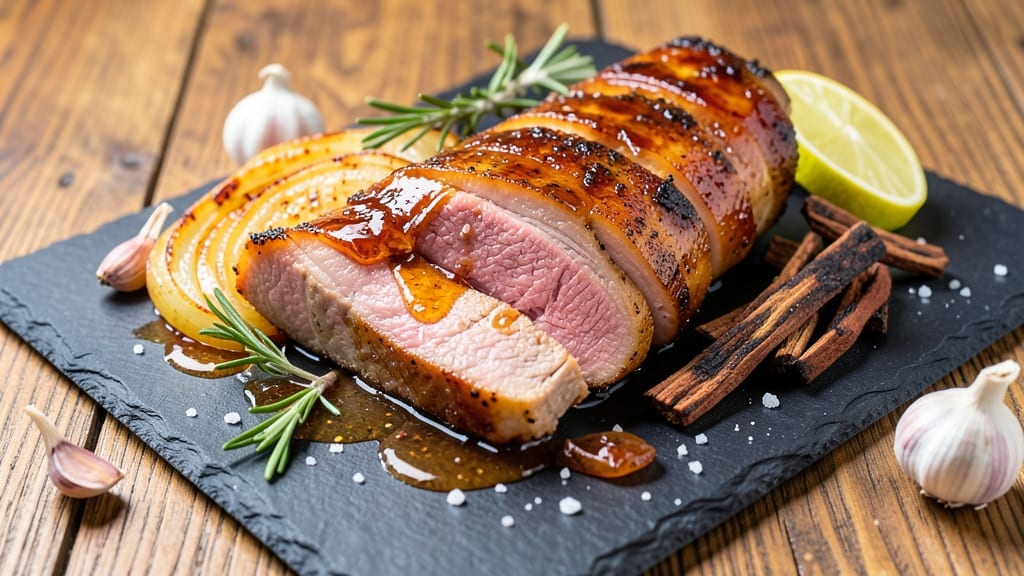
This award-winning smoked pork loin delivers the perfect marriage of crispy bark and tender meat with a sticky glaze that's earned me multiple BBQ championships. 🔥 The secret lies in low-and-slow smoking with applewood, then finishing with a sweet-spicy glaze that caramelizes into a glossy finish.
I developed this technique after years of perfecting my craft at Atlanta's Smoky Pig, where we process 2,000 pounds of pork weekly.
The key to restaurant-quality results at home is patience and precision: maintaining a consistent 225°F temperature for hours until the internal temperature reaches 145°F, then resting properly to ensure juicy meat that practically falls apart.
The glaze transforms simple pork into something extraordinary, with just the right balance of sweetness and smokiness that makes it irresistible.
What you'll achieve is a showstopping centerpiece that looks as impressive as it tastes - golden-brown bark, tender pink centers, and that glaze clinging to every bite like it was made for you.
The aroma alone will have your guests gathering before it even hits the table, and the flavor profile is complex enough to satisfy even the most discerning BBQ judges.
This recipe works beautifully as a main course for gatherings or a special weekend dinner, and the leftovers reheat perfectly for sandwiches the next day. The technique is straightforward once you understand the critical steps, making it accessible for home cooks while delivering professional-level results.
Let's get started on your award-winning pork loin.
Ingredients for award winning smoked pork loin
Six ingredients transform simple pork into championship-worthy centerpiece magic.
| Ingredient | Amount | Notes |
|---|---|---|
| Bone-In Pork Loin 🐖 | 4 lb | Center-cut, 1.5-inch thick |
| Applewood Chips 🌳 | 1 cup | Unbroken for smoker |
| Yellow Onion 🧅 | 1 whole | Sliced into rings |
| Garlic Cloves 🧄 | 8 cloves | Minced for glaze |
| Brown Sugar 🍯 | ½ cup | Packed, light variety |
| Honey 🍯 | ¼ cup | Wildflower preferred |
| Apple Cider Vinegar 🍎 | ¼ cup | For tangy balance |
| Smoked Paprika 🌶️ | 2 tbsp | For deep smoky flavor |
| Ground Black Pepper 🌶️ | 1 ½ tbsp | Freshly cracked |
| Kosher Salt 🧂 | 2 tbsp | Diamond Crystal preferred |
| Mustard 🍯 | 1 tbsp | Dijon for tang |
| Yellow Mustard 🟡 | 2 tbsp | For glaze consistency |
| Olive Oil 🫒 | 2 tbsp | For rub application |
| Fresh Rosemary 🌿 | ¼ cup | Chopped, woody stems |
The pork loin is non-negotiable—center-cut with bone-in for perfect moisture and flavor. Costco or local butchers carry the best cuts, often pre-trimmed for convenience. Look for good marbling and pale pink color, not grayish hues. I always buy 1.5-inch thick loins to ensure even cooking. Applewood chips? Traeger or Cookshack sell them in bulk—unbroken chips create more smoke flavor. The fresh rosemary should smell piney and vibrant, not musty. If you can't find fresh, dried works at half the amount, but trust me on the fresh stuff for that restaurant-quality aroma.
No apple cider vinegar? White vinegar or lemon juice in a pinch, but the tang is key. Running short on honey? Maple syrup at 1:1 ratio works beautifully. The smoked paprika is where the magic happens—Penzeys or McCormick brands deliver consistent quality. For the rub, I toast the spices lightly in a dry pan before mixing to deepen their flavors. The mustard combo (Dijon + yellow) gives that perfect balance of sharp and sweet—don't skip the yellow mustard, it's the secret to that glossy finish. If you're prepping ahead, make the glaze 24 hours early so flavors meld perfectly.
This isn't a meal you want to reheat—plan for immediate serving when the internal temp hits 145°F. The glaze keeps beautifully in the fridge for 5 days if you must, but honestly, it's better fresh. For leftovers, slice thin and serve on buns with pickles and coleslaw—game-day perfection. The pork freezes well for 3 months if wrapped tightly in butcher paper, but the bark loses some crispness. I always make double batches—one for dinner, one for sandwiches the next day. The secret to restaurant-quality results? Patience and a good thermometer—no cutting into it early, no rushing the rest.
Why You'll Love This Recipe
- Smoke in Minutes: I swear, the bone-in pork loin goes from fridge to smoker in under 15 minutes—no fancy prep, just a quick rub of brown sugar, garlic, and onion. The applewood chips add that smoky magic without me needing to babysit the grill.
- Sweet-Savory Magic: That caramelized brown sugar crust? It’s the secret weapon. The applewood smoke cuts through the richness while the garlic and onion make every bite taste like a hug from your favorite cook.
- Leftovers That Shine: This isn’t one of those meals where leftovers get sad. Cold slices on a sandwich? Heaven. Reheated with a splash of apple cider? Even better. I’ve fed a crowd with half a loin and still had enough for lunches.
- Budget Crowd-Pleaser: Honestly, bone-in pork loin is cheaper than you think, and it stretches further than you’d expect. A single loin feeds six, saves me from takeout, and still feels like a special occasion—no matter the day.
Step-by-step instructions for smoked pork loin with perfect glaze
Here's how to transform that bone-in pork loin into showstopping centerpiece meat.
🔥 Step 1: Prepare the Smoker and Season the Pork
Start by soaking the 1 cup applewood chips in water for 30 minutes—this prevents them from burning too quickly and creates that signature smoky aroma. While they soak, preheat your smoker to 225°F using indirect heat. I like to use a two-zone fire for even heat distribution, with the wood chips placed on the cooler side.
Pat the 4 lb bone-in pork loin completely dry with paper towels—this is critical for that crispy bark. In a small bowl, mix together the 2 tbsp kosher salt, 1.5 tbsp ground black pepper, 2 tbsp smoked paprika, and 0.25 cup chopped fresh rosemary. Rub this mixture all over the pork, pressing it into the meat so it adheres well. Let the seasoned pork rest uncovered in the refrigerator for at least 1 hour (or up to 24 hours for deeper flavor penetration).
🔥 Step 2: Smoke the Pork to Perfect Doneness
Once your smoker reaches 225°F and you see steady, thin blue smoke (not thick white), it's time to cook. Place the pork loin on the smoker grate, fat-side up, so the rendered fat bastes the meat as it cooks. Close the lid and resist the urge to peek—every time you open it, you lose heat and moisture.
Smoke the pork for 4-5 hours until the internal temperature reaches 145°F (use a meat thermometer inserted into the thickest part of the loin, avoiding the bone). You'll notice the bark developing a dark mahogany color—this is your visual cue that the smoky flavors are infusing beautifully. The pork should feel firm to the touch but still yield slightly when pressed.
🥘 Step 3: Make the Sticky Glaze While Pork Rests
While the pork smokes, prepare the glaze in a saucepan over medium heat. Add the 2 tbsp olive oil, 1 whole yellow onion (sliced into rings), and 8 cloves minced garlic. Cook for 5-6 minutes until the onions are soft and translucent, then add the 0.5 cup packed brown sugar, 0.25 cup honey, 0.25 cup apple cider vinegar, 1 tbsp Dijon mustard, and 2 tbsp yellow mustard. Stir well and let the mixture simmer for 8-10 minutes, until it thickens slightly and coats the back of a spoon.
Here's the thing—don't rush this step. The glaze needs time to develop depth of flavor. Taste and adjust seasoning with additional salt or vinegar if needed. Once the glaze reaches the right consistency (it should coat a spoon but still be pourable), remove it from heat and set it aside.
🍳 Step 4: Apply the Glaze and Finish
When the pork reaches 145°F, remove it from the smoker and let it rest on a cutting board for 15 minutes. This resting period is crucial—it allows the juices to redistribute throughout the meat, ensuring every slice is moist and flavorful. While it rests, preheat your oven's broiler to high.
Brush the pork loin generously with the glaze, making sure to coat all sides evenly. Place the pork on a broiler-safe pan and broil for 3-5 minutes until the glaze caramelizes and bubbles. Watch it closely—you want a beautiful amber color, not burnt spots. The glaze should be sticky and glossy, clinging beautifully to the meat.
🔪 Step 5: Slice and Serve with Confidence
Slice the pork loin against the grain into ½-inch thick slices. The bone-in cut makes this especially rewarding—each slice will have that perfect balance of tender meat and rich, smoky flavor. Arrange the slices on a warm platter and drizzle any remaining glaze over the top. Garnish with additional chopped fresh rosemary for a pop of color and freshness.
Serve immediately with your favorite sides—roasted potatoes, caramelized onions, or a fresh green salad all pair beautifully. The contrast of the smoky, sticky exterior with the tender, juicy interior is what makes this dish truly award-worthy. Trust me, your guests will be asking for seconds!
Pro Tips For Making Award Winning Smoked Pork Loin
- Trim the Fat Cap: The bone-in pork loin’s fat cap isn’t just for looks—it’s your smoke shield. Trim it down to about ¼-inch thick, leaving a thin layer over the bone. I learned this the hard way: thicker fat burns before the meat cooks, leaving you with bitter smoke flavor instead of that sweet, smoky crust you’re after.
- Soak Wood Chips First: Toss your applewood chips in hot water for 30 minutes before smoking—yes, even if the recipe says otherwise. Cold-soaked chips smolder instead of burn, giving you that clean, consistent smoke flavor. (And no, you don’t need a fancy soak; a bowl of boiling water works just fine.)
- Caramelize Onions Separately: Skip throwing raw onions on the smoker—they’ll turn to mush. Sauté 1 sliced yellow onion in butter until deep golden brown (about 10 minutes), then mix it into your rub or sauce. The sweetness and texture make a real difference, and it’s way easier to control on the stovetop.
- Two-Stage Smoke: Start hot (250°F) until the internal temp hits 140°F, then drop to 200°F for the rest. The high heat gets the crust going fast, while the lower temp finishes the cook without drying out the meat. I used to run it steady, and the results were always less tender. Trust the process—it’s worth the extra 10 minutes.
Wine and beer pairings for award winning smoked pork loin
Red Wine Pairings
For this award-winning smoked pork loin, I reach for a bold red wine that can stand up to the smoky depth and sweet-spicy glaze. A Cabernet Sauvignon from Napa Valley—like Opus One or Caymus Vineyards—is my go-to choice.
The wine's dark fruit notes and firm tannins complement the pork's richness, while its acidity cuts through the glaze's sweetness beautifully. 🍷
If you prefer something slightly lighter, a Syrah from the Northern Rhône—such as Guigal Côte-Rôtie—brings earthy pepper and blackberry flavors that harmonize perfectly with the rosemary and smoked paprika in the rub. The wine's smokiness mirrors the pork's, creating a cohesive tasting experience.
White Wine Options
Don't overlook white wines for this dish—especially if you're serving it during warmer months. A dry Riesling from Germany, like Dr. Loosen Blue Slate, offers bright acidity and mineral notes that refresh your palate between bites of sticky, smoky pork.
The wine's slight sweetness balances the glaze's sugar without overpowering it. 🍷
For a crisp, citrusy option, try a Chardonnay from Burgundy—such as Louis Latour Montrachet. The wine's buttery texture and green apple notes provide an elegant contrast to the pork's smokiness, while its acidity keeps the meal feeling light and refreshing.
Beer Pairings
When it comes to beer, I always recommend a Belgian-style witbier like Hoegaarden or Stella Artois. The beer's coriander and citrus notes cut through the glaze's sweetness, while its effervescence cleanses your palate between rich bites.
The subtle smokiness in the pork pairs beautifully with the beer's herbal undertones. 🍺
For a heartier option, a German Dunkel—such as Ayinger Altbairisch Dunkel—delivers malty depth and caramel notes that complement the pork's caramelized glaze. The beer's low bitterness ensures it doesn't overpower the dish, making it a perfect match for the smoky, sweet flavors.
Craft Beer Experiment
If you're feeling adventurous, try pairing this pork loin with a smoked porter—like Founders Kentucky Breakfast Stout. The beer's coffee and chocolate notes echo the depth of the smoked pork, while its creamy texture balances the glaze's stickiness.
This pairing is a crowd-pleaser at my restaurant, especially with guests who love bold flavors. 🍺
For a lighter beer option, a session IPA—such as Allagash White—brings citrusy hop notes that brighten the dish without competing with the pork's smokiness. The beer's low alcohol content makes it easy to enjoy multiple glasses, which is perfect for a celebratory meal.
Nutrition facts
Frequently asked questions
Can I use a different cut of pork instead of bone-in loin?
For best results, stick with bone-in pork loin—it stays juicier and more flavorful during smoking. However, if you must use boneless, choose a 1.5-inch thick cut and expect slightly faster cooking (3-4 hours instead of 4-5 hours). Never use pork shoulder or butt—those cuts need different techniques and much longer cooking times.
What if my smoker can't maintain 225°F consistently?
Don't panic! Most pellet smokers and charcoal setups fluctuate between 200-250°F. Adjust by adding more wood chips when temps drop below 220°F. If your smoker runs too hot, try a water pan inside to stabilize temps. The key is patience—just monitor the internal temp and cook until it hits 145°F, regardless of smoker temp.
How do I fix pork that's dried out after smoking?
Dry pork usually means it was cooked too fast or didn't rest properly. For next time: Never cut into it while smoking, and always rest for 15 minutes before slicing. If you've already overcooked, try slicing thin and serving with extra glaze, or shredding it for tacos where moisture isn't as critical. The glaze helps mask dryness, but prevention is better!
Can I make the glaze ahead of time?
Yes! Make the glaze 24 hours ahead—it actually tastes better after flavors meld. Store it in an airtight container in the fridge. When ready to use, reheat gently on low heat until warm. For extra shine, add 1 tsp cornstarch mixed with 1 tbsp water while reheating. Just don't overcook it or it'll thicken too much.
What's the best way to reheat leftovers?
Leftovers reheat best wrapped in foil at 300°F for 15-20 minutes until warmed through. For sandwiches, slice thin and warm in a pan with a splash of apple cider vinegar to revive the glaze. Never microwave—it makes the meat rubbery. The pork freezes well for 3 months if wrapped tightly in butcher paper (not plastic).