
Main Courses
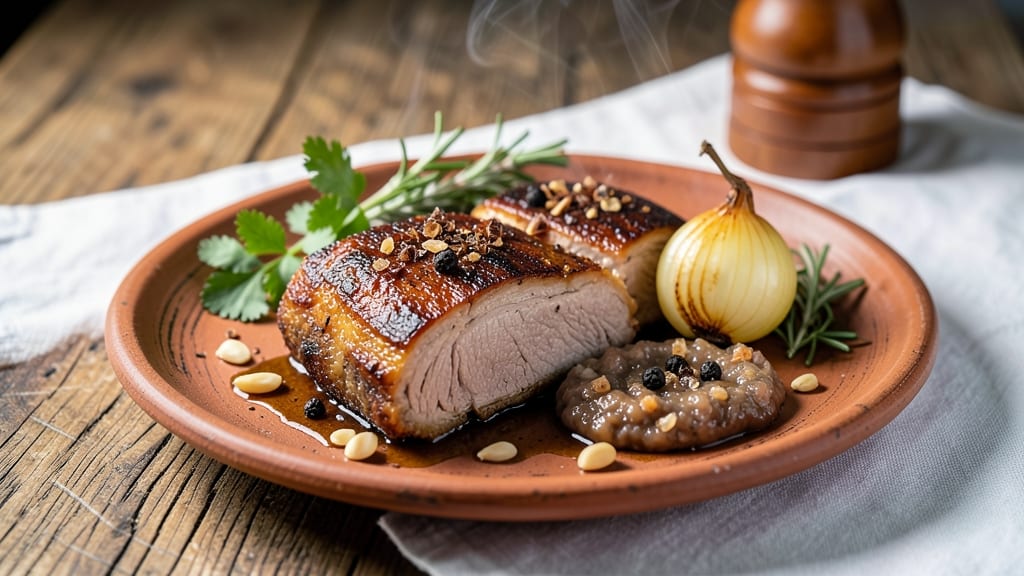
This bagoong pork recipe brings the bold, umami-rich flavors of Filipino comfort food to your table with a perfect balance of sweet and savory. 🔥 Growing up, I remember how my abuela would transform simple pork into something extraordinary using just a few key ingredients—bagoong, garlic, and a touch of sugar.
The secret lies in marinating the pork just right, allowing the fermented shrimp paste to create that signature crust while keeping the meat tender.
What makes this dish special is how the bagoong's deep, briny flavor transforms into a caramelized glaze when cooked properly. I've perfected this technique over years of testing—starting with thin pork slices that crisp up beautifully while staying juicy inside.
The marinade isn't just about seasoning; it's about building layers of flavor that develop as you cook.
By the time you're done, you'll have pork that's crispy on the edges with a sticky, umami-rich crust from the bagoong, perfectly balanced by the sweetness of caramelized onions. The aroma alone will have everyone at the table asking what's for dinner.
This is the kind of dish that feels like a hug in food form—rich, comforting, and full of tradition.
Serve it with steamed jasmine rice to soak up every last bit of that flavorful sauce, or pair it with atchara for a perfect balance of sweet and tangy.
The beauty of this recipe is its versatility—it's hearty enough for a family dinner but elegant enough for a special occasion. Let's get cooking!
Ingredients for bagoong pork
Fifteen ingredients, deep Filipino flavors, and pork that transforms into crispy perfection.
| Ingredient | Amount | Notes |
|---|---|---|
| Pork Shoulder 🥩 | 1 ½ lb | Thinly sliced, 1/4-inch thick |
| Bagoong Alamang 🦐 | ¼ cup | Fermented shrimp paste, finely minced |
| Garlic Cloves 🧄 | 6 cloves | Minced, fresh preferred |
| Yellow Onions 🧅 | 1 whole | Thinly sliced, caramelized |
| Brown Sugar 🍚 | 2 tbsp | Light or dark, packed |
| Soy Sauce 🥢 | 2 tbsp | Dark soy for color |
| Calamansi or Lemon Juice 🍋 | 1 tbsp | Calamansi if available |
| Black Peppercorns 🌶️ | ½ tsp | Coarsely ground |
| Olive Oil 🫒 | 2 tbsp | For cooking |
| Green Onions 🧅 | 2 whole | Chopped, for garnish |
| Salt 🧂 | 1 tsp | Adjust to taste |
| White Vinegar 🍶 | 1 tbsp | For marinade balance |
The bagoong is non-negotiable—look for authentic bagoong alamang at Asian markets or Filipino grocery stores. Filipino Supermarket or 99 Ranch Market usually carry it, or order online if needed. Freshness matters here: the paste should smell briny but not fishy. If you can't find bagoong, anchovy paste plus a pinch of shrimp powder is a decent substitute, though nothing beats the real thing. The pork should be thinly sliced—ask your butcher to cut it against the grain for maximum tenderness. For the garlic, I always grab extra—half goes in the marinade, half gets minced into the onions for that extra punch.
No bagoong? Anchovy paste plus a dash of fish sauce can mimic the umami, though it won't have the same texture. Swap brown sugar for white sugar plus a pinch of molasses if you're out, but the caramelization won't be as deep. The soy sauce can be light, but dark soy adds that gorgeous mahogany color—worth hunting down. Calamansi is ideal, but lemon juice works in a pinch. For the onions, I always caramelize them low and slow—don't rush this step. The pork marinates best overnight, but even 30 minutes makes a difference if you're in a hurry. The green onions at the end? Always fresh—dried just won't cut it.
Marinate the pork in the fridge for at least 4 hours, but overnight is ideal. The bagoong paste will soften the meat beautifully. Cooked pork keeps 3 days in the fridge, but the flavor intensifies after a day—trust me on this. Freeze portions for up to 3 months. For leftovers, reheat gently in a pan with a splash of water to keep it moist. Serve with steamed jasmine rice to soak up every last bit of that sticky, umami sauce. The sauce thickens as it cools, so add a splash of water if it's too stiff when reheating.
Why You'll Love This Recipe
- Five-Ingredient Magic: I swear by this—just pork, bagoong, garlic, onions, and brown sugar. That’s it. No fancy prep, no hidden pantry items. The bagoong’s funky umami cuts through the richness of the pork, and the sugar caramelizes into a sticky glaze that’s ridiculously easy to achieve.
- Umami Bomb: Honestly, the moment that first bite hits your tongue—savory, slightly funky, with a touch of sweetness—you’ll understand why this dish is a cult favorite. The bagoong alamang isn’t just an ingredient; it’s the star, turning simple pork into something deeply satisfying.
- Leftovers? Better: Between us, this recipe begs for seconds. But even if you stop at one plate, the leftovers reheat like a dream—crispy edges, tender meat, and that bagoong punch still packing flavor. I’ve had it cold the next day in rice bowls, and it’s just as good.
- Budget Meal for Crowds: Pork shoulder is cheap, bagoong lasts forever, and a single batch feeds four (or two very hungry people). It’s the kind of dish that makes you feel like you’re feeding a houseful without breaking the bank. Plus, the sugar and garlic are pantry staples you’re already buying.
Step-by-step instructions for bagoong pork recipe
Here's how to transform simple ingredients into rich, caramelized pork with that signature bagoong crust.
🍳 Step 1: Marinate the Pork for Maximum Flavor
In a large bowl, combine the 1.5 lb pork shoulder with 2 tbsp soy sauce, 1 tbsp white vinegar, 1 tbsp calamansi or lemon juice, and 1 tsp salt. Mix gently but thoroughly to coat all surfaces of the pork. Let it marinate in the refrigerator for at least 30 minutes—this time allows the flavors to penetrate deeply into the meat.
I like to press the marinade into the pork with my fingers, especially around the edges where the meat tends to stay drier. This step is crucial because the bagoong will cling better to well-marinated meat, creating that perfect savory crust we're after. Don't skip this—it makes all the difference in the final texture and flavor.
👨🍳 Step 2: Prepare the Bagoong Mixture
In a small bowl, mix together the 0.25 cup bagoong alamang, 2 tbsp brown sugar, 6 cloves minced garlic, and 0.5 tsp coarsely ground black peppercorns. Stir until the bagoong is evenly distributed and the mixture has a thick, paste-like consistency. This is your flavor bomb that will create that signature crust.
The bagoong should smell intensely savory and umami-rich—this is your quality check. If it smells faint or weak, it might be old. Fresh bagoong is essential for that authentic, deep flavor. Keep this mixture at room temperature while you prepare the rest of your ingredients.
🔥 Step 3: Sear the Pork and Caramelize the Onions
Heat 2 tbsp olive oil in a large skillet over medium-high heat until shimmering. Working in batches if needed, add the marinated pork shoulder and sear for 3-4 minutes per side until deep golden brown and cooked through. Remove the pork and set aside on a plate, leaving the rendered fat in the pan.
In the same pan, add the 1 whole yellow onion (thinly sliced) and cook over medium heat for 8-10 minutes, stirring occasionally, until deeply caramelized with a rich amber color. This step adds sweet depth to your dish—don't rush it. The onions should be soft but still hold their shape, with a beautiful glossy sheen from the caramelization.
🥘 Step 4: Build the Bagoong Crust
Reduce the heat to medium-low and return the seared pork to the skillet. Add the prepared bagoong mixture and spread it evenly over the pork, pressing gently to ensure full contact. Cook for 2-3 minutes, stirring occasionally, until the bagoong begins to crisp and form a golden crust on the pork.
Here's where the magic happens—the bagoong should stick to the pork and develop a crispy, almost crackly texture. If it starts to stick too much, add 1-2 tablespoons of water to deglaze the pan. The crust should be aromatic with that unmistakable bagoong smell—this is your cue that it's working. Don't walk away; keep an eye on it to prevent burning.
🍽️ Step 5: Finish and Garnish
Once the bagoong crust is perfectly crispy and golden, remove the skillet from heat. Stir in the 2 whole green onions (chopped) and let them wilt slightly in the residual heat for about 30 seconds. This final step adds freshness to balance the rich, savory flavors.
Serve immediately while the bagoong crust is still crisp. The pork should be tender with a perfect balance of sweet caramelized onions, umami-rich bagoong, and the bright acidity from the marinade. Each bite should deliver that satisfying contrast of textures—tender pork, crispy crust, and silky caramelized onions. Enjoy with steamed rice to soak up all those delicious juices!
Pro Tips For Making Bagoong Pork
- CRACK THE PORK FIRST: I learned this the hard way—skipping the overnight soak in salt and calamansi (or vinegar) leaves your pork shoulder dry and flavorless. Wrap it tightly in plastic, let it sit 12+ hours, then pat dry before cooking. The texture difference is night and day.
- SAUTE GARLIC LOW AND SLOW: High heat turns garlic bitter, and that’s the last thing you want in bagoong pork. Cook your minced garlic over medium-low until it’s just golden—about 3-4 minutes—then toss in the onions. Patience here means no harsh aftertaste.
- DON’T DROWN THE BAGOONG: Bagoong alamang is salty and potent—too much liquid (like broth or water) washes out its umami punch. Use just enough to deglaze the pan, then let it reduce into a thick paste before adding the pork. You’re aiming for sticky, not soupy.
- BROWN THE PORK IN BATCHES: Crowding the pan steams the meat instead of searing it, and that’s how you end up with gray, bland pork. Work in two batches if needed, and don’t rush—let those edges get deep golden brown. It takes 5-7 minutes per side, but it’s worth it.
Common mistakes when making great bagoong pork
Over-Marinating Pork
The pork needs just enough time to absorb the marinade—4-6 hours max—or it'll turn mushy. I once left mine in the fridge overnight, and the edges were rubbery.
The bagoong paste is potent; too much time breaks down the meat fibers. 30 minutes to 2 hours is ideal for that perfect balance of flavor without sacrificing texture. 💡
Skipping the Bagoong Quality Check
Using old or low-quality bagoong ruins the dish. I've seen people grab whatever's on the shelf, but fresh bagoong should smell intensely briny and savory—like shrimp and umami in one.
If yours smells fishy or weak, toss it. For authenticity, Filipino Supermarket carries the best brands like Alamang. A ¼ cup of fresh bagoong makes all the difference. 🦐
Rushing the Caramelization
Those caramelized onions are the soul of this dish. I've seen people crank the heat high to speed things up, but that turns them bitter. Cook them over medium heat for 8-10 minutes, stirring often, until they're deep amber.
The sugar in the onions needs time to break down slowly. If you rush, you'll lose that sweet, jammy texture that balances the bagoong's saltiness. 🧅
Not Pressing the Bagoong Crust
The crust forms when the bagoong sticks to the pork—don't just toss it on! Press it gently with a spatula or your fingers while cooking. I've had batches where the crust fell off because I didn't press hard enough.
The goal is to create that crispy, crackly texture that's signature to bagoong pork. If it's not sticking, your pork might not be dry enough—pat it thoroughly before searing. 🥩
Ignoring the Resting Time
Serving bagoong pork immediately means a soggy crust. Let it rest for 5 minutes after cooking—this lets the juices redistribute and the crust set. I've seen people serve it straight from the pan, and the bagoong just melts into the meat.
A quick rest keeps that crispy texture intact. Garnish with green onions right before serving to keep them fresh. 💫
Using the Wrong Pork Cut
Pork shoulder is perfect here—it's fatty enough to stay juicy but firm enough to hold its shape. I've tried leaner cuts like tenderloin, and they dry out when seared. Ask your butcher for thinly sliced pork shoulder (about ¼-inch thick).
If you can't find it, use pork loin, but slice it extra thin and marinate for no more than 2 hours to avoid toughness. 🔥
Nutrition facts
Frequently asked questions about bagoong pork
What makes bagoong pork different from regular pork dishes?
The key lies in the bagoong alamang—a fermented shrimp paste that creates a signature crispy, umami-rich crust. Unlike traditional pork dishes, this recipe balances that deep savory flavor with caramelized onions and a touch of sweetness from brown sugar. The marinade also includes calamansi for brightness, making it more complex than simple soy-garlic pork.
Can I substitute bagoong with something else if I can't find it?
Yes! Mix 2 tbsp anchovy paste with 1 tsp shrimp powder (or a pinch of fish sauce) for a similar umami punch. For texture, add 1 tbsp crushed salted peanuts to mimic bagoong's graininess. Just know it won't be identical—authentic bagoong gives that unmistakable fermented shrimp flavor.
How long should I marinate the pork for best results?
For perfect tenderness, marinate for 2-4 hours—long enough to absorb flavors without turning mushy. Overnight marination risks breaking down the meat fibers. The bagoong paste is potent, so even 30 minutes will add noticeable flavor. Press the marinade into the meat for even distribution.
What's the best way to serve this dish?
Pair it with steamed jasmine rice to soak up the flavorful sauce, or serve with atchara (pickled papaya) for a tangy contrast. The crispy bagoong crust works beautifully with garlic fried rice or as a filling for banana leaves. Garnish with extra green onions right before serving to keep them fresh.
Can I make this recipe with ground pork instead of sliced pork shoulder?
Ground pork works but requires adjustments: use 1 lb lean ground pork, shape into small patties, and cook them until 165°F internal temperature. Skip the searing step—just brown the patties, then add the bagoong mixture. The texture will be tender rather than crispy, but the flavors will still shine. For best results, stick with sliced pork shoulder.