
Main Courses
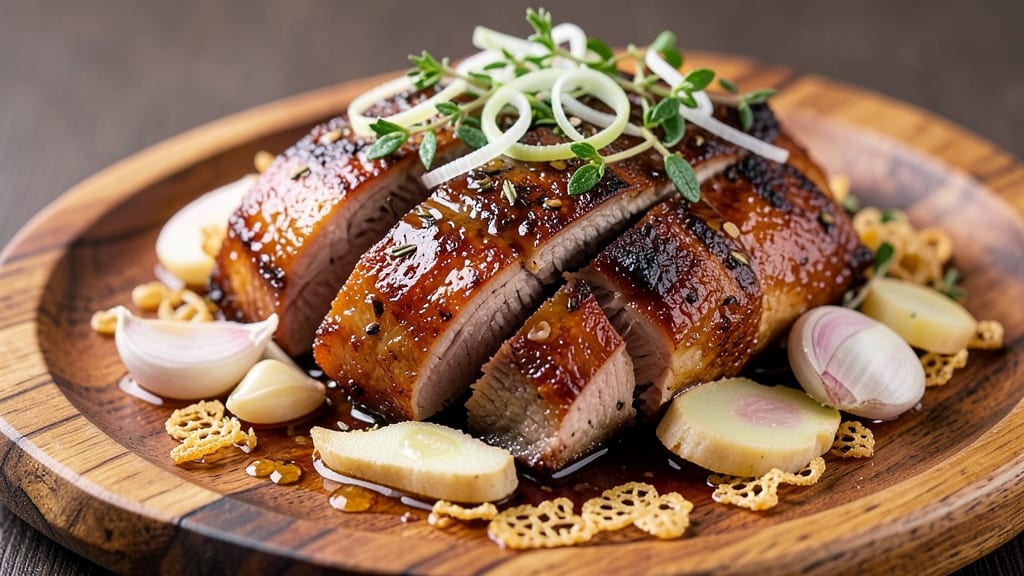
This Bahamian pork souse recipe brings the bold flavors of the Caribbean to your kitchen with its signature vinegar-cured tenderness and aromatic spice blend. 💛 I first encountered this dish during my travels through the Bahamas, where it's a staple at family gatherings and community feasts.
The combination of vinegar, allspice, and thyme creates a unique tangy-sweet profile that transforms tough pork into melt-in-your-mouth perfection.
What sets Bahamian souse apart is its traditional preparation method, where the pork is first cured in a vinegar-spice marinade before being slow-cooked to develop deep, complex flavors. The process requires patience, but the results are worth every minute—juicy, flavorful meat that falls apart with each bite.
This dish is more than just food; it's a celebration of Bahamian culture and culinary tradition.
The recipe begins with a careful balance of vinegar, garlic, and Bahamian spices that create the signature tangy yet savory profile. After the curing process, the pork is simmered until tender, absorbing all the rich flavors of the marinade.
The final result is a dish that's equally at home served with festival (Bahamian fried dumplings) or alongside rice and peas for a complete meal.
This traditional preparation method ensures you'll achieve that authentic Bahamian flavor profile that makes souse so special. The slow cooking process develops layers of flavor that you simply can't replicate with quick cooking methods.
Whether you're serving it at a family gathering or enjoying it as a special treat, this pork souse will transport your taste buds straight to the Bahamas.
Ingredients for bahamian pork souse
Six ingredients transform tough pork into melt-in-your-mouth Bahamian souse perfection through spice and vinegar magic.
| Ingredient | Amount | Notes |
|---|---|---|
| Pork Shoulder 🥩 | 3 lb | Bone-in for best flavor |
| White Vinegar 🍶 | 2 cups | Distilled or apple cider |
| Allspice Berries 🌶️ | 1 tbsp | Ground or whole, crushed |
| Fresh Thyme 🌿 | ¼ cup | Stems removed, chopped |
| Garlic Cloves 🧄 | 8 cloves | Peeled, smashed |
| Fresh Ginger 🌿 | ½ cup | Grated, skin on |
| Brown Sugar 🍯 | ½ cup | Light or dark |
| Bay Leaves 🍃 | 2 whole | Dried, standard size |
| Scotch Bonnet Peppers 🌶️ | 2 whole | Seeds removed, chopped |
| Salt 🧂 | 1 ½ tbsp | Kosher or sea salt |
| Black Peppercorns 🌶️ | 1 tsp | Whole, crushed |
| Water 💧 | 1 cup | For curing liquid |
The pork shoulder is non-negotiable here—bone-in gives the best flavor, and Costco or your butcher will have it pre-cut. Look for good marbling, not too lean. If you can't find Scotch bonnet peppers (the hallmark of Bahamian heat), habanero or habanero-habanero blends at Latin markets work perfectly. Fresh thyme and ginger are worth hunting down at Trader Joe's or the produce section—they make all the difference. Allspice berries? Penzeys or bulk bins if you want the best, but the tiny jars at the grocery store work too.
No allspice? Cinnamon plus nutmeg at half the amount gets you close. Short on vinegar? Apple cider vinegar or white wine vinegar both work, but distilled vinegar is traditional. The ginger can be substituted with 1 tbsp ground ginger, but fresh is better. For the Scotch bonnet, remove seeds and membranes to control heat—keep the skin on for extra flavor. If your brown sugar is packed, use 3/4 cup instead of 1/2. The bay leaves? Standard dried ones from the spice aisle are perfect—no need for fancy ones.
The curing marinade keeps for 3 days in the fridge—make extra for leftovers. The pork itself? 3 days in the curing liquid, then 2 hours simmering. Store cooked souse in airtight containers for 5 days or freeze for 3 months. I always make double batches—leftovers reheat beautifully and taste even better the next day. The vinegar smell fades completely once cooked, leaving just that rich, spicy Bahamian flavor.
Why You'll Love This Recipe
- One-Pot Magic: I swear by this recipe on my busiest days. Toss everything—pork, vinegar, spices—into one pot, simmer, and walk away. The allspice and thyme do all the work while you handle the rest of life.
- Tangy-Sweet Bite: That vinegar-pork combo? It’s chef’s kiss—crispy on the outside, tender inside, with a bright acidity that cuts through the richness. The garlic and allspice turn it into something you’ll crave, not just eat.
- Leftovers That Shine: Between us, this dish begs for seconds—and thirds. It keeps well for days, so I make a big batch, slice it thin, and serve it cold in wraps or on toast. (Yes, even on a Tuesday night.)
- Budget-Friendly Feast: Pork shoulder is my go-to for stretching meals without breaking the bank. A few spices and some vinegar turn it into something special—no fancy ingredients, just pure flavor that won’t drain your wallet.
Step-by-step instructions for Bahamian pork souse
This Caribbean classic transforms tough pork into tender, vinegar-kissed perfection—here's how.
👨🍳 Step 1: Prepare the Spiced Vinegar Cure
In a medium saucepan, combine the 2 cups white vinegar, 0.5 cup brown sugar, 1.5 tbsp salt, 1 tbsp allspice berries, 2 whole bay leaves, and 1 tsp crushed black peppercorns. Bring to a gentle simmer over medium heat for 5 minutes, stirring occasionally until the sugar dissolves completely. You're creating the flavor foundation that will penetrate every inch of the pork.
Remove from heat and let cool to room temperature. Once cooled, stir in the 0.25 cup chopped fresh thyme, 8 smashed garlic cloves, 0.5 cup grated fresh ginger, and 2 chopped Scotch bonnet peppers (seeds removed). The peppers add just enough heat to complement the sweet-spicy balance. Let this mixture steep for 15 minutes while you prepare the pork—this allows the aromatics to infuse the vinegar.
👨🍳 Step 2: Cure the Pork Shoulder
Rinse the 3 lb pork shoulder under cold water and pat completely dry with paper towels. This step is crucial—any moisture will dilute your cure. Place the pork in a large zip-top bag and pour in the cooled spiced vinegar mixture, ensuring the pork is fully submerged. Seal the bag and massage it gently to distribute the cure evenly, especially around the edges where the meat is thickest.
Refrigerate for 3-5 days, turning the bag daily to keep the pork evenly coated. The vinegar will begin to break down the muscle fibers, transforming tough meat into tender slices. Here's the thing—don't rush this step. The longer it cures (up to 7 days), the more tender and flavorful the souse becomes, but 3 days minimum is essential for proper texture.
🔥 Step 3: Cook the Cured Pork
Preheat your oven to 300°F. Remove the pork from the curing liquid (reserve the liquid for another use if desired) and place it in a Dutch oven or heavy pot. Add 1 cup water to the pot, which will create steam and help tenderize the meat further. Cover tightly with a lid and bake for 3-4 hours, until the pork is fork-tender and easily pulls apart.
Check for doneness by inserting a fork into the thickest part of the meat—it should slide in easily with minimal resistance. The internal temperature should reach 195-205°F when measured with a meat thermometer. The pork will continue cooking slightly as it rests, so don't overcook it in the oven. The cooking liquid should reduce to a rich, spiced syrup that coats the bottom of the pot—this is what makes souse so special.
🍽️ Step 4: Rest and Serve
Remove the pork from the oven and let it rest in the cooking liquid for at least 30 minutes before serving. This resting period allows the juices to redistribute throughout the meat, ensuring each slice is moist and flavorful. Real talk: if you skip this step, you'll end up with dry, stringy meat that falls apart when sliced.
Using two forks, shred the pork directly in the pot, mixing it with the cooking liquid to create a rich, saucy dish. The texture should be tender enough to pull apart with gentle pressure, with just enough resistance to hold its shape when sliced. Serve warm with the cooking liquid spooned over the top, or use it as a filling for sandwiches, tacos, or fried dumplings. The spiced vinegar cure gives it a unique tangy-sweet flavor that pairs perfectly with Caribbean sides like steamed cabbage or fried plantains.
Pro Tips For Making Bahamian Pork Souse
- CRUSH THE ALLSPICE: Fresh whole allspice berries pack more punch than ground spice—crush them lightly with the flat side of your knife before adding. I learned this the hard way when my souse tasted muted; those tiny seeds need a little coaxing to release their warmth.
- CUT THE PORK SHOULDER SMALL: Slice the pork shoulder into 1-inch chunks for even cooking—no one wants a chewy center while the edges turn rubbery. I used to leave it in big hunks, and half the batch ended up overcooked by the time the middle hit 165°F.
- STEAM THE GARLIC FIRST: Sauté the garlic in oil until it’s just golden, then add a splash of water to steam it for 30 seconds—this mellows the raw bite and deepens the flavor. Skipping this step makes the vinegar taste harsh, and no one wants that tang fighting for dominance.
- DON’T RUSH THE VINEGAR: Let the white vinegar simmer uncovered for 5 minutes after adding it to the pot—this drives off some of the sharpness and lets the acid meld with the pork. I used to dump it in and stir, and the dish always tasted like a science experiment gone wrong.
Troubleshooting great bahamian pork souse
Vinegar Overload?
The sharp tang of vinegar is essential for authentic flavor, but too much can overpower the pork. If your souse tastes harshly acidic, reduce the vinegar by ¼ cup next time. I’ve found that using apple cider vinegar instead of distilled can soften the bite while keeping that Bahamian tang.
Always taste your cure before adding it to the pork—balance is key! 🌶️
Pork Too Tough?
If your souse turns out chewy instead of tender, you likely rushed the curing process. The minimum cure time is 3 days, but I recommend 5 days for true tenderness. For extra insurance, add 1 tbsp baking soda to the curing liquid—it helps break down collagen faster.
Slow-cooking in a 300°F oven with the lid sealed is also critical; don’t skip the water in the pot either, as steam is your secret weapon for tenderness. ⚡
Uneven Cooking?
Large pork shoulders can develop cold spots if not cooked evenly. To prevent this, rotate the pot halfway through cooking. A meat thermometer is your best friend—insert it into the thickest part of the meat. If the temperature varies by more than 10°F between areas, add 15 minutes.
For extra even cooking, I’ve started using a cast-iron Dutch oven. It retains heat better than stainless steel and ensures consistent doneness. 🔥
Spices Too Mild?
If your souse lacks depth, the spices likely didn’t infuse properly. For stronger flavor, crush the allspice berries and black peppercorns. I also recommend toasting the spices in a dry pan for 1 minute.
This intensifies their aroma before mixing them into the vinegar. For an extra kick, add 1 tsp ground nutmeg. It pairs beautifully with allspice and adds warmth without overpowering the dish. 💫
Cooking Liquid Too Thin?
A watery souse happens when too much liquid is added during cooking. The cure itself should be the primary liquid—only add 1 cup water. If your pot feels too full, reduce the heat to medium-low.
The liquid should reduce naturally as the pork cooks. For a thicker sauce, finish by simmering the pork uncovered for the last 15 minutes. This evaporates excess moisture while concentrating the flavors. 💡
Freezer Burn?
To prevent freezer burn, always use airtight containers. I prefer glass jars with tight-sealing lids. Leave ½ inch of headspace. Label with the date—souse freezes beautifully for 3 months.
When reheating, thaw overnight in the fridge, then warm gently on the stove with a splash of water to restore moisture. Never microwave directly from frozen; it’ll dry out the meat. ❄️
Nutrition facts
Frequently asked questions
Can I use chicken or other meats instead of pork?
Traditional Bahamian souse is made with pork, but you can adapt the recipe for chicken thighs or turkey legs. The curing process works best with fatty, flavorful cuts—avoid lean meats like breast or tenderloin. For chicken, reduce the curing time to 2-3 days and cook at 325°F for 1.5-2 hours to prevent drying.
How do I store leftover Bahamian souse?
Store cooked souse in airtight containers in the fridge for up to 5 days or freeze for 3 months. For reheating, place in a pot with a splash of water or broth and simmer on low heat until warmed through. Microwaving can make it rubbery—always reheat gently on the stovetop.
What's the best way to serve Bahamian souse?
This versatile dish shines in sandwiches with Bahamian festival (fried dumplings), or served with steamed cabbage and peas and rice. For a modern twist, try it in tacos with pickled onions and lime crema. The cooking liquid makes an excellent gravy—simply reduce it on the stove until thickened.
Can I make souse without Scotch bonnet peppers?
If you can't find Scotch bonnet, use habanero or habanero-habanero blends at half the amount. For milder heat, try jalapeño or serrano peppers (remove seeds). If you prefer no heat, omit them entirely—the dish will still be delicious with the other spices. Always taste your cure before adding it to the pork.
Why does my souse smell strong when raw?
The vinegar and spices create a pungent aroma during curing—that's normal! The smell fades completely once cooked. If you're concerned, taste a small piece of the pork after 24 hours of curing—the flavors will be developing properly. The strong smell is part of the traditional process that creates that unique Bahamian flavor.