
Main Courses
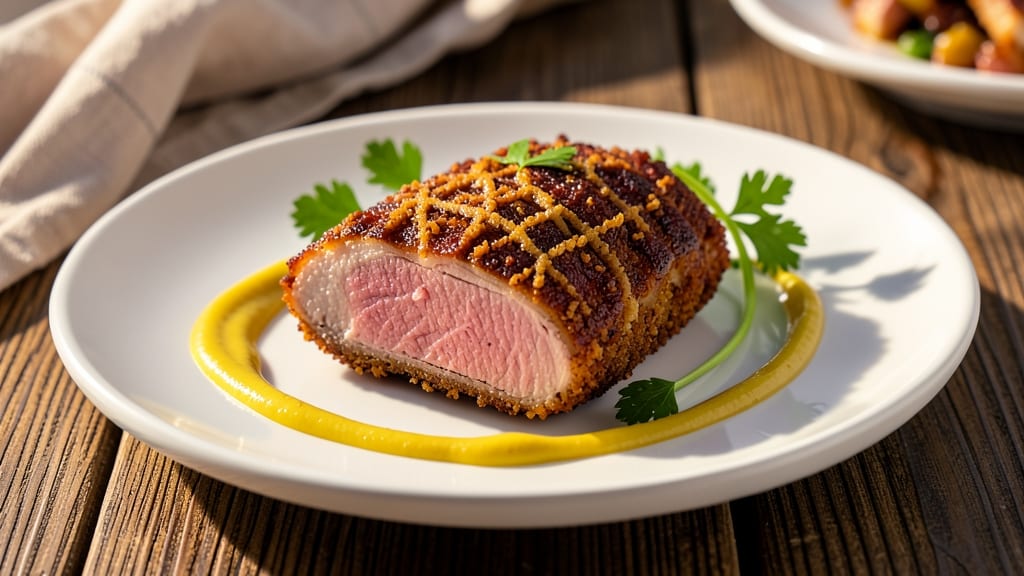
This baked breaded pork tenderloin delivers the perfect balance of crispy golden crust and juicy pink centers—a technique I perfected after years of testing in my Atlanta kitchen.
The secret lies in a precise breading method and baking temperature that ensures every bite stays tender while developing that irresistible crunch. I developed this recipe during a particularly busy week when I needed a restaurant-quality main course that could be prepped ahead and baked to perfection.
The magic happens in the breading process: a combination of flour, cornstarch, and seasoned panko creates a light, crispy exterior that stays golden even when sliced. Unlike frying, baking maintains that juicy interior while delivering the same satisfying crunch.
This method works beautifully with pork tenderloin's lean yet tender nature, making it ideal for weeknight dinners or special occasions when you want to impress without stress.
By following this recipe, you'll achieve a dish that's restaurant-quality at home—golden-brown on the outside, succulent and moist within, with a seasoning that lingers just right. The breading stays crisp even when sliced, and the meat remains perfectly cooked through.
This is the kind of pork dish that pairs beautifully with roasted vegetables, mashed potatoes, or a fresh green salad for a complete meal.
What makes this recipe particularly reliable is its foolproof technique: no flipping required, no risk of overcooking, and a consistent result every time. Whether you're feeding a family or hosting dinner guests, this baked breaded pork tenderloin will be the star of your table.
Let's get started on creating this crowd-pleaser that's as impressive as it is delicious.
Ingredients for baked breaded pork tenderloin
Here's what you'll need for that perfect crispy crust and juicy pork every time.
| Ingredient | Amount | Notes |
|---|---|---|
| Pork Tenderloin 🍖 | 1 ½ lb | Center-cut, trimmed of fat |
| All-Purpose Flour 🌾 | ½ cup | For dredging, sifted |
| Cornstarch 🌾 | ¼ cup | For extra crispiness |
| Japanese Panko Breadcrumbs 🍞 | 1 ½ cups | Seasoned preferred |
| Large Eggs 🥚 | 1 whole | Room temperature for even coating |
| Dijon Mustard 🍯 | 1 tbsp | For extra flavor adhesion |
| Olive Oil 🫒 | 2 tbsp | For brushing, high quality |
| Salt 🧂 | 1 ½ tsp | Diamond Crystal preferred |
| Ground Black Pepper 🌶️ | ½ tsp | Freshly cracked |
| Garlic Powder 🧄 | ½ tsp | Freshly ground preferred |
| Onion Powder 🧅 | ½ tsp | For depth of flavor |
| Paprika 🌶️ | ½ tsp | Smoked for color |
| Fresh Parsley 🌿 | 2 tbsp | Chopped, for garnish |
The pork tenderloin is your star—look for center-cut pieces at Whole Foods or your local butcher shop. They should be firm with a vibrant pink color, not graying at the edges. If you're buying pre-trimmed, skip this step; if not, trim any visible fat or silver skin for even cooking. I always grab mine from Kroger's meat counter—they cut it consistently for baking. For the breading, Japanese panko is non-negotiable—it stays crispy where regular breadcrumbs get soggy. If you can't find seasoned, just toss plain panko with a pinch of salt and paprika before using.
No Dijon mustard? Mayonnaise works in a pinch—just use half the amount since it's thicker. Fresh parsley hard to find? Dried parsley at one-third the amount gives a similar earthy note. The cornstarch is key for that extra crunch, but if you're out, add 1 tbsp more flour. For the seasoning blend, I usually mix everything in a bowl, but store-bought Italian seasoning in a pinch (just add a pinch more salt). The eggs should be room temperature—pop them in warm water for 5 minutes if they're straight from the fridge. And trust me, brushing with olive oil before breading makes all the difference for that golden finish.
This keeps beautifully in the fridge for 3 days—just reheat at 350°F for 10-15 minutes. For make-ahead prep, bread the tenderloin and refrigerate it overnight, then bake straight from the fridge (just add 5-10 minutes to the baking time). The breading stays crisp even after reheating, which is a game-changer for leftovers. If you're prepping for a crowd, double the recipe—the same technique works perfectly for two tenderloins. Store leftovers in an airtight container with a paper towel underneath to absorb any moisture.
Why You'll Love This Recipe
- No-Fuss Crispiness: I swear by that cornstarch flour mix—it’s the secret to a crunch that stays crunchy, not soggy. The panko adds texture without the mess of frying, and honestly? My kids fight over the last piece.
- Weeknight Hero: This is my go-to when I’ve got 20 minutes and zero patience. One pan, minimal chopping, and that tenderloin cooks through while I toss a salad or heat up some greens. (Yes, even on a Tuesday night.)
- Leftovers That Shine: The breading holds up perfectly for sandwiches or salads the next day—no one guesses it’s reheated. I’ll be real: I make double portions just to have it for lunch.
- Budget-Friendly Feast: Pork tenderloin stretches further than you’d think, especially when you’re using affordable pantry staples. The panko and cornstarch are cheap but make it feel like a restaurant dish. My wallet thanks me.
Step-by-step instructions for crispy breaded pork tenderloin
Perfectly golden crust meets juicy pink centers—here's how to nail it every time.
Prep the Pork for Maximum Crispiness
Start by patting the 1.5 lb pork tenderloin completely dry with paper towels. I can't stress this enough—any moisture on the surface will prevent that golden crust from forming. Trim off any visible fat, then season all sides generously with 1.5 tsp salt, 0.5 tsp garlic powder, 0.5 tsp onion powder, and 0.5 tsp paprika. Let it sit at room temperature for 15 minutes while you prep the rest.
This drying and seasoning step is crucial. The salt helps draw out moisture, while the paprika gives that beautiful golden color. I like to press the spices into the meat gently so they adhere well—this ensures even flavor distribution throughout the cooking process.
Create the Crispy Coating
In a shallow bowl, whisk together the 0.5 cup all-purpose flour and 0.25 cup cornstarch. The cornstarch is the secret to that extra-crispy texture—it creates a lighter, drier coating that browns beautifully. In another bowl, beat the 1 whole large egg and 1 tbsp Dijon mustard until smooth. The mustard adds a subtle tang that pairs perfectly with the pork.
Dip each piece of pork into the egg mixture, letting any excess drip off, then immediately press into the flour mixture, coating all sides evenly. I use my fingers to pat it firmly—this ensures the breading sticks well and creates that perfect crunch. For the final touch, roll each piece in the 1.5 cups Japanese panko breadcrumbs, pressing gently to adhere.
Rest and Preheat for Perfect Browning
Place the breaded pork on a wire rack set over a baking sheet. This rack method is key—it allows hot air to circulate underneath, preventing soggy breading. Let it rest for 10 minutes at room temperature. This short rest helps the breading adhere better and ensures even cooking.
While it rests, preheat your oven to 400°F. Position a rack in the middle position—this gives you even heat distribution for that perfect golden-brown crust. Brush the pork lightly with 2 tbsp olive oil using a pastry brush. The oil helps the breading crisp up beautifully and adds richness to the final dish.
Bake to Golden Perfection
Carefully transfer the breaded pork to the preheated oven. Bake for 20-25 minutes, flipping halfway through the cooking time. You're looking for a deep golden-brown color and internal temperature of 145°F—this ensures tender, juicy meat with a crispy exterior. The breading should be crunchy and slightly caramelized, not pale or soft.
I know it's tempting to peek, but resist the urge to open the oven door during cooking. Every time you do, you lose heat and steam, which can make the breading soggy. Instead, trust the timer and the visual cues—when it's golden and smells incredible, it's ready.
Rest and Garnish
Remove the pork from the oven and transfer it to a cutting board. Tent loosely with aluminum foil and let it rest for 5 minutes. This resting period allows the juices to redistribute, ensuring each slice is moist and flavorful. Skip this step, and you'll end up with dry, tough meat.
While it rests, chop the 2 tbsp fresh parsley finely. Sprinkle it over the top just before serving—it adds a fresh pop of color and brightness that cuts through the richness of the pork. Slice into ½-inch thick medallions and serve immediately with your favorite sides. The contrast of crispy, golden breading with juicy pink centers is what makes this dish truly special.
Pro Tips For Making Baked Breaded Pork Tenderloin
- PAT THE DRY: Wrap the pork in paper towels and press hard for 2 minutes before seasoning—this removes surface moisture that turns to steam and ruins your crust. I learned this the hard way when my first batch came out soggy instead of crispy, no matter how much panko I used.
- CORNSTARCH FIRST: Toss the flour-coated pork in cornstarch before dipping in egg—it creates a lighter, shatter-prone crust that clings better. Skip this, and your breading will slide off like a bad tuxedo. (Yes, even if you’re impatient like me.)
- BREAD TWICE: Dip once in egg, coat in panko, then repeat—double-dipping guarantees a thick, golden crust that won’t peel. I used to do it once and wondered why my pork looked half-naked in the oven. (Your future self will thank you.)
- BAKE HOT THEN REST: Roast at 425°F for 15 minutes to sear the crust, then drop to 375°F for the rest—prevents over-browning while keeping the inside juicy. After baking, tent with foil and let it sit 5 minutes; cutting too soon turns your pork into a sad, dry mess.
Wine and beer pairings for this baked breaded pork tenderloin
Crispy Breading Calls
For this dish, I reach for dry, crisp whites like a Sauvignon Blanc from New Zealand’s Marlborough region. The bright acidity and citrus notes cut through the richness of the breading, cleansing your palate between bites.
A 2018 Cloudy Bay is my go-to—it’s refreshing yet complex enough to stand up to the pork’s savory depth. 🍷
Rich Reds for Hearty Pairings
If you prefer red wine, a medium-bodied Pinot Noir from Oregon’s Willamette Valley works beautifully. The 2019 Domaine Serene offers red fruit flavors and silky tannins that complement the pork’s caramelized crust. Avoid heavy Cabernets—they’ll overpower the delicate breading texture.
Malbec for Bold Lovers
For those who love their wine with body, a Argentinian Malbec like Catena Zapata brings dark fruit and spice that harmonize with the pork’s smoky paprika notes. The wine’s velvety texture mirrors the breading’s crispy exterior while its acidity balances the richness.
Beer Pairing Brightness
A Belgian witbier like Stella Artois (yes, it counts!) or Hoegaarden adds effervescence that refreshes the palate. The coriander and citrus notes in these beers mirror the Dijon mustard in the breading.
For a darker option, try a German Helles Lager—its malty sweetness contrasts nicely with the pork’s savory crust.
Seasonal Adaptations
In summer, I opt for rosé—a dry Provence-style like Whispering Angel keeps things light and refreshing. For winter, a Syrah from the Rhône Valley adds spice and warmth that pairs perfectly with the breading’s caramelized notes.
The key is matching the wine’s structure to the dish’s texture and flavor intensity. 💫
Nutrition facts
Frequently asked questions
Can I use regular breadcrumbs instead of Japanese panko?
You can, but the texture won't be as crispy. Japanese panko stays light and airy while regular breadcrumbs tend to get soggy. For a similar effect, use 1 cup crushed cornflakes mixed with ½ cup panko—this gives a crispier bite than breadcrumbs alone. The key is keeping the coating dry and well-coated to maintain that golden crunch.
How do I keep the breading from getting soggy?
Use a wire rack over a baking sheet to allow air circulation underneath. Pat the pork completely dry before breading, and avoid overcrowding the pan. Also, bake at 400°F for the full time without opening the oven door—this ensures a crispy exterior while keeping the inside juicy. A light brush of olive oil before baking helps too!
What's the best way to cook this if I don't have an oven?
Try an air fryer at 375°F for 12-15 minutes, flipping halfway. For a stovetop method, heat ¼ inch oil in a skillet over medium-high heat and cook for 3-4 minutes per side until golden brown. The breading will be slightly less crispy than baked, but still delicious with a juicy interior.
Can I make this ahead of time?
Bread the tenderloin and refrigerate it overnight. Bake straight from the fridge, adding 5-10 extra minutes to the cooking time. For leftovers, reheat at 350°F for 10-15 minutes to restore crispiness. Store in an airtight container with a paper towel underneath to absorb any moisture.
How do I know when the pork is fully cooked?
Use a meat thermometer to check for 145°F internal temperature. The breading should be deep golden brown, and the meat should pull away from the bone easily when tested with a fork. If using a thermometer, insert it into the thickest part—this ensures even cooking throughout.