
Main Courses
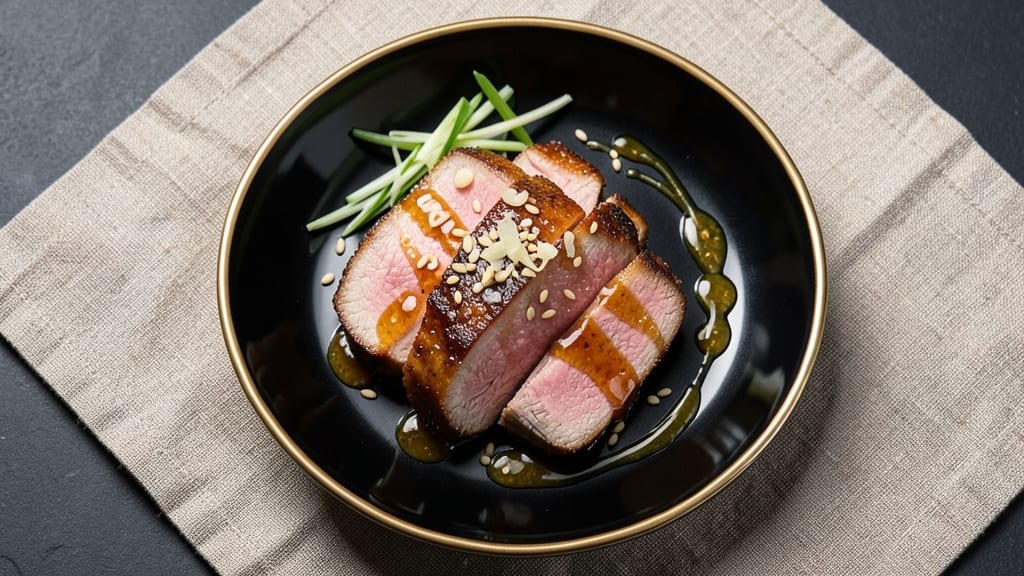
This miso glazed pork tenderloin delivers restaurant-quality results with a silky interior and caramelized umami crust—exactly how I serve it at The Smoky Pig. The secret lies in marinating the tenderloin overnight, which transforms tougher cuts into melt-in-your-mouth perfection while the miso glaze creates that signature sticky, savory crust.
I developed this recipe after years of perfecting pork dishes for my restaurant menu, and it’s now a crowd favorite that always gets rave reviews.
The beauty of this dish is its foolproof technique—no complicated steps, just a few key moves that make all the difference. You’ll start with a simple marinade of miso, honey, and soy sauce, then sear the pork to lock in juices before basting with the glaze.
The result is a tenderloin that’s juicy on the inside and glossy, caramelized on the outside, with layers of flavor that balance sweet, salty, and umami notes. Even if you’re new to cooking pork, this method ensures consistent results every time.
What makes this recipe stand out is how versatile it is—serve it sliced over steamed jasmine rice for a comforting meal, pair it with roasted Brussels sprouts and mashed sweet potatoes for a full spread, or even turn it into tacos for a fun twist.
The miso glaze adds depth that elevates any side dish, and the pork’s tenderness makes it a standout centerpiece. Once you try this, you’ll never go back to plain grilled pork again.
Here’s the best part: this dish comes together in under an hour, with most of the work happening during the overnight marinade. That means minimal effort for maximum impact—ideal for weeknights or special occasions. Let’s get started on creating a pork tenderloin that’ll impress everyone at the table.
Ingredients for miso pork tenderloin
Restaurant-quality pork tenderloin starts with these umami-packed ingredients for a silky center and caramelized crust.
| Ingredient | Amount | Notes |
|---|---|---|
| Pork Tenderloin 🍖 | 1 ½ lb | Center-cut, trimmed of fat |
| White Miso Paste 🧈 | ¼ cup | High-quality, smooth texture |
| Honey 🍯 | ¼ cup | Wildflower or clover preferred |
| Soy Sauce 🍶 | ¼ cup | Kosher or tamari for gluten-free |
| Rice Vinegar 🍶 | 2 tbsp | Seasoned or plain white |
| Garlic Cloves 🧄 | 4 cloves | Minced, fresh preferred |
| Fresh Ginger 🌿 | 1 tbsp | Grated, peeled |
| Olive Oil 🫒 | 2 tbsp | Extra-virgin for richness |
| Salt 🧂 | 1 tsp | Kosher or sea salt |
| Black Pepper 🌶️ | ½ tsp | Freshly ground preferred |
| Jasmine Rice 🍚 | 1 cup | Uncooked, long-grain |
| Sesame Oil 🫒 | 1 tbsp | Toasted, for finishing |
| Sesame Seeds 🌾 | 1 tbsp | Toasted, for garnish |
| Scallions 🧅 | 3 whole | Sliced, for garnish |
The pork tenderloin is your star—center-cut is key for tenderness, and trimming the fat ensures a clean sear. I always grab mine from Whole Foods or Costco when they have the pre-trimmed cuts (saves time). For the miso, White Miso is your go-to—it’s sweeter and smoother than red, which can be too intense. If you can only find red, cut the amount to 0.125 cup. The honey should be wildflower or clover—avoid the processed kind that crystallizes fast. As for soy sauce, Kikkoman or San-J are reliable, but tamari works if you're gluten-free.
No white miso? Substitute with 0.125 cup red miso plus 1 tbsp honey to balance the intensity. Running out of rice vinegar? Apple cider vinegar works in a pinch, but it’ll taste slightly different. Fresh ginger too strong? Ground ginger at half the amount gets you close. The sesame oil is for finishing—use the toasted variety from Trader Joe's or Asian markets for that nutty aroma. And if you’re feeling fancy, swap the jasmine rice for forbidden black rice—it’s worth the splurge for special occasions.
Marinate the pork overnight for best results, but if you’re short on time, 4 hours minimum works too. The glaze keeps for 5 days in the fridge, so make extra—it’s perfect for drizzling over rice or noodles. Store the cooked tenderloin in an airtight container with a layer of plastic wrap pressed directly on the surface to prevent drying. Reheats beautifully—just 5 minutes at 350°F covered with foil. Garnish with toasted sesame seeds and scallions right before serving for that restaurant touch.
Why You'll Love This Recipe
- Five-Ingredient Magic: This recipe is my lazy-day hero—just five pantry staples (plus pork) and 20 minutes of hands-off time. The miso and honey do all the work while you stir, then roast until the edges caramelize into sticky perfection.
- Umami Bomb: That first bite? Sweet, salty, tangy—all at once. The white miso gives it depth without overpowering, while the rice vinegar cuts through the richness like a bright little wake-up call. (Yes, even on a Tuesday night.)
- Leftovers That Shine: I swear by this for lunch the next day—slice it thin, toss with steamed greens, and drizzle with extra pan sauce. It’s the kind of meal that tastes better reheated than most takeout, and it keeps for days in the fridge.
- Weeknight Flex: Need to feed guests last-minute? This is my secret weapon. It’s elegant enough for company but unfussy enough to make when you’re still in your pajamas. Just sear the pork, dump in the sauce, and let the oven do the heavy lifting.
Step-by-step instructions for miso glazed pork tenderloin
Here's how to create a perfectly balanced dish with a caramelized miso crust and melt-in-your-mouth pork.
Prepare the Umami Glaze
In a small bowl, whisk together the 0.25 cup white miso paste, 0.25 cup honey, 0.25 cup soy sauce, and 2 tablespoons rice vinegar until completely smooth. The mixture should be thick but pourable. I like to add a splash of water if it's too stiff to blend easily—just enough to create a glossy, spreadable consistency.
In a separate small bowl, combine the 4 cloves minced garlic, 1 tablespoon grated fresh ginger, 1 teaspoon salt, and 0.5 teaspoon black pepper. This aromatic blend will infuse the pork with bright, zesty flavors that cut through the richness of the miso. Set both mixtures aside while you prep the pork—this gives the flavors time to meld slightly before application.
Sear the Pork Tenderloin
Heat a large oven-safe skillet over medium-high heat and add the 2 tablespoons olive oil. Once the oil shimmers but isn't smoking, carefully add the 1.5 lb pork tenderloin. Let it sear undisturbed for 3-4 minutes per side until it develops a deep golden-brown crust. This step is crucial—it locks in juices and creates that beautiful caramelized exterior we're after.
Once browned on both sides, remove the pork from the skillet and set it aside on a plate. You'll notice the seared surface will be slightly sticky—that's perfect for the glaze to cling to later. Keep the skillet on the heat as we'll use it for the next step.
Glaze and Roast to Perfection
Return the skillet to medium heat and add the miso mixture, scraping up any browned bits from the bottom. Let it simmer for 1-2 minutes until it begins to thicken slightly. Then stir in the garlic-ginger mixture, letting it cook for another 30 seconds until fragrant. The aroma should be intoxicating—smoky, sweet, and slightly tangy.
Place the seared pork back into the skillet, spooning the glaze generously over the top. Transfer the skillet to a preheated 400°F oven and roast for 15-20 minutes, or until the internal temperature reaches 145°F when measured with a meat thermometer. The pork should be tender but still slightly firm to the touch—it will carry over to perfect doneness as it rests.
Rest and Garnish
Remove the pork from the oven and let it rest for 10 minutes on a cutting board. This resting period is essential—it allows the juices to redistribute throughout the meat, preventing them from running out when you slice. During this time, prepare the 1 cup jasmine rice according to package instructions for a fluffy, fragrant side.
After resting, slice the pork into ½-inch thick medallions. Drizzle with 1 tablespoon sesame oil and sprinkle with 1 tablespoon toasted sesame seeds and 3 sliced scallions. The contrast of the nutty sesame with the sweet-savory pork is what makes this dish truly special. Serve immediately with the jasmine rice for a complete, restaurant-quality meal.
Pro Tips For Making Miso Pork Tenderloin
- Sear First, Glaze After: I used to toss the pork straight into the marinade and bake—big mistake. Sear the tenderloin in a hot pan for 2-3 minutes per side first. The crust locks in flavor and prevents the glaze from turning into a sad, watery pool.
- Whisk Miso Like a Boss: White miso paste is stubborn. Don’t just stir it into the sauce—whisk it vigorously with a splash of hot water (about 2 tablespoons) until it’s smooth. This prevents clumps that’ll make your glaze look (and taste) uneven.
- Skip the Overmixing: Once the pork hits the oven, resist the urge to baste it constantly. Brush the glaze on once before baking, then let it caramelize naturally. Overmixing makes the crust sticky instead of glossy.
- Use a Meat Thermometer: Pork tenderloin’s small size means it cooks fast—and overshooting 145°F turns it rubbery. Pull it out at 140°F, tent with foil, and let it rest. (Yes, even if you’re impatient like me.)
Health benefits of miso pork tenderloin
Protein Powerhouse
This pork tenderloin delivers a lean, high-quality protein with about 30 grams per serving, making it an excellent choice for muscle repair and satiety. Unlike fattier cuts, tenderloin provides all nine essential amino acids without excessive saturated fat.
I always recommend serving it with veggies to create a balanced plate that keeps energy levels steady throughout the day. 💪
Umami Flavor Benefits
The miso glaze isn't just delicious—it's packed with fermented soybean compounds that support gut health and digestion. White miso contains probiotics that aid in nutrient absorption, while the garlic and ginger in the marinade provide anti-inflammatory benefits. This combination makes the dish both flavorful and functional for your body. 🌱
Blood Sugar Balance
When paired with complex carbs like jasmine rice, this dish creates a meal that helps stabilize blood sugar levels. The honey in the glaze provides natural sweetness without spiking glucose, while the fiber from roasted vegetables (if served) slows digestion.
This makes it a great option for those monitoring their blood sugar or following balanced eating plans. ✨
Rich in Antioxidants
Sesame seeds and sesame oil, used for finishing, are loaded with vitamin E and lignans—powerful antioxidants that protect cells from oxidative damage. The ginger in the marinade adds gingerol compounds that boost immunity and reduce inflammation.
Together, these ingredients make this dish more than just tasty—it's a nutrient-dense powerhouse. 💛
Low-Fat, High-Flavor
With only about 5 grams of fat per serving, this pork tenderloin offers rich, satisfying flavors without the guilt. The miso glaze provides depth without needing heavy cream or butter, making it perfect for heart-healthy diets.
I love serving this to guests who want indulgent flavors without compromising their nutrition goals. 🍽️
Meal Prep Friendly
The leftovers keep well in the fridge for 4 days or can be frozen for 3 months, maintaining their nutritional benefits. The protein content makes it ideal for meal prep—simply reheat with a splash of water to retain moisture.
This means you can enjoy the health benefits of this dish throughout the week without extra effort. 💡
Nutrition facts
Frequently asked questions
Can I use red miso instead of white miso?
Yes, but you'll need to adjust the recipe. Red miso has a stronger, saltier flavor, so use only 0.125 cup and add 1 extra tablespoon of honey to balance the intensity. The color will be darker, but the umami punch will be more pronounced. For best results, let the marinade sit for 6 hours instead of overnight to mellow the flavor.
How do I keep the pork tenderloin from drying out?
The key is proper resting and not overcooking. Always let the pork rest for 10 minutes after roasting before slicing—this lets juices redistribute. Use a meat thermometer to check for 145°F internal temp, and remove it from the oven just before it reaches that point. The residual heat will carry it to perfect doneness. Also, avoid cutting into it too soon after cooking.
Can I make this recipe in a slow cooker?
Sear the pork first as directed, then transfer it to a slow cooker with the glaze. Cook on low for 2-3 hours or high for 1-1.5 hours, until tender. The slow cooking method creates a more tender texture, though the crust won't be as caramelized. For extra flavor, baste the pork with additional glaze every 30 minutes during cooking.
What's the best way to reheat leftovers?
Slice the pork and store it in an airtight container with a layer of plastic wrap pressed directly on the meat to prevent drying. Reheat in a skillet over medium-low heat with a splash of water or broth for 3-5 minutes until warmed through. For oven reheating, cover with foil and bake at 350°F for 10 minutes. Never microwave—it makes the meat rubbery.
How can I make this gluten-free?
Replace the soy sauce with tamari or coconut aminos, and ensure your miso is certified gluten-free. Check labels carefully—some miso brands use barley malt. For the rice vinegar, use apple cider vinegar instead. All other ingredients are naturally gluten-free, so this adaptation keeps the dish flavorful while being safe for gluten-sensitive diets.