
Main Courses
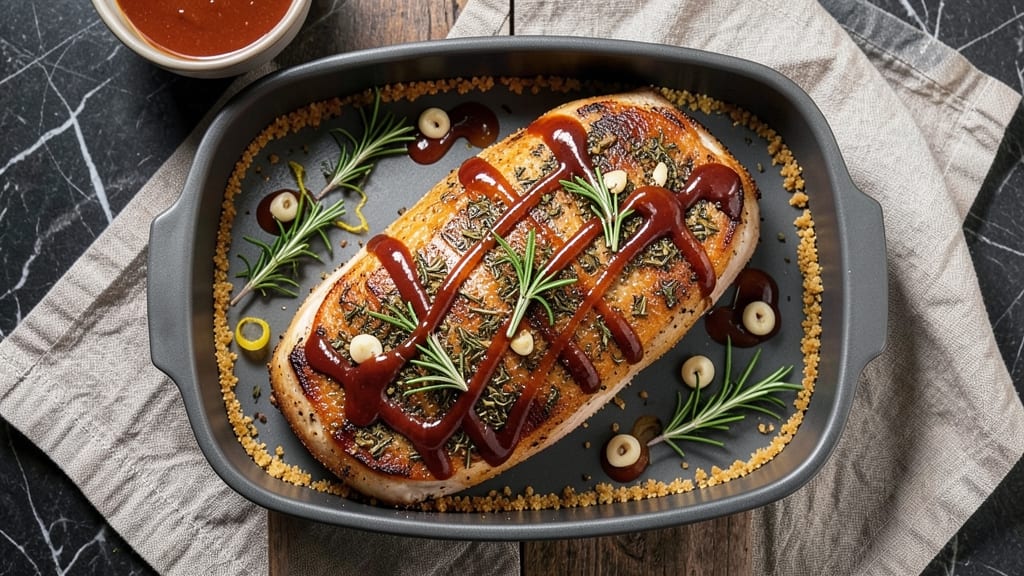
This baked boneless pork loin recipe delivers the perfect balance of crispy edges and juicy core with minimal effort. After years of testing different methods, I've perfected a one-pan technique that ensures tender meat with a golden-brown crust—no complicated basting required.
The secret lies in proper seasoning and high-heat searing before baking, which locks in moisture while creating that coveted crispy exterior.
What makes this recipe truly special is its simplicity: just a few pantry staples and 30 minutes of active prep time, followed by hands-off baking. I use a combination of garlic, rosemary, and Dijon mustard for the seasoning rub, which adds depth of flavor while keeping the pork moist.
The key is letting the pork rest after baking—this crucial step ensures every slice stays juicy, not dry.
By the time you're done, you'll have a restaurant-quality centerpiece that's impressive enough for dinner guests but simple enough for weeknight dinners. The crispy crust gives way to tender, flavorful meat that practically melts in your mouth.
This recipe has become a staple in my household—it's the kind of dish that turns a simple weeknight into something special without requiring hours in the kitchen.
Serve with roasted potatoes and a simple green salad for a complete meal, or pair it with your favorite sides. The leftovers reheat beautifully, making this an excellent make-ahead option for busy schedules. Let's get started on creating your perfect pork loin.
Ingredients for baked pork loin recipe boneless
Just twelve ingredients transform simple pork into restaurant-quality perfection with crispy edges and juicy core.
| Ingredient | Amount | Notes |
|---|---|---|
| Boneless Pork Loin 🐖 | 2 lb | Center-cut for even cooking |
| Extra-Virgin Olive Oil 🫒 | 2 tbsp | For searing and basting |
| Garlic Cloves 🧄 | 6 cloves | Minced for seasoning rub |
| Fresh Rosemary 🌿 | ¼ cup | Finely chopped, stems removed |
| Dijon Mustard 🍯 | 2 tbsp | For moisture and depth |
| Kosher Salt 🧂 | 1 ½ tsp | Diamond Crystal preferred |
| Freshly Ground Black Pepper 🌶️ | 1 tsp | Coarse grind for texture |
| Honey 🍯 | 1 tbsp | For glaze and caramelization |
| Fresh Thyme Leaves 🌿 | 1 tbsp | For aromatic depth |
| Dried Oregano 🍃 | ½ tsp | Mediterranean touch |
| Vegetable Oil 🫒 | 1 tbsp | For pan searing |
| Fresh Lemon Juice 🍋 | 1 tbsp | Brightens flavors |
The boneless pork loin is your star—center-cut means even cooking every time. Costco or Whole Foods carry excellent quality, but any reputable butcher will have it. Look for good marbling—this keeps the meat moist during baking. I always buy a bit extra (about 20% more) since it shrinks slightly when roasted. For the garlic, fresh is non-negotiable—jarred minced has a metallic aftertaste. Rosemary? Grab the fresh sprigs and chop what you need—dried works in a pinch, but fresh has that piney brightness that makes all the difference. The Dijon mustard might be in your spice cabinet already, but if not, Maille is my go-to brand for that perfect tang.
No fresh rosemary? Dried at one-third the amount works, but it lacks that fresh aroma. Short on time? Garlic powder can replace minced garlic, though it's less complex. For the honey glaze, agave nectar is a 1:1 substitute if you're avoiding honey. The vegetable oil is just for searing—if you've got ghee, use that instead for extra richness. As for the lemon, bottled juice works fine, but fresh has that zesty pop that makes the dish sing. Pro tip: zest a little extra and sprinkle it over the finished pork—it adds a bright contrast to the crispy crust.
This pork keeps beautifully—3-4 days in the fridge if stored properly. Wrap tightly in plastic wrap, then foil, to lock in moisture. For longer storage, freeze for up to 3 months. When reheating, low and slow is key: 300°F for 15 minutes wrapped in foil keeps it tender. I always make double batches because the leftovers reheat into an amazing sandwich filling. The crispy crust softens slightly when reheated, but a quick broil for 2-3 minutes brings it back to perfection.
Why You'll Love This Recipe
- I’ll be real: the prep here is that easy. Slice the pork, toss it in a bowl with olive oil, garlic, and rosemary—no dicing, no fussing. Honestly, I’ve made this mid-conversation with my kids while checking emails.
- Minimal Chopping Required: I’ll be real: the prep here is that easy. Slice the pork, toss it in a bowl with olive oil, garlic, and rosemary—no dicing, no fussing. Honestly, I’ve made this mid-conversation with my kids while checking emails.
- Crispy-Garlicky Magic: That Dijon mustard and rosemary combo? It’s what turns this into something special. The edges get golden and crackly while the inside stays juicy, and the garlic aroma fills the whole kitchen—like a fancy bistro, but with zero effort.
- Leftovers That Don’t Suck: Cold pork loin the next day? Actually good. Slice it thin for sandwiches, toss it in salads, or reheat it gently for breakfast tacos. Between us, this is the only protein I meal prep without dreading the leftovers.
Step-by-step instructions for baked boneless pork loin
Here's how to achieve that perfect balance of crispy crust and tender interior every time.
Prepare the Herb Rub and Season the Pork
In a small bowl, combine the 1 tbsp fresh thyme leaves, 0.25 cup finely chopped fresh rosemary, 6 minced garlic cloves, 1.5 tsp kosher salt, 1 tsp freshly ground black pepper, and 0.5 tsp dried oregano. Mix thoroughly until the herbs are evenly distributed and the garlic is fully incorporated.
Pat the 2 lb boneless pork loin completely dry with paper towels—this is crucial for that crispy crust. Rub the herb mixture all over the pork, pressing firmly so the seasoning adheres. Let the seasoned pork rest at room temperature for 30 minutes while you preheat your oven to 400°F. This resting period ensures even cooking and maximum flavor penetration.
Sear the Pork for Maximum Flavor
Heat 1 tbsp vegetable oil in a large oven-safe skillet over medium-high heat until shimmering. Place the pork loin in the skillet and sear on all sides for 2-3 minutes per side until deeply golden brown. The oil should sizzle vigorously, and you'll see a beautiful crust forming.
While the pork sears, whisk together 2 tbsp Dijon mustard, 1 tbsp honey, and 1 tbsp fresh lemon juice in a small bowl. This mixture will become your glaze, adding moisture and depth of flavor. Once the pork is seared, remove it from the skillet and brush both sides generously with the mustard-honey mixture.
Bake to Juicy Perfection
Transfer the skillet with the pork to a preheated oven and bake for 25-30 minutes until the internal temperature reaches 145°F when measured with a meat thermometer. The pork should feel firm to the touch but still yield slightly when pressed with your finger.
Here's the thing—don't overcook it. Pork continues cooking slightly after you remove it from the oven, so it's better to pull it out a few degrees early. For extra crispiness, broil the pork for the last 2-3 minutes of baking, watching closely to prevent burning. The edges should be golden and slightly caramelized.
Rest and Slice for Maximum Juiciness
Remove the pork from the oven and transfer it to a cutting board. Tent loosely with aluminum foil and let it rest for 10-15 minutes. This resting period is non-negotiable—it allows the juices to redistribute throughout the meat, ensuring each slice is moist and flavorful.
Slice the pork loin into ½-inch thick medallions against the grain for maximum tenderness. Serve immediately with the pan juices spooned over the top, or use them to baste the slices for extra richness. The crust should be crispy and aromatic, while the interior remains juicy and tender with a hint of sweetness from the honey glaze.
Pro Tips For Making Baked Pork Loin Recipe Boneless
- USE A MEAT THERMOMETER: I learned this the hard way—pork loin looks done when it’s still overcooked. Aim for 145°F internal temp (155°F if using a microwave later) and pull it out early. It’ll keep rising 5-10°F while resting, and no one wants dry, tough meat.
- SMASH THE GARLIC: Skip the minced stuff—peel those cloves, wrap them in foil, and smash them with the flat side of a knife. The released oils will cling to the pork like glue, and you’ll taste every layer of flavor instead of just a hint. (Yes, it’s messy, but worth it.)
- DON’T SKIP THE MUSTARD LAYER: That Dijon isn’t just for flavor—it’s the glue that keeps the crust from cracking and the rosemary from falling off. Spread it evenly on the pork before seasoning, and you’ll get that restaurant-worthy golden crust without fighting for it.
- REST IT UNDER FOIL: I used to cut into pork loin the second it came out of the oven, thinking I’d save time. Big mistake—juices pool back in, and you’re left with a sad, dry slice. Tent it with foil for 5-10 minutes (yes, even if you’re impatient like me) before slicing. Your knife will thank you.
Troubleshooting perfect results
Dry, Tough Pork
If your pork loin turns out dry, it’s usually because it was overcooked or didn’t rest long enough. Always use a meat thermometer—pull it out when it hits 145°F, not higher.
The resting time is crucial: 10-15 minutes under foil lets juices redistribute. I’ve learned this the hard way—skipping the rest means dry, sad slices. 💫
Uneven Cooking
Uneven cooking often happens if the pork isn’t at room temperature before baking. Let it sit for 30 minutes uncovered while preheating the oven. Also, check your oven’s heat distribution—if one side cooks faster, rotate the pan halfway through baking. A center-cut loin helps, but even cuts prevent hot spots.
Pale, Bland Crust
A pale crust usually means the pork didn’t sear enough before baking. Sear it 2-3 minutes per side in a hot skillet until golden brown. For extra crispiness, broil for the last 2-3 minutes—just watch it like a hawk to avoid burning.
A honey-Dijon glaze brushed on after searing adds depth and caramelization.
Soggy Seasoning
If your herbs fall off or look soggy, the pork wasn’t dry enough before seasoning. Pat it thoroughly with paper towels—no wet spots. Press the seasoning firmly into the meat so it sticks.
For extra grip, mix 1 tsp cornstarch into the herb rub. This trick keeps everything in place during baking.
Overly Sweet Glaze
The honey glaze should enhance, not dominate. Balance it with 1 tbsp lemon juice and 2 tbsp Dijon mustard—the acidity cuts the sweetness. If it’s still too sweet, reduce honey to ½ tbsp next time.
A balsamic reduction (simmer 2 tbsp balsamic vinegar for 3 minutes) adds tangy depth without extra sweetness.
Small, Uneven Slices
Slice against the grain for tenderness, but if your cuts are inconsistent, use a sharp chef’s knife and slice ¼-inch thick. For even slices, freeze the pork for 20 minutes before cutting—it firms up for cleaner slices.
Serve with apple compote or roasted root vegetables to soak up any extra juices.
Nutrition facts
Frequently asked questions
Can I use a bone-in pork loin instead of boneless?
Yes, but you'll need to adjust your cooking time and temperature. Bone-in pork loins take longer to cook—about 15-20 minutes extra at 375°F—and may require turning halfway through baking. The bone actually helps keep the meat moist, but it's trickier to slice evenly. For best results, remove the bone after baking if you prefer a cleaner presentation.
How do I know when the pork is fully cooked?
Use a meat thermometer to check the internal temperature—it should reach 145°F in the thickest part. If you don't have one, cut into the center: the juices should run clear, not pink. The pork will continue cooking slightly after removal, so pull it out when it hits 140°F if you prefer medium-rare. Always let it rest 10-15 minutes before slicing.
What's the best way to reheat leftover pork loin?
Wrap slices in aluminum foil with a splash of water or broth, then reheat in a 300°F oven for 15 minutes. For extra crispiness, broil for 2-3 minutes at the end. Microwaving works in a pinch (60-second intervals), but it loses that perfect crust. Pro tip: Add a pat of butter and fresh herbs to the reheating pan for restaurant-quality results.
Can I substitute other herbs in this recipe?
Swap rosemary for thyme or sage (same amount) for a different flavor profile. For a Mediterranean twist, add ½ tsp dried marjoram. If you love heat, include ¼ tsp smoked paprika. Just remember that fresh herbs have more flavor than dried—use 3x the amount if substituting dried. The Dijon mustard and honey balance any herb combination beautifully.
Is this recipe suitable for meal prep?
Yes, but with a few adjustments. Cook the pork as directed, then cool completely before storing in airtight containers. It keeps 3-4 days in the fridge or 3 months frozen. For reheating, use the foil method above. The crust will soften slightly, but a quick broil restores crispiness. Portion into single servings before freezing for easy grab-and-go meals.