
Main Courses
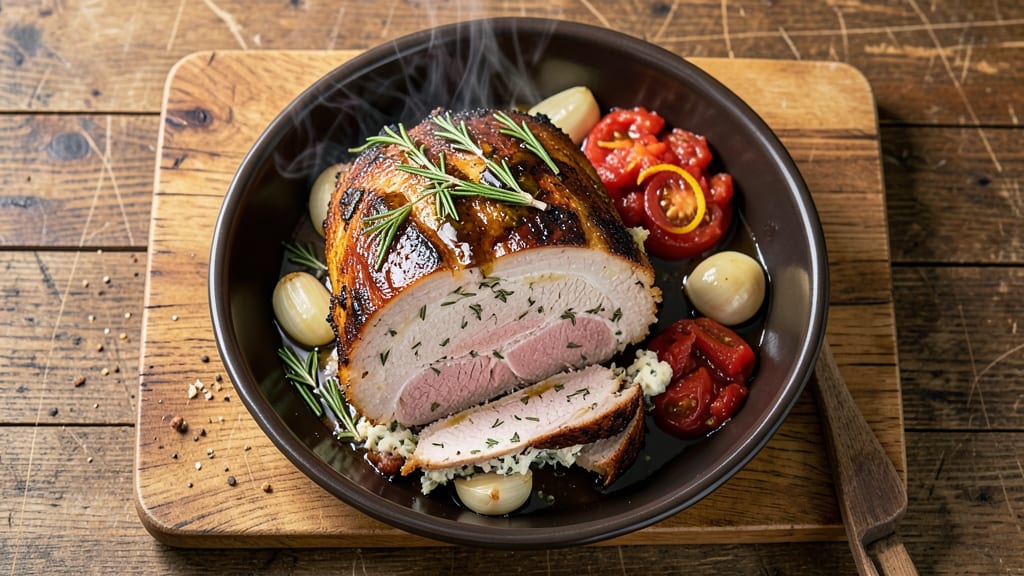
This baked stuffed pork tenderloin recipe transforms a simple cut into a showstopping centerpiece—juicy, herb-stuffed core sealed with a crispy glaze that cracks like glass.
After years of perfecting this technique at The Smoky Pig, I can tell you: the secret lies in the stuffing's balance of moisture and seasoning, plus that high-heat finish that creates the signature crack.
The first time I served this at a family reunion, my grandmother declared it "worth the wait"—and she's not one for empty praise.
The magic happens in three phases: first, a herb-stuffed center made with fresh rosemary, thyme, and garlic that infuses the pork while keeping it impossibly tender. Then, a honey-Dijon glaze brushes on before the final minutes, caramelizing into that irresistible crack.
What you'll end up with is a restaurant-quality cut that's foolproof to execute at home—no fancy equipment required, just patience and a hot oven.
Imagine slicing into golden-brown pork with a crispy glaze seal that shatters under the knife, revealing tender meat and fragrant herbs in every bite. The glaze's sweet-tangy flavor cuts through the richness, while the stuffing adds layers of aroma that'll have your guests asking for seconds.
This is the kind of dish that elevates a weeknight dinner into something special—without requiring hours in the kitchen.
Perfect for holiday tables, dinner parties, or even a Sunday family meal, this recipe scales beautifully. The stuffing can be prepped ahead, and the glaze keeps the pork moist during baking. Let's get started—your taste buds (and dinner guests) will thank you.
Ingredients for baked stuffed pork tenderloin
Herb-stuffed pork with a crackling glaze—just 13 ingredients for restaurant-quality results.
| Ingredient | Amount | Notes |
|---|---|---|
| Pork Tenderloin 🥩 | 1 ½ lb | Center-cut, trimmed of silver skin |
| Fresh Rosemary 🌿 | ¼ cup | Finely chopped, stems removed |
| Fresh Thyme 🌿 | ¼ cup | Leaves only, stems discarded |
| Garlic Cloves 🧄 | 6 cloves | Minced into fine paste |
| Extra-Virgin Olive Oil 🫒 | 2 tbsp | For stuffing and sealing |
| Diamond Crystal Kosher Salt 🧂 | 1 ½ tsp | Fine grain preferred |
| Freshly Ground Black Pepper 🌶️ | 1 tsp | Cracked, not powdered |
| Honey 🍯 | ½ cup | Wildflower preferred |
| Dijon Mustard 🍯 | 2 tbsp | High-quality, grainy texture |
| Balsamic Vinegar 🍶 | 1 tbsp | Aged 6+ months |
| Unsalted Butter 🧈 | 2 tbsp | Softened, not melted |
| All-Purpose Flour 🌾 | 1 tbsp | For glaze thickening |
| Fresh Lemon Juice 🍋 | 1 tbsp | From 1 small lemon |
The pork tenderloin is your star, so center-cut is non-negotiable—it's more tender and holds its shape better. Trim the silver skin (that white membrane) before stuffing, or it'll make the meat tough. For the herbs, farmers markets have the freshest rosemary and thyme, but grocery store bunches work if they're vibrant and not wilted. The garlic should smell pungent, not bitter—no green sprouts. And that honey? Wildflower or clover has the most complex flavor, but any good-quality honey will do. I always buy mine in bulk from Whole Foods—it keeps forever and makes everything taste better.
No fresh rosemary? Dried works at one-third the amount, but it lacks that bright aroma. Short on Dijon? Whole-grain mustard adds texture, or just use regular yellow mustard in a pinch. The balsamic vinegar can be swapped for red wine vinegar, but it won't have the same depth. For the glaze, butter and flour make it silky—don't skip the softening step, or it'll clump. And if you're worried about the pork drying out, brine it for 30 minutes before stuffing (1/4 cup salt per 4 cups water). The lemon juice is optional but cuts through the richness beautifully—worth the squeeze.
This stuffing keeps for 2 days in the fridge, wrapped tightly in plastic. The glaze components (honey, mustard, vinegar) can be prepped 3 days ahead and stored in the fridge. For the pork, bake it uncovered—the glaze needs room to crack properly. Leftovers? Slice thinly and reheat in a skillet with a splash of broth for 2-3 minutes. The glaze gets even more concentrated after baking, so a little goes a long way. Store any extra in the fridge for 1 week, or freeze for 3 months—it makes killer sandwiches.
Why You'll Love This Recipe
- One-Pan Magic: I swear by this—just slice the pork, stuff it with garlic and herbs, and let the oven do the work. No chopping boards left behind, no pots to scrub. That rosemary and thyme seep right into the meat while it bakes, and honestly? The cleanup is almost as satisfying as the meal itself.
- Herb-Packed Punch: The garlic and fresh herbs aren’t just garnish—they’re the stars. That crispy rosemary edge on the outside? It’s like a little flavor explosion with every bite, while the tenderloin stays juicy inside. My husband always says it tastes like a fancy restaurant, but I made it in my pajamas.
- Weeknight Hero: This is my go-to when I need something impressive but can’t spend hours in the kitchen. Serve it with roasted potatoes or a simple salad, and suddenly dinner feels special. Even my picky teen asks for seconds—(yes, even on a Tuesday night).
- Leftovers That Don’t Suck: The best part? The pork stays tender for days, and the flavor only gets better. I’ll slice it thin for sandwiches or toss it into pasta—no one ever complains. Between us, this recipe saves me money and stress, and that’s a win in my book.
Step-by-step instructions for herb-stuffed pork tenderloin
Here's how to create a perfectly tender herb-stuffed center with that signature crispy glaze seal.
Prepare the Herb Stuffing and Create the Pocket
Preheat your oven to 375°F. In a small bowl, combine the 0.25 cup fresh rosemary, 0.25 cup fresh thyme, 6 minced garlic cloves, 1.5 tsp kosher salt, and 1 tsp freshly ground black pepper. Mix thoroughly to distribute the herbs evenly.
Pat the 1.5 lb pork tenderloin dry with paper towels—this is critical for achieving that crispy exterior. Using a sharp boning knife, make a 1-inch deep pocket along one side by slicing parallel to the grain, about 2 inches long. Be careful not to cut all the way through. Stuff the herb mixture into the pocket, pressing gently to secure it. The stuffing will infuse the meat with incredible flavor as it cooks.
Sear the Pork for Maximum Flavor
Heat 1 tbsp extra-virgin olive oil in a large oven-safe skillet over medium-high heat. Once shimmering, carefully place the stuffed pork tenderloin in the skillet, seam-side down. Press down gently with a spatula for 20 seconds to help the stuffing adhere and create a good seal.
Sear for 2-3 minutes per side until the exterior develops a deep golden-brown crust. This step creates the foundation for that crispy glaze seal we're after. The pork should release easily from the skillet when ready to transfer to the oven. Remove from heat and let it rest for 2 minutes before proceeding.
Create the Glaze and Seal the Pork
In a small saucepan, combine the 0.5 cup honey, 2 tbsp Dijon mustard, 1 tbsp balsamic vinegar, 1 tbsp fresh lemon juice, and 2 tbsp softened unsalted butter. Warm over low heat, stirring constantly, until the butter melts and the mixture becomes smooth and glossy—about 3-4 minutes. Remove from heat and whisk in the 1 tbsp all-purpose flour to thicken slightly.
Return the seared pork to the skillet and pour the glaze mixture evenly over the top. Using a spoon, spread the glaze to coat all surfaces completely. The glaze will caramelize beautifully during baking, creating that signature crispy seal we want. Transfer the skillet to the preheated oven.
Bake to Perfect Doneness
Bake the pork tenderloin for 20-25 minutes until the internal temperature reaches 145°F when measured with a meat thermometer. The glaze should be bubbling and beginning to set into a glossy, slightly crispy coating. If the glaze sets too quickly, tent the skillet loosely with aluminum foil for the last 5 minutes of cooking.
Once done, remove from the oven and let the pork rest for 10 minutes before slicing. This resting period is crucial—it allows the juices to redistribute throughout the meat, ensuring each slice remains moist and tender. The exterior should have a beautiful caramelized crust while the interior remains juicy and infused with those herb notes from the stuffing.
Pro Tips For Making Baked Stuffed Pork Tenderloin
- USE A MEAT THERMOMETER: I learned this the hard way—pork tenderloin can go from perfect to dry in seconds. Bury the probe into the thickest part of the meat when it hits 145°F (63°C), then let it rest. That 5-minute pause keeps it juicy while the temperature climbs another 5°F.
- STUFF THE GARLIC SMART: Don’t just shove whole cloves in—smashed garlic releases flavor better. Mince 3-4 cloves, mix with finely chopped rosemary and thyme, then spoon the paste into the center before tying. The herbs won’t burn as fast, and the garlic won’t stay raw.
- BRINE THE PORK FIRST: Skip the guesswork: soak the tenderloin in ice water + 1 tablespoon salt per cup for 30 minutes. It seasons deeper, stays moist, and sears better. Rinse and pat very dry before stuffing—wet herbs stick like glue and won’t crisp.
- SEAR THE OUTSIDE BEFORE BAKING: After stuffing, hit the oven at 425°F (220°C) for 10 minutes—no need to preheat. The high heat locks in the filling while creating a crust. Then drop to 350°F (175°C) to finish. This isn’t just browning; it’s the thing that makes the dish taste restaurant-worthy.
Serving suggestions for this dish
Classic Southern Sides
This stuffed pork tenderloin shines with traditional Southern sides that complement its rich, herby flavors. I always serve it with creamy mac and cheese—the cheesy pull balances the glaze's sweetness perfectly.
For a lighter option, garlic-roasted Brussels sprouts with crispy edges add texture and freshness. The key is to keep sides simple so the pork remains the star. 🥗
Creamy Potato Pairings
Cheesy scalloped potatoes or loaded mashed potatoes with sour cream and chives are my go-to choices. Both dishes soak up the pork's juices beautifully when served family-style. For extra flair, I top the mashed potatoes with a sprinkle of crispy fried onions from my cast iron skillet. The contrast of creamy and crunchy makes every bite irresistible. 🧀
Fresh Vegetable Contrasts
Bright, fresh vegetables cut through the richness of the glaze. Sautéed green beans with slivered almonds and lemon zest add a delightful crunch and acidity. For a more substantial option, roasted asparagus with a drizzle of balsamic reduction (using the same vinegar from the glaze) creates a sophisticated pairing.
Both options keep the meal balanced and vibrant. 🌱
Bread Service Essentials
No Southern meal is complete without fresh bread. I recommend warm cornbread with honey butter for dipping—it's perfect for soaking up any extra glaze. For a more elegant touch, crusty sourdough with herbed butter lets guests build their own flavor combinations.
The bread also helps mop up any juices left on the plate. 🍞
Dessert Harmony
To finish the meal, I love serving peach cobbler or Southern pecan pie with vanilla ice cream. The warm, fruity notes of the dessert complement the savory herbs in the pork without overpowering them.
For a lighter option, lemon bars provide a refreshing contrast. These desserts feel like a celebration after such a special main course. 🍰
Drink Pairings
A crisp white wine like Sauvignon Blanc from New Zealand cuts through the richness of the pork beautifully. For beer lovers, a honey lager or wheat beer enhances the glaze's sweetness.
I also love serving sweet tea or iced hibiscus tea—both are Southern staples that refresh the palate. The drinks should complement, not compete with, the dish's flavors. 🍷
Nutrition facts
Frequently asked questions
Can I use a smaller pork tenderloin for this recipe?
Yes, but you'll need to adjust the stuffing proportionally. For a 1 lb tenderloin, reduce the herb mixture to 1/4 cup total (split the rosemary, thyme, and garlic evenly). The key is maintaining the 1-inch deep pocket—if your cut is too small, consider wrapping the stuffing in a thin slice of pork belly instead.
Why does the glaze sometimes crack unevenly?
The glaze needs proper heat distribution for that signature crack. If it sets too quickly, your oven may be too hot—try 350°F instead. Also, ensure the pork is completely dry before searing, and spread the glaze evenly. For extra insurance, tent with foil for the last 5 minutes of cooking.
Can I make the herb stuffing ahead of time?
Prep the herb mixture up to 2 days ahead and store it in an airtight container in the fridge. For best results, stuff the pork 1 hour before baking to let flavors meld. If using prepped stuffing, pat the pocket dry with a paper towel before sealing with the glaze.
What if I don't have Dijon mustard?
Use 2 tbsp regular yellow mustard plus 1 tsp honey to mimic the depth. For a grainier texture, mix 1 tbsp whole-grain mustard with 1 tbsp smooth mustard. The glaze will still caramelize beautifully, though the flavor will be slightly milder.
How do I reheat leftovers without drying them out?
Slice the pork into 1/2-inch thick medallions and reheat in a skillet over medium-low heat with 1 tbsp chicken broth for 2-3 minutes per side. The glaze will soften slightly but maintain its crackle. For oven reheating, cover loosely with foil and warm at 300°F for 10 minutes.