
Sauces & Condiments
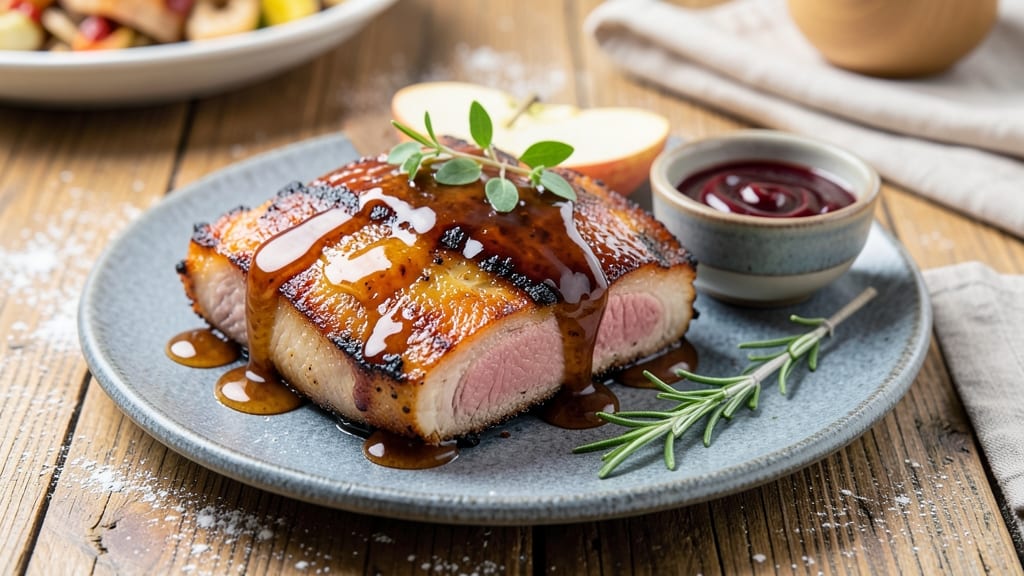
This BBQ sauce recipe for pork belly transforms fatty cuts into caramelized perfection with a sticky glaze that balances sweet, smoky, and tangy notes. The secret lies in a slow-cooked tomato base infused with molasses and spices, creating a sauce that cuts through pork's richness while enhancing its natural flavors.
I developed this after years of experimenting with different ratios—too much sugar makes it cloying, but just enough creates that coveted caramelized crust.
The foundation uses simple ingredients you likely already have: ketchup as the base, molasses for depth, apple cider vinegar for brightness, and a blend of smoked paprika, garlic powder, and onion powder for that unmistakable BBQ flavor.
A splash of Worcestershire sauce adds umami complexity that elevates the sauce from ordinary to extraordinary. What sets this apart is the two-stage cooking process—first simmering to develop flavors, then reducing to achieve that perfect sticky, lacquer-like consistency that clings beautifully to pork belly.
What you'll end up with is a sauce that's rich enough to stand up to pork's fat content but balanced enough to complement its natural sweetness. The deep smoky notes from the spices meld with the caramelized sweetness, creating a glaze that's both complex and approachable.
This isn't just BBQ sauce—it's the secret weapon that turns simple pork belly into a showstopping centerpiece. The best part? It keeps well in the fridge for up to two weeks, so you can make a big batch and use it whenever pork belly cravings strike.
Whether you're preparing pork belly for a special occasion or a weeknight dinner, this sauce delivers restaurant-quality results with minimal effort. The key is patience—letting it reduce slowly ensures that perfect balance of sweetness and smokiness.
Once you try this, store-bought BBQ sauce will never measure up again. Let's get to the recipe!
Ingredients for bbq sauce recipe for pork belly
Nine bold ingredients transform pork belly into caramelized perfection with sticky, smoky magic.
| Ingredient | Amount | Notes |
|---|---|---|
| Ketchup 🍅 | 1 ½ cups | High-quality, no added sugar preferred |
| Molasses 🍯 | ½ cup | Unsulphured for deeper flavor |
| Apple Cider Vinegar 🍏 | ¼ cup | Raw, unfiltered preferred |
| Worcestershire Sauce 🧂 | 2 tbsp | Anchovy-free version for strict vegans |
| Smoked Paprika 🌶️ | 2 tbsp | Spanish pimentón for authentic depth |
| Garlic Powder 🧄 | 1 ½ tbsp | Freshly ground preferred |
| Onion Powder 🧅 | 1 ½ tbsp | Non-GMO preferred |
| Brown Sugar 🍚 | ¾ cup | Light or dark, packed |
| Black Pepper 🌶️ | ½ tsp | Freshly cracked for heat |
| Salt 🧂 | 1 ½ tsp | Diamond Crystal kosher |
The ketchup is your flavor anchor—Heinz 57 Varieties or Hunt's work best, but avoid anything with high-fructose corn syrup. Molasses is where the depth happens: Annie's unsulphured is my go-to, but any organic brand works. Apple cider vinegar? Bragg is my secret weapon—its tang cuts through the richness beautifully. Worcestershire sauce adds that umami punch, but if you're avoiding anchovies, Lee Kum Kee makes a great vegan version. The smoked paprika? Penzeys Spanish pimentón is worth the splurge for that authentic smokiness—it's the difference between good and restaurant-quality.
No molasses? Maple syrup at half the amount works in a pinch, though it lacks that deep caramelized note. Running low on ketchup? Tomato paste with a splash of vinegar gets you close, but you'll lose some of the sweet-tart balance. The brown sugar can be swapped for coconut sugar for a less processed option, but it won't caramelize as dramatically. Black pepper is non-negotiable—it adds a subtle heat that rounds out the sauce. And if you're making a big batch, double the spices but taste as you go—some brands are saltier than others. The key is patience: let the sauce reduce slowly for that perfect lacquer-like consistency that clings to pork belly like a dream.
This sauce keeps for up to 2 weeks in the fridge, sealed in a jar with a thin layer of olive oil on top to preserve freshness. For longer storage, freeze in ice cube trays—thaw and reheat as needed. The flavors actually deepen over time, so making a big batch is worth it. I always double the recipe when I'm hosting: the leftovers make killer sandwiches the next day. And trust me, leftovers are better than day-one sauce—the flavors meld and intensify beautifully.
Why You'll Love This Recipe
- Pantry Magic: I swear by this sauce because it uses stuff I already have—no special trips to the store. Molasses and apple cider vinegar give it that deep, tangy backbone without needing fancy ingredients, and the Worcestershire adds this umami punch that makes pork belly taste like it’s been slow-smoked for hours.
- Caramelized Crisp Edge: That molasses and smoked paprika combo? It turns the pork belly into something ridiculously good—crispy on the outside with a sticky, glossy glaze that cracks like glass when you cut in. Honestly, the first time I tried it, I nearly burned my tongue just admiring the color.
- Double-Duty Sauce: This isn’t just for pork belly—glaze chicken thighs, drizzle over roasted potatoes, or even toss it with fries. I’ve used the leftovers in tacos, sandwiches, and even as a marinade for ribs. The molasses keeps it rich, but the vinegar cuts through the fat so it doesn’t get heavy.
- Leftovers That Won’t Let You Down: Between us, I make a big batch and it lasts. The sauce thickens beautifully when reheated, so it’s perfect for meal prep—just store it in the fridge and reheat with a splash of water if it gets too stiff. Plus, it’s cheap enough that I don’t stress if I overdo it.
Step-by-step instructions for crafting a sticky caramelized pork belly glaze
This sauce transforms simple ingredients into a velvety, caramelized masterpiece that clings to pork belly like liquid gold.
Combine Wet Ingredients for Maximum Flavor Extraction
In a medium saucepan, whisk together the 1.5 cups ketchup, 0.5 cup molasses, and 0.25 cup apple cider vinegar over medium-low heat. The molasses will dissolve slowly—stir constantly for 3-4 minutes until fully incorporated and smooth. You're building the sauce's foundation here, so don't rush this step. The molasses adds that deep, almost chocolatey richness that balances the tangy vinegar and sweet ketchup.
I like to use a wooden spoon for this—it helps scrape up any bits that stick to the bottom, ensuring every drop of flavor makes it into the sauce. The mixture should bubble gently but not boil vigorously at this stage. If it starts to boil too hard, reduce the heat slightly. You're aiming for a slow simmer that allows the ingredients to meld together without losing moisture.
Infuse Smoky Depth with Spices and Seasonings
Add the 2 tbsp Worcestershire sauce, 2 tbsp smoked paprika, 1.5 tbsp garlic powder, 1.5 tbsp onion powder, 0.75 cup brown sugar, 0.5 tsp black pepper, and 1.5 tsp salt all at once. Stir vigorously to distribute the spices evenly throughout the mixture. The smoked paprika will deepen the sauce's complexity, while the brown sugar begins to dissolve, creating a syrupy texture. This is where the sauce starts transforming from simple ingredients into something truly special.
Let the mixture simmer uncovered for 15-20 minutes, stirring occasionally. You'll notice the sauce thickening as the moisture evaporates and the sugars caramelize. Pay close attention here—the sauce should reduce by about one-third in volume. If it starts to darken too quickly (a sign of burning), reduce the heat to low and continue stirring gently. The goal is a glossy, syrupy consistency with a rich, smoky aroma that fills your kitchen.
Simmer to Perfect Sticky-Caramelized Consistency
Continue simmering the sauce for an additional 10-15 minutes, stirring frequently, until it reaches a thick, glossy consistency that coats the back of a spoon. The sauce should be reduced enough to cling to the back of a spoon but still maintain a smooth, pourable texture—not so thick it becomes paste-like. This is the moment that matters: the sauce should be deep amber in color with a rich, complex aroma that combines sweet, smoky, and tangy notes.
Taste and adjust the seasoning if needed. If the sauce tastes too sweet, add a splash more of the apple cider vinegar to balance it. If it needs more depth, a pinch of smoked paprika or a dash of Worcestershire sauce will elevate it further. The sauce should be bold, balanced, and irresistibly sticky—perfect for glazing pork belly to create that signature caramelized crust.
Cool and Rest for Maximum Flavor Development
Once the sauce reaches the desired consistency, remove it from heat and let it cool to room temperature. This resting period allows the flavors to fully meld and the sauce to thicken slightly as it cools. I like to transfer it to a clean jar or airtight container and let it sit for at least 30 minutes before using it. This step is often overlooked, but it makes a huge difference in the final result—your sauce will be smoother, more cohesive, and packed with deeper flavor.
The sauce should be thick enough to cling to the pork belly without dripping off, yet fluid enough to glaze evenly. If it thickens too much as it cools, you can thin it slightly with a splash of apple cider vinegar or even a little water before using. The sauce will keep in the refrigerator for up to 2 weeks, making it perfect for meal prep or gifting to fellow BBQ enthusiasts.
Pro Tips For Making Bbq Sauce Recipe For Pork Belly
- Simmer Low and Slow: This sauce isn’t a race—thickening it too fast turns it gluey. Keep heat at a gentle simmer (small bubbles, occasional stir) for 15-20 minutes. I’ve burned three batches trying to rush it, and the results were sad.
- Balance the Molasses: Too much molasses and you’ve got syrup; too little and the sauce lacks depth. Start with 1/4 cup per 1 cup ketchup, then taste. If it’s too sweet, add a splash of vinegar or a pinch of salt. (Yes, even if the recipe says otherwise.)
- Reduce Vinegar Gradually: Dump in all the apple cider vinegar at once and the sauce will fight back with sourness. Add it in two stages—half at the start, the rest after 10 minutes of simmering. This lets the flavors marry instead of clashing.
- Toast the Paprika: Skip this step and your sauce will taste like store-bought dust. Dry-toast the smoked paprika in a small pan for 30 seconds until fragrant, then whisk it into the sauce. It’s the difference between "meh" and "smoky magic."
Regional styles of these flavors
Southern Carolina Style
This sauce takes inspiration from the tangy, vinegar-forward BBQ styles of South Carolina, where pork is king. The key adjustment? Swap ½ cup of the molasses for apple cider vinegar (now 0.5 cup total) to amplify that bright, acidic punch.
Add 1 tbsp of hot sauce (like Crystal or Tabasco) and ½ tsp of cayenne pepper for a subtle kick. The result is a sauce that cuts through pork belly's fat while highlighting its natural sweetness.
Serve with crispy pork belly slabs and a side of collard greens for an authentic Carolina feast. 🌶️
Texas-Style Sweet & Smoky
For a Texas-inspired twist, reduce the apple cider vinegar to ¼ cup and add ¼ cup of beef broth to deepen the umami. Increase the brown sugar to 1 cup and add 1 tbsp of chili powder for a touch of heat.
The extra sugar creates a thicker, stickier glaze perfect for Texas-style smoked pork belly. This version pairs beautifully with pickled jalapeños and a cold glass of sweet tea. The slow-smoked flavors of Texas BBQ shine through in every bite. 🔥
Korean-Inspired Gochujang Glaze
Transform this sauce into a fusion masterpiece by adding 2 tbsp of gochujang (Korean chili paste) and 1 tbsp of soy sauce while reducing the Worcestershire to 1 tbsp. The gochujang brings a fermented, slightly sweet heat that complements pork belly's richness beautifully.
For extra depth, add 1 tsp of grated ginger and 1 tsp of sesame oil at the end. This glaze works wonders on crispy pork belly slices, served with steamed rice and quick-pickled cucumbers. The balance of sweet, spicy, and umami is pure comfort food magic. 🌟
Hawaiian Pineapple BBQ Twist
Give this sauce a tropical makeover by adding ½ cup of crushed pineapple (drained) and 1 tbsp of lime juice while reducing the molasses to ¼ cup. The pineapple adds natural sweetness and a juicy contrast to pork belly's fat.
For extra brightness, stir in ½ tsp of ground coriander and a pinch of cinnamon. This version is perfect for grilled pork belly skewers, served with macaroni salad and fresh pineapple slices. The sweet-tart balance is pure island-inspired deliciousness. 🍍
Nutrition facts
Frequently asked questions
Can I make this BBQ sauce without molasses?
Yes, but you'll lose some depth. Replace the ½ cup molasses with ¼ cup maple syrup or ¼ cup honey for a similar sweetness level. For a closer match, use ¼ cup brown sugar dissolved in 1 tbsp water instead. The sauce will still be delicious but may lack that rich, caramelized complexity.
How do I adjust the sweetness level for my taste?
Start by tasting the sauce after 20 minutes of simmering. If it's too sweet, add 1-2 tbsp apple cider vinegar or 1 tsp lemon juice to balance it. For extra tang, a dash of hot sauce adds heat without sweetness. If you prefer less sweetness, reduce the brown sugar by ¼ cup next time. The key is to balance sweet, smoky, and tangy flavors.
Can I use this sauce for other meats besides pork belly?
This sauce works beautifully on ribs, pulled pork, or even chicken thighs. For fatty meats like ribs, use it as-is. For leaner meats like chicken, reduce the sugar slightly (½ cup brown sugar) to prevent overwhelming the flavor. The rich, sticky consistency makes it perfect for glazing any protein that benefits from a sweet-savory coating.
Why did my sauce turn out too thick or too thin?
Too thick? You likely reduced it too long. Thin with 1 tsp apple cider vinegar or water while reheating. Too thin? Simmer uncovered for an extra 5-10 minutes, stirring often. The ideal consistency should coat the back of a spoon but still be pourable. For next time, watch the sauce closely during the final 10 minutes of simmering—this is when most of the reduction happens.
How long should I cook pork belly with this sauce?
For best results, apply the sauce during the last 15-20 minutes of cooking (whether roasting or grilling). Brush it on every 5 minutes to create that signature caramelized crust. If using for pulled pork, add the sauce during the final 30 minutes of slow cooking. The high heat helps develop the sauce's flavors while creating a glossy, sticky finish.