
Sauces & Condiments
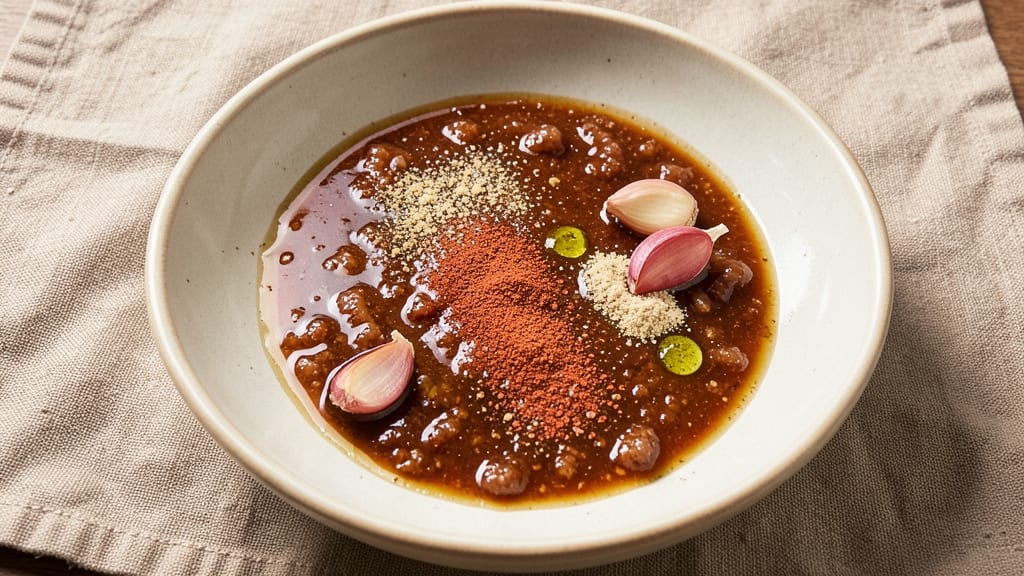
This boneless pork ribs marinade recipe oven transforms tough cuts into melt-in-your-mouth tenderness with just a few simple ingredients and minimal effort.
The secret lies in balancing sweet, tangy, and smoky flavors through a carefully crafted blend of brown sugar, apple cider vinegar, and aromatic spices that penetrate the meat while you wait.
I developed this recipe after years of perfecting oven-braised pork—where the marinade doubles as a sticky glaze during cooking for maximum flavor impact.
The foundation uses apple cider vinegar as the acidic base (never skip this—it breaks down proteins for tenderness), combined with olive oil to carry the flavors deep into the meat.
A touch of smoked paprika adds subtle depth, while garlic and onion powder create aromatic layers that develop beautifully in the oven. For extra richness, a splash of Worcestershire sauce introduces umami complexity that elevates every bite.
What makes this marinade exceptional is its dual purpose: it tenderizes while creating a caramelized glaze that locks in moisture during baking. The ribs emerge with crisp edges and fall-off-the-bone texture, all while coated in a sweet-savory-smoky sauce that's impossible to resist.
This method ensures restaurant-quality results without requiring specialized equipment or hours of cooking time.
The marinade works equally well for boneless pork chops or shoulder cuts, and can be adjusted for dietary preferences by swapping brown sugar for honey or using coconut aminos instead of Worcestershire. Let's dive into the ingredients and technique that will change how you cook pork ribs forever.
Ingredients for boneless pork ribs marinade recipe oven
Ten ingredients crafting a marinade that tenderizes while glazing for restaurant-quality oven-baked pork ribs.
| Ingredient | Amount | Notes |
|---|---|---|
| Apple Cider Vinegar 🍏 | ½ cup | Raw, unfiltered preferred |
| Light Brown Sugar 🍚 | ½ cup | Packed, not granulated |
| Extra-Virgin Olive Oil 🫒 | ¼ cup | High-quality, fruity |
| Smoked Paprika 🌶️ | 2 tbsp | Spanish or Hungarian preferred |
| Garlic Powder 🧄 | 1 ½ tsp | Freshly ground preferred |
| Onion Powder 🧅 | 1 ½ tsp | Not onion salt |
| Worcestershire Sauce 🍶 | 1 tbsp | Anchovy-free preferred |
| Ground Black Pepper 🌶️ | ½ tsp | Freshly ground for best flavor |
| Diamond Crystal Kosher Salt 🧂 | 1 tsp | Adjust to taste |
| Fresh Ground Ginger 🌿 | 1 tsp | Or 0.5 tsp ground ginger |
The apple cider vinegar is non-negotiable—it's the protein tenderizer that transforms tough pork into melt-in-your-mouth bites. Bragg or Texas Pete are my go-tos for consistent quality, but any raw, unfiltered variety works. Brown sugar should be packed, not scooped—this ensures proper sweetness without clumping. For the smoked paprika, Penzeys Spanish smoked delivers the most authentic depth, though any quality smoked paprika will work. The Worcestershire sauce adds umami complexity; opt for anchovy-free versions if needed, though traditional brands like Lea & Perrins provide that classic depth. All spices should be freshly ground or purchased pre-ground within the last 3 months for optimal flavor.
No apple cider vinegar? White vinegar or balsamic vinegar works in a pinch, though flavor will differ slightly. Substituting brown sugar? Honey or maple syrup at equal amounts maintains sweetness, though texture will vary. For a vegetarian adaptation, replace Worcestershire with coconut aminos or soy sauce. The ginger can be omitted entirely if you dislike its heat, though it adds subtle warmth that pairs beautifully with the smoky flavors. All powders should be measured using the spoon-and-level method for consistency. For extra richness, consider adding 1 tbsp of molasses to deepen the caramelization during baking.
This marinade remains potent for up to 2 weeks when stored in an airtight container in the refrigerator. For long-term storage, freeze in ice cube trays for 6 months—perfect for single-use portions. The mixture can be made up to 3 days in advance without compromising flavor. When using, shake well before applying to ensure all spices are evenly distributed. The marinade doubles as a glaze during baking, so don't be shy—coat the ribs generously for maximum caramelization and flavor development.
Why You'll Love This Recipe
- Five-Ingredient Magic: I swear, this marinade is the kind of recipe that makes you question why you ever bought pre-made sauces. Just toss those pantry staples—vinegar, sugar, oil, paprika, and garlic powder—into a bowl, stir, and you’re done. No peeling cloves, no measuring fancy spices, just pure, unfussy flavor.
- Sweet-Smoky Bomb: That combo of brown sugar and apple cider vinegar? It’s like a hug for your taste buds. The vinegar cuts through the richness of the pork, while the smoked paprika adds this deep, woodsy warmth that lingers. Honestly, I’ve had people ask if I slow-cooked these for hours—nope, just oven magic in under an hour.
- Weeknight Superstar: Between us, this is my go-to when I need something impressive but don’t have time to fuss. Marinate the ribs in the morning, pop them in the oven after work, and dinner’s ready. It’s the kind of dish that works for date nights, lazy Sundays, or even a quick lunch the next day—no one will guess it’s this easy.
- Leftovers? Please.: The best part? These ribs taste even better the second day. The marinade soaks in overnight, making the meat fall-apart tender. I’ll often double the batch just to have extra for sandwiches or tacos later—because why not? It’s budget-friendly, and the leftovers are just as crave-worthy as the first serving.
Step-by-step instructions for oven-braised boneless pork ribs
This marinade transforms tough boneless pork ribs into melt-in-your-mouth perfection with a caramelized glaze.
Combine Wet Ingredients for the Marinade Base
In a medium mixing bowl, whisk together the 0.5 cup apple cider vinegar and 0.5 cup packed light brown sugar until the sugar fully dissolves. The mixture should turn into a thick, syrupy liquid with a rich amber color—this is your flavor foundation. Apple cider vinegar tenderizes the meat while the brown sugar creates that signature caramelized crust during baking.
Next, add the 0.25 cup extra-virgin olive oil and 1 tbsp Worcestershire sauce, whisking until completely emulsified. The olive oil carries the flavors deep into the meat fibers, while the Worcestershire sauce adds that umami depth that makes this marinade truly exceptional. Let this wet mixture sit for 5 minutes while you prepare the dry ingredients—this gives the flavors a chance to meld slightly before combining.
Incorporate Dry Seasonings and Aromatics
In a small bowl, combine the 2 tbsp smoked paprika, 1.5 tsp garlic powder, 1.5 tsp onion powder, 0.5 tsp ground black pepper, 1 tsp Diamond Crystal kosher salt, and 1 tsp fresh ground ginger. This blend delivers a complex flavor profile—smoky, aromatic, and slightly spicy—that penetrates the meat during the marinating process. For best results, use freshly ground spices, as they release their volatile oils more aggressively than pre-ground powders.
Gradually sprinkle the dry spice mixture into the wet marinade while whisking continuously. You're looking to create a thick, paste-like consistency that will cling beautifully to the ribs. The marinade should coat the back of a spoon with a smooth, even texture. If it appears too thin, add 1 tsp more brown sugar to help thicken it slightly—this ensures maximum flavor adhesion during the marinating process.
Marinate the Pork Ribs for Optimal Tenderness
Place the boneless pork ribs in a large resealable plastic bag or glass dish. Pour the prepared marinade over the ribs, ensuring they're completely coated on all sides. For even penetration, I recommend massaging the marinade into the meat using clean hands—this helps break down surface fibers and ensures the flavor infuses uniformly. Seal the bag or cover the dish and refrigerate for at least 4 hours, though overnight marinating yields the most dramatic tenderness results.
During this time, the acidity in the apple cider vinegar will begin breaking down the tough muscle fibers in the pork, while the sugar and spices create a flavor barrier that locks in moisture. Real talk: Don't skip this step. The marinade doesn't just add flavor—it fundamentally transforms the texture of the meat from chewy to fork-tender. If you're short on time, a minimum 2-hour marinade will still improve the ribs, but the full 4-8 hours delivers restaurant-quality results.
Prepare for Oven Roasting with Glaze Development
After marinating, remove the ribs from the refrigerator and let them sit at room temperature for 30 minutes before cooking. This crucial step ensures even heat distribution during roasting. Preheat your oven to 325°F—this lower temperature allows for slow, even cooking that develops deep flavor without drying out the meat. Line a baking sheet with aluminum foil and arrange the ribs in a single layer, ensuring they're not crowded.
Transfer the reserved marinade from the bag to a small saucepan and bring to a gentle simmer over medium heat. Reduce the heat to low and let the marinade cook for 10-12 minutes, stirring occasionally, until it thickens into a glossy glaze with a syrupy consistency. This concentrated marinade will form a beautiful caramelized crust on the ribs during baking. The glaze should coat the back of a spoon smoothly—if it's still too thin, simmer for another 2-3 minutes to achieve the perfect consistency.
Roast Until Fall-Off-the-Bone Tender
Place the marinated ribs on the prepared baking sheet and brush them generously with the reduced glaze, making sure to coat all surfaces. Roast in the preheated oven for 2 hours, then carefully flip the ribs and brush with another layer of glaze. This two-step glazing process creates that signature caramelized exterior while keeping the interior impossibly tender. The ribs are done when they reach an internal temperature of 195-200°F—this is the sweet spot for melt-in-your-mouth tenderness.
For the final touch, increase the oven temperature to 425°F and roast the ribs for an additional 10-15 minutes to caramelize the glaze and create a beautiful crust. Watch closely during this final stage—the glaze should turn a deep amber color with slight charring in spots. Remove the ribs from the oven and let them rest for 10 minutes before serving. This resting period allows the juices to redistribute, ensuring each bite is as moist as the first.
Pro Tips For Making Boneless Pork Ribs Marinade Recipe Oven
- Marinate Overnight: I learned this the hard way—rushing the marinade means the vinegar and sugar don’t penetrate enough. At least 6 hours (overnight is ideal) lets the flavors sink in and tenderizes the meat so it doesn’t dry out in the oven.
- Whisk Until Dissolved: Brown sugar clumps like a stubborn guest who won’t leave. Whisk it with the vinegar first until it’s fully dissolved—no gritty surprises when you’re basting. A splash of warm water helps if it’s still stubborn.
- Dry Before Seasoning: Wet ribs steam instead of brown. Pat them dry with paper towels before coating with the marinade—this guarantees a crispy crust, not a sad, soggy exterior. Trust me, your ribs will thank you.
- Baste Mid-Cook: Skip the crowding—place ribs on a wire rack over a baking sheet. Baste them with the leftover marinade after the first 30 minutes at 375°F (190°C). The sugar caramelizes faster, giving you that sticky, glazed finish without burning.
Best sauces and condiments for this dish
Sweet-Smoky Glaze
This marinade transforms into a sticky, caramelized glaze during baking—think of it as your ribs' flavor armor. The brown sugar and apple cider vinegar create a perfect balance of sweetness and tang that deepens as it cooks.
For extra richness, reduce the marinade to a syrupy consistency (like maple syrup) before brushing it on the ribs during the final 10 minutes at 425°F. This high-heat finish develops a deep amber crust that locks in moisture while adding texture. 🔥
Spicy Kick Options
Want heat? Add 1 tbsp of cayenne pepper or 1 tsp of chili powder to the dry spice blend for a smoky kick. For a more complex heat profile, stir in 1 tbsp of hot honey (like Madhava Honey) during the final glaze reduction.
If you prefer a milder heat, swap the cayenne for ½ tsp of chipotle powder—it adds smokiness without overwhelming spice. Always taste as you go!
Umami Boosters
For deeper savory notes, stir 1 tbsp of soy sauce or 1 tsp of fish sauce into the wet marinade ingredients. I love using coconut aminos for a vegetarian-friendly umami punch.
Another pro move: Add 1 tsp of liquid smoke (like Traeger's) to the reduced glaze for an extra layer of smokiness that mimics competition-style ribs. Just a drop goes a long way—start small and adjust to taste.
Herb Variations
Fresh herbs elevate this marinade to new heights. Add 1 tbsp of chopped fresh rosemary or thyme to the dry spices for an earthy, aromatic twist. For a brighter flavor, stir in 1 tbsp of finely chopped cilantro or green onion during the final glaze reduction.
If you're using fresh herbs, add them after reducing the glaze to preserve their vibrant flavors. A sprinkle of toasted sesame seeds (for Asian-inspired ribs) or crumbled blue cheese (for a tangy contrast) works beautifully as a garnish.
Dietary Swaps
Need to adapt? Replace the Worcestershire sauce with 1 tbsp of tamari for gluten-free ribs. For a keto-friendly version, swap the brown sugar for 1 tbsp of erythritol or monk fruit sweetener (though texture may vary slightly).
If you're avoiding vinegar, use 1 tbsp of lemon juice instead—it’s milder but still tenderizes the meat. Always taste adjustments as you go; flavors can shift with substitutions. 💡
Nutrition facts
Frequently asked questions
Can I use this marinade for other cuts of pork?
This marinade works beautifully on boneless pork chops, pork tenderloin, or even pork shoulder. For thicker cuts like chops, reduce the marinating time to 2-3 hours to avoid over-tenderizing. The sweet-smoky glaze pairs especially well with pork tenderloin, creating a perfect balance of flavors and textures.
How long can I marinate boneless pork ribs in advance?
The marinade stays fresh in the refrigerator for up to 2 weeks when stored in an airtight container. For best results, marinate the ribs for 4-8 hours before cooking—this ensures maximum tenderness. If storing the marinade separately, freeze it in ice cube trays for up to 6 months for single-use portions.
What if my marinade turns out too thin?
Simmer the marinade in a saucepan over medium-low heat for 5-7 minutes, stirring occasionally, until it thickens to a syrupy consistency. For extra richness, add 1 tsp of cornstarch mixed with 1 tbsp water to help bind the mixture. Always taste as you go—you want a balance between clinginess and spreadability for even coating.
Can I make this marinade without vinegar?
Yes, but with adjustments. Replace the apple cider vinegar with 1 tbsp lemon juice or 1 tbsp balsamic vinegar—though the flavor profile will shift slightly. For a vinegar-free version, use 1 tbsp of mustard (Dijon or yellow) to add tanginess while maintaining tenderness. The acidity is key for breaking down proteins, so never skip it entirely!
Why do my ribs turn out dry when using this marinade?
Overcooking is the most common culprit. Use a meat thermometer and remove the ribs when they reach 195-200°F—this ensures they're tender without drying out. Another tip: Don't skip the 30-minute room temperature rest before baking, and always let the cooked ribs rest for 10 minutes after removing from the oven to redistribute juices.