
Main Courses
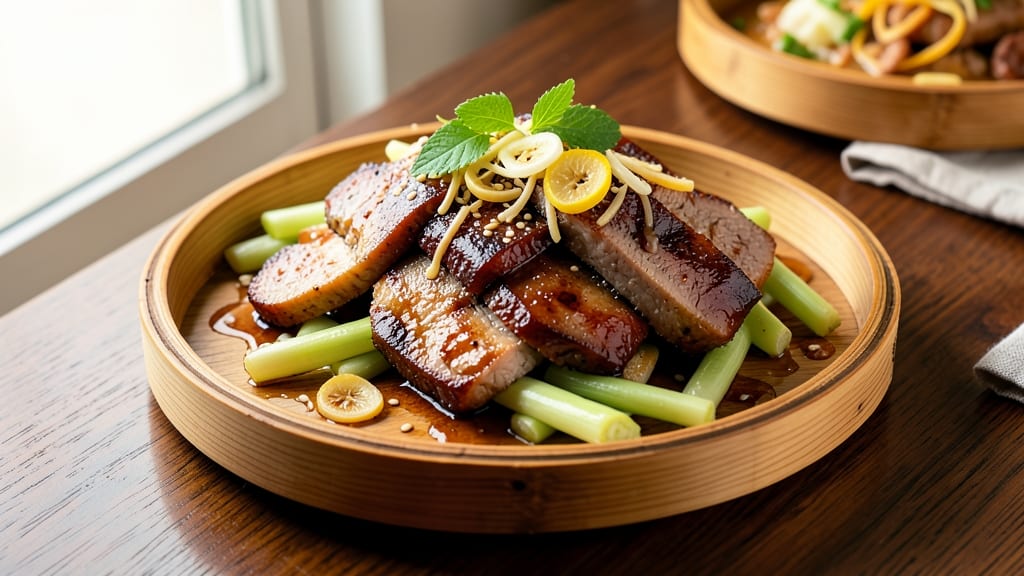
This Filipino bamboo shoots with pork recipe brings the bold flavors of the Philippines straight to your kitchen—crispy-fried pork meets tender bamboo shoots in a savory soy-ginger sauce that’s both comforting and restaurant-worthy. 🔥 After years of perfecting this dish, I’ve cracked the code for achieving that signature crunch without sacrificing tenderness, using a simple yet transformative technique that elevates humble ingredients into something extraordinary.
The magic lies in the marinade—a balance of soy sauce, vinegar, and ginger—that tenderizes the pork while building deep, umami-rich flavor. Bamboo shoots, often overlooked, become the star here, absorbing the sauce’s richness while adding a satisfying crunch.
This recipe is designed for modern kitchens but stays true to its roots, with no complicated techniques—just precise timing and a few key steps that make all the difference.
What you’ll end up with is a dish that’s crispy on the outside, tender on the inside, and coated in a glossy, aromatic sauce that’s perfect over steamed rice. The contrast of textures—crunchy bamboo shoots, juicy pork, and silky sauce—makes every bite unforgettable.
It’s the kind of meal that feels like a celebration, whether you’re cooking for family or treating yourself to a taste of the Philippines.
Pair it with steamed jasmine rice and a quick pickled atchara for the full experience. The sauce keeps well, so you can make it ahead and reheat it for an even deeper flavor. Let’s get cooking—this dish is worth every minute.
Ingredients for bamboo shoots with pork filipino
Pork strips, crunchy bamboo shoots, and a bold soy-ginger sauce—this Filipino classic comes together fast.
| Ingredient | Amount | Notes |
|---|---|---|
| Pork Tenderloin 🥩 | 1 ½ lb | Cut into 1-inch strips |
| Bamboo Shoots 🌿 | 14 oz | Canned, drained and rinsed |
| Soy Sauce 🍶 | ½ cup | Dark soy preferred |
| White Vinegar 💧 | ¼ cup | Distilled preferred |
| Ginger 🧄 | 2 tbsp | Freshly grated |
| Garlic Cloves 🧄 | 6 cloves | Minced |
| Sugar 🍚 | 2 tbsp | White granulated |
| Cornstarch 🌾 | 2 tbsp | For crispy coating |
| Vegetable Oil 🫒 | ½ cup | High smoke point |
| Green Onions 🧅 | 4 whole | Thinly sliced, for garnish |
| Salt 🧂 | 1 tsp | Kosher preferred |
| Black Pepper 🌶️ | ½ tsp | Freshly ground |
| Sesame Oil 🫒 | 1 tbsp | For finishing |
The bamboo shoots are the star here, so grab the canned kind from the Asian aisle—they’re pre-cooked and ready to soak up flavor. Filipino Markets usually carry the best quality, but any canned bamboo shoots work in a pinch. For the pork, tenderloin is ideal—it stays juicy while getting crispy. Cut it into even strips so everything cooks at the same rate. The ginger and garlic? Fresh is non-negotiable here—dried just won’t give that bright, zesty kick. If you’re short on time, pasteurized ginger from a jar works, but fresh is worth the extra minute to grate.
No dark soy sauce? Regular soy sauce plus a dash of molasses gets you close, though it’ll be slightly less glossy. Running out of white vinegar? Rice vinegar works too, but the flavor profile shifts a bit. The cornstarch is key for that signature crunch—don’t skip it! If you’ve got arrowroot powder, use that instead. For extra umami, add a dash of fish sauce (if you’re okay with it) or a pinch of MSG. The green onions can be swapped for cilantro if that’s what you’ve got, but they add a fresh bite that’s hard to beat.
This sauce keeps for 5 days in the fridge, so make extra—it’s perfect over rice or noodles. The pork stays crispy for about 2 days if stored properly, but I recommend reheating it straight from the pan for the best texture. Freeze the sauce in ice cube trays for quick portions later. Pro tip: Double the sauce and freeze half—it’s worth having on hand for lazy weeknights.
Why You'll Love This Recipe
- One-Pan Magic: The pork and bamboo shoots practically cook themselves while you stir-fry. No chopping mountains of veggies—just slice the ginger thin, toss everything in, and let the vinegar and soy sauce work their tangy-savory spell.
- Umami Bomb: That combo of soy sauce and vinegar? It’s the secret weapon here. The pork stays tender while the bamboo shoots soak up all that deep, salty-sour goodness—like a flavor upgrade without the fuss.
- Leftover Hero: This dish tastes even better the next day, cold or reheated. Pack it for lunch, freeze portions for busy nights, or serve it at room temp with rice—it’s the ultimate make-ahead meal that still feels special.
- Budget-Friendly Feast: Pork tenderloin stretches further than you’d think, and bamboo shoots add texture without breaking the bank. Honestly, it’s the kind of recipe where you get restaurant-quality flavors for half the price.
Step-by-step instructions for bamboo shoots with pork Filipino recipe
Here's how to get that perfect crispy-fried crunch with a rich, savory sauce every time.
🔥 Step 1: Prep the Pork for Maximum Crispiness
Cut the 1.5 lb pork tenderloin into 1-inch strips—this size ensures even cooking and that satisfying crunch. Pat them completely dry with paper towels, then season generously with 1 tsp salt and 0.5 tsp black pepper. The dry surface is key for crispy frying, so don't skip this step.
In a bowl, mix 2 tbsp cornstarch with the seasoned pork strips until they're fully coated. This creates a light, crispy crust that'll hold up beautifully. Let them sit for 10 minutes while you prep the bamboo shoots—this gives the cornstarch time to adhere properly.
👨🍳 Step 2: Make the Soy-Ginger Sauce
In a medium saucepan, combine 0.5 cup soy sauce, 0.25 cup white vinegar, 2 tbsp sugar, 2 tbsp freshly grated ginger, and 6 minced garlic cloves. Bring to a gentle simmer over medium heat, then reduce to a low boil for 5 minutes until slightly thickened. You're looking for a glossy, syrupy consistency that'll coat the pork beautifully.
Here's the thing—don't walk away. The sauce reduces quickly, and you want to catch it at just the right moment when it's thick enough to cling but still has that bright, tangy flavor. Taste and adjust seasoning if needed, adding a pinch more salt or sugar to balance the flavors.
🍳 Step 3: Fry the Pork Until Golden and Crispy
Heat 0.5 cup vegetable oil in a large skillet over medium-high heat until it shimmers. Add the cornstarch-coated pork strips in a single layer—don't overcrowd the pan or they'll steam instead of fry. Cook for 3-4 minutes until golden brown and crispy on all sides. You'll see those beautiful bubbles forming, and that's your signal they're ready.
Transfer the fried pork to a paper towel-lined plate to drain excess oil. Keep it warm while you prep the bamboo shoots, but don't let it sit too long or it'll lose that perfect crunch. If it starts to cool too quickly, tent it loosely with foil to maintain heat.
🥘 Step 4: Combine and Finish with Sesame Oil
In the same skillet (no need to clean it—the browned bits add flavor), add the drained 14 oz bamboo shoots and toss to coat with any leftover oil. Cook for 2-3 minutes until heated through. Pour in the soy-ginger sauce and stir everything together, letting it simmer for 1-2 minutes until everything is well-coated and heated through.
Remove from heat and stir in 1 tbsp sesame oil. This final touch adds that authentic Filipino aroma and depth of flavor. Taste and adjust seasoning one last time—you're aiming for a balance of sweet, savory, and slightly tangy. Garnish with 4 thinly sliced green onions just before serving for that fresh pop of color and brightness.
🍽️ Step 5: Serve Immediately for Best Results
Divide the crispy pork and bamboo shoots among plates, making sure each serving gets a generous drizzle of that glossy sauce. The contrast of the crispy pork with the tender bamboo shoots and rich sauce is what makes this dish so special. Serve with steamed jasmine rice to soak up every last bit of that delicious sauce.
Pro tip: If you're making this ahead, fry the pork and keep it separate from the sauce until serving. Reheat the sauce separately and combine just before eating to maintain that perfect texture. Enjoy your homemade Filipino feast—it's worth every crispy, saucy bite!
Pro Tips For Making Bamboo Shoots With Pork Filipino
- Slice Pork Thinly: Thin strips—about ¼-inch thick—cook faster and soak up the soy-vinegar marinade better. I used to cut mine too thick, and they’d turn rubbery before the bamboo shoots softened. A sharp knife and steady hand make all the difference.
- Rinse Bamboo Shoots Twice: Canned bamboo shoots hide bits of salt and preservatives—rinse them twice under cold water before using. Skipping this step gives your dish an off, metallic tang that even extra vinegar can’t fix.
- Deglaze with Vinegar Last: Let the pork sear first, then add the ginger and bamboo shoots before pouring in the vinegar. Dumping vinegar too early just steams the pan instead of building flavor. Wait until the meat’s browned—trust me, your sauce will taste deeper.
- Simmer Low and Long: This isn’t a race. After adding the soy sauce and vinegar, reduce heat to medium-low and let it bubble gently for 10–12 minutes. Rushing it leaves the bamboo shoots crunchy and the pork bland—patience here makes the dish sing.
Storing and reheating this bamboo shoots with pork filipino
Refrigerator Storage
Store the fried pork and bamboo shoots separately in airtight containers for up to 2 days. The pork stays crispy best when kept separate from the sauce—reheat it in a skillet over medium heat for 2-3 minutes until warmed through.
The sauce, however, keeps beautifully in the fridge for 5 days in a sealed jar. I like to double the sauce recipe so I always have some on hand for quick meals. 💫
Freezer Prep
For longer storage, freeze the pork in a single layer on a tray before transferring to a freezer bag—this prevents clumping. It’ll keep for 2 months. When ready to eat, thaw overnight in the fridge, then reheat in a skillet with a splash of water to restore crispiness.
The sauce freezes well too; portion it into ice cube trays for easy single-use servings later. 🥶
Reheating Sauce
To reheat the sauce, warm it in a small saucepan over low heat until just simmering—no boiling, or it’ll separate. If it thickens too much, add 1 tsp water at a time until it reaches that glossy consistency again.
For extra flavor, stir in ½ tsp sesame oil at the end. I’ve found that reheating the sauce separately and combining it with freshly fried pork gives the best texture. ✨
Reviving Crispiness
If your pork loses its crunch after refrigeration, don’t worry—just give it a quick 30-second sear in a hot skillet with ½ tsp oil. The cornstarch coating will reactivate, and you’ll get that satisfying crunch back.
For extra insurance, toss the pork in 1 tsp cornstarch before reheating. This trick works like magic, especially if you’re serving leftovers the next day. 🔥
Meal Prep Tips
Make this dish ahead of time by prepping the sauce and marinating the pork the night before. Store the marinated pork in the fridge until ready to fry—this saves you time on cooking day.
I also like to par-cook the bamboo shoots by simmering them in the sauce for 5 minutes before storing, so they’re ready to go when you are. Just reheat everything together for a fuss-free meal. 💡
Serving Leftovers
Leftovers taste just as good as the first serving—if not better! The flavors deepen overnight as the sauce melds with the pork. Serve with steamed jasmine rice or garlic fried rice to soak up every last drop.
For a quick lunch, toss the leftovers with noodles or serve over buttered toast for a Filipino-style open-faced sandwich. The possibilities are endless! 🍚
Nutrition facts
Frequently asked questions
Can I substitute canned bamboo shoots with fresh?
Fresh bamboo shoots require 30-45 minutes of boiling to soften before using—canned are already pre-cooked and ready to eat. If you must use fresh, peel them first (they have a tough outer layer) and simmer until fork-tender. The texture will be slightly softer than canned, but the flavor remains excellent.
What's the best cut of pork for this recipe?
Pork tenderloin is ideal for its tenderness, but pork shoulder or pork loin work too—just cut into 1-inch strips. For extra crispiness, use pork belly (skin-on) and render the fat first. The cornstarch coating works best on leaner cuts to avoid excess grease.
How do I make this recipe gluten-free?
Replace the soy sauce with tamari or coconut aminos (both gluten-free) and ensure your cornstarch is certified gluten-free. The recipe remains delicious—just watch the sauce's consistency, as tamari may be slightly saltier. For extra umami, add 1 tsp fish sauce (if avoiding gluten is the only concern).
Can I make this dish in an air fryer?
Yes! Coat the pork strips with cornstarch as directed, then air-fry at 375°F for 8-10 minutes, shaking the basket halfway. The texture will be crispy but slightly less golden than pan-frying. For the bamboo shoots, toss them with 1 tsp oil and air-fry for 3 minutes before adding the sauce.
Why did my sauce turn too thick?
Over-reducing the sauce is the most common cause. Keep the heat at low-medium and stir frequently. If it thickens too much, thin it with 1 tsp water or vinegar at a time. For next time, reduce the sugar slightly (1 tbsp instead of 2) to prevent excessive thickening.