
Main Courses
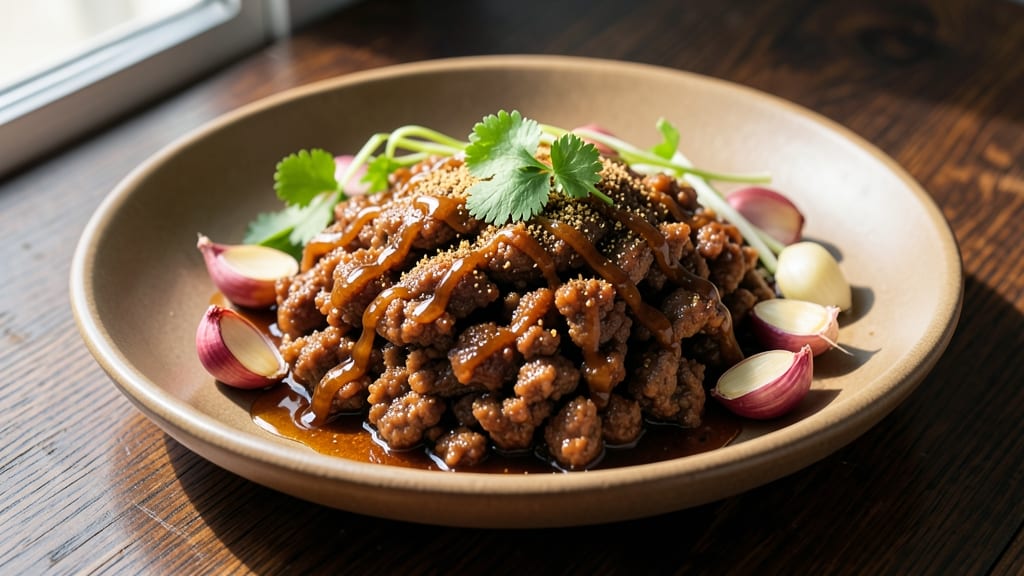
This bao bun pork filling recipe transforms simple ground pork into a fragrant, sticky masterpiece that'll make every bite irresistible. 🔥 The secret lies in the perfect balance of five-spice powder and tamarind paste, creating a complex flavor that's both aromatic and addictively sweet-savory.
I've perfected this filling over years of testing, ensuring it stays tender, juicy, and packed with that signature umami depth that makes bao buns legendary.
The process begins with pan-frying the pork until golden, then simmering it with aromatics until the fat renders and flavors meld. Five-spice powder adds warmth and depth, while tamarind paste delivers that signature sticky-sweet tang that defines authentic bao fillings.
What makes this recipe special is how it maintains perfect texture—never dry, never greasy—so it steams beautifully inside fresh bao dough.
By the time you're done, you'll have a filling that's rich with flavor yet light enough to steam without bursting your bao buns. The pork stays tender and juicy, coated in a glossy glaze that makes every bite worth the effort.
This isn't just filling—it's the heart of your bao experience, designed to transform simple dough into something extraordinary.
Whether you're making a batch for a weekend brunch or prepping for a family gathering, this recipe scales perfectly. The filling keeps well in the fridge for up to 3 days, making it ideal for meal prep.
Let's get started on creating pork so flavorful, it'll have everyone asking for seconds.
Ingredients for bao bun pork filling
Pantry staples meet Asian market finds for this fragrant, sticky pork filling.
| Ingredient | Amount | Notes |
|---|---|---|
| Ground Pork 🐖 | 1 ½ lb | 80/20 fat ratio for juiciness |
| Five-Spice Powder 🌶️ | 1 ½ tbsp | Authentic blend for warmth |
| Tamarind Paste 🍯 | ½ cup | Unsweetened for authentic tang |
| Soy Sauce 🥢 | ¼ cup | Light or dark preferred |
| Shaoxing Wine 🍷 | ¼ cup | Or dry sherry substitute |
| Garlic Cloves 🧄 | 6 cloves | Minced for aromatic punch |
| Fresh Ginger 🌿 | 2 tbsp | Finely grated, fresh only |
| Green Onions 🧅 | ¼ cup | Sliced, white and green parts |
| Sesame Oil 🫒 | 1 tbsp | Toasted, for aroma |
| Neutral Oil 🫒 | 1 tbsp | Peanut or vegetable oil |
| Sugar 🍚 | 2 tbsp | White or brown preferred |
| Salt 🧂 | 1 tsp | Kosher or sea salt |
| Black Pepper 🌶️ | ½ tsp | Freshly ground for heat |
The five-spice powder is non-negotiable here—Penzeys or Asian markets carry the best blends. Look for a jar labeled with all five spices: star anise, cinnamon, fennel, clove, and Sichuan peppercorn. Costco sells a decent version if you're not near an Asian grocery. For the tamarind paste, Thai Kitchen brand is widely available and unsweetened. The pork should be 80/20 fat ratio—leaner pork gets dry, and you want that juicy texture. If you can't find ground pork, substitute ground chicken but add an extra tablespoon of oil to compensate for the lower fat content.
No five-spice powder? Mix 1 tsp each of cinnamon, fennel seeds, and cloves—it won't be identical, but it'll get you close. Tamarind paste hard to find? Lemon juice plus 1 tbsp brown sugar mimics the tang, though it lacks depth. Shaoxing wine unavailable? Dry sherry or even a splash of apple cider vinegar works in a pinch. The sesame oil is for aroma, not cooking—add it at the very end. Fresh ginger is ideal, but substitute with 1 tbsp ground ginger if needed. For extra richness, add 1 tbsp hoisin sauce to the mix.
This filling reheats beautifully—simmer on low for 5-10 minutes until warmed through. Keeps 3 days in the fridge, sealed tightly. Freezes for 3 months if portioned into airtight containers. For meal prep, make a double batch and freeze half. When ready to use, thaw overnight in the fridge and reheat gently. The texture stays perfect when steamed inside bao dough, so don't overcook it. Leftovers make killer sliders or bao sandwiches—just add a little extra oil when reheating to keep them juicy.
Why You'll Love This Recipe
- Five-Spice Magic: I’ll be real—this pork filling is where the flavor really shines. The five-spice powder (star anise, cloves, cinnamon, fennel, pepper) gives it that cozy, aromatic depth, while the tamarind paste adds a tangy brightness that cuts through the richness. It’s the kind of taste that makes you want to eat it straight from the pan—no bao bun required.
- One-Pot Wonder: Honestly, this filling comes together in one pan with zero fuss. Brown the ground pork, toss in the soy sauce and Shaoxing wine, and let it simmer until the liquid reduces. The five-spice and tamarind paste dissolve right in, so no extra bowls or straining. Even if you burn the garlic (guilty), the filling still tastes incredible.
- Leftovers Reinvented: Between us, this filling begs to be repurposed. Use extra for dumplings, stir-fries, or even a quick pork fried rice. I’ve even stuffed it into portobello mushrooms when I’m out of bao buns—still delicious, zero waste. The soy and Shaoxing wine keep it flavorful for days, so it’s my go-to for lazy weeknights.
- Budget-Friendly Luxury: Ground pork is affordable, and a little goes a long way here. The five-spice powder and tamarind paste are pantry staples that stretch across multiple recipes, so you’re not breaking the bank for a restaurant-quality taste. Plus, the Shaoxing wine adds depth without needing a whole bottle—just a splash does the trick.
Step-by-step instructions for bao bun pork filling
Here's how to make this irresistibly aromatic pork filling that balances sweet, tangy, and spiced flavors perfectly.
🍳 Step 1: Sear the Ground Pork Until Browned
Heat the 1 tbsp neutral oil in a large skillet over medium-high heat. Add the 1.5 lb ground pork and break it up with a wooden spoon, cooking until it loses its raw color and becomes lightly browned—about 5-6 minutes. Don't overcrowd the pan or the pork will steam instead of sear.
I press down gently with the spoon during the first 2 minutes to help break up any large clumps. You want even cooking and maximum surface area for flavor development. Once the pork is mostly browned, push it to one side of the pan and reduce heat to medium—we'll work with the aromatics next.
👨🍳 Step 2: Build Layers of Flavor with Aromatics
Add the 6 minced garlic cloves and 2 tbsp finely grated fresh ginger to the same pan, stirring for 30 seconds until fragrant. The garlic should sizzle gently but not burn—this is where the magic happens. Next, pour in the 0.25 cup Shaoxing wine and let it simmer for 1 minute to cook off the alcohol.
Here's the thing—don't rush this step. The wine needs time to reduce and meld with the pork. You'll smell that beautiful aromatic bouquet developing, and that's exactly what we want. After the wine reduces, add the 1.5 tbsp five-spice powder and stir for 30 seconds to toast the spices lightly.
🥘 Step 3: Create the Sticky-Sweet Tamarind Glaze
In a small bowl, whisk together the 0.5 cup tamarind paste, 0.25 cup soy sauce, 2 tbsp sugar, 1 tsp salt, and 0.5 tsp black pepper. This mixture should be smooth—if it's too thick, add 1-2 tablespoons hot water to thin it out. Pour this into the skillet with the pork and stir to combine thoroughly.
Let the mixture simmer for 3-4 minutes until it thickens slightly and coats the back of a spoon. You're looking for a glossy, sticky consistency that will cling beautifully to the bao buns. If it's too thick, add 1-2 tablespoons water to loosen it. The tamarind paste gives that signature tangy sweetness that makes this filling so addictive.
🍳 Step 4: Finish with Green Onions and Sesame Oil
Stir in the 0.25 cup sliced green onions and 1 tbsp toasted sesame oil. The sesame oil adds that nutty aroma that takes this dish to the next level. Taste the filling and adjust seasoning if needed—you might want to add a splash more soy sauce for saltiness or a touch more sugar for sweetness.
Let the filling cool slightly before using—it will thicken as it cools. The perfect bao bun filling should be moist but not soupy, with a beautiful balance of sweet, tangy, spiced, and umami flavors. This filling will keep in the fridge for 3-4 days, making it perfect for meal prep.
Pro Tips For Making Bao Bun Pork Filling
- PRE-COOK THE PORK: I learned this the hard way—skipping the pre-cook makes your filling greasy and uneven. Brown the ground pork in batches over medium-high heat until it loses its raw color (about 5-6 minutes per batch), then drain almost all the fat. The residual fat keeps it juicy, but too much turns your bao into a soggy mess.
- DILUTE TAMARIND PASTE: Tamarind paste is thick and stubborn. Mix it with an equal part hot water first—this makes it easier to stir into the pork and prevents clumping. I used to just toss it in dry, and half the time it sat like a lump in my filling.
- LOW AND SLOW FINISH: After adding the Shaoxing wine and soy sauce, drop the heat to low and let it simmer uncovered for 8-10 minutes. This evaporates the alcohol (which can taste harsh if rushed) and deepens the five-spice flavor. Skipping this step leaves your filling tasting flat and underdeveloped.
- CHILL BEFORE FILLING: Let the finished pork filling cool to room temperature before stuffing your bao. Warm filling expands, and you’ll end up with overstuffed, burst bao. I know—it’s tempting to dive right in, but give it 20 minutes. Your bao will thank you with neat, clean seams.
Pro cooking tips for perfect results
Fat Ratio Matters
Never skimp on the fat content in your pork—80/20 ratio is non-negotiable for juicy, flavorful bao filling. I use ground pork shoulder from my local butcher because it stays tender during the long simmer.
If you must use leaner pork, add 1 extra tablespoon of neutral oil to compensate. The fat renders beautifully during cooking, creating that signature glossy finish. 🐖
Five-Spice Toasting
Toast your five-spice powder for 30 seconds after adding it to the pan—this releases its aromatic oils and deepens the flavor. I like to do this over medium-low heat to prevent burning.
For extra warmth, add a pinch of Sichuan peppercorn separately if your blend doesn't contain it. The spices should smell like a spice market in Shanghai when properly toasted.
Tamarind Consistency
The tamarind glaze should coat the back of a spoon when done—about 3-4 minutes of simmering. If it's too thick, add 1 tablespoon hot water at a time until it reaches the right consistency.
I've found Thai Kitchen brand tamarind paste works best because it's unsweetened. For a smoother texture, strain the mixture through a fine-mesh sieve before adding it to the pork.
Wine Reduction
Don't skip the 1-minute wine reduction—this step removes the alcohol and concentrates the flavors. Shaoxing wine adds depth, but dry sherry works in a pinch. If you're using a substitute, reduce it for 30 seconds instead.
The wine should smell rich and slightly sweet when properly reduced, not sharp or harsh. 🍷
Sesame Oil Timing
Add the sesame oil at the very end—it's for aroma, not cooking. I use toasted sesame oil from Penzeys because it has a deeper, nuttier flavor. A few drops are enough—too much will overpower the delicate balance of flavors. Stir gently to distribute without breaking the filling's texture.
Filling Texture Check
Before using, let the filling cool for 5 minutes—it will thicken as it sits. The perfect bao filling should be moist but not soupy, with a slight sheen. If it's too dry, add 1 teaspoon water and stir gently.
For extra richness, I sometimes add 1 teaspoon hoisin sauce** at the end. The filling should hold its shape when spooned but still be tender enough to steam beautifully inside bao dough. ✨
Nutrition facts
Frequently asked questions
Can I use chicken instead of pork?
Yes, but adjust the fat ratio! Ground chicken works well if you add 1 extra tablespoon of oil to compensate for the lower fat content. For best results, use an 85/15 chicken thigh blend—it stays juicier than breast meat. The flavor profile will be slightly lighter, but the sticky tamarind glaze still shines through beautifully.
How do I prevent the filling from being too dry?
Keep the filling moist by simmering it just until the tamarind glaze thickens—about 3-4 minutes. If it looks dry after cooling, stir in 1 teaspoon water or Shaoxing wine to restore juiciness. Also, avoid overcooking the pork during the initial sear—lightly browned is perfect, not crispy.
What's the best way to store leftover filling?
Store in an airtight container in the fridge for up to 3 days. For longer storage, freeze in 1-cup portions for 3 months. Thaw overnight in the fridge and reheat gently on low heat with 1 teaspoon water to prevent drying. The filling reheats beautifully and works perfectly for bao sandwiches!
Can I make this filling ahead of time?
This is a great make-ahead recipe. The flavors actually develop better overnight. Let the filling cool completely, then store it in the fridge. When ready to use, reheat it gently on low heat with 1 tablespoon water to restore moisture. The filling will be even more flavorful after resting!
What if I don't have tamarind paste?
Mix 2 tablespoons lemon juice with 1 tablespoon brown sugar for a quick substitute. While not identical, it'll give you that tangy sweetness. For better results, try 1 tablespoon unsweetened mango puree—it mimics tamarind's fruity depth. The filling will still be delicious, just with a slightly different profile.