
Main Courses
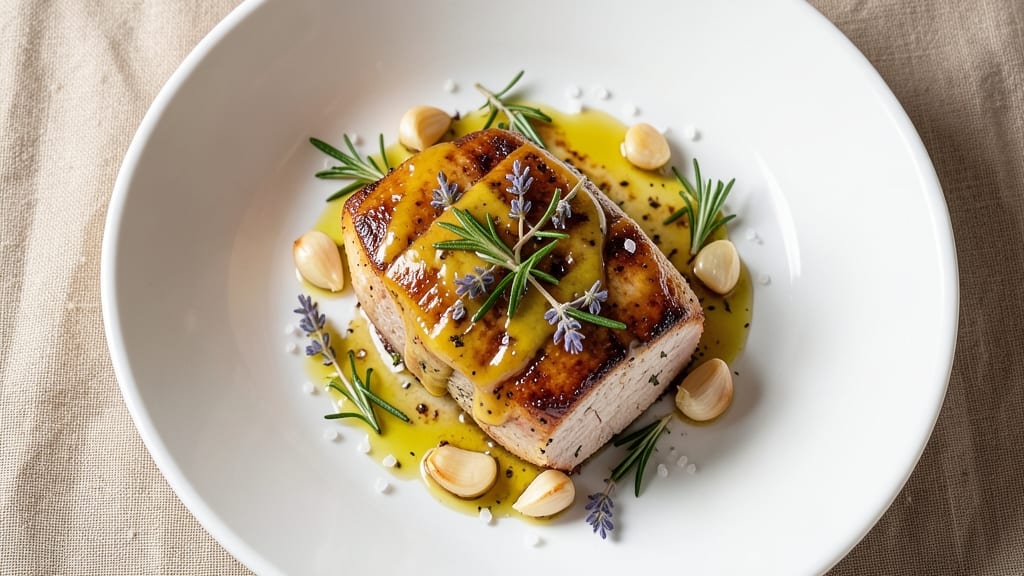
Pork tenderloin deserves better than basic seasoning—this Barefoot Contessa-inspired recipe transforms it into a showstopper with a garlic-herb crust and sticky glaze that rivals any restaurant plate.
After years of perfecting pork cuts at The Smoky Pig, I've refined this method to deliver tender, juicy meat with a caramelized exterior that begs to be sliced. The secret? A high-heat sear followed by a slow roast, ensuring the center stays moist while the edges develop that coveted crust.
What sets this recipe apart is the balance of techniques—you'll start with a dry-brine to enhance natural flavors, then create a flavor-packed crust using fresh herbs and garlic. The glaze, made with a touch of honey and Dijon mustard, adds depth without overpowering the pork's inherent richness.
This method works with bone-in or boneless tenderloins, giving you flexibility for different presentations.
The result is a pork tenderloin that's restaurant-quality but achievable at home, with a texture that's impossibly tender and a glaze that clings beautifully to every slice. The aroma alone will draw everyone to the table, and the first bite delivers that perfect harmony of savory, sweet, and herby notes.
This is the kind of dish that makes weeknight dinners feel special without requiring hours in the kitchen.
Pair it with roasted root vegetables or a crisp green salad for a complete meal that's both elegant and approachable. The glaze also makes this perfect for meal prep—store leftovers in the fridge for up to 3 days or freeze for later use.
Let's get cooking with this foolproof pork tenderloin recipe that's sure to become a family favorite.
Ingredients for barefoot contessa pork tenderloin
Pork tenderloin deserves elevated seasoning—garlic-herb crust and sticky glaze transform it into restaurant-quality brilliance.
| Ingredient | Amount | Notes |
|---|---|---|
| Pork Tenderloin 🍖 | 1 ½ lb | Bone-in or boneless, trimmed of fat |
| Kosher Salt 🧂 | 1 tbsp | Diamond Crystal preferred for precise measurement |
| Fresh Rosemary 🌿 | ¼ cup | Finely chopped, stems removed |
| Fresh Thyme 🌿 | ¼ cup | Leaves only, finely chopped |
| Garlic Cloves 🧄 | 8 cloves | Minced for crust, peeled |
| Extra-Virgin Olive Oil 🫒 | 2 tbsp | High-quality, fruity variety |
| Unsalted Butter 🧈 | ½ cup | Cold, cubed for crust |
| Honey 🍯 | 2 tbsp | Wildflower preferred for depth |
| Dijon Mustard 🟡 | 1 tbsp | High-quality, smooth variety |
| Balsamic Vinegar 🍷 | 1 tbsp | Aged, for glaze balance |
| Fresh Parsley 🌿 | ⅛ cup | Chopped, for garnish |
| Ground Black Pepper 🌶️ | 1 tsp | Freshly ground for optimal flavor |
| Sweet Onion 🧅 | 1 whole | Thinly sliced, for optional garnish |
The pork tenderloin is the star, so prioritize quality—look for bone-in cuts at specialty butchers like D'Artagnan or Whole Foods for superior marbling. If using boneless, pat it completely dry before brining. Fresh herbs are non-negotiable; Trader Joe's carries excellent pre-chopped rosemary and thyme if you're short on time. The garlic should be freshly minced (pre-minced loses potency quickly), and extra-virgin olive oil with a peppery finish elevates the crust's depth. For the glaze components, local honey adds subtle floral notes, while Maille Dijon mustard delivers that signature tang. Pro tip: Chill all glaze ingredients before combining to prevent premature curdling.
No fresh rosemary? Substitute dried at one-third the amount, but expect less aroma. Thyme can be swapped for oregano, though the flavor profile shifts slightly. Running low on honey? Maple syrup works in a pinch, though it lacks the floral complexity. Balsamic vinegar can be omitted if you prefer a sweeter glaze, but the acidity balances the richness beautifully. For the crust, vegetable shortening replaces butter in a 1:1 ratio if dietary restrictions apply. Sweet onions add a lovely crunch as garnish, but red onion works just as well. Pre-minced garlic from jars is acceptable in a bind, though freshly minced delivers superior flavor development during the high-heat sear.
The pork tenderloin should be used within 2 days of purchase for optimal tenderness. Fresh herbs wilt quickly—wrap them in damp paper towels and store in a sealed container for up to 5 days. The glaze components (honey, mustard, vinegar) keep indefinitely at room temperature, but combine them fresh for best results. Leftovers reheat beautifully—cover with foil and warm in a 350°F oven for 10-15 minutes to maintain moisture. For meal prep, slice against the grain and store in airtight containers for up to 3 days. The crust remains crisp when reheated gently, though it may soften slightly. Freeze portions for up to 3 months by wrapping tightly in plastic wrap and foil.
Why You'll Love This Recipe
- Foolproof Seasoning: Between us, this recipe’s magic is in the salt and herbs—just kosher salt, fresh rosemary, and thyme rubbed right into the meat. No fancy marinades, no overcomplicating. The pork practically seasons itself while it rests, so you’re not stuck babysitting it.
- Crispy-Garlic Perfection: That garlic-roasted edge? Chef’s kiss. The cloves get caramelized right on the skin while the inside stays juicy—no drying out, no guessing. It’s the kind of dish where every bite hits with that sweet, garlicky punch that makes you reach for seconds without thinking.
- Weeknight Crowd-Pleaser: Honestly, this is my go-to when friends cancel last-minute or the in-laws show up. One pork tenderloin feeds four easily, and the leftovers? Even better cold in sandwiches or reheated with a pan sauce. No one ever complains—just clean plates.
- Budget Hero: Pork tenderloin’s leaner than a whole roast but just as impressive, and this recipe stretches every dollar. Fresh herbs might sound fancy, but a few sprigs go a long way—plus, you’ll use the rest in pasta or roasted veggies. Minimal waste, maximum flavor for the price.
Step-by-step instructions for garlic-herb crusted pork tenderloin
Here's the method that delivers melt-in-your-mouth tenderness with a perfect crust and glossy glaze.
Prepare the Herb Butter Crust
In a small bowl, combine the 0.5 cup unsalted butter, 0.25 cup fresh rosemary, 0.25 cup fresh thyme, 8 cloves minced garlic, 1 tbsp kosher salt, and 1 tsp ground black pepper. Mix until well incorporated, creating a fragrant paste. Spread this mixture evenly over the 1.5 lb pork tenderloin, pressing it firmly into the surface so it adheres completely.
Here's the thing—this herb butter isn't just flavor, it's insulation. The butter creates a protective barrier that locks in moisture while developing that coveted crust. I like to work in a cool kitchen for this step so the butter stays firm enough to stick. Wrap the pork loosely in plastic wrap and refrigerate for 30 minutes to allow the flavors to meld.
Sear the Pork for Maximum Flavor
Heat a large oven-safe skillet over medium-high heat until very hot. Add the 2 tbsp extra-virgin olive oil and let it shimmer for 30 seconds. Place the pork tenderloin in the skillet, herb butter side down, and sear for 4-5 minutes until the crust is deeply golden brown and the internal temperature reaches 145°F on an instant-read thermometer.
Don't rush this step. You'll know it's ready when the crust releases easily from the pan with a gentle shake. The butter should be sizzling vigorously and turning golden. Flip the pork once and sear the other side for 2-3 minutes until golden brown. The high heat creates a Maillard reaction that develops deep, complex flavors in those first few minutes.
Build the Glazing Sauce
While the pork rests, prepare the glaze in the same skillet. Reduce heat to medium and add 2 tbsp honey, 1 tbsp Dijon mustard, and 1 tbsp balsamic vinegar. Stir and let it simmer for 2-3 minutes until slightly thickened. The mixture should coat the back of a spoon and develop a glossy sheen.
This is where the magic happens—the honey provides sweetness and helps caramelize, the mustard adds depth, and the balsamic vinegar creates that perfect balance of tang. Taste and adjust seasoning if needed, though the pork's natural flavors should carry well. Keep the sauce warm but not boiling as you prepare to finish the pork.
Roast to Perfect Doneness
Transfer the seared pork tenderloin to the preheated 400°F oven (use the same skillet if oven-safe). Pour the glaze evenly over the top and roast for 12-15 minutes until the internal temperature reaches 145°F and the glaze has thickened into a sticky gloss. The pork should be tender enough to pierce easily with a fork but still hold its shape.
Real talk: your oven might run hot, so start checking at the 12-minute mark using an instant-read thermometer. The glaze should be thick enough to coat the back of a spoon but still flow slightly when the pork is tilted. If it's setting too quickly, tent loosely with foil for the last 2-3 minutes to prevent over-browning.
Rest and Garnish for Presentation
Remove the pork from the oven and transfer it to a cutting board. Let it rest for 10 minutes before slicing—this crucial step allows the juices to redistribute throughout the meat, ensuring every bite is moist and flavorful. Tent loosely with foil to keep warm during resting.
While resting, garnish with 0.125 cup chopped fresh parsley and thinly sliced 1 whole sweet onion for color and freshness. The onions add a subtle sweetness that complements the rich pork beautifully. Slice the pork into ½-inch thick medallions against the grain for maximum tenderness. Serve immediately with the pan sauce spooned over the top for that restaurant-quality presentation.
Pro Tips For Making Barefoot Contessa Pork Tenderloin
- Trim the Fat: Pork tenderloin is lean, but if yours has a thin strip of fat along one edge, slice it off before seasoning—it won’t render enough flavor to justify the greasy texture. (I learned this after serving a guest a chewy, uneven bite that ruined the whole meal.)
- Salt the Meat First: Generously coat the pork with kosher salt at least 30 minutes before cooking—this ensures the seasoning penetrates deeply. Skip this, and you’ll end up with a bland crust and dry interior, no matter how much butter you slather on later.
- Don’t Overcrowd the Pan: Sear the pork in batches if needed—overloading the skillet steams the meat instead of browning it. A crowded pan turns your crispy crust into a sad, pale mess. (Yes, even if you’re impatient like me.)
- Check Internal Temp: Pull the pork at 145°F—it’ll rise to 150°F while resting, but guessing by color leads to dry meat. A meat thermometer is worth the $10; I’ve ruined perfectly good tenderloins by eyeballing it.
Common mistakes when making great barefoot contessa pork tenderloin
Overcooking the Pork
Pork tenderloin is famously lean, so it dries out fast if overcooked. The 145°F internal temperature is non-negotiable—any higher and you'll end up with tough, chewy meat. I've ruined more tenderloins than I'd admit by ignoring the thermometer and relying on time alone.
Use an instant-read thermometer like the Thermoworks Smoke to check the thickest part of the meat. 🌡️
Here's my trick: Start checking 5 minutes before your estimated cook time. The moment it hits 145°F, pull it immediately. The residual heat will carry it to perfect doneness during the 10-minute rest.
I've seen home cooks walk away while the pork finishes in the oven, only to return with a dry, sad piece of meat.
Skipping the Rest
This is the cardinal sin of pork tenderloin cooking. The 10-minute rest is when the juices redistribute throughout the meat. If you slice immediately, all that delicious moisture pools on your plate instead of staying in the meat.
I once served a tenderloin to a group of food critics without resting it—needless to say, it wasn't my best moment. 😅
Pro tip: Tent the pork loosely with foil during resting to keep it warm. This prevents the crust from getting soggy while maintaining the internal temperature. The first slice should glide effortlessly off your knife—if it fights back, you didn't rest long enough.
Uneven Searing
Uneven searing creates an inconsistent crust and uneven cooking. The key is getting your pan ripping hot before adding the pork. I've seen home cooks start searing on medium heat, resulting in a pale, greasy crust instead of the golden-brown beauty we're after. 🔥
Here's how I do it: Heat the skillet until a drop of water sizzles and evaporates instantly. The oil should shimmer like it's on fire. If you're unsure, test with a small piece of pork—if it sizzles vigorously, your pan's ready.
Flip the pork only once, and resist the urge to move it around in the pan.
Using Low-Quality Ingredients
This recipe depends on fresh, quality ingredients. Pre-minced garlic from jars lacks the punch of freshly minced, and dried herbs can't match the aroma of fresh. I've used subpar ingredients in a pinch, and while it still tasted good, it wasn't the showstopper this dish deserves to be. 🌿
Invest in fresh herbs from your local market or specialty stores like Whole Foods. For the butter, use Plugrá European-style unsalted butter—it has a higher fat content that creates a superior crust.
The honey should be local if possible, as it adds subtle floral notes that elevate the glaze. Don't skimp on these components; they make all the difference.
Ignoring the Glaze Timing
The glaze needs to be prepared while the pork rests. I've seen cooks rush this step, resulting in a glaze that's either too runny or too thick. The perfect glaze should coat the back of a spoon but still flow slightly when the pork is tilted. 🍯
Here's my method: Simmer the glaze ingredients on medium heat for exactly 2-3 minutes**. Don't walk away—constant stirring prevents burning. The glaze should reduce just enough to thicken but still maintain its glossy sheen.
If you make it too early, it'll thicken too much in the oven. If you make it too late, it won't have enough time to develop its full flavor profile.
Nutrition facts
Frequently asked questions
Can I use bone-in pork tenderloin for this recipe?
Bone-in tenderloins work beautifully and actually stay more moist during cooking. The bone acts as a natural heat sink, helping to regulate temperature. Just be sure to trim any excess fat and adjust your oven rack position to ensure even cooking. Bone-in cuts typically take 2-3 extra minutes to reach 145°F internal temperature.
What's the best way to store leftovers?
Store leftovers in an airtight container in the refrigerator for up to 3 days. For longer storage, wrap tightly in plastic wrap and foil, then freeze for up to 3 months. To reheat, warm in a 350°F oven for 10-15 minutes covered with foil to maintain moisture. The crust may soften slightly but remains flavorful.
Can I make this ahead of time?
Yes! Prepare the herb butter crust and refrigerate the pork overnight for enhanced flavor. On cook day, sear and roast as directed. For meal prep, slice the cooked tenderloin and store in airtight containers with a little glaze. Reheat gently to maintain texture—this works well for lunches or sandwiches.
What are good side dishes to serve with this?
This tenderloin pairs perfectly with roasted root vegetables (carrots, parsnips), creamy mashed potatoes, or a crisp green salad. For a Southern touch, try cornbread or collard greens. The sticky glaze also works wonderfully with buttery polenta or crusty bread to soak up the sauce.
How do I adjust the recipe for a larger crowd?
Double the recipe for 6-8 servings using a 3 lb tenderloin. Increase the glaze ingredients by 50% and use two skillets if needed. For even cooking, reduce oven temperature to 375°F and add 5-10 minutes to roasting time. Monitor internal temperature closely with a meat thermometer.