
Main Courses
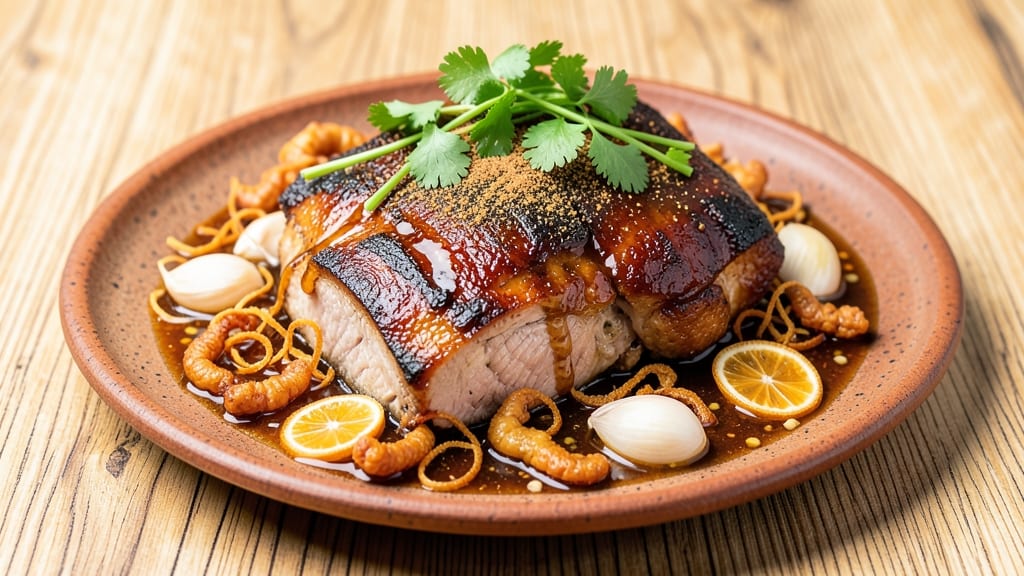
This Bas Oy Pork Bisaya recipe brings the bold flavors of Visayan cuisine to your table with tender pork marinated in five-spice blend and finished with a tangy tamarind glaze. 🌟 The secret lies in balancing sweet, sour, and savory notes—just like my grandmother used to make back in Georgia, where pork was the heart of every meal.
The five-spice marinade infuses the meat with warmth, while the tamarind glaze adds that signature sticky-sour finish that makes this dish unforgettable.
What sets this recipe apart is the foolproof marinating technique—pork shoulder gets a 24-hour soak in a blend of garlic, ginger, and local spices that tenderizes it perfectly. Then, it’s slow-cooked until fall-apart tender before hitting the grill for that smoky char.
The tamarind glaze, reduced to a glossy sheen, clings to every bite, delivering that perfect balance of sweet and sour that defines Bisaya-style cooking.
By the time you serve this dish, you’ll have restaurant-quality pork that’s juicy, aromatic, and packed with layers of flavor. The glaze caramelizes beautifully, creating a sticky, glossy finish that’s impossible to resist.
It’s the kind of meal that turns a simple dinner into a celebration—just like the gatherings I grew up with in Georgia, where food was always the centerpiece.
Pair it with steamed white rice and a side of atchara (pickled papaya) for the full Bisaya experience. The acidity of the pickles cuts through the richness of the pork, making every bite even more satisfying.
Let’s get cooking—this recipe is a game-changer for anyone who loves bold, flavorful pork dishes.
Ingredients for bas oy pork bisaya
Six ingredients make this pork shoulder unforgettable—five-spice magic meets sticky-sour glaze perfection.
| Ingredient | Amount | Notes |
|---|---|---|
| Pork Shoulder 🥩 | 3 lb | Bone-in for best flavor |
| Five-Spice Powder 🌶️ | 2 tbsp | Homemade or store-bought blend |
| Garlic Cloves 🧄 | 8 cloves | Minced for marinade |
| Fresh Ginger 🌿 | ½ cup | Grated, aromatic |
| Soy Sauce 🍶 | ½ cup | Dark or light preferred |
| Brown Sugar 🍚 | ½ cup | Packed, for marinade |
| Tamarind Paste 🍈 | ¼ cup | Or sub vinegar + sugar |
| White Vinegar 💧 | ¼ cup | For glaze tang |
| Olive Oil 🫒 | ¼ cup | For glaze richness |
| Green Onions 🧅 | ¼ cup | Sliced, for garnish |
| Salt 🧂 | 1 ½ tsp | Kosher or sea salt |
| Black Pepper 🌶️ | 1 tsp | Freshly ground |
| Bay Leaves 🍃 | 2 whole | For depth of flavor |
| White Rice 🍚 | 2 cups | Uncooked, for serving |
The pork shoulder is the star here—bone-in cuts stay juicier during slow cooking. Costco or local butchers usually have great deals on pork shoulder, but check for good marbling. If you can't find bone-in, pork butt works too. For the five-spice powder, Asian markets often carry pre-mixed blends, but you can DIY with cinnamon, cloves, star anise, fennel, and peppercorns. The tamarind paste might need a hunt—Filipino or Thai markets always have it, or sub a mix of vinegar and sugar if needed. Fresh ginger should smell zesty, not musty.
No tamarind? Mix 3 tbsp vinegar + 2 tbsp sugar for a quick sub. The soy sauce can be swapped for coconut aminos if you're avoiding soy. For the glaze, reduce it longer for thicker consistency or add a splash of water for runnier sauce. The green onions are just for garnish—skip if you're not a fan. The marinade needs at least 24 hours to work its magic, so plan ahead. If you're short on time, overnight works too. The pork will be tender either way, but the flavor develops best with time.
Marinate the pork in a sealed bag in the fridge for 24-48 hours—it keeps 3 days that way. The cooked pork reheats beautifully—350°F for 20 minutes or until warmed through. Store leftovers in an airtight container for 4 days. Freeze portions for 3 months if you're prepping ahead. The glaze can be made a day early and reheated gently. This dish tastes even better the next day as flavors meld—worth making extra for leftovers.
Why You'll Love This Recipe
- One-Pot Magic: That’s right—just the pork, aromatics, and a splash of soy simmering together. No fancy gadgets, no last-minute grocery runs. I swear, the five-spice powder alone does half the work.
- Crispy-Tender Payoff: The pork shoulder gets that just-right texture—crispy edges hugging a melt-in-your-mouth center. The ginger and garlic caramelize into a sticky glaze that’s impossible to resist. (Yes, even on a Tuesday night.)
- Weeknight Workhorse: Slap it on rice for dinner, pack it in buns for lunch, or serve it cold in rice bowls the next day. Honestly, I’ve made this for date nights, lazy Sundays, and when my kid’s soccer team needed snacks. It’s that reliable.
- Budget-Friendly Feast: Pork shoulder stretches for days—this recipe feeds four for under $10, and leftovers? They taste even better reheated. I’ll be real: my freezer is always stocked with extra portions.
Step-by-step instructions for five-spice marinated pork
Here's how to make tender, aromatic pork shoulder with that signature sticky glaze.
👨🍳 Step 1: Marinate the Pork Shoulder Overnight
In a large bowl, combine the 3 lb pork shoulder, 8 cloves minced garlic cloves, 0.5 cup grated fresh ginger, 2 tbsp five-spice powder, 1.5 tsp salt, 1 tsp black pepper, and 2 whole bay leaves. Mix gently to coat the meat evenly. In a separate bowl, whisk together 0.5 cup soy sauce, 0.5 cup packed brown sugar, and 0.25 cup tamarind paste until the sugar dissolves completely.
Pour the marinade over the pork, ensuring it's fully submerged. Cover the bowl with plastic wrap and refrigerate for at least 12 hours (I like to do this overnight). This long marinating time breaks down the tough fibers, creating melt-in-your-mouth pork. Give it a stir halfway through if you remember—it's a good reminder to taste the marinade too. You'll notice the pork absorbing the deep, aromatic flavors and turning a beautiful mahogany color.
🔥 Step 2: Sear the Pork for Maximum Flavor
Remove the pork from the fridge and let it sit at room temperature for 30 minutes before cooking. Preheat your oven to 325°F. Heat a large oven-safe skillet or Dutch oven over medium-high heat. Add the marinated pork and sear on all sides until deeply browned—about 5-7 minutes per side. You want that beautiful caramelized crust to form, which will lock in all those marinade flavors.
Once browned, transfer the skillet to the preheated oven. Roast the pork uncovered for 2.5 hours, or until the internal temperature reaches 195°F when measured with a meat thermometer. The pork should be fork-tender but still holding together. If the liquid reduces too quickly, add ¼ cup water to the pan to prevent burning. This slow roasting creates that signature tender texture that makes this dish so special.
🍳 Step 3: Prepare the Sticky Vinegar Glaze
While the pork roasts, prepare the glaze by combining 0.25 cup white vinegar, 0.25 cup olive oil, and 0.25 cup sliced green onions in a small saucepan. Bring to a simmer over medium heat and cook for 5-7 minutes until the mixture reduces by about half and becomes syrupy. You'll notice the aroma of the vinegar and olive oil blending beautifully—this is what gives the dish its signature tangy-sweet balance.
Remove the pork from the oven and increase the heat to 375°F. Pour the reduced glaze evenly over the pork, coating it completely. Return the pork to the oven and roast for an additional 15-20 minutes until the glaze caramelizes and the pork reaches 203°F internally. This final step creates that irresistible sticky glaze that clings to every bite. The pork should be fork-tender and falling apart slightly at the edges.
⏰ Step 4: Rest and Serve with Perfect Rice
Transfer the pork to a cutting board and tent loosely with foil. Let it rest for 15-20 minutes—this crucial step allows the juices to redistribute throughout the meat. While it rests, cook the 2 cups white rice according to package instructions. I like to use a 1:1.5 rice-to-water ratio and let it sit covered for 10 minutes after cooking to steam perfectly.
Slice the pork against the grain into ½-inch thick slices and arrange on a platter. Spoon any remaining glaze from the pan over the top. Serve with the steamed rice and garnish with additional sliced green onions. The contrast of the tender, five-spice pork with the tangy glaze and fluffy rice is what makes this dish truly special. Each bite delivers a perfect balance of sweet, savory, and aromatic flavors that will have everyone asking for seconds.
Pro Tips For Making Bas Oy Pork Bisaya
- CRANK THE HEAT FIRST: Bas oy needs that initial sear to lock in flavor—don’t start slow. Get your pan screaming hot (medium-high to high) before adding the pork shoulder, or you’ll end up with greasy, underwhelming meat instead of caramelized crust. I learned this the hard way when my first batch turned out bland because I played it safe.
- GRATE THAT GINGER LIKE YOU MEAN IT: Fresh ginger is non-negotiable here, but don’t just chop it—grate it fine enough to dissolve into the sauce. A microplane works best, and trust me, the difference between "meh" and "wow" is in those tiny, invisible shreds. (Yes, even if you’re impatient like me.)
- DON’T DROWN THE PORK: Bas oy is about balance—too much liquid and you’ll end up with stew instead of tender, saucy pork. After the initial sear, add just enough soy sauce and water to barely coat the bottom of the pan. The pork will release its own moisture as it cooks, so resist the urge to splash extra liquid in.
- LET THE FIVE-SPICE BLOOM: The five-spice powder isn’t just a garnish—it needs time to wake up. Toast it in the pan for 30 seconds before adding garlic and ginger, or you’ll just be masking its flavor. The aroma alone tells you it’s working. (Pro move: Add a pinch of sugar here—it deepens the caramelization without anyone noticing.)
Creative variations of bas oy pork bisaya
Filipino BBQ Style
For a smoky, charred version, grill the marinated pork over charcoal or hardwood coals instead of roasting. I love using bincho or coconut husk charcoal for that authentic Filipino flavor.
After searing the pork in a skillet, transfer it to the grill and cook for 2-3 hours at 250-275°F, basting occasionally with the tamarind glaze. The direct heat creates beautiful grill marks and enhances the smoky depth.
Serve with grilled banana slices and extra vinegar on the side for dipping. 🔥
Coconut Milk Braised
Swap the vinegar glaze for a creamy coconut version by adding 1 can (13.5 oz) coconut milk to the marinade. After slow-roasting, simmer the pork in 1 cup coconut milk with 1 tbsp brown sugar until tender.
The result is a rich, velvety sauce that pairs perfectly with steamed jasmine rice or garlic fried rice. Garnish with toasted coconut flakes and cilantro for a tropical twist. This variation reminds me of the dishes I’d find at Filipino street markets in Atlanta. 🥥
Spicy Adobo Twist
Add heat by incorporating 2 tbsp adobo sauce (or 1 tbsp soy sauce + 1 tbsp vinegar + 1 tsp sugar) into the marinade.
After roasting, simmer the pork in a pan with ½ cup adobo sauce, 1 tbsp soy sauce, and 1 tsp black pepper for 10 minutes to create a spicy-sweet glaze. The tangy, slightly spicy flavor is perfect for those who love a kick.
Serve with pickled vegetables (atchara) to balance the heat. 🌶️
Slow Cooker Adaptation
For a hands-off approach, marinate the pork as directed, then transfer it to a 6-quart slow cooker with the marinade. Cook on low for 8 hours or high for 5 hours. In the last 30 minutes, add the glaze ingredients and stir to coat.
The slow cooker keeps the pork incredibly tender with minimal effort. This method is perfect for busy weeknights but still delivers restaurant-quality results. 💫
Regional Visayan Variations
In Cebu, the pork is often marinated with calamansi juice instead of tamarind, giving it a bright citrus note. In Leyte, they add dried shrimp to the marinade for extra umami.
For an authentic touch, try using Filipino calamansi (if available) or a mix of lemon juice + 1 tsp sugar as a substitute. These regional tweaks add depth and authenticity to the dish. 🗺️
Nutrition facts
Frequently asked questions
What makes this Bisaya-style pork different from regular adobo?
The key difference is the five-spice marinade and tamarind glaze instead of vinegar-heavy adobo. This version balances sweet, sour, and aromatic spices for a more complex flavor profile. The slow-roasting technique also creates melt-in-your-mouth tenderness that traditional adobo doesn't always achieve.
Can I use pork tenderloin instead of pork shoulder?
Pork tenderloin works but requires shorter cooking time (45-60 minutes at 375°F) since it's leaner. For best results, reduce marinating time to 8-12 hours and slice thinner. The texture will be more delicate but still delicious. I recommend sticking with shoulder for that classic fall-apart tenderness.
How do I store and reheat leftovers?
Store cooked pork in an airtight container for 4 days in the fridge or 3 months in the freezer. Reheat portions in a skillet over medium heat with a splash of water or broth until warmed through (165°F). For microwave reheating, use 30-second intervals to prevent drying out. The glaze reheats beautifully - just add a few drops of water if it thickens too much.
What's the best way to make the glaze thicker or thinner?
For a thicker glaze, reduce the vinegar mixture longer (10-12 minutes) or add 1 tsp cornstarch mixed with water. For a thinner sauce, add 1-2 tbsp water or broth while reheating. The ideal consistency should coat the back of a spoon but still drip slightly. Remember, the glaze will thicken as it cools.
Can I make this in an Instant Pot?
Marinate the pork as directed, then sear in the Instant Pot on sauté function. Add ½ cup water and cook on high pressure for 60 minutes. Quick-release the pressure, then make the glaze and finish on sauté function for 5 minutes to caramelize. The pressure cooker cuts time significantly while keeping the pork tender.