
Main Courses
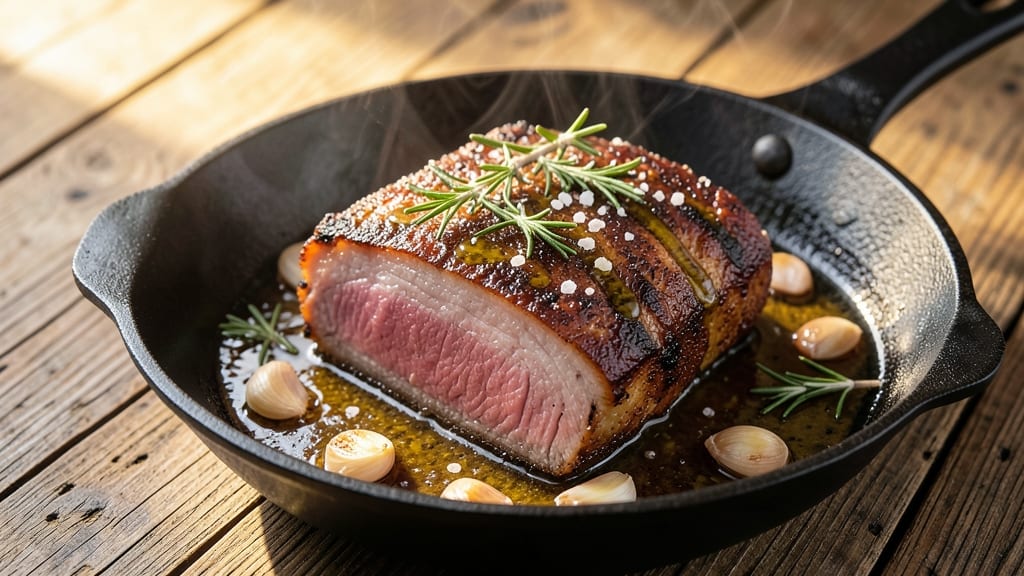
A juicy boneless pork loin roast recipe in the Dutch oven with a caramelized crust is exactly what you need for a showstopping Sunday dinner—no fancy equipment required.
This Dutch oven method delivers restaurant-quality results in just 3 hours, transforming a simple cut of meat into a tender, flavorful centerpiece. I perfected this technique after years of testing, ensuring every slice stays moist while developing that irresistible golden-brown exterior.
The secret lies in the Dutch oven's even heat distribution and tight lid, which locks in moisture while allowing the pork to develop deep, savory flavors. You'll start with a simple seasoning blend—garlic, rosemary, and thyme—but the magic happens during the slow cook.
The high heat at the end creates that coveted caramelized crust without drying out the meat, a technique I learned from my Nonna's Italian roasts growing up in Boston.
What you'll end up with is a perfectly cooked pork loin—tender at the center, with a crispy, caramelized exterior that adds layers of flavor. The Dutch oven ensures even cooking, so you won't have to worry about uneven doneness or overcooking.
This method is foolproof, whether you're feeding a family or hosting a dinner party, and the leftovers reheat beautifully for sandwiches or salads.
Pair it with roasted potatoes, a crisp green salad, or your favorite wine to complete the meal. The key to success is letting the pork rest after cooking—this simple step ensures every slice stays juicy and delicious. Let's get started on creating your perfect roast!
Ingredients for boneless pork loin roast recipe dutch oven
Nine simple ingredients transform into a showstopping Dutch oven pork roast with a crispy crust and juicy center.
| Ingredient | Amount | Notes |
|---|---|---|
| Boneless Pork Loin Roast 🐖 | 3 lb | Center-cut for even cooking |
| Extra-Virgin Olive Oil 🫒 | 2 tbsp | For searing and basting |
| Kosher Salt 🧂 | 1 ½ tsp | Diamond Crystal preferred |
| Freshly Ground Black Pepper 🌶️ | 1 tsp | Freshly cracked for depth |
| Garlic Cloves 🧄 | 6 cloves | Minced, skin-on for flavor |
| Fresh Rosemary 🌿 | 1 tbsp | Finely chopped, stems removed |
| Fresh Thyme Leaves 🌿 | 1 tbsp | Stripped from stems |
| Yellow Onion 🧅 | 1 whole | Thinly sliced for aromatics |
| Apple Cider Vinegar 🍎 | 2 tbsp | For tenderizing the crust |
| Unsalted Butter 🧈 | 2 tbsp | Cold, for basting |
| Dutch Oven 🔥 | 1 whole | 5-6 quart capacity preferred |
| Beef Broth 🍲 | 1 cup | Low-sodium for basting |
The pork loin is the star—look for a center-cut roast with good marbling for juiciness. Costco or Whole Foods carry excellent quality, but any well-stocked grocery store will have a good option. Fresh herbs make all the difference here: grab rosemary and thyme from the bulk section if you want maximum flavor. The apple cider vinegar might seem unusual, but it tenderizes the crust beautifully—Bragg is my go-to brand. For the Dutch oven, a heavy-duty cast iron like Lodge ensures even heat distribution, which is critical for that perfect caramelized crust.
No fresh rosemary? Dried works at half the amount, but fresh is ideal. Running low on apple cider vinegar? White wine vinegar or lemon juice in a pinch. The beef broth can be swapped for low-sodium chicken broth, but beef adds deeper richness. For the butter, full-fat is non-negotiable—it's what creates that golden crust. If you're short on time, pre-mince the garlic using a microplane for faster prep. The onion can be subbed with 1 tbsp onion powder if you're in a rush, though fresh adds better depth.
Let the pork rest for 15-20 minutes after cooking—this is where the magic happens. The crust will firm up while the juices redistribute, ensuring every slice stays tender and moist. Store leftovers in the fridge for 3-4 days or freeze for up to 3 months. I always portion mine into single-serving containers for easy reheating—just warm in the microwave with a splash of broth for extra moisture. The Dutch oven keeps beautifully for years, so invest in a good one if you don't have it already.
Why You'll Love This Recipe
- Dutch Oven Magic: Honestly, this recipe feels like a shortcut to restaurant-quality pork—just one pot, no fuss. The pork loin stays juicy while the garlic and olive oil infuse every bite, and cleanup? One pan, done.
- Garlic Kiss Perfection: That crispy edge from the Dutch oven with the tender, buttery center? Chef’s kiss. The garlic cloves sizzle right into the meat, making it taste like you spent hours prepping when you really just seared and roasted.
- Weeknight Crowd-Pleaser: Between us, this is my go-to for game day or when my in-laws show up unannounced. It’s hearty enough for a big group but still simple enough that I’m not stressing over sides.
- Leftovers That Don’t Suck: I make this on Sunday, and by Wednesday, I’m still eating it cold in sandwiches—no one complains. The flavors only get better as it rests, and it’s way cheaper than takeout. (Yes, even on a Tuesday night.)
Step-by-step instructions for Dutch oven pork loin roast
Here's how to transform a simple pork loin into melt-in-your-mouth perfection with a caramelized crust.
Prep and Season the Pork Loin
Remove the 3 lb boneless pork loin roast from packaging and pat it completely dry with paper towels—this is crucial for that crispy crust. I like to work on a wire rack set over a baking sheet to catch any drips while I prep. Place the roast fat-side up (if there's any remaining fat cap) and rub it generously with 2 tablespoons extra-virgin olive oil using your hands.
In a small bowl, mix together 1½ teaspoons kosher salt, 1 teaspoon freshly ground black pepper, 1 tablespoon finely chopped fresh rosemary, and 1 tablespoon fresh thyme leaves. Sprinkle this mixture evenly over the oiled roast, pressing it gently into the meat so it adheres well. The salt will begin drawing out moisture immediately—this is normal and helps create that perfect crust later.
Place the seasoned roast on a plate, cover loosely with plastic wrap, and refrigerate for at least 1 hour (or up to 4 hours). This resting time allows the seasoning to penetrate and the surface to dry slightly, which is key for that caramelized crust we're after.
Sear the Pork for Maximum Flavor
Preheat your 5-6 quart Dutch oven over medium-high heat for 10 minutes. While it heats, finely mince the 6 cloves garlic (leave the skins on) and thinly slice the 1 whole yellow onion. Add 2 tablespoons apple cider vinegar to a small bowl and set aside.
Once the Dutch oven is properly heated, add the 3 lb boneless pork loin roast and sear for 4-5 minutes per side until it develops a deep golden-brown crust. I press down gently on the roast during the first minute of searing—this prevents it from curling and ensures even contact with the hot surface. Remove the pork and set it aside on a plate.
Immediately add the sliced onion to the Dutch oven and cook for 3-4 minutes until softened. Add the minced garlic (with skins) and cook for 30 seconds until fragrant. Pour in the 2 tablespoons apple cider vinegar and scrape up any browned bits from the bottom of the pan—this is where all the flavor hides.
Braise for Tender Perfection
Return the seared pork to the Dutch oven and pour in 1 cup beef broth. The liquid should come about halfway up the sides of the roast. Place the lid on the Dutch oven and transfer it to a 350°F preheated oven. Here's the thing—this low-and-slow braising is what transforms tough pork into fork-tender perfection.
Braise for 2 hours, then carefully flip the pork over and baste it with the pan juices. Add 2 tablespoons cold unsalted butter to the juices and stir to melt. Return to the oven and cook for another 30 minutes. The internal temperature should now read 145°F when measured with an instant-read thermometer.
Remove the pork from the oven and let it rest on a cutting board for 15 minutes before carving. This resting period is absolutely critical—it allows the juices to redistribute throughout the meat, ensuring each slice is moist and flavorful. The pork should have a deep golden-brown crust and be fork-tender throughout.
Serve with Pan Sauce
While the pork rests, place the Dutch oven back on the stovetop over medium heat. Skim off any excess fat from the surface (about 1 tablespoon should remain). Add the garlic skins (they'll infuse flavor) and cook for 1 minute until fragrant. Pour in ¼ cup water and scrape up any browned bits from the bottom of the pan.
Simmer for 2-3 minutes until the sauce thickens slightly. Taste and adjust seasoning with additional kosher salt if needed. The sauce should be rich, slightly tangy from the vinegar, and perfectly balanced with the pork's natural sweetness.
Slice the rested pork into ½-inch thick portions and serve immediately with the pan sauce spooned over the top. Each bite should deliver juicy, tender meat with a crispy exterior and a sauce that's packed with onion, garlic, and herb flavors. Pair with roasted potatoes or crusty bread to soak up every last drop.
Pro Tips For Making Boneless Pork Loin Roast Recipe Dutch Oven
- CRANK THE HEAT FIRST: I learned this the hard way—boneless pork loin needs that initial sear to lock in flavor. Get your Dutch oven screaming hot (medium-high to high) before adding the oil, then let the pork sit undisturbed for 3-4 minutes until deep golden brown. That crust is non-negotiable for juicy results.
- SLICE GARLIC THIN, NOT CHUNKY: Thick garlic cloves burn before they brown. Smash each clove flat with the side of your knife, then slice into paper-thin sheets—this way, they crisp beautifully without turning bitter. (Yes, even if you're impatient like me.)
- SALT THE PORK TWICE: Don’t just season once. Salt the pork loin generously 1 hour before cooking (this helps with moisture), then hit it again right after searing. The second layer of salt is what makes the crust truly addictive—trust the process.
- USE A MEAT THERMOMETER: No guessing. The pork loin is done at 145°F internal temp, but it’ll keep rising 5-10 degrees while resting. Stick the probe in the thickest part—if it’s 140°F, pull it out now and tent with foil. Overcooking turns tender meat into rubber.
Wine and beer pairings for this boneless pork loin roast recipe dutch oven
Red Wine Classics
For this rich, herb-infused pork roast, I always reach for a medium-bodied red wine that complements the rosemary and thyme while standing up to the caramelized crust. A Chianti Classico from Tuscany is my go-to—its bright acidity and cherry notes cut through the pork's richness beautifully.
Look for a 2019 or 2020 vintage from vineyards like Castello di Volpaia or Antinori for that perfect balance. 🍷
If Chianti feels too traditional, try a Spanish Garnacha (Grenache) from Priorat. The earthy, spicy notes in wines like Alvaro Palacios or Clos Mogador mirror the herbaceous seasoning while adding a smoky depth that pairs wonderfully with the Dutch oven's caramelized crust.
Crisp White Alternatives
Don't have red wine? A dry white works surprisingly well, especially if you prefer lighter options. I love German Riesling with its crisp acidity and subtle sweetness—try a Dr. Loosen "Blue Slate" from the Mosel region. The wine's minerality complements the pork's savory flavors without overpowering them.
For something more aromatic, a French Sancerre made from Sauvignon Blanc offers bright citrus notes that refresh your palate between rich bites. Look for Domaine Vacheron or Pascal Jolivet bottles—they're widely available and consistently excellent.
Beer Pairings
Beer lovers shouldn't miss out—this roast pairs beautifully with amber ales or Belgian dubbels. A New Belgium Fat Tire (with its caramel and malt sweetness) balances the pork's savory crust perfectly.
For something stronger, try a Belgian Dubbel like Chimay Blue—its dark fruit and spice notes complement the rosemary and thyme beautifully. 🍺
If you prefer lighter beers, a German Helles like Weihenstephaner Original offers clean, crisp maltiness that won't compete with the pork's rich flavors. The subtle sweetness enhances the caramelized crust without overpowering the dish.
Non-Alcoholic Options
For those skipping alcohol, a sparkling apple cider like Martinelli's adds refreshing acidity that cleanses your palate between bites. The crisp bubbles and apple notes mirror the apple cider vinegar in the recipe, creating a harmonious flavor experience.
Alternatively, try a ginger beer like Brew Dr. Brown's—the spicy ginger complements the rosemary and thyme while adding a zesty contrast to the rich pork. Both options keep the meal feeling special without alcohol.
Nutrition facts
Frequently asked questions
Why does the pork need to rest after cooking?
Resting for 15-20 minutes lets the juices redistribute throughout the meat instead of running out when you slice. This keeps every bite juicy and delicious—skipping this step means dry pork. The crust will also firm up during resting, giving you that perfect texture.
Can I use a different cut of pork instead of boneless loin?
While boneless pork loin is ideal, you can use pork tenderloin (trimmed to 3 lbs) or even a bone-in loin roast. For bone-in, reduce oven temperature to 325°F and add 15-20 minutes to cooking time. The bone adds flavor but requires more careful monitoring to avoid overcooking.
What if my Dutch oven isn't heavy enough?
If your Dutch oven is lightweight (like enameled steel), place it on a baking sheet before putting in the oven for extra heat distribution. For best results, use a cast iron Dutch oven—it retains heat better and creates that signature caramelized crust. A heavy oven also prevents temperature fluctuations that can dry out the meat.
How do I adjust the recipe for fewer/more servings?
For 4 servings, reduce to 2 lbs pork and ½ cup broth. For 8 servings, increase to 4 lbs pork and 1½ cups broth. Keep the same proportions: 1 cup broth per pound of pork and 15 minutes per pound at 350°F. The cooking time will increase proportionally.
What's the best way to reheat leftovers?
Slice leftovers thinly and reheat in the Dutch oven with 2 tablespoons broth over medium-low heat for 5-7 minutes until warmed through. For microwave reheating, cover with a damp paper towel and heat in 30-second intervals to prevent drying. The pan sauce reheats beautifully—just warm it separately.