
Main Courses
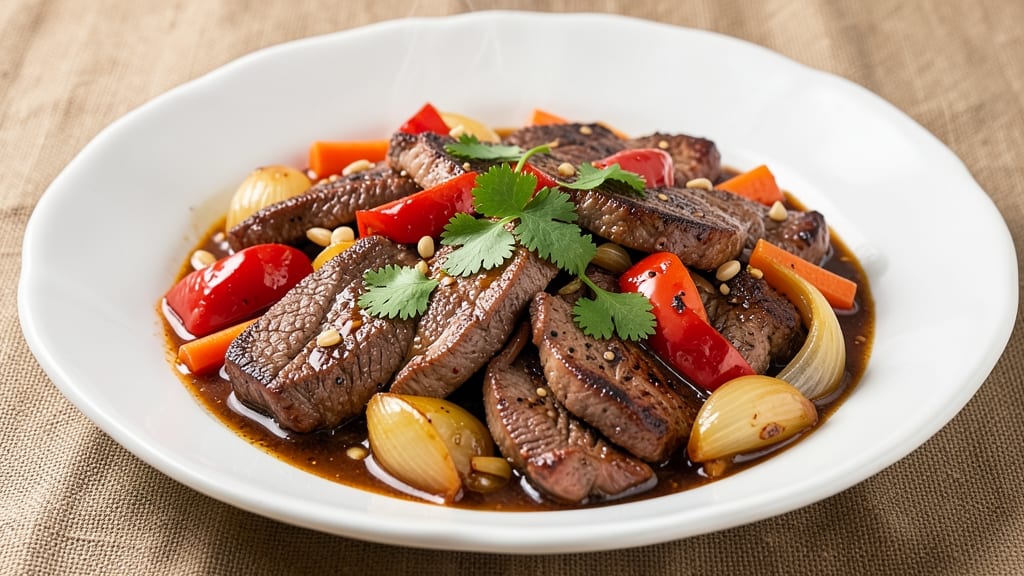
This beef and pork chop suey recipe brings the bold flavors of a classic Chinese-American stir-fry to your kitchen with restaurant-quality results. 🔥 I've refined this technique over years of perfecting wok hei—that signature smoky, charred flavor—while keeping it accessible for home cooks.
The secret lies in proper meat slicing, high-heat stir-frying, and a crispy soy-based sauce that clings to every bite.
What sets this recipe apart is the balance between traditional techniques and modern adaptations. We'll use thinly sliced beef and pork for quick cooking, combined with crisp vegetables and a savory sauce that's both authentic and approachable.
The key is working in batches to maintain high heat, ensuring tender meat and perfectly blistered vegetables every time. This method delivers that coveted wok hei flavor without requiring specialized equipment.
By the time you're done, you'll have a vibrant stir-fry with perfectly seared meat, crisp-tender vegetables, and a sauce that's rich yet balanced—sweet from soy sauce, umami from fermented bean paste, and a touch of heat from chili.
The texture contrast between the crispy meat and blistered vegetables makes each bite exciting. This dish is hearty enough for a family meal but elegant enough for dinner guests.
The beauty of chop suey lies in its versatility. Serve it over steamed rice for a classic presentation, or with noodles for a more modern twist. You can also double the sauce to use as a marinade for future meals.
Let's create this flavorful stir-fry that brings the energy of a bustling wok to your home kitchen.
Ingredients for beef and pork chop suey
Thinly sliced meats, crisp veggies, and a punchy soy sauce—this stir-fry delivers restaurant-quality wok hei in your kitchen.
| Ingredient | Amount | Notes |
|---|---|---|
| Flank Steak 🥩 | 1 lb | Thinly sliced against grain |
| Pork Shoulder 🐷 | 1 lb | Thinly sliced, trimmed of fat |
| Green Bell Pepper 🧅 | 1 whole | Sliced into thin strips |
| Yellow Onion 🧅 | 1 whole | Cut into thin wedges |
| Carrot 🥕 | 2 whole | Julienned into matchsticks |
| Garlic Cloves 🧄 | 6 cloves | Minced finely |
| Fresh Ginger 🌿 | 2 tbsp | Finely grated |
| Soy Sauce 🍶 | ½ cup | Light or all-purpose |
| Oyster Sauce 🍶 | 2 tbsp | Kikkoman preferred |
| Sesame Oil 🫒 | 1 tbsp | Toasted for aroma |
| Cornstarch 🌾 | 2 tbsp | For crispy coating |
| Vegetable Oil 🫒 | ½ cup | High smoke point |
| White Rice 🍚 | 2 cups | Uncooked, long-grain |
| Red Chili Flakes 🌶️ | 1 tsp | Adjust to taste |
| Salt 🧂 | 1 tsp | Kosher preferred |
| Black Pepper 🌶️ | ½ tsp | Freshly ground |
The meat is everything here. Flank steak and pork shoulder slice beautifully thin—ask your butcher to do it if you're not confident. Look for well-marbled cuts, and trim any big fat chunks. Costco or Whole Foods usually have pre-sliced stir-fry meat, but slicing yourself gives better texture. For the veggies, bell peppers should be firm with no soft spots, and carrots should snap when bent. Fresh ginger and garlic? The more aromatic, the better—Penzeys or your local Asian market has the good stuff.
No flank steak? Sirloin or ribeye work too, but slice against the grain for tenderness. Swap pork shoulder for pork loin if you prefer leaner meat. The soy sauce is non-negotiable—Kikkoman or Pearl River Bridge are my go-tos. For extra depth, add a splash of Shaoxing wine to the sauce. The cornstarch is key for that crispy texture—don't skip it. If you're short on time, pre-cut stir-fry veggie mixes from Trader Joe's save 15 minutes of chopping. And yes, the sesame oil goes in at the end for that signature aroma.
This stir-fry tastes even better the next day—make extra and store it in airtight containers for 3-4 days in the fridge. Freezes beautifully for 3 months if you portion it into single servings. Serve it over steamed rice (use a rice cooker for foolproof results) or noodles. The sauce gets thicker as it sits, so add a splash of water when reheating. Pro tip: Toast the rice in the wok for 30 seconds before adding the stir-fry—it picks up all the flavors.
Why You'll Love This Recipe
- One-Pan Magic: I swear by this recipe when I’m too tired to deal with multiple pans. Thinly sliced flank steak and pork shoulder hit the pan first, then the veggies—no chopping like a maniac. Ten minutes later, you’ve got a sizzling, saucy mess that’s way easier than it looks.
- Umami Bomb: That combo of beef and pork? Chef’s kiss. The pork shoulder stays tender while the flank steak adds a meaty depth, and the soy sauce, ginger, and garlic turn this into a flavor explosion. Honestly, the first time I made it, I ate a bowl straight from the pan.
- Leftover Goldmine: This recipe actually improves the next day. The flavors meld even better, and it reheats like a dream—perfect for lunches or freezing. I’ve fed my family for days with just one batch, and no one complains about the taste getting boring.
- Budget Powerhouse: Flank steak and pork shoulder stretch across multiple meals without breaking the bank. Add a few carrots and bell peppers, and you’ve got a filling, protein-packed dish that costs way less than takeout. Plus, the leftovers? Even better than the original.
Step-by-step instructions for wok-tossed beef and pork stir-fry
Here's how to create restaurant-quality chop suey with crispy edges and tender meat.
👨🍳 Step 1: Prep All Ingredients for Quick Cooking
Start by slicing the 1 lb flank steak and 1 lb pork shoulder against the grain into thin strips—about ¼-inch thick. Trim any excess fat from the pork shoulder first. For the vegetables, slice the 1 whole green bell pepper into thin strips, cut the 1 whole yellow onion into thin wedges, and julienne the 2 whole carrots into matchsticks. Mince the 6 cloves garlic finely and grate the 2 tbsp fresh ginger.
I always prep everything before turning on the heat—this keeps your cooking process smooth and prevents overcrowding the wok. Store the sliced meats and vegetables in separate bowls until ready to use. This also ensures even cooking and maximum crispiness.
🔥 Step 2: Cook the Rice to Perfection
Rinse the 2 cups white rice under cold water until the water runs clear, then drain well. In a pot, combine the rice with 2 cups water, 1 tsp salt, and 0.5 tsp black pepper. Bring to a boil, then reduce heat to low and simmer for 15 minutes covered. After 15 minutes, turn off the heat and let it sit covered for another 10 minutes—this steaming process ensures fluffy, separate grains.
Don't peek or stir the rice during cooking—this disrupts the steam and can make it gummy. The rice should be tender but still slightly firm with a slight bite. Once done, fluff with a fork and keep warm covered.
🍳 Step 3: Create the Crispy Meat Coating
In a small bowl, combine the sliced meats with 2 tbsp cornstarch, 0.5 cup soy sauce, 2 tbsp oyster sauce, and 1 tbsp sesame oil. Toss gently to coat evenly. Let this marinate for 10 minutes while you prepare the wok. This step creates the signature crispy texture and infuses the meat with flavor.
Real talk: The cornstarch is key here—it creates that satisfying crunch when stir-fried. Don't skip this marinating time, even if it feels like you're waiting too long. The longer the meat sits, the more flavor it absorbs.
🔥 Step 4: Stir-Fry the Vegetables and Meat
Heat 0.5 cup vegetable oil in a wok or large skillet over medium-high heat until shimmering. Add the prepared vegetables and stir-fry for 3-4 minutes until they begin to soften but still retain their crispness. Add the minced garlic and ginger, and cook for another 30 seconds until fragrant.
Push the vegetables to one side of the wok, add the marinated meat, and stir-fry for 4-5 minutes until the meat is cooked through and the edges are golden brown. Here's the thing—don't overcrowd the wok. Cook in batches if needed to maintain that perfect sear.
🥘 Step 5: Combine and Finish with Chili Flakes
Add the cooked rice to the wok and toss everything together for 2-3 minutes until well combined and heated through. Sprinkle with 1 tsp red chili flakes and toss once more to distribute evenly. The chili flakes add a subtle heat that balances the rich flavors of the soy and oyster sauces.
Taste and adjust seasoning if needed—you might want to add a splash more soy sauce for extra umami or a pinch more salt. Serve immediately while hot, garnished with extra sesame oil if desired. This dish tastes best straight from the wok, with those crispy edges and tender meat.
Pro Tips For Making Beef And Pork Chop Suey
- Sear the Meat First: I used to toss everything in the wok at once, but that’s how you end up with gray meat and sad veggies. Cut the flank steak and pork shoulder into thin strips, then sear them in batches over high heat with a splash of oil—just 2-3 minutes per side—until they’re browned and slightly crisp. This builds flavor that no amount of soy sauce can replace.
- Prep Veggies Uniformly: Chop the bell pepper, onion, and carrot into matchsticks—about ¼-inch thick and the same length. I learned this the hard way: uneven pieces mean some veggies get mushy while others stay crunchy. A sharp knife and a steady hand make this faster than you’d think, and it guarantees even cooking.
- Don’t Overcrowd the Wok: Resist the urge to dump everything in at once. Cook the meat in batches if needed, then add the veggies in stages—onion first, then bell pepper, then carrot—so they get that wok-hei (breath of the wok) without steaming. Overcrowding just turns your stir-fry into a sad, soggy mess.
- Finish with a Splash: After everything’s cooked, turn off the heat and add a tablespoon of oyster sauce (or extra soy sauce) plus a splash of Shaoxing wine or even dry sherry. Let it sit for 30 seconds—this mellows the flavors and keeps the dish from tasting flat. I was skeptical until I tried it.
Perfect pairings for beef and pork chop suey
Rice Pairings
Steamed jasmine rice is my go-to for this dish—its delicate floral notes complement the bold soy and oyster flavors beautifully. For extra texture, try black rice (also called forbidden rice) which adds visual drama with its deep purple hue.
I also love serving it over wild rice blend for added nuttiness and chew. 🍚
Noodle Alternatives
Swap rice for egg noodles or udon noodles for a more modern take. Cook the noodles al dente, then toss them with the stir-fry in the final step. For gluten-free options, use rice noodles> or shirataki noodles—just be sure to drain them well before combining.
I've had great success with Trader Joe's pre-cooked rice noodles for quick weeknight meals.
Side Dish Harmony
A simple steamed bok choy with garlic and sesame oil makes an excellent side—its crisp stems contrast perfectly with the tender stir-fry. For something heartier, serve with crispy fried wontons> or potstickers.
I often add a quick cucumber salad> with rice vinegar and chili oil to cut through the richness. 🥗
Sauce Variations
For a sweeter profile, add 1 tbsp hoisin sauce> to the stir-fry mixture. If you prefer tangier, mix in 1 tsp rice vinegar> with the sesame oil at the end.
My favorite upgrade is a drizzle of chili crisp> (like Lao Gan Ma) for that perfect balance of heat and umami. These adjustments work beautifully with the existing recipe.
Drink Pairings
A crisp green tea> like Jasmine Pearl> cleanses the palate between bites. For something stronger, I recommend a dry Sauvignon Blanc> from New Zealand—its citrus notes complement the soy sauce beautifully. If you prefer beer, a light lager> like Asahi> works perfectly. 🍷
Garnish Finishing
Fresh cilantro> or green onions> add brightness and color. For an extra touch, sprinkle with toasted sesame seeds> or crushed peanuts> for crunch. I love finishing with a few drops of white truffle oil> for a gourmet twist—just a tiny amount goes a long way.
These garnishes elevate the dish without overpowering the main flavors.
Nutrition facts
Frequently asked questions
Can I use frozen beef and pork for chop suey?
Thaw the meat completely in the refrigerator overnight for best results. The key is to pat it completely dry before slicing and marinating. Frozen meat can release moisture, which affects the crispy texture, so extra drying time helps. Avoid thawing at room temperature—this can promote bacterial growth.
What's the difference between chop suey and beef and pork stir-fry?
Chop suey traditionally includes multiple proteins (like beef, pork, shrimp, and sometimes chicken) mixed with vegetables in a thickened sauce. This recipe focuses specifically on beef and pork for a more streamlined flavor profile while keeping that signature crispy texture. The sauce is lighter than classic chop suey but still packed with umami from soy and oyster sauces.
How do I get that crispy texture without a wok?
No wok? No problem! Use a large skillet or cast iron pan with high heat. The secret is working in small batches—don't overcrowd the pan. A 12-inch cast iron works perfectly. Also, keep your oil hot (around 350°F) and stir constantly. The cornstarch coating is what creates the crispiness, so make sure your meat is well-coated before cooking.
Can I make this recipe gluten-free?
Yes! Swap regular soy sauce for tamari or coconut aminos (both gluten-free). Use gluten-free oyster sauce if needed—look for brands like San-J Tamari. The cornstarch can also be replaced with arrowroot powder for a similar crispy effect. Just be mindful that some oyster sauces contain wheat, so always check labels.
What's the best way to reheat leftover chop suey?
Reheat in a skillet over medium heat with a splash of water or broth to prevent drying out. Stir frequently for 3-4 minutes until everything is hot through. For extra crispiness, add a tiny bit of oil to the pan. Microwaving works too, but you'll lose that wok-hei flavor—best for quick reheats when you're in a hurry. Store leftovers in airtight containers for 3-4 days in the fridge.