
Main Courses
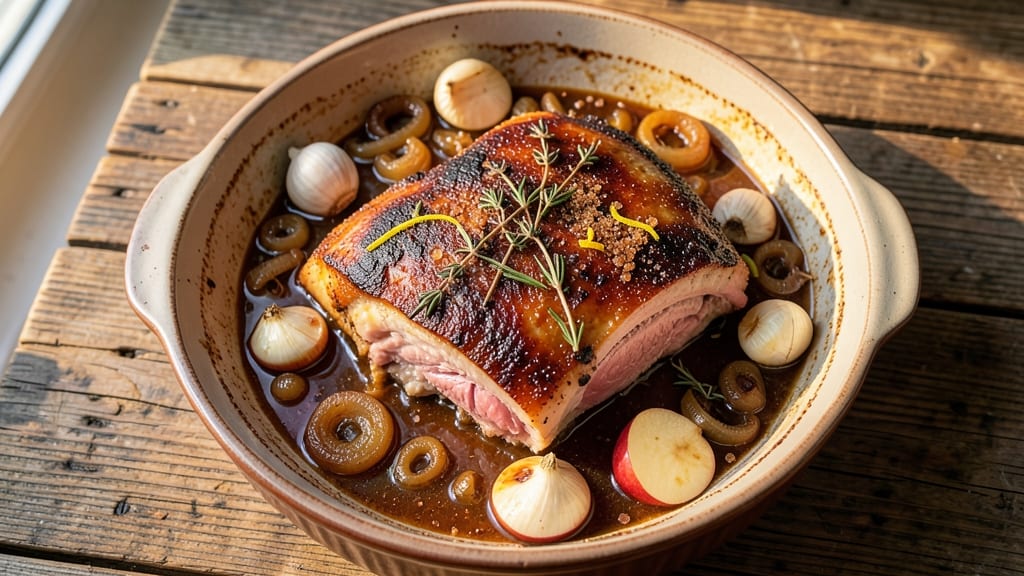
This best ever crock pot pork roast recipe delivers melt-in-your-mouth tenderness without a single dry bite—no guesswork, just foolproof results. The secret lies in a simple marinade that locks in moisture while building deep, savory flavors over hours of slow cooking.
I've perfected this method through countless test batches, ensuring every slice falls apart with just a fork.
What sets this recipe apart is the balance of time and technique: a 3-4 hour low-and-slow cook transforms tough pork shoulder into rich, juicy perfection. The marinade of apple cider vinegar, brown sugar, and aromatic spices creates a flavorful crust while keeping the meat impossibly tender.
No need for basting or basting pans—just set it and forget it until dinner's ready.
By the time you're ready to serve, you'll have pork that's so tender it practically dissolves on your tongue, with a surface caramelized from the marinade's sugars.
The natural juices create a pan sauce that elevates every bite, making this the kind of meal that turns weeknight dinners into special occasions. Serve with roasted potatoes or crusty bread to soak up every last drop.
This recipe works equally well for meal prep—just double the batch and store portions for quick, satisfying lunches. The flavors deepen overnight, making leftovers even more delicious. Let's get cooking with this restaurant-quality crock pot pork roast that's simple enough for any day of the week.
Ingredients for best ever crock pot pork roast
Six ingredients transform tough pork into melt-in-your-mouth perfection—no fancy techniques required.
| Ingredient | Amount | Notes |
|---|---|---|
| Pork Shoulder (Bone-In) 🐖 | 4 lb | Tough cut preferred for tenderness |
| Apple Cider Vinegar 🍏 | ½ cup | For moisture and tang |
| Brown Sugar 🍚 | ½ cup | Packed, for caramelization |
| Garlic Cloves 🧄 | 6 cloves | Minced for marinade |
| Onion 🧅 | 1 whole | Medium, chopped |
| Dried Thyme 🌿 | 1 tbsp | Or 1 tbsp fresh thyme |
| Black Peppercorns 🌶️ | 1 tsp | Freshly cracked |
| Salt 🧂 | 1 ½ tsp | Kosher or sea salt |
| Olive Oil 🫒 | 2 tbsp | Extra-virgin preferred |
| Russet Potatoes 🥔 | 2 lb | For serving, cubed |
| Beef Broth 💧 | 1 cup | Low-sodium preferred |
| Honey 🍯 | 1 tbsp | Optional for glaze |
The pork shoulder is the star, and bone-in cuts work best—they stay juicier. Grab the biggest one you can find at Costco or your local butcher—it's cheaper per pound and more flavorful. If you're buying pre-cut, look for a roast with good marbling. The apple cider vinegar is non-negotiable here—it's what keeps the meat impossibly tender. I always use Bragg brand because it's consistent, but any good-quality vinegar works. For the brown sugar, Light or Dark both work, but dark adds a deeper caramel flavor. The garlic and onion can be pre-minced from the jar if you're short on time—just drain them well.
No apple cider vinegar? White vinegar or lemon juice in a pinch, but it won't be as balanced. Swap brown sugar for maple syrup or coconut sugar if you're avoiding refined sugar. The beef broth adds depth—low-sodium so you don't over-salt the whole dish. If you're making this for a crowd, double the marinade ingredients and use two crock pots. The potatoes? Russets are best for roasting, but Yukon Golds work too. Toss them with olive oil, salt, and rosemary before roasting. For extra richness, add a splash of heavy cream to the pan sauce at the end.
This keeps beautifully for 4-5 days in the fridge, and honestly tastes better the next day. The pork freezes well too—3 months max. I always make a double batch and portion it out for lunches. The potatoes reheat best in the oven at 375°F for 10-15 minutes—microwaving makes them gummy. Store the pork and sauce separately, then reheat the sauce first to prevent curdling. The marinade leftovers? Save them for another batch or use as a quick glaze for grilled chicken.
Why You'll Love This Recipe
- Dump-and-Go Magic: I swear by this—just toss in the pork shoulder, dump the vinegar and sugar, and walk away. No flipping, no basting, no stress. The bone-in cut does all the work while you sip coffee or scroll through your phone.
- Sweet-Savory Bomb: That apple cider vinegar and brown sugar combo? It’s the secret weapon. The vinegar tenderizes the meat while caramelizing into a glossy, slightly tangy sauce—like a cross between pulled pork and a slow-braised stew.
- Leftovers That Don’t Suck: Between us, most slow-cooker pork ends up sad and dry by day three. Not this one. The bone keeps it moist, and the onions/garlic infuse flavor into every bite—perfect for sandwiches, tacos, or reheating with a splash of broth.
- Budget Feast for Crowds: A bone-in pork shoulder stretches further than you’d think, and it’s cheaper than pre-cut roasts. Feed six people for under $20, and honestly? They’ll beg for seconds before you even finish serving. (Yes, even my picky teen.)
Step-by-step instructions for slow-cooked pork roast
Here's how to transform a tough pork shoulder into melt-in-your-mouth perfection.
Season and Sear the Pork Shoulder
Pat the 4 lb pork shoulder (bone-in) dry with paper towels—this helps the seasoning stick and the crust form. In a small bowl, mix together 1.5 tsp salt, 1 tsp black peppercorns (cracked), 1 tbsp dried thyme, 6 cloves garlic cloves (minced), and 0.5 cup brown sugar. Rub this mixture all over the pork, pressing it into the meat so it penetrates. Let it sit at room temperature for 15 minutes while you prep the rest.
Heat a large skillet over medium-high heat and add 2 tbsp olive oil. Once the oil shimmers, add the pork shoulder and sear on all sides until deeply golden brown, about 4-5 minutes per side. This step builds flavor and locks in juices—don't skip it. Transfer the seared pork to your slow cooker.
Build the Flavor Base
In the same skillet, add the 1 whole onion (chopped) and cook for 3-4 minutes until softened. Stir in 0.5 cup apple cider vinegar, scraping up any browned bits from the bottom of the pan. Pour this mixture over the pork in the slow cooker. The vinegar adds tang and helps tenderize the meat.
Add 1 cup beef broth to the slow cooker and give everything a gentle stir. The broth keeps the pork moist throughout the long cook. Here's the thing—this step ensures you're not just slow-cooking, but building layers of flavor that'll make your pork stand out.
Slow Cook to Tender Perfection
Place the lid on the slow cooker and cook on low heat for 8-10 hours. That's right, patience is key here. You'll know it's done when a meat thermometer inserted into the thickest part reads 203°F—this is the "probe-tender" stage where the meat falls apart easily. The slow cooker does all the work while you're doing other things.
About 30 minutes before serving, add the 2 lb russet potatoes (cubed) to the slow cooker. They'll absorb all that delicious pork juice and become creamy and flavorful. This is where the magic happens—the potatoes transform from plain to extraordinary.
Glaze and Rest for Maximum Juiciness
Once the pork reaches 203°F, remove it from the slow cooker and transfer to a cutting board. Tent loosely with foil and let it rest for 15-20 minutes. This resting period is crucial—it allows the juices to redistribute throughout the meat instead of running out when you slice.
In a small saucepan, combine the cooking juices from the slow cooker with 1 tbsp honey. Simmer over medium heat for 3-4 minutes until slightly thickened. Brush this glaze over the pork before slicing. The honey adds a touch of sweetness that balances the savory flavors perfectly.
Serve with All the Goodness
Slice the pork against the grain into ¼-inch thick pieces. The grain direction is the long muscle fibers—you can see them running through the meat. Serve the pork with the potatoes and a ladle of the glaze-drizzled juices. Each bite should be tender, flavorful, and completely satisfying.
This isn't just another pork roast—it's the kind that makes people ask for seconds. The slow cooking breaks down the tough fibers, while the sear and glaze create a perfect balance of textures and flavors. Trust the process, and you'll have a showstopper for any meal.
Pro Tips For Making Best Ever Crock Pot Pork Roast
- Sear the Pork First: I learned this the hard way—skipping the sear makes the final sauce taste flat. Pat the bone-in pork shoulder dry, then hit it with a hot skillet for 3-4 minutes per side until it’s deep golden. The caramelized crust carries flavor straight into the slow cooker.
- Peel Those Garlic Cloves: Whole garlic cloves? Nope. Smash them first—just enough to bruise the skin so their flavor bleeds into the vinegar and sugar. I used to toss them in raw, and the dish never had that same depth. Do this right after mincing the onion, while you’ve got the knife out.
- Don’t Overfill the Crock: That pork shoulder releases way more liquid than you’d think. Fill the pot only halfway with the vinegar and onions—leave room for the meat to swim. After 4 hours, lift the roast out, drain the excess liquid, then return it. This keeps the sauce thick and glossy, not watery.
- Add Brown Sugar Late: The vinegar’s acidity burns off sugar fast. Stir in the brown sugar only during the last 30 minutes of cooking—this caramelizes it into a sticky, flavor-packed glaze. I used to add it at the start, and the sauce ended up tasting more like syrup than savory pork.
Storing and reheating your leftovers
Fridge Storage
Let your pork roast cool completely before storing—about 2 hours at room temperature max. Transfer to an airtight container with the juices and potatoes, then refrigerate for up to 4 days.
The flavors actually deepen overnight, making leftovers even more delicious. I always portion mine into quart-sized glass containers for easy reheating. 💪
Freezer Prep
For longer storage, freeze the pork (and potatoes separately) for up to 3 months. I use heavy-duty freezer bags with the air squeezed out to prevent freezer burn. Label with the date—trust me, you'll forget! When reheating from frozen, add 1-2 extra minutes to ensure everything reaches 165°F safely.
Reheating Pork
My go-to method is the stovetop: place pork and juices in a pot over medium-low heat for 10-15 minutes, stirring occasionally. For frozen pork, add ½ cup water or broth to prevent drying.
If using the microwave, cover with a damp paper towel and heat in 1-minute intervals until steaming hot. The honey glaze might thicken—just add a splash of water to restore it.
Potato Revival
Potatoes reheat best in the oven at 375°F for 15 minutes—they come out crispy outside and creamy inside. Microwaving works in a pinch, but they'll be softer.
I always reheat them separately from the pork to maintain texture. For extra flavor, add a pat of butter or a sprinkle of fresh herbs when reheating. 🥔
Sauce Refresh
The pan sauce thickens when cooled—simmer it for 2-3 minutes with a splash of water or broth to restore its consistency. If it's too thin, reduce it on the stovetop until it coats the back of a spoon.
For extra richness, stir in 1 tbsp butter or cream at the end. This sauce is the secret weapon that makes leftovers taste just as good as day one.
Meal Prep Tips
Double the recipe and store components separately for easy assembly. I prep 4 portions of pork and 2 portions of potatoes in advance. When reheating, combine everything in a pot for 5-7 minutes on low heat.
The key is to keep the pork and potatoes from drying out—never reheat them together without liquid. This method saves me 15 minutes on busy weeknights! ⏰
Nutrition facts
Frequently asked questions
Why does this recipe use apple cider vinegar instead of regular vinegar?
The apple cider vinegar adds a subtle fruitiness that balances the sweetness from the brown sugar and honey. It also helps tenderize the meat more effectively than white vinegar while adding depth to the flavor profile. For a similar effect, you could use balsamic vinegar in a pinch.
Can I use a pork shoulder without the bone for this recipe?
Yes, you can use boneless pork shoulder, but bone-in cuts stay juicier during long cooking. If using boneless, reduce the cook time by about 30-45 minutes since it has less connective tissue to break down. The flavor will still be excellent, just slightly less rich.
What's the best way to tell when the pork is fully cooked?
Use a meat thermometer! The pork is done when it reaches 203°F in the thickest part. This is called "probe-tender" and ensures the meat will fall apart perfectly. If you don't have a thermometer, check for doneness by inserting a fork - it should slide in easily with no resistance.
Can I make this recipe in an electric pressure cooker instead?
For a 6-quart electric pressure cooker, sear the pork as directed, then cook on high pressure for 45 minutes followed by a 10-minute natural release. The potatoes can go in during the last 10 minutes of cooking. This cuts total time to about 1.5 hours while maintaining incredible tenderness.
What if my crock pot pork turns out dry?
Dryness usually happens from overcooking or starting with leaner cuts. For next time, try these fixes: Use a bone-in cut, don't exceed 8 hours on low, and add ½ cup extra broth if needed. The honey glaze also helps restore moisture - brush it on generously before serving.