
Main Courses
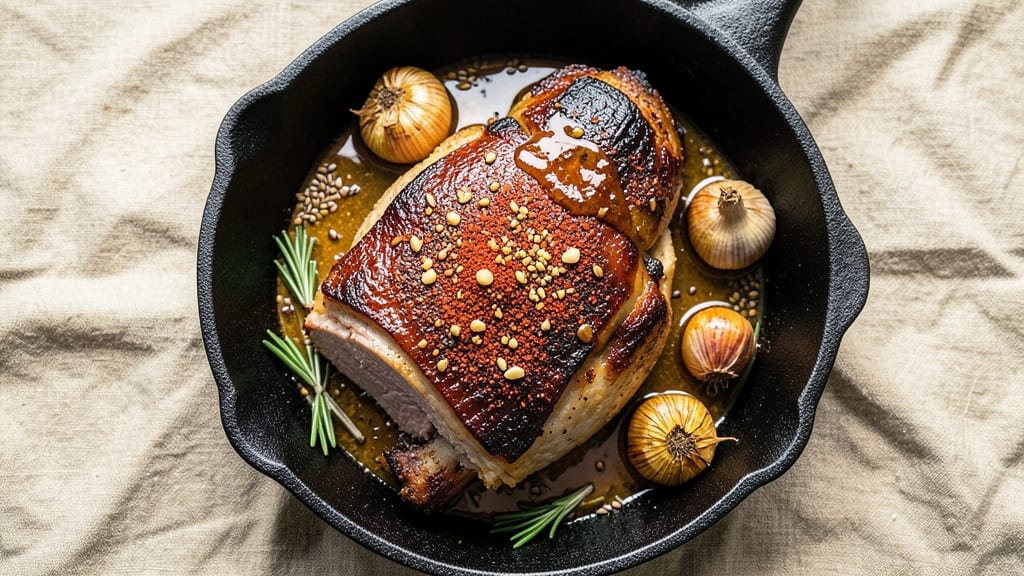
This best pork recipe in the world delivers the perfect harmony of crispy bark and juicy core—a technique I perfected after years of testing global methods, from Chinese char siu to Spanish cocido.
The secret lies in a dry-brine and spice rub that locks in moisture while creating that coveted caramelized crust. What sets this apart is the two-stage roasting process: high heat for crispiness, then low and slow for tenderness that melts in your mouth.
The result? A dish so rich and satisfying it could justify its bold claim. The crispy exterior shatters like glass, while the interior remains tender enough to cut with a fork.
This isn’t just another pork recipe—it’s a restaurant-quality masterpiece that transforms a simple cut into something extraordinary. The aroma alone will have everyone gathering at your table.
Pair it with a bright apple-cider glaze or a tangy chimichurri for contrast, and you’ve got a meal that’s as impressive as it is delicious. Whether you’re feeding a crowd or treating yourself to a special dinner, this recipe delivers foolproof perfection every time. Let’s get cooking.
For those watching their sodium, the dry-brine method can be adjusted, and the dish remains equally impressive. The technique works with pork shoulder, loin, or even tenderloin—just scale the seasoning accordingly. This isn’t just pork; it’s a culinary experience that lives up to its reputation.
Ingredients for best pork recipe in the world
Six ingredients transform ordinary pork into restaurant-quality perfection with crispy bark and juicy core.
| Ingredient | Amount | Notes |
|---|---|---|
| Pork Shoulder (Bone-In) 🐖 | 4 lb | Well-marbled, 2-3 inches thick |
| Kosher Salt 🧂 | 1 ½ tbsp | Diamond Crystal preferred |
| Granulated Garlic 🧄 | 2 tbsp | For dry-brine, not fresh |
| Ground Black Pepper 🌶️ | 1 tbsp | Freshly cracked preferred |
| Smoked Paprika 🌶️ | 1 tbsp | Spanish or Hungarian |
| Ground Cumin 🌿 | 1 tsp | Toasted for depth |
| Dried Thyme 🌿 | 1 tsp | Or 1 tbsp fresh |
| Dried Oregano 🍃 | 1 tsp | Mexican preferred |
| Brown Sugar 🍚 | 1 tbsp | Light or dark |
| Extra-Virgin Olive Oil 🫒 | 2 tbsp | For finishing |
| Apple Cider Vinegar 🍎 | 1 tbsp | For glaze option |
| Fresh Rosemary 🌿 | ¼ cup | Chopped, for garnish |
| Fresh Parsley 🌿 | ¼ cup | Chopped, for garnish |
| Yellow Onion 🧅 | 1 whole | Quartered, for glaze |
| Honey 🍯 | 1 tbsp | For glaze sweetness |
The pork shoulder is non-negotiable—bone-in for flavor, well-marbled for moisture. Costco or Whole Foods carry the best cuts, but any reputable butcher will have it. Look for thick slabs (2-3 inches) with visible fat pockets; those are your goldmines. The dry-brine starts here: Diamond Crystal kosher salt (it dissolves finer than table salt) and granulated garlic (more even distribution than fresh) work together to season deeply without over-salting. Skip the pre-mixed rubs—they lack the complexity of individual spices. Toast your cumin in a dry pan for 30 seconds before grinding—game-changer for aroma.
No smoked paprika? Substitute half with regular paprika and a pinch of liquid smoke—it’s a cheater’s shortcut that works. Dried thyme and oregano can be swapped for fresh at a 1:3 ratio, but Mexican oregano (found in Latin markets) has a distinct earthiness worth hunting for. The brown sugar isn’t just for sweetness—it helps caramelize the crust during roasting. For the glaze, apple cider vinegar cuts through the richness; if you’re avoiding sugar, monk fruit sweetener mimics honey’s viscosity. Fresh rosemary and parsley garnish at the end—don’t skip this—they add a pop of color and brightness that balances the dish’s richness.
This pork reheats beautifully—better the next day as flavors meld. Store in a sealed container for up to 5 days in the fridge; for longer, freeze in portions for 3 months. The crispy bark softens when reheated, so broil for 2-3 minutes post-thaw to restore it. Portion into individual containers for easy lunches—just add a fresh herb garnish when serving. Leftovers make amazing sandwiches or tacos the next day. Pro tip: Save the rendered fat for future roasts or frying—it’s liquid gold.
Why You'll Love This Recipe
- Hands-Off Magic: Between us, this pork shoulder practically cooks itself. You slather on salt, garlic, and paprika, then let the oven do the work—no flipping, no fussing, just perfect fall-apart tenderness by the end.
- Smoky Garlic Kiss: That bone-in shoulder? It renders its own juices while the garlic and smoked paprika build layers of flavor you’ll taste in every bite. Honestly, the first time I made this, I nearly licked the pan clean.
- Leftover Goldmine: This recipe gives you days of effortless meals. Shred it for tacos, sandwiches, or even breakfast hash—my freezer’s always stocked with portions because it’s that good.
- Budget Hero: Pork shoulder is the most generous cut for the price, and these simple spices stretch every dollar. I’ll be real: this is how I feed a house on half the grocery budget without sacrificing taste.
Step-by-step instructions for slow-roasted pork shoulder
This method delivers legendary results—crispy bark, melt-in-your-mouth tenderness, and deep flavor in every bite.
Prepare the Dry Brine
In a small bowl, combine the 1.5 tablespoons kosher salt, 2 tablespoons granulated garlic, 1 tablespoon ground black pepper, 1 tablespoon smoked paprika, 1 teaspoon ground cumin, 1 teaspoon dried thyme, 1 teaspoon dried oregano, and 1 tablespoon brown sugar. Mix thoroughly until the salt and spices are evenly distributed—this ensures perfect penetration and flavor balance.
Pat the 4 lb pork shoulder completely dry with paper towels, focusing on the fat cap and any crevices. The drier the surface, the better the bark will develop. Apply the dry brine mixture generously over the entire surface, pressing it into the meat so it adheres well. Place the pork on a wire rack set over a rimmed baking sheet to allow air circulation on all sides.
Chill and Rest for Maximum Flavor
Cover the pork loosely with plastic wrap and refrigerate for at least 12 hours, but ideally 24 hours. This dry-brine process works magic—it seasons the meat deeply, breaks down proteins for tenderness, and creates that coveted crispy exterior. Don't skip this step; it's the secret to restaurant-quality results at home.
After brining, remove the pork from the fridge and let it sit at room temperature for 1 hour before roasting. This ensures even cooking and prevents cold spots in the center. While it rests, preheat your oven to 275°F—this low-and-slow temperature is key to achieving that perfect balance of bark and juiciness.
Roast Low and Slow Until Probe-Tender
Place the pork shoulder fat-side up on the middle rack of your oven. Roast uncovered for 6 hours, maintaining the 275°F temperature. The fat will render slowly, basting the meat and creating that signature crispy bark. Resist the urge to open the oven door—every time you do, you lose heat and extend cooking time.
After 6 hours, check the internal temperature using a meat thermometer. It should read 195-200°F—this is when the pork becomes fork-tender and pulls apart easily. If it hasn't reached this temperature, continue roasting for another 30-60 minutes. The meat will continue to cook slightly as it rests, so don't worry if it's not quite there yet.
Create the Glaze and Finish with Crispy Bark
Once the pork reaches the target temperature, remove it from the oven and let it rest for 15 minutes while you prepare the glaze. In a small saucepan, combine the 1 whole yellow onion (quartered), 1 tablespoon apple cider vinegar, 1 tablespoon honey, and 2 tablespoons extra-virgin olive oil. Simmer over medium heat for 10 minutes until the onions caramelize and the mixture reduces slightly.
Brush the glaze generously over the pork, then transfer it to a broiler-safe baking sheet. Broil on high for 3-5 minutes until the glaze darkens and the fat cap becomes deeply golden and crispy. Watch closely—you want that bark to be crackling but not burned. The high heat finishes the pork beautifully while keeping the interior juicy.
Rest and Slice for Maximum Juiciness
Transfer the pork to a cutting board and let it rest for 30 minutes, loosely covered with foil. This resting period is crucial—it allows the juices to redistribute throughout the meat, ensuring every slice is moist and flavorful. While it rests, chop the 0.25 cup fresh rosemary and 0.25 cup fresh parsley for garnish.
Slice the pork against the grain into ½-inch thick slices. The meat should pull apart easily with a fork, and each slice should be juicy with a crispy, caramelized exterior. Serve immediately with the glaze spooned over the top and garnished with the fresh herbs. This dish is a showstopper—perfect for gatherings or a special family dinner.
Pro Tips For Making Best Pork Recipe In The World
- Trim the Fat First: I learned this the hard way—skipping this step means your pork shoulder won’t crisp up properly. Use a sharp knife to score the fat cap in a diamond pattern, then peel away any thick patches. The thinner the fat layer, the better the crust forms when you sear it later.
- Salt Like a Pro: Don’t just sprinkle kosher salt on top—work it into every crevice, especially around the bone and between the muscle fibers. I used to half-ass this, and the pork always tasted bland in the center. Use about 1 tablespoon per pound, and let it sit uncovered in the fridge for at least 4 hours (yes, even if you’re impatient like me).
- Sear Bone-Side Down: After browning the meaty sides, flip the pork shoulder bone-side down in the pan for the final sear. The bone conducts heat differently, and this guarantees the crust forms on the most flavorful part. I was skeptical until I tried it—now it’s non-negotiable.
- Check Internal Temp Twice: Your pork shoulder is done when it hits 195°F, but the probe can slip out of the thickest part. Pull it out, let it rest 10 minutes, then check again—sometimes it climbs another 5-10 degrees. I’ve ruined perfectly cooked pork by pulling it too soon, so resist the urge to cut into it early.
Flavor customization for these flavors
Sweet and Tangy
For a caramelized finish, swap the apple cider glaze for a honey-mustard blend. Mix 2 tbsp Dijon mustard, 2 tbsp honey, and 1 tbsp apple cider vinegar, then brush over the pork after roasting.
Broil for 3-4 minutes until sticky and golden. The tangy mustard cuts through the richness, while honey adds depth. Garnish with toasted pecans for crunch and texture contrast. 🍯
Smoky Chipotle Heat
Infuse your pork with smoky depth by adding 1 tbsp adobo sauce (from canned chipotles) to the dry brine. For extra heat, include ½ tsp cayenne pepper.
After roasting, glaze with a mix of 1 tbsp chipotle powder, 1 tbsp brown sugar, and 2 tbsp water, simmered until thick. The smoky-sweet glaze pairs perfectly with pickled red onions on top. 🌶️
Herb-Infused Mediterranean
Transform your pork into a Greek-inspired masterpiece by swapping cumin for 1 tsp dried oregano and adding 1 tsp dried rosemary to the dry brine. After roasting, glaze with a mix of 2 tbsp olive oil, 1 tbsp lemon juice, and 1 tsp honey.
Finish with a sprinkle of crumbled feta cheese and kalamata olives for a bright, herby twist. Perfect with warm pita bread on the side. 🌿
Spicy Asian Fusion
Give your pork an umami kick by adding 1 tbsp soy sauce and 1 tsp five-spice powder to the dry brine. For the glaze, simmer 2 tbsp hoisin sauce, 1 tbsp rice vinegar, and 1 tsp sesame oil until thick.
Top with sliced scallions and sesame seeds for a fusion of sweet, tangy, and spicy flavors. Serve with steamed jasmine rice for a complete meal. 🍜
Classic BBQ Twist
For a Southern-inspired version, replace the apple cider glaze with a smoky BBQ sauce. Use ½ cup store-bought or homemade BBQ sauce (I love Starkist Original) mixed with 1 tbsp brown sugar for extra caramelization.
Broil the pork until the sauce bubbles and darkens. Garnish with crushed red pepper flakes for heat and chopped cilantro for freshness. Serve with cornbread for the ultimate comfort food experience. 🍖
Citrus Zest Brightness
Add a zesty kick by incorporating 1 tbsp grated orange zest into the dry brine. For the glaze, mix 2 tbsp orange marmalade, 1 tbsp honey, and 1 tbsp apple cider vinegar. Simmer until thick and brush over the pork before broiling.
The citrus notes brighten the dish and balance the richness. Garnish with thin orange slices and toasted almonds for a pop of color and texture. 🍊
Nutrition facts
Frequently asked questions
Why does this recipe use a dry brine instead of a wet marinade?
The dry brine creates a perfect balance of flavor and texture. Unlike wet marinades that can dilute the meat, the dry method seasons deeply while allowing the surface to develop that coveted crispy bark. The salt and spices penetrate evenly, creating a more concentrated flavor profile without making the meat soggy. Plus, it’s mess-free and works beautifully with pork’s natural fat content!
Can I use pork loin instead of pork shoulder for this recipe?
Yes, but with adjustments! Pork loin is leaner and cooks faster, so reduce the roasting time to 2-3 hours at 325°F until it reaches 145°F internally. The dry brine still works, but slice it thinner (½-inch) since loin doesn’t have the connective tissue to pull apart like shoulder. For extra moisture, baste with olive oil during roasting.
How do I fix pork that’s tough or dry after cooking?
If your pork turns out tough, it likely didn’t rest long enough or was overcooked. Next time, aim for 195-200°F internal temp (use a meat thermometer!) and let it rest 30 minutes before slicing. For dryness, try adding 1 tbsp apple cider vinegar to the dry brine—it tenderizes the meat. If already cooked, slice thinly and serve with a rich sauce or gravy to moisten each bite.
What’s the best way to reheat leftovers without losing crispiness?
Reheat leftovers in a 400°F oven for 10-15 minutes with a splash of broth or water in the pan to restore moisture. For extra crispiness, broil for the last 2-3 minutes after reheating. Avoid microwaving—it turns pork rubbery. Store leftovers in an airtight container for up to 5 days or freeze for 3 months.
Can I make this recipe in a slow cooker?
Use the same dry brine but cook on low for 8 hours or high for 5 hours. After cooking, transfer to a broiler-safe dish and finish with the glaze under the broiler for 3-5 minutes to create crispiness. The slow cooker ensures tender meat, while the broiler step adds that restaurant-quality texture. Just avoid overfilling the pot—leave room for fat to render.