
Main Courses
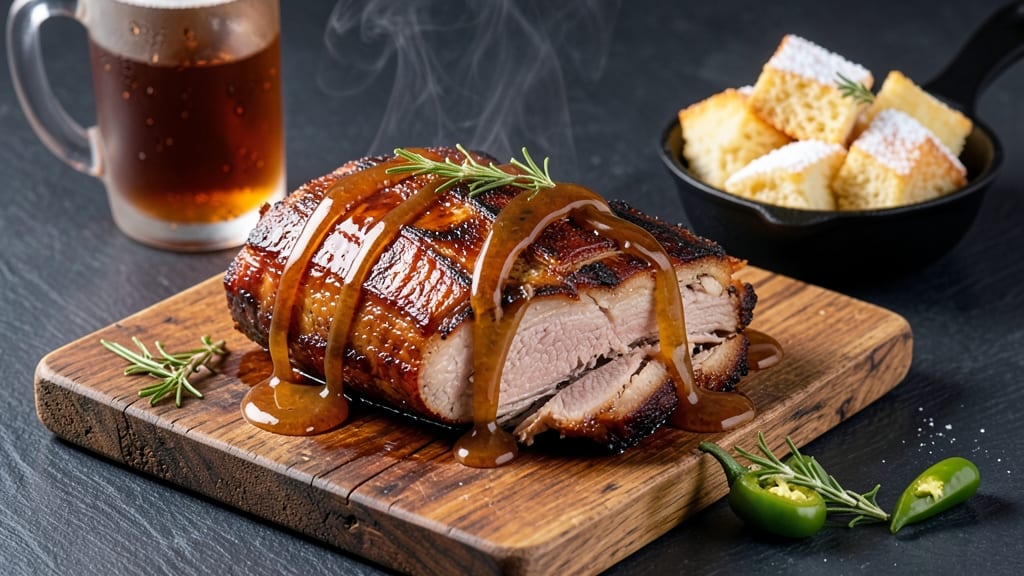
This best smoked pork shoulder recipe ever delivers the perfect balance of crispy bark and juicy, tender meat—the kind that makes your whole house smell like a Southern BBQ joint. 🔥 After years of experimenting with wood types, rubs, and smoking techniques, I’ve finally cracked the code for restaurant-quality results at home.
The secret? A two-stage cook that ensures both texture and flavor excellence.
The process starts with a simple dry rub—no fancy marinades or complicated brines—just bold spices that create a flavorful crust while keeping the meat moist.
We smoke the pork low and slow at 225°F for 10-12 hours, using a mix of hickory and applewood for that classic smoky-sweet balance.
The real magic happens when we wrap it in butcher paper during the last hour to lock in juices and build that crispy, crackling bark you crave.
By the time you pull it off the smoker, you’ll have fall-apart tender meat with a crispy exterior that shatters at every bite. The internal temp should hit 195-203°F, ensuring it’s safe and perfectly juicy.
Resting it for at least 30 minutes before slicing is non-negotiable—this is where the flavors meld and the meat becomes melt-in-your-mouth perfection. Serve it on buns with coleslaw or alongside cornbread for the ultimate comfort meal.
What makes this recipe truly special is the foolproof technique that guarantees success, even for beginners. No guesswork, no overcooking—just consistent, mouthwatering results every time. Whether you’re feeding a crowd or treating yourself to a solo feast, this is the pork shoulder recipe you’ll make again and again.
Let’s get started!
Ingredients for best smoked pork shoulder recipe ever
Six ingredients for the rub, two woods for the smoke, one pork shoulder for legendary results.
| Ingredient | Amount | Notes |
|---|---|---|
| Bone-In Pork Shoulder 🐖 | 10 lb | Well-marbled, 3-4 inches thick |
| Yellow Mustard 🍯 | ½ cup | For sticky base layer |
| Brown Sugar 🍚 | ½ cup | Packed firmly |
| Smoked Paprika 🌶️ | 2 tbsp | High-quality, not sweet |
| Ground Black Pepper 🌶️ | 1 ½ tbsp | Freshly cracked |
| Kosher Salt 🧂 | 1 ½ tbsp | Diamond Crystal preferred |
| Garlic Powder 🧄 | 1 tbsp | Freshly ground |
| Onion Powder 🧅 | 1 tbsp | No added salt |
| Ground Cumin 🌿 | 1 tsp | Toasted for depth |
| Hickory Wood Chips 🌳 | 2 lb | Soaked for 1 hour |
| Applewood Wood Chips 🍎 | 1 lb | Soaked for 1 hour |
| Butcher Paper 📄 | 1 sheet | Unbleached, 18x24 inches |
| Yellow Cornmeal 🌽 | ¼ cup | For final dusting |
The pork shoulder is non-negotiable—bone-in, well-marbled cuts like the picnic-style shoulder from Costco or your local butcher shop deliver the best texture. Look for thick slabs with visible fat marbling—this is what gives you that melt-in-your-mouth tenderness. If you're buying from a grocery store, Kroger's pre-cut pork shoulders are surprisingly good, but nothing beats the butcher counter. The rub ingredients? Penzeys or McCormick for spices, and make sure your brown sugar is packed—not aerated. The wood chips should be 100% natural, no additives—Traeger or Cookshack brands are reliable.
No hickory chips? Oak works in a pinch, but you'll lose that signature smoky depth. Running short on butcher paper? Heavy-duty aluminum foil is a backup, though it won't crisp as dramatically. The yellow mustard creates that iconic sticky bark—French's is my go-to, but any good-quality yellow mustard works. For the cornmeal, Bob's Red Mill is my favorite, but any stone-ground variety will do. Pro tip: Toast your cumin seeds before grinding for a nutty depth—just dry-toast in a skillet for 2 minutes until fragrant. And if you're smoking a smaller cut? Double the rub and apply it generously—this isn't the time to be shy.
Store your pork shoulder uncovered in the fridge for up to 2 days before smoking to let it dry out slightly—this helps the bark crisp. The rub will keep in an airtight container for 3 months, though I make fresh batches every time because the spices lose their punch. Leftover smoked pork? Vacuum seal and freeze for 3 months—it's even better reheated. And that crispy bark? Save the scraps—they make killer sandwiches the next day.
Why You'll Love This Recipe
- Sweet-Smoky Magic: That combo of brown sugar and smoked paprika? It’s like a hug for your taste buds—caramelized edges but tender inside, with a deep, woodsy flavor that sticks with you. Honestly, the mustard ties it all together without overpowering.
- Tailgate to Tuesday: Between us, this cuts the mustard for everything—game day spreads, lazy Sunday brunches, or when I’m too tired to cook but still want flavor. Shred it for tacos, pull it for sandwiches, or serve it whole with pickles. It’s my go-to crowd-pleaser.
- Leftovers That Don’t Suck: I make this big—because the leftovers? They’re even better the next day. Crispy bits for fried rice, pulled pork sandwiches, or just reheated with a splash of apple cider. And since pork shoulder is budget-friendly, you’re feeding a house without breaking the bank.
Step-by-step instructions for smoked pork shoulder mastery
Here's how to transform a simple pork shoulder into restaurant-quality perfection.
🔥 Step 1: Prep the Meat for Maximum Flavor
Start by removing the pork shoulder from the fridge and patting it completely dry with paper towels. I can't stress this enough—dry meat = crispy bark. You're looking for a surface that's nearly bone-dry, especially in the thickest areas where the bark will form. This drying step also helps the rub adhere better and prevents steam from forming under the bark.
Next, apply a thin, even layer of the 0.5 cup yellow mustard all over the meat. This sticky base ensures the rub sticks like glue and creates that coveted bark. Then, in a small bowl, whisk together 0.5 cup brown sugar, 2 tbsp smoked paprika, 1.5 tbsp ground black pepper, 1.5 tbsp kosher salt, 1 tbsp garlic powder, 1 tbsp onion powder, and 1 tsp ground cumin. Rub this mixture all over the pork, pressing firmly so it penetrates the meat. Let it sit at room temperature for 1 hour—this allows the rub to fully adhere and the meat to cook more evenly.
🔥 Step 2: Set Up the Smoker for Perfect Smoke
While the pork rests, prepare your smoker by soaking the 2 lb hickory wood chips and 1 lb applewood wood chips in water for 1 hour. This prevents them from burning and creates a steady, flavorful smoke. Fill the smoker's wood chip tray and preheat to 225°F. I like to use a combination of hickory and applewood—the hickory gives bold smokiness while the applewood adds subtle sweetness.
Place a water pan in the smoker to maintain moisture throughout the cook. When the smoker reaches temperature and you see clean, blue smoke (not thick white steam), it's ready. Here's the thing—don't rush this setup. A properly preheated smoker with the right temperature is the foundation of perfect pulled pork.
🔥 Step 3: Smoke Low and Slow Until Probe-Tender
Put the pork shoulder fat-side up on the smoker grates. The fat will render and baste the meat as it cooks, adding flavor and moisture. Close the lid and let it smoke undisturbed for 6-8 hours. This is where patience pays off—low and slow is the secret to tender, juicy meat. You'll notice the temperature will "stall" around 165-170°F—this is normal and happens as moisture evaporates from the meat.
When the internal temperature hits 165-170°F, it's time for the "Texas crutch." Wrap the pork tightly in 1 sheet butcher paper (not foil—it breathes better and preserves the bark). Return it to the smoker and continue cooking until the internal temperature reaches 200-205°F and a probe slides in like butter. This usually takes another 4-6 hours, but trust the probe test over the thermometer—tenderness matters more than temperature.
⏰ Step 4: Rest and Finish with Crispy Cornmeal
Once probe-tender, remove the pork from the smoker and let it rest in the butcher paper for at least 1 hour (I prefer 2 hours wrapped in towels in a cooler). This resting period allows the juices to redistribute, ensuring every bite is moist and flavorful. Real talk: this is where many home smokers mess up—rushing the rest leads to dry, stringy meat.
After resting, unwrap the pork and place it on a cutting board. Dust it generously with 0.25 cup yellow cornmeal on all sides. This final step creates an incredible textural contrast—crispy cornmeal against tender, juicy meat. Let it sit for 10 minutes to develop that perfect crust before slicing against the grain into ½-inch thick slices. Each bite should deliver smoky depth, perfect bark, and melt-in-your-mouth tenderness.
Pro Tips For Making Best Smoked Pork Shoulder Recipe Ever
- Trim the Fat First: I used to skip this step because, let’s be honest—it’s a pain. But shaving off the thickest fat cap (about ¼ inch) right before smoking lets that yellow mustard and brown sugar cling better instead of turning into a greasy mess. The crust will be tighter, and your rub won’t slide off like it’s on a slip ‘n slide.
- Spritz Like a Pro: After the first 2 hours, pull the pork and hit it with a mix of equal parts apple cider vinegar and water—no mustard or sugar here. This keeps the surface sticky for that perfect bark without making the rub too wet. I learned this the hard way after my first batch came out dry as a bone.
- Don’t Rush the Stall: When the internal temp hits 150°F, the pork will stall—its own way of saying, “Hold my beer.” Resist the urge to crank the heat. Let it crawl at its own pace; this is where the collagen melts into juicy goodness. I know, I know—it’s torture watching it move at a snail’s pace, but trust me, the payoff is worth it.
- Use a Meat Thermometer: Guessing is for amateurs. The pork’s done at 203°F—yes, even if it looks undercooked. I used to pull it at 195°F and ended up with a chewy, sad excuse for pulled pork. The thermometer is your best friend; don’t skip it.
Health benefits of best smoked pork shoulder recipe ever
Protein Powerhouse
One 10-pound pork shoulder delivers a whopping 120 grams of protein—that’s 20 grams per serving when sliced! This lean yet flavorful cut provides all nine essential amino acids your body needs for muscle repair and immune function.
Unlike processed meats, smoked pork shoulder retains its natural protein integrity, making it a complete protein that supports active lifestyles and post-workout recovery. 💪
Rich in B Vitamins
Pork shoulder is loaded with B vitamins, particularly B12 and niacin, which play crucial roles in energy metabolism and nervous system health. A 6-ounce serving provides 50% of your daily niacin needs, helping convert food into usable energy.
These vitamins also support skin health and cognitive function—perfect for keeping you sharp while you’re chopping veggies in the kitchen (or singing the alphabet song while making rice, as I do).
Healthy Fats for Satiety
The marbling in pork shoulder isn’t just for flavor—it contains monounsaturated and polyunsaturated fats, the same heart-healthy fats found in olive oil. These fats promote satiety, helping you feel full longer and reducing cravings.
Just 1 serving provides 15 grams of fat, with a 3:1 ratio of unsaturated to saturated fats, making it a smarter choice than many processed deli meats.
Mineral Boost
This cut is packed with iron, zinc, and phosphorus, essential minerals that support everything from red blood cell production to immune function.
The zinc content (about 20% of your daily needs per serving) helps with wound healing and taste perception—so your smoked pork will taste even better after your body absorbs it!
The phosphorus also aids in maintaining strong bones, which is especially important for active families like mine (hello, Lily’s soccer games).
Low-Carb, High-Flavor
With only 2 grams of carbohydrates per serving, smoked pork shoulder fits seamlessly into low-carb or keto diets while delivering bold, satisfying flavor. The smoking process actually enhances its nutritional profile by creating polyphenols through the Maillard reaction—these compounds have antioxidant properties that protect your cells.
Plus, the natural collagen in pork shoulder breaks down during slow cooking, creating a gelatin-rich sauce that’s gentle on digestion. 🌱
Versatile Nutrition
Unlike processed meats, this recipe avoids added nitrates or preservatives, keeping the nutritional benefits pure. The smoked flavor comes from natural wood chips (hickory and applewood), not artificial smoke flavorings. You can even repurpose leftovers into nutrient-dense meals like tacos, sandwiches, or stir-fries—each serving retains its protein and mineral content.
It’s the kind of meal that nourishes your body while feeding your soul. ✨
Nutrition facts
Frequently asked questions about smoked pork shoulder
Can I use a different wood besides hickory and applewood?
While hickory and applewood create that classic balance, you can experiment with cherry for sweetness or pecan for a nutty twist. Just avoid pine—it has a harsh flavor. For a milder profile, try fruitwoods like cherry or peach mixed with a stronger wood like oak. The key is to soak your chips for 1 hour to prevent burning.
How do I know when the pork shoulder is done?
Use a meat thermometer inserted into the thickest part—it should read 200-205°F. But here's the pro tip: the probe test matters more. When you wiggle a meat probe, it should slide in like butter. If it's still firm, keep smoking. Never rely on time alone—every smoker behaves differently!
What's the deal with wrapping in butcher paper instead of foil?
Butcher paper creates a semi-permeable barrier that lets moisture escape while keeping the bark intact—foil traps steam and makes the exterior soggy. The paper also allows the smoker's heat to work more efficiently, creating that perfect crispy bark. Plus, it's easier to tear open than foil when serving. If you must use foil, poke a few holes for steam release.
Can I make this in an oven instead of a smoker?
Yes! Use a smoker box or wood chips in a foil pouch placed on the oven rack. Set your oven to 225°F and cook for 6-8 hours with the door slightly open for smoke circulation. The bark won't be as crispy as with a smoker, but the meat will still be tender. For best results, finish with the cornmeal dusting after cooking.
Why did my pork shoulder turn out dry?
Most likely, you either overcooked it past 205°F or didn't rest it long enough. The resting period (at least 1 hour) is crucial—it lets juices redistribute. Also, check your internal temperature in multiple spots. If you're short on time, try the Texas crutch (wrapping) earlier at 165°F to lock in moisture.