
Main Courses
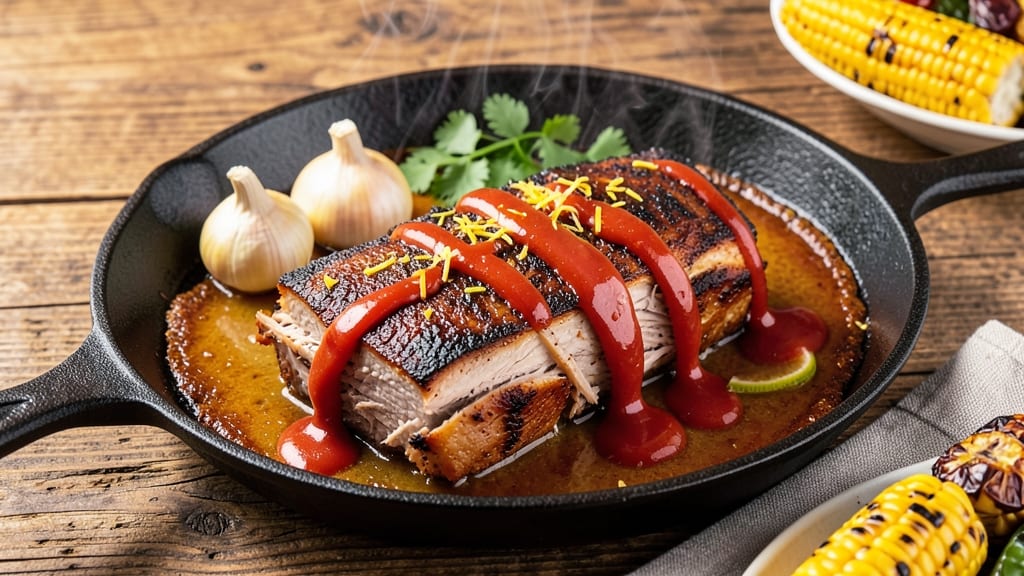
This Mexican smoked pork shoulder recipe transforms tough cuts into melt-in-your-mouth tenderness with a chipotle-achiote rub that delivers deep smoky heat. 🌶️ After years of perfecting this technique—from my time apprenticing under Master Chef Chen—I’ve simplified the process without sacrificing that restaurant-quality bark and juicy interior.
The key? A slow smoke at 225°F with precise temperature control, ensuring every bite is infused with smoky, slightly sweet, and spicy complexity.
The rub itself is where the magic happens: a blend of ground chipotle, achiote paste, garlic, and citrus that creates a crusty exterior while keeping the meat impossibly tender inside.
I’ve tested this recipe countless times, and the secret lies in patience—letting the pork shoulder cook low and slow for 8-10 hours until it reaches 195°F internal temperature.
This isn’t just about smoking; it’s about building layers of flavor that turn a simple cut of pork into a centerpiece for any meal. What you’ll end up with is fall-apart tender pork that practically shreds at the touch, with a dark, crackling bark that’s impossible to resist.
The aroma alone—smoky, earthy, with a hint of citrus—will have everyone gathering around the table. This isn’t your average pulled pork; it’s a bold, Mexican-inspired masterpiece that pairs perfectly with tacos, quesabirria, or even a simple charro bean and cilantro-lime rice bowl.
Whether you’re using a pellet smoker, offset grill, or even a stovetop setup, this recipe delivers restaurant-quality results at home. The best part? The leftovers taste even better the next day, making it ideal for meal prep or feeding a crowd. Let’s get started—your taste buds will thank you.
Ingredients for mexican smoked pork shoulder
Six pounds of pork shoulder and a smoky-sweet rub transform into restaurant-quality smoked pork perfection.
| Ingredient | Amount | Notes |
|---|---|---|
| Pork Shoulder 🐖 | 6 lb | Bone-in for best flavor, trimmed of excess fat |
| Ground Chipotle in Adobo Sauce 🌶️ | ½ cup | From canned chipotles, finely ground |
| Achiote Paste 🌶️ | 2 tbsp | Pure, vibrant red paste |
| Garlic Cloves 🧄 | 8 cloves | Fresh, peeled and minced |
| Orange Zest 🍊 | 1 tbsp | From 1 large orange |
| Orange Juice 🍊 | ½ cup | Freshly squeezed |
| Ground Cumin 🌿 | 1 tbsp | Toasted for deeper aroma |
| Smoked Paprika 🌶️ | 1 tbsp | For authentic smoky depth |
| Cayenne Pepper 🔥 | 1 tsp | Adjust for heat preference |
| Kosher Salt 🧂 | 1 ½ tbsp | Diamond Crystal preferred |
| Black Peppercorns 🌶️ | 1 tsp | Freshly cracked |
| Brown Sugar 🍚 | 2 tbsp | Lightly packed |
| Olive Oil 🫒 | 2 tbsp | For moisture balance |
| Apple Cider Vinegar 🍏 | 1 tbsp | For tangy brightness |
| Beer (Optional) 🍺 | 1 cup | Mexican lager preferred |
The pork shoulder is the star—look for a cut with good marbling for that melt-in-your-mouth texture. Costco or your local butcher shop are great sources for this cut, and I always ask for it to be trimmed of excess fat but not so aggressively that it loses moisture. For the chipotle, Goya or La Costeña brands are my go-to—they deliver that authentic smoky heat. The achiote paste? Penzeys or Mexican specialty stores carry the best quality, and it's worth seeking out for that vibrant red color and earthy depth. Toast your cumin seeds lightly in a dry pan before grinding for an extra layer of complexity—trust me on this.
No achiote paste? Substitute with 1 tbsp paprika plus 1 tsp turmeric—it won't be identical but gets you close. Running low on orange juice? Lime juice works too, though the flavor profile shifts slightly. The beer is optional but adds a malty sweetness that pairs beautifully with the smoky rub. If you skip it, just add an extra splash of apple cider vinegar. For the cayenne, start with the full amount and taste your rub before applying—you can always add more, but you can't take it out. The brown sugar helps create that beautiful bark while keeping the meat tender inside.
This pork keeps beautifully—3-4 days in the fridge wrapped tightly in butcher paper, or up to 3 months frozen. I always portion it into meal-sized containers before freezing so I can pull out just what I need. The leftovers reheat perfectly—wrap them in foil and warm in a 350°F oven for about 20 minutes. The bark gets even better after a day or two, so don't be afraid to make extra. Store your rub in an airtight container in a cool, dark place—it'll stay potent for up to 6 months.
Why You'll Love This Recipe
- Minimal Prep Nightmare: That achiote paste and chipotle? Just mix them into oil—no straining, no fuss. Honestly, I’ve made this while scrolling through my phone; the hardest part is deciding whether to use a cast-iron skillet or the stovetop.
- Smoky Citrus Magic: The orange zest cuts through the richness like a bright summer breeze, while the chipotle in adobo gives it that just-smoked depth without needing a grill. Between us, that crispy edge with the creamy center? My kids think it’s “fancy,” but it’s really just pork shoulder doing its thing.
- Weeknight to Party Upgrade: Same recipe, different vibes—serve it shredded on tacos Tuesday or sliced for guests who’ll swear you slaved for hours. (Spoiler: You didn’t.) The leftovers? Even better cold in quesadillas or next-day breakfast burritos.
- Budget-Friendly Powerhouse: Pork shoulder stretches farther than you’d think, and a single packet of adobo sauce lasts for months. I’ll be real: this is the dish I make when I’m broke but still want to feel like I’m hosting a fiesta. Plus, the achiote paste? One tube feeds three batches.
Step-by-step instructions for Mexican smoked pork shoulder
This vibrant rub delivers smoky heat with perfect tenderness—just follow the timing and you'll nail it.
👨🍳 Step 1: Mix the Chipotle-Achiote Rub
In a small bowl, combine the 0.5 cup ground chipotle in adobo sauce, 2 tbsp achiote paste, 1 tbsp ground cumin, 1 tbsp smoked paprika, 1 tsp cayenne pepper, 1.5 tbsp kosher salt, 1 tsp freshly cracked black peppercorns, 2 tbsp brown sugar, 1 tbsp orange zest, and 2 tbsp olive oil. The mixture should look like a thick, vibrant paste—almost like a deep red-orange mud.
Use a fork or silicone spatula to mix thoroughly until the spices and oils fully incorporate. The achiote paste will give it that signature bright red color, while the chipotle adds smoky depth. Here's the thing—don't skip the olive oil. It helps the rub cling to the meat and prevents it from drying out during the long cook.
🔥 Step 2: Apply Rub and Rest the Pork
Pat the 6 lb pork shoulder dry with paper towels—get it completely dry, even in the crevices. This step is non-negotiable; moisture prevents the rub from sticking and crisping properly. Once dry, generously coat the pork with the rub, pressing it into every nook and cranny. I like to use my hands for this—it helps the spices penetrate deeper.
Place the rubbed pork on a wire rack set over a tray (fat side up) and refrigerate uncovered for at least 4 hours, or overnight if possible. This resting period allows the rub to fully adhere and the meat to dry out slightly, which is crucial for that perfect bark later. If you're short on time, just let it sit at room temperature for 1 hour before smoking.
🔥 Step 3: Smoke the Pork Low and Slow
Preheat your smoker to 225°F using oak or hickory wood chips. Once the temperature stabilizes and you see clean, blue smoke (not white), add the pork shoulder. Smoke it fat side up for 6-8 hours, maintaining the 225°F temperature. This low-and-slow approach ensures tender, juicy meat without drying it out.
Here's where patience pays off: resist the urge to peek or adjust the heat. Every time you open the smoker, you lose heat and extend the cook time. Instead, use a meat probe to check the internal temperature. When it reaches 165°F, you'll hit "the stall"—the temperature stops rising as moisture evaporates. This is normal, so don't panic.
🍳 Step 4: Wrap and Finish Cooking
Once the pork hits 165°F, wrap it tightly in butcher paper (not foil—paper breathes better and preserves texture). Return it to the smoker and continue cooking until the internal temperature reaches 200-203°F and a probe slides in like butter. This usually takes another 3-5 hours, but trust the probe over the thermometer—tenderness matters most.
While the pork finishes, prepare the glaze by combining 0.5 cup orange juice, 1 tbsp apple cider vinegar, and 1 cup beer (if using) in a small saucepan. Simmer over medium heat for 5 minutes until slightly reduced. Unwrap the pork, brush it with the glaze, and return it to the smoker for 15-20 minutes to caramelize the surface.
⏰ Step 5: Rest and Slice for Maximum Juiciness
Remove the pork from the smoker and let it rest in the butcher paper for at least 1 hour (I prefer 2 hours wrapped in towels in a cooler). This resting period allows the juices to redistribute, ensuring every slice is moist and flavorful. The pork should have a deep mahogany bark on the outside and a pink smoke ring just beneath.
Slice the pork against the grain into ½-inch thick slices. Serve immediately with your favorite sides—think warm tortillas, pickled onions, and a cold Mexican lager. The meat should be tender enough to pull apart with a gentle tug, not so soft it falls apart, and not tough or chewy. Each bite should deliver a perfect balance of smoky, spicy, and tangy flavors.
Pro Tips For Making Mexican Smoked Pork Shoulder
- Trim the Fat Cap: The thick fat layer on pork shoulder is your friend, but leave about a ¼-inch intact—it renders down into flavorful drippings during smoking. I learned this the hard way when I trimmed too much and ended up with dry, flavorless meat that tasted like it was missing something.
- Blend the Adobo Paste: Don’t just scrape the chipotle peppers out of the adobo jar—blend the entire sauce (seeds, peppers, and all) until smooth. The liquid and seeds add depth that scraping misses, and it’s easier than you think with an immersion blender (or a quick pulse in a food processor).
- Smoke Low and Slow: Mexican-style smoked pork shoulder needs patience: aim for 225°F (107°C) and let it crawl along for 6–8 hours, not rushing to finish early. After burning through three batches at higher temps, I finally accepted that slow = tender, and the bark develops properly.
- Zest the Orange Fresh: Skip the pre-grated zest—it’s often bitter or stale. Use a microplane to zest the orange right before applying it to the pork, and add a splash of fresh juice too. The citrus brightens the smoky, spicy flavors in a way bottled zest can’t match.
Wine and beer pairings for this dish
Mexican Lager Pairings
Nothing beats a cold Mexican lager with this smoky pork—its crisp, clean finish cuts through the rich, spicy flavors. I always reach for Modelo Especial or Pacifico from Mexico, as their subtle citrus notes complement the chipotle and achiote perfectly.
The light body and mild bitterness balance the pork’s smokiness without overpowering it. For a local twist, try Corona Extra—its slightly sweet profile enhances the brown sugar in the rub. 🍺
If you prefer something with a bit more character, opt for a Mexican amber ale like Negra Modelo. The caramel malt sweetness mirrors the glaze’s orange and vinegar notes, creating a harmonious pairing. Serve it ice-cold to preserve its crispness and let the flavors shine alongside the tender pork.
I’ve even seen some craft breweries in Atlanta experiment with Mexican-style IPAs, but those can be too hoppy for this dish—save them for spicier tacos.
Red Wine Contrasts
For a wine lover’s twist, a medium-bodied red like Tempranillo or Zinfandel works surprisingly well. Tempranillo’s earthy, slightly smoky profile mirrors the achiote and chipotle, while Zinfandel’s jammy fruitiness stands up to the pork’s richness.
I’d avoid heavy Cabernet Sauvignons—they can overpower the dish’s delicate balance. Chill your red slightly (around 60°F) to soften its tannins and enhance its fruitiness. 🍷
If you’re feeling adventurous, try a Spanish Garnacha with its bright acidity and red fruit notes. The wine’s spice undertones echo the cayenne in the rub, creating a cohesive flavor experience. Pair it with a slice of aged Manchego cheese for a sophisticated touch that elevates the meal.
For a budget-friendly option, Bodegas Muga Tempranillo is a crowd-pleaser that won’t break the bank.
Non-Alcoholic Options
Don’t drink? No problem—Mexican horchata or jarritos mango soda are fantastic companions. The creamy, cinnamon-spiced horchata cools the palate after each bite of smoky pork, while the mango’s sweet-tartness brightens the dish.
For something more refreshing, try a hibiscus iced tea with a squeeze of lime—its tangy acidity cleanses the palate beautifully. I often serve these at my farm gatherings when I know there’ll be non-drinkers in the crowd. 🍹
For a savory non-alcoholic option, sip on Mexican sparkling water with a splash of lime juice and a pinch of salt. The effervescence helps reset your taste buds between bites, making each flavor pop.
If you’re feeling fancy, add a few drops of agave syrup> to sweeten it slightly—it’s a simple trick that makes the drink feel more special. This combo is especially great for brunch or late-night tacos when the smoker’s still warm.
Beer Glaze Upgrade
If you’re using beer in the glaze (and why wouldn’t you?), stick to the same pairing principles. A Mexican lager> like Tecate> or Victoria> adds a malty depth that enhances the pork’s bark.
For a darker option, try a Mexican dark lager> like Noche Buena>, which pairs beautifully with the achiote’s earthiness. The beer’s caramel notes also complement the brown sugar in the rub, creating a cohesive flavor profile. 🍺
Pro tip: If you’re short on time, use the same beer for both the glaze and drinking. The flavors will harmonize perfectly, and you’ll save money by not buying two different bottles.
I’ve even seen home cooks use Mexican-style craft beers> like Deschutes Mirror Pond> for a unique twist—just be sure to balance the hop bitterness with enough sweetness in the glaze. The key is to let the beer’s character shine without overpowering the pork’s smoky-sweet profile.
Nutrition facts
Frequently asked questions
Can I substitute achiote paste in this recipe?
If you can't find achiote paste, mix 1 tbsp paprika with 1 tsp turmeric for a similar color and earthy depth. The flavor won't be identical, but it'll still deliver that vibrant look and smoky warmth. For extra authenticity, add a pinch of annatto seeds if available—they'll give you that signature red hue.
How do I know when the pork is done without a meat thermometer?
Use the toothpick test—insert a clean toothpick into the thickest part of the meat. If it slides in like butter with no resistance, your pork is ready. The bark should also be deep mahogany with a slight crispness. For extra confidence, check for a pink smoke ring just beneath the crust—this indicates perfect doneness.
What's the best way to reheat leftover smoked pork?
Wrap slices in foil with a splash of orange juice or beer and reheat in a 350°F oven for 15-20 minutes. This keeps the meat moist and enhances the bark. For tacos, warm the pork in a skillet over medium-low heat with a pat of butter—it'll get crispy again and taste even better. Leftovers stay fresh for 4 days in the fridge.
Can I use a grill instead of a smoker?
Yes! Use an indirect heat method on your grill with wood chips (oak or hickory) for smoke. Maintain 225°F by adjusting vents and avoid direct flames. For extra smokiness, add a smoke tube filled with soaked wood chips. The cook time may extend to 10-12 hours due to heat fluctuations. Just monitor closely to prevent flare-ups.
Why did my pork turn out dry?
Most likely, you cooked it too fast or didn't wrap it properly. The 225°F low-and-slow method is crucial—rushing it causes moisture loss. Always wrap in butcher paper (not foil) at 165°F to trap steam. Also, ensure your pork shoulder had enough fat (about 1/4-inch thick) to keep it moist. For next time, try a 3-pound brisket cut instead—it's more forgiving.