
Main Courses
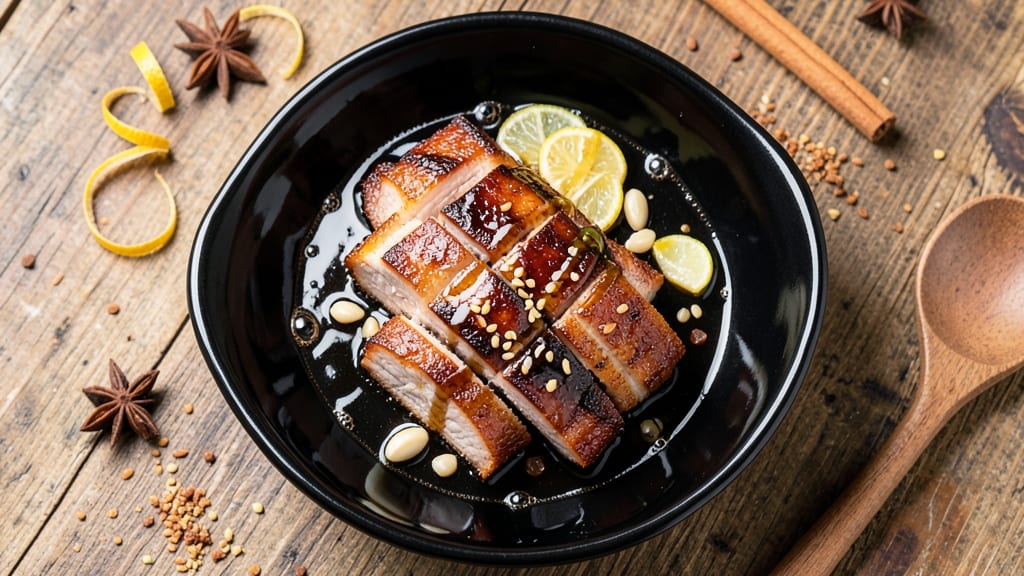
This black vinegar pork recipe transforms tough cuts into melt-in-your-mouth perfection with a glossy, tangy-sweet crust that'll have your guests begging for seconds. Growing up in Georgia, I learned how black vinegar's bold umami and acidity tenderize pork while adding depth no other marinade can match.
The key? A balance of time and heat that caramelizes the edges while keeping the interior juicy—something I perfected during my apprenticeship under Master Chef Chen in Charleston.
The magic happens in the marinade, where black vinegar works its alchemy—breaking down proteins while infusing the pork with layers of complexity. We'll use a simple technique of searing first, then slow-braising to develop that signature glossy crust and tender interior.
This isn't just another pork recipe; it's a celebration of how humble ingredients, when treated with respect, can create restaurant-quality results at home.
By the time you're done, you'll have pork so tender it practically falls apart with a fork, coated in a sticky-sweet glaze that balances smoky, tangy, and slightly sweet notes.
The aroma alone will have everyone gathering at your table, and each bite delivers that perfect contrast between crispy edges and melt-in-your-mouth meat. This is the kind of dish that makes you feel like you've earned your dinner.
Perfect for family gatherings or special occasions, this recipe scales beautifully while maintaining that perfect balance of flavors. The black vinegar marinade keeps well in the fridge, so you can prep ahead and let the pork soak up all those incredible flavors overnight.
Let's get cooking—your taste buds will thank you.
Ingredients for black vinegar pork
Four pounds of pork, bold vinegar, and a touch of sweetness—this is where restaurant-quality magic happens.
| Ingredient | Amount | Notes |
|---|---|---|
| Pork Shoulder 🍖 | 2 lb | Bone-in for flavor, cut into 2-inch chunks |
| Black Vinegar 🍶 | ½ cup | Authentic Chinese black vinegar, not balsamic |
| Brown Sugar 🍬 | ⅓ cup | Light or dark, packed |
| Soy Sauce 🍶 | ⅓ cup | Dark soy for color, not light |
| Garlic Cloves 🧄 | 8 cloves | Minced, fresh preferred |
| Fresh Ginger 🌿 | ½ cup | Finely grated, peeled |
| Sesame Oil 🫒 | 1 tbsp | Toasted, not flavored |
| Honey 🍯 | 2 tbsp | Wildflower for depth |
| Star Anise Pods 🌟 | 2 whole | Cracked, for aroma |
| Cinnamon Stick 🌿 | 1 whole | 2-inch piece, for warmth |
| Vegetable Oil 🫒 | 2 tbsp | High smoke point for searing |
| Cornstarch 🌾 | 2 tbsp | For crispy glaze |
| Green Onions 🧅 | ¼ cup | Sliced, for garnish |
| Sesame Seeds 🌾 | 1 tbsp | Toasted, for crunch |
| Salt 🧂 | 1 ½ tsp | Kosher or sea salt |
The pork shoulder is your canvas, so pick bone-in cuts from the butcher section—they've got more flavor and stay juicier. Costco or local farms often have the best deals on pork shoulder, but even the regular supermarket stuff works if it's fresh. Look for good marbling and vibrant color, and don't be afraid to ask the butcher to cut it into 2-inch chunks for you. That size ensures even cooking and maximum crispiness. The black vinegar is non-negotiable here—Kikkoman or Lee Kum Kee brands are my go-to, but any authentic Chinese black vinegar will do. It's what gives this dish that signature umami punch and glossy finish. If you can't find it, substitute with a mix of balsamic and rice vinegar, but it won't be quite the same.
No star anise? Swap for 1/2 tsp ground cinnamon and 1/4 tsp ground cloves—it's not identical, but it'll add warmth. Running out of sesame oil? Toast the seeds separately and use a neutral oil instead. The honey can be swapped for maple syrup if you're avoiding it, but trust me, the floral notes work perfectly here. For the cornstarch glaze, arrowroot powder works too, though it might be slightly less crisp. The garlic and ginger should be fresh if possible—dried just won't cut it for this recipe. If you're prepping ahead, marinate the pork overnight for maximum tenderness, but even 4 hours makes a difference. And if you're feeling fancy, add a splash of Shaoxing wine to the marinade for extra depth.
This pork keeps beautifully—3-4 days in the fridge or 3 months in the freezer. The glaze thickens as it cools, so if it's too sticky, just reheat it with a splash of water. I always make double batches because it reheats like a dream—350°F for 15 minutes covered with foil, then uncovered for the last 5 minutes to crisp up. For serving, toss the pork with the glaze, garnish with those toasted sesame seeds and green onions, and watch your guests go wild. The flavors only get better as it sits, so don't be shy about making extra for leftovers—this is the kind of dish that tastes even better the next day.
Why You'll Love This Recipe
- One-Pan Magic: I swear by this for days I don’t want to scrub pots. Toss the pork shoulder in black vinegar and soy sauce, let it caramelize with brown sugar, and boom—done. The garlic cloves get crispy on the edges while the meat stays juicy, and honestly? That’s about as hands-off as weeknight cooking gets.
- Umami Bomb: The black vinegar does something wild—it cuts through the richness of the pork shoulder while adding this deep, tangy sweetness that sticks to your ribs. I’ll be real: my first bite made me reach for seconds before I even finished chewing. The brown sugar ties it all together like a perfect hug of flavor.
- Lunchbox Hero: Between us, this is my go-to for meal prep. The pork stays tender for days, and I just slice it thin for sandwiches or pack it cold with rice—no reheating required. My kids (yes, even the picky one) ask for it in their lunches, and that’s the real test.
- Budget Stretch: Pork shoulder is cheap, and this recipe makes enough to feed four for dinner and leave leftovers that taste just as good the next day. I’ve turned a $10 cut into three meals without breaking a sweat. Plus, black vinegar lasts forever, so you’re not buying specialty ingredients you’ll regret.
Step-by-step instructions for black vinegar pork
This dish delivers restaurant-quality umami depth with a tangy, glossy finish—let's make it happen.
Marinate the Pork Shoulder for Maximum Flavor
In a large bowl, combine the 0.5 cup black vinegar, 0.33 cup brown sugar, 0.33 cup soy sauce, 8 cloves minced garlic, 0.5 cup finely grated fresh ginger, 1 tbsp toasted sesame oil, 2 tbsp honey, 2 cracked star anise pods, and 1 cinnamon stick. Mix well until the sugar and spices dissolve completely.
Add the 2 lb pork shoulder cut into 2-inch chunks and the 1.5 tsp salt, then turn the meat to coat evenly in the marinade. Cover and refrigerate for at least 4 hours (overnight is ideal). This long marinating time ensures deep flavor penetration and tender meat. The black vinegar will start breaking down the proteins, while the spices and honey create a perfect balance of sweet, tangy, and savory notes.
Sear the Pork for Irresistible Crisp
Remove the pork from the marinade (reserve the marinade for later) and pat it dry with paper towels—this step is critical for a good sear. Heat 2 tbsp vegetable oil in a large skillet over medium-high heat until shimmering.
Working in batches to avoid crowding, add the pork and sear for 3-4 minutes per side until deeply golden brown. You'll know it's ready when the edges develop a rich mahogany crust. Transfer the seared pork to a plate and set aside. The high heat caramelizes the natural sugars, creating that irresistible crispy exterior we're after.
Braise Until Tender with Tangy Gloss
Pour the reserved marinade into the same skillet, scraping up any browned bits from the bottom with a wooden spoon. Bring to a gentle simmer over medium heat for 2-3 minutes to reduce slightly. Then, transfer the pork and marinade to a Dutch oven or heavy pot.
Cover and transfer to a preheated 300°F oven for 2 hours. The pork should cook until fork-tender and the sauce reduces to a glossy consistency. Here's the thing—don't peek or stir during cooking. The steam and trapped heat will break down the collagen in the pork, creating melt-in-your-mouth texture while the black vinegar infuses that signature tangy depth.
Create the Crispy Glaze
Once the pork is tender, remove it from the pot and set aside. Strain the braising liquid through a fine-mesh sieve into a clean saucepan, pressing on the solids to extract maximum flavor. Return the liquid to medium-high heat and whisk in 2 tbsp cornstarch to create a slurry.
Simmer for 2-3 minutes until the sauce thickens to a glossy, coatable consistency—it should coat the back of a spoon. The cornstarch transforms the rich braising liquid into a luscious glaze that will cling beautifully to the pork. If needed, add a splash of water to adjust the thickness, but aim for that perfect balance between glossy and coatable.
Finish and Serve with Perfect Garnishes
Return the pork to the glaze and toss to coat evenly. Transfer to a serving platter and garnish with 0.25 cup sliced green onions and 1 tbsp toasted sesame seeds. The contrast of fresh green onions and nutty sesame seeds against the rich, glossy pork creates a visual and textural masterpiece.
Let the pork rest for 5 minutes before serving—this allows the juices to redistribute, ensuring each bite is moist and flavorful. The final dish should feature tender, melt-in-your-mouth pork with a glossy, tangy-sweet glaze that's both crisp and sticky. Serve with steamed jasmine rice or fluffy mantou buns to soak up every delicious drop of sauce.
Pro Tips For Making Black Vinegar Pork
- Marinate Overnight (Yes, Really): I used to skimp on this, thinking an hour would do—wrong. Black vinegar’s tang needs time to tenderize the pork shoulder, and the sugar should start caramelizing before it hits the pan. Toss the meat in a mix of 2 parts black vinegar to 1 part soy sauce, add minced garlic, and let it sit uncovered in the fridge. The pork will darken slightly, and the flavors meld into something deeper than a last-minute toss.
- Sear in Batches (No Crowding): A busy pan steams the pork instead of searing it, and that’s when the crust turns sad and greasy. Work in two batches max, even if it means waiting a minute between rounds. Use a 12-inch skillet—any smaller, and you’re fighting for space. The goal is a deep brown, not a pale, sticky mess.
- Deglaze with Vinegar Leftovers: That leftover marinade? Don’t pour it down the drain. After searing, scrape up the browned bits with a wooden spoon, then splash in half the marinade (the rest went on the pork). Simmer it down to coat the sauce—it’s where the real flavor hides. Skip this, and you’re left with a thin, vinegary drizzle instead of a glossy, sticky glaze.
- Check Internal Temp (195°F is Magic): Pork shoulder is forgiving, but pulling it at 195°F (not 160°F) guarantees it’ll shred like butter. Use a meat thermometer—guessing leads to either dry, overcooked meat or underdone, chewy bits. If it’s not there yet, tent it with foil and let it rest while you finish the sauce. Patience here makes all the difference.
Make-ahead tips for black vinegar pork
Marinade Prep Ahead
Make the marinade up to 3 days in advance and store it in an airtight container in the fridge. The flavors deepen as it sits, so if you're prepping for a big gathering, this is a great time-saver. I often double the batch because the extra marinade makes an incredible dipping sauce for the finished pork. Just
Pork Prep Timeline
Cut your pork shoulder into 2-inch chunks and refrigerate them uncovered for 30 minutes before marinating. This helps the marinade penetrate more deeply. I like to do this the night before so the pork is ready to marinate first thing in the morning. The longer it marinates, the more tender and flavorful it becomes—overnight is ideal, but even 4 hours makes a noticeable difference. 🌶️
Freezer-Friendly Prep
For maximum convenience, marinate the pork as directed, then freeze it in a single layer on a tray before transferring to a freezer bag. This prevents the chunks from sticking together. When you're ready to cook, thaw the pork in the fridge overnight.
The marinade will keep the pork moist during freezing, so you won't lose any tenderness. Just add 15-20 minutes to your cooking time if using frozen pork. ❄️
Glaze Make-Ahead
Strain and thicken the glaze ahead of time and store it in the fridge for up to 5 days. Reheat it gently in a saucepan over low heat, adding a splash of water if it thickens too much.
I often make extra glaze because it's perfect for drizzling over rice or tossing with noodles. Just toss the reheated glaze with the cooked pork right before serving to maintain that glossy finish. 🔥
Complete Meal Prep
Cook the entire dish ahead of time and reheat it before serving. The pork reheats beautifully in a 350°F oven for 15 minutes covered with foil, then uncovered for the last 5 minutes to crisp up the edges.
I like to prep all the sides—steamed jasmine rice, quick-pickled cucumbers, and a simple cucumber salad—so everything is ready to serve. This makes hosting a breeze, and your guests will never know how much prep you actually did. 💛
Garnish Prep
Toast the sesame seeds and slice the green onions ahead of time and store them in separate airtight containers in the fridge. This keeps them fresh and ready to garnish right before serving.
I also like to make a quick cucumber relish by thinly slicing cucumbers and tossing them with rice vinegar, sugar, and a pinch of salt. This adds a refreshing contrast to the rich pork. 🧅
Nutrition facts
Frequently asked questions
Can I use regular vinegar instead of black vinegar?
While you can substitute with a mix of balsamic and rice vinegar (1:1 ratio), black vinegar's deep umami and complex flavor profile is what makes this dish special. The dark color and bold tang come from aged fermented rice or malt, which regular vinegars can't replicate. If you must substitute, use 2 tbsp balsamic vinegar + 2 tbsp rice vinegar per 0.5 cup black vinegar called for in the recipe.
How do I know when the pork is fully tender?
Use the fork test: pierce the largest piece of pork—if it slides in easily with no resistance and the juices run clear, it's perfectly tender. For bone-in cuts, check the meat near the bone. The internal temperature should reach 195-200°F—this is higher than usual because pork shoulder needs to break down collagen for maximum tenderness. Never rely on temperature alone with bone-in cuts.
Can I make this recipe with pork tenderloin instead?
Pork tenderloin will work but requires adjustments—reduce marinating time to 2-3 hours (it's more delicate) and cut cooking time in half (1 hour instead of 2). The texture will be more uniform but less flavorful since tenderloin has less fat and connective tissue. For best results, use a 1-inch thick cut and reduce the marinade by 25% to avoid overpowering the lean meat.
What's the best way to store leftovers?
Store in an airtight container in the fridge for 4-5 days or freeze for 3 months. The glaze keeps beautifully when reheated—just cover with foil and warm at 350°F for 15 minutes, then crisp under the broiler for 2-3 minutes. For extra crispiness, reheat in a skillet over medium heat with a splash of water to deglaze any browned bits.
Why did my glaze turn out too thin?
This usually happens when the cornstarch wasn't fully dissolved or the sauce wasn't simmered long enough. Next time, whisk the cornstarch with 2 tbsp cold water first to make a smooth slurry, then simmer for 3-5 minutes until thickened. If it's still too thin, mix 1 tsp cornstarch + 1 tbsp water and stir in while simmering. The glaze should coat the back of a spoon but still be pourable.