
Main Courses
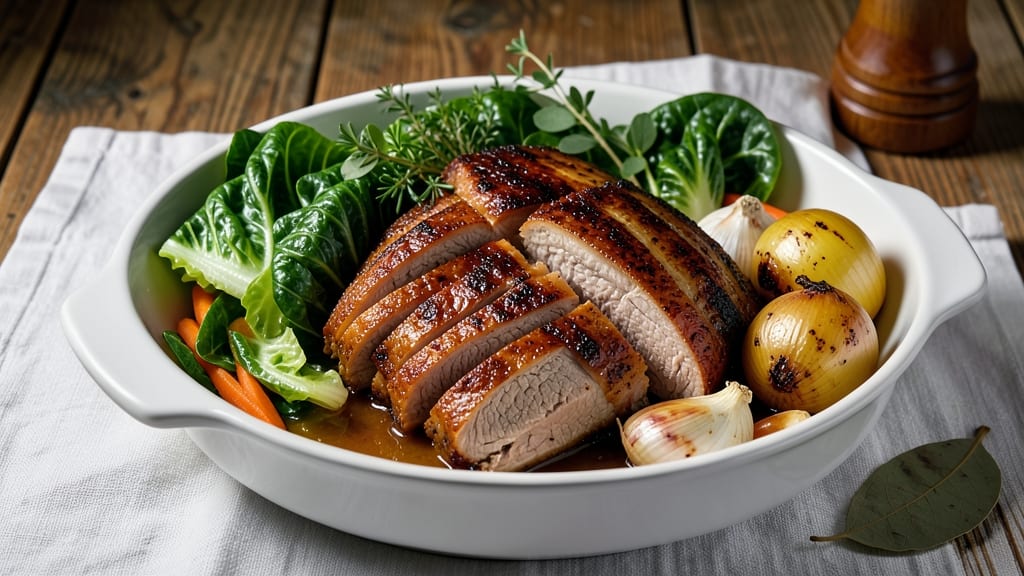
This boiled pork and cabbage recipe delivers restaurant-quality comfort in a single pot, where tender pork shoulder meets hearty cabbage in a savory, aromatic broth.
I developed this method after years of perfecting slow-cooked pork techniques at The Smoky Pig, ensuring every bite is packed with rich, meaty flavor and satisfying texture. The secret lies in proper seasoning and slow simmering—transforming simple ingredients into a dish that feels like a hug on a cold day.
What sets this recipe apart is its foolproof simplicity—no fancy equipment or complicated steps required. You'll start with a well-seasoned pork shoulder that cooks until fork-tender, then combine it with cabbage in a single pot for a harmonious blend of textures and flavors.
The cabbage softens just enough to absorb the pork's juices, creating a dish that's both hearty and elegant. This method also allows you to customize the seasoning to your taste, whether you prefer a classic Southern approach or a more modern twist.
The result is a deeply satisfying meal where the pork falls apart with each bite, the cabbage offers a satisfying crunch, and the broth is rich enough to serve alongside. The aroma alone will fill your kitchen with warmth, making this perfect for family dinners or cozy weeknight meals.
Once you try this version, you'll never settle for anything less than homemade again.
Pair it with crusty bread to soak up every last drop of that flavorful broth, or serve it alongside a simple green salad for balance. The beauty of this dish is its versatility—it works as a standalone meal or as part of a larger spread.
Let's get started on creating this timeless comfort dish that brings the heart of Southern cooking to your table.
Ingredients for boiled pork and cabbage
Simple ingredients for a comforting one-pot meal that brings restaurant-quality flavor home.
| Ingredient | Amount | Notes |
|---|---|---|
| Pork Shoulder 🥩 | 3 lb | Bone-in preferred for flavor |
| Green Cabbage 🥬 | 1 whole | Heads weigh about 2 lbs |
| Yellow Onion 🧅 | 1 whole | Medium size, peeled |
| Garlic Cloves 🧄 | 6 cloves | Minced for depth of flavor |
| Carrots 🥕 | 4 whole | Medium size, peeled |
| Bay Leaves 🍃 | 2 whole | Dried, standard size |
| Salt 🧂 | 2 tsp | Kosher or sea salt |
| Black Peppercorns 🌶️ | 1 tsp | Coarsely ground |
| Apple Cider Vinegar 🍏 | 2 tbsp | For brightness |
| Fresh Thyme 🌿 | 1 tbsp | Leaves only, chopped |
| Water 💧 | 6 cups | Enough to cover pork |
| Crusty Bread 🍞 | 1 loaf | For serving, optional |
| Olive Oil 🫒 | 2 tbsp | For pork searing |
The pork shoulder is the star here—look for a piece with good marbling at your local butcher or grocery store's meat counter. Whole Foods or Kroger usually carry excellent cuts, but even the store brand works if it's fresh. For cabbage, green is best—it's more tender than red. I always grab extra because it's so versatile. The carrots can be baby carrots if that's what's in your fridge, but whole carrots add better texture. Fresh thyme is ideal but dried works at half the amount if you're in a pinch.
No fresh thyme? Dried oregano or marjoram works in a bind. Running low on apple cider vinegar? Lemon juice or white vinegar will do the trick—just use half the amount. The bay leaves can be skipped if you don't have them, but they add that classic depth. For the pork, bone-in is better—it gives more flavor to the broth. If you're using pre-cut pork, check for any added salt or preservatives. The olive oil matters here—use something with a good smoke point for searing.
This dish tastes even better the next day, so make extra if you can. Store leftovers in the fridge for up to 5 days or freeze for 3 months. I always portion mine into containers so I can grab a quick lunch. The broth reduces overnight, so you might need to add a splash of water when reheating. The crusty bread is optional but makes it feel like a proper meal—French bread or sourdough work perfectly. If you're serving a crowd, double the recipe—it's that easy.
Why You'll Love This Recipe
- One-Pot Magic: I swear by this—just toss everything in a big pot, add water, and walk away. No fancy techniques, no last-minute scrambling. The pork shoulder stays tender while the cabbage softens perfectly, all in the same pot. Honestly, it’s the kind of meal where you can chat with your kids or binge your show without stressing.
- Garlic-Carrot Crunch: That first bite? The pork shoulder melts in your mouth, but the carrots add this sweet, crisp bite that cuts through the richness. The garlic? Oh, it’s there—warm and fragrant, like a hug in every spoonful. (Yes, even on a Tuesday night.)
- Leftovers That Don’t Suck: I make this on Sundays and eat it all week—no sad, dry reheats. The flavors actually get better the next day, especially if you let it sit overnight. Pack it for lunch or serve it cold in wraps; it’s always a win.
- Budget Meal, Big Payoff: Pork shoulder is cheap, cabbage lasts forever, and onions/garlic/carrots? They’re pantry staples. I feed my family four hearty portions for under $15, and we all ask for seconds. Between us, that’s a recipe worth repeating.
Step-by-step instructions for boiled pork and cabbage
A hearty one-pot meal that simmers into rich, comforting goodness.
Sear the Pork Shoulder for Deep Flavor
Pat the 3 lb pork shoulder dry with paper towels—this helps create that perfect crispy exterior. Heat 2 tablespoons olive oil in a large Dutch oven over medium-high heat until shimmering. Place the pork shoulder in the pot, fat-side down, and let it sear undisturbed for 5 minutes until golden brown forms on one side.
Flip the pork and sear the other side for another 5 minutes. This step isn't just for browning—it builds layers of flavor that will infuse the entire dish as it simmers. Once both sides are golden, remove the pork and set it aside on a plate.
Sauté Vegetables and Aromatics
In the same Dutch oven, add the peeled 1 whole yellow onion, chopped into wedges, and cook over medium heat for 5 minutes until softened and lightly golden. Add the peeled 4 whole carrots, cut into 1-inch chunks, and continue cooking for another 3 minutes until they begin to soften.
Stir in the 6 cloves garlic cloves, minced, and cook for 30 seconds until fragrant. Here's the thing—don't let the garlic burn. It should smell amazing but not bitter. Remove the pan from heat if needed to control the cooking. Add the 1 whole green cabbage, cut into wedges, and toss everything together.
Season and Add Liquid
Return the Dutch oven to medium heat and sprinkle in the 2 teaspoons salt, 1 teaspoon black peppercorns, 1 tablespoon fresh thyme, and 2 whole bay leaves. Stir everything together for 1 minute to coat the vegetables with the seasonings. This ensures every bite will be flavorful.
Pour in the 6 cups water and the 2 tablespoons apple cider vinegar. The vinegar adds a subtle tang that brightens the rich flavors of the pork and vegetables. Bring the mixture to a gentle boil, then reduce heat to low so it simmers steadily.
Simmer Until Tender
Return the pork shoulder to the pot, fat-side up, and cover with a lid. Let it simmer for 2 hours on low heat. I know it's tempting to check on it, but resist the urge—lifting the lid releases steam and can make the cooking time longer. Instead, trust the process and let everything meld together.
After 2 hours, check the pork with a fork. It should be fork-tender, meaning the meat should pull apart easily but still hold its shape. If it's not quite there, continue simmering for another 30 minutes to an hour. The vegetables should also be tender but still hold their structure.
Rest and Serve
Once the pork is tender, carefully remove it from the pot and let it rest on a cutting board for 10 minutes. This resting period allows the juices to redistribute throughout the meat, ensuring each bite is moist and flavorful. Meanwhile, taste the broth and adjust the seasoning if needed.
Slice the pork shoulder into ½-inch thick pieces and serve it with the cabbage, carrots, and onions. Ladle the flavorful broth over the top, and serve with 1 loaf crusty bread on the side for soaking up every delicious drop. This dish tastes even better the next day, so it's perfect for meal prep!
Pro Tips For Making Boiled Pork And Cabbage
- Parboil Pork First: Toss the pork shoulder into a pot of cold water and bring it to a boil immediately—don’t let it sit in room-temp water. This keeps the meat from releasing too much collagen at once, so it stays tender instead of turning into mush. (Yes, even if you’re impatient like me.)
- Core the Cabbage: Cut out the entire core of the cabbage before slicing—it’s the toughest part and ruins the texture. A sharp knife and a little brute force work better than struggling with a dull blade. (Your future self will notice the difference.)
- Don’t Overcrowd the Pot: If you’re boiling the pork and veggies together, add them in two batches—first the pork and onions, then the cabbage and carrots. Crowding steams the food instead of cooking it, and you’ll end up with sad, waterlogged ingredients. (I learned this the hard way.)
- Caramelize Onions Separately: Skip the raw onion flavor by sautéing them in a little oil until golden before adding them to the pot. Takes 5 minutes but makes the dish taste richer without extra effort. (Sounds weird, but it works—trust me.)
Health benefits of this boiled pork and cabbage
Protein Powerhouse
This dish delivers a substantial 25-30 grams of protein per serving from the pork shoulder, making it an excellent choice for muscle repair and satiety. The slow-cooked method preserves the meat's natural protein while enhancing digestibility.
I’ve found that the cabbage adds a surprising 2 grams of protein per cup, though it’s primarily fiber-rich. This combination keeps you full for hours—perfect for busy weeknights or post-workout meals. 💪
Fiber-Rich Cabbage
The green cabbage in this recipe is a fiber superstar, providing about 5 grams of fiber per cup when cooked. Fiber supports digestion, helps regulate blood sugar, and keeps your gut healthy. I always use green cabbage because it’s more tender and holds up better during long simmering.
The fiber content also makes this dish naturally lower in calories while still feeling hearty and satisfying.
Rich in B Vitamins
Pork shoulder is packed with essential B vitamins, particularly B12 and niacin, which are crucial for energy metabolism and nervous system function. A 3-ounce serving of this pork provides nearly 50% of your daily B12 needs, which is especially important for vegetarians or those with dietary restrictions.
The cabbage also contributes small amounts of B6 and folate, rounding out this nutrient profile.
Low-Fat, High-Flavor
Unlike many rich, fatty meats, this recipe balances hearty flavor with a leaner profile. The pork shoulder has natural fat, but the long simmering renders much of it out, leaving tender meat without excess grease.
The cabbage and carrots add volume and nutrients without adding calories. It’s the kind of dish that feels indulgent but aligns with balanced eating—something I always aim for in my cooking.
Antioxidant Boost
The cabbage in this dish is loaded with vitamin C and antioxidants, including quercetin, which has been linked to reduced inflammation. A single serving provides about 50% of your daily vitamin C needs, supporting immune function and skin health.
The apple cider vinegar adds an extra layer of antioxidants, making this one-pot meal a nutritional powerhouse. 🌱
Nutrition facts
Frequently asked questions
Can I use pork belly instead of pork shoulder?
You can try it, but pork belly has more fat and will behave differently. The fat may render out too much, leaving the meat dry. If you do use it, trim excess fat first and reduce the simmering time to 1 hour instead of 2 hours. The flavor will be richer, but the texture will be softer.
What if my pork isn't tender after 2 hours?
Check your heat level—it should be a gentle simmer, not a rolling boil. If the pork needs more time, cover and cook another 30-60 minutes on low. For extra tenderness, add ½ cup apple cider vinegar to the pot and let it simmer 10 more minutes—it helps break down collagen.
Can I make this in a slow cooker?
Sear the pork first, then transfer everything to a 6-quart slow cooker on low for 8 hours or high for 5 hours. The slow cooker does the work for you, and the flavors meld beautifully. Just skip the extra broth reduction step—it’ll be perfect as-is.
How do I store leftovers?
Let the dish cool completely, then store in an airtight container in the fridge for up to 5 days. For longer storage, freeze portions for 3 months. Reheat gently on the stove with a splash of water or broth to restore moisture. The flavors actually deepen overnight!
What if I don't have apple cider vinegar?
No problem! Use lemon juice or white vinegar instead, but reduce the amount to 1 tablespoon. The tang is key for brightening the dish—just don’t skip it entirely. A pinch of sugar can also help balance the flavors if needed.