
Main Courses
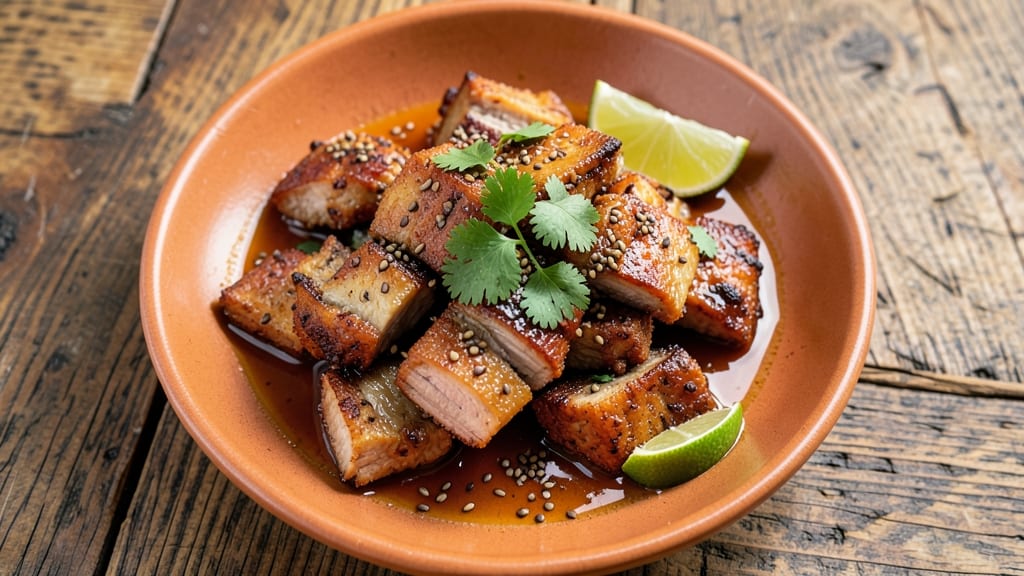
This boneless pork carnitas recipe delivers crispy bites with slow-braised tenderness—the perfect balance of textures that makes every bite irresistible. After years of perfecting the technique at The Smoky Pig, I've simplified it for home cooks while keeping that restaurant-quality result.
The secret lies in the slow braising process that transforms tough pork into melt-in-your-mouth perfection before the final crisping.
What sets this recipe apart is the two-stage cooking method: first, the pork simmers in a flavorful broth until fork-tender, developing deep, complex flavors. Then, it gets tossed in oil and roasted until those edges turn golden and crispy—just like your favorite taqueria.
I use a blend of spices that includes cumin, oregano, and garlic, but the real magic happens in the slow cooking that infuses every bite with smoky, savory goodness.
The result is pork that's so tender it practically falls apart, yet maintains enough structure to hold its shape when served. The crispy edges add a satisfying crunch that contrasts beautifully with the soft interior.
This technique works equally well for tacos, burrito bowls, or even breakfast hash—making it incredibly versatile for any meal.
Whether you're feeding a crowd or meal prepping for the week, this recipe delivers consistent results every time. The flavors develop as it cooks, getting better with each passing hour. Let's get started on creating carnitas that'll have everyone asking for seconds.
Ingredients for boneless pork carnitas
Sixteen ingredients transform tough pork into crispy, tender carnitas with restaurant-quality depth.
| Ingredient | Amount | Notes |
|---|---|---|
| Boneless Pork Shoulder 🥩 | 3 lb | Cut into 1.5-inch chunks, skin removed |
| Orange Juice 🍊 | 1 cup | Freshly squeezed, not from concentrate |
| Lime Juice 🍋 | ½ cup | Freshly squeezed, for brightness |
| Chicken Broth 💧 | 2 cups | Low-sodium preferred, homemade or quality brand |
| White Wine 🍷 | ½ cup | Dry variety, like Sauvignon Blanc |
| Ground Cumin 🌿 | 2 tbsp | Toasted for deeper aroma, freshly ground preferred |
| Mexican Oregano 🍃 | 1 ½ tbsp | Not regular oregano—find in Latin markets |
| Garlic Cloves 🧄 | 6 cloves | Peeled, smashed for maximum flavor |
| Bay Leaves 🌿 | 2 whole | Fresh if possible, dried works too |
| Olive Oil 🫒 | ½ cup | For crisping, high smoke point preferred |
| Vegetable Oil 🫒 | ¼ cup | For high-heat frying, neutral flavor |
| Salt 🧂 | 1 ½ tbsp | Diamond Crystal kosher, adjust to taste |
| Black Pepper 🌶️ | 1 ½ tsp | Freshly cracked for best flavor |
| Cinnamon Stick 🌰 | 1 whole | Optional, for subtle warmth |
The pork shoulder is the foundation—look for well-marbled cuts from butchers or specialty stores like Whole Foods or Costco, where quality is consistent. If using pre-cut chunks, trim excess fat to avoid greasy results. Mexican oregano is non-negotiable here; regular oregano lacks that earthy, slightly citrusy depth. For the spices, Penzeys Spices or bulk bins at natural grocery stores ensure freshness. The citrus juices should be freshly squeezed—no bottled or concentrate substitutes—as their acidity tenderizes the meat during braising.
No Mexican oregano? Substitute with a blend of regular oregano and thyme at half the amount, but you'll lose some authenticity. Running low on white wine? Use extra chicken broth with a splash of apple cider vinegar for acidity. For the oils, avocado oil works better than olive oil for crisping due to its higher smoke point. The cinnamon stick adds subtle warmth—omit if you prefer a cleaner flavor profile. If you're meal prepping, consider doubling the batch and freezing portions; the flavors only deepen over time.
Store cooked carnitas in an airtight container with a layer of olive oil on top to preserve moisture and crispiness for up to 5 days in the fridge. For longer storage, freeze in portions for 3 months. Reheat gently in a skillet with a splash of broth or water to restore moisture. Portion into single-serving containers for easy tacos or burrito bowls—just reheat and serve. The spices and citrus juices can be prepped ahead and stored in the fridge for 3 days, making assembly a breeze.
Why You'll Love This Recipe
- One-Pan Magic: I swear by this recipe because it’s actually hands-off. Toss the pork shoulder in a Dutch oven with the orange juice, lime, and broth—then let it braise while you chop veggies or set the table. The white wine adds depth without extra effort, and by the time it’s tender, you’ve done almost nothing.
- Bright & Tangy: That citrus punch from the orange and lime? It’s the secret weapon. The pork stays juicy but develops this perfect caramelized crust, while the acidity cuts through the richness—like a bright, zesty hug in every bite. (Yes, even on a Tuesday night.)
- Meal Prep Hero: I make a double batch every Sunday because it reheats like a dream. Shred it for tacos, stuff it into burritos, or throw it in a grain bowl—it’s your go-to for lunches, potlucks, or when you’re too tired to cook. The broth keeps it moist, so it doesn’t dry out.
- Budget-Friendly Feast: Pork shoulder is cheap, and this recipe stretches it into so much food. A few dollars’ worth of meat turns into enough carnitas for a family of four, with leftovers that taste just as good cold in salads. Plus, the wine and citrus make it feel fancy without breaking the bank.
Step-by-step instructions for crispy pork carnitas
Transform tough pork shoulder into melt-in-your-mouth carnitas with this precise method.
Prepare the Pork and Aromatics
Cut the 3 lb boneless pork shoulder into 1.5-inch chunks, removing any remaining skin or silver skin. This size ensures even cooking and maximum crispiness. In a large bowl, combine the pork with the 2 tbsp ground cumin, 1.5 tbsp Mexican oregano, 1.5 tbsp salt, and 1.5 tsp black pepper. Toss until every piece is evenly coated—this ensures consistent flavor penetration during the long cook.
In a separate small bowl, mix the 6 smashed garlic cloves, 2 whole bay leaves, and the 1 whole cinnamon stick. This aromatic bundle will infuse the cooking liquid with deep, complex flavors. Let the seasoned pork rest at room temperature for 30 minutes while you prepare the braising liquid—this helps the meat cook more evenly and develop a better texture.
Braise the Pork Until Fork-Tender
In a Dutch oven or heavy pot with a tight-fitting lid, heat the 0.5 cup olive oil and 0.25 cup vegetable oil over medium heat. Add the seasoned pork in a single layer and cook undisturbed for 5 minutes until lightly browned on all sides. This initial searing builds flavor and prevents the meat from becoming mushy.
Remove the pork and set it aside. In the same pot, add the garlic-bay leaf-cinnamon bundle and cook for 30 seconds until fragrant. Pour in the 0.5 cup white wine and scrape up any browned bits from the bottom—this deglazing captures all the flavor. Add the 1 cup orange juice, 0.5 cup lime juice, and 2 cups chicken broth, stirring to combine. Return the pork to the pot, ensuring it's mostly submerged in the liquid.
Bring to a simmer over medium-high heat, then reduce to low heat, cover, and cook for 2 to 2.5 hours, or until the pork is fork-tender. The meat should pull apart easily with minimal resistance, and the internal temperature should reach 200°F. Avoid peeking under the lid—each time you open it, you release steam and extend the cooking time. Here's where patience pays off: the long, slow cook transforms tough pork into tender, flavorful carnitas.
Crisp the Carnitas to Perfection
Once the pork is fork-tender, use a slotted spoon to transfer the meat to a clean bowl, leaving the braising liquid behind. Let the meat cool slightly—this prevents splattering when you crisp it. Preheat your oven to 425°F and line a large baking sheet with parchment paper.
Spread the pork in a single layer on the baking sheet, leaving space between pieces. Drizzle with any accumulated juices from the bowl and toss gently to coat. Bake for 25 to 30 minutes, stirring once halfway through, until the edges are deep golden brown and crispy. The carnitas should look dry and shatter when pressed—this is the hallmark of perfect texture. If the oven runs hot, start checking at the 20-minute mark to avoid over-browning.
Serve with Confidence
Remove the carnitas from the oven and let them rest for 5 minutes before serving. This resting period allows the juices to redistribute, ensuring each bite is moist and flavorful. Serve immediately over warm tortillas, with the reserved braising liquid reduced by half for a rich, tangy sauce. The contrast of crispy exterior and tender interior is what makes carnitas so irresistible—this method guarantees both elements shine.
For best results, serve the carnitas while they're still warm and crispy. If storing, keep them in the refrigerator for up to 3 days or freeze for up to 3 months. Reheat in a skillet over medium heat until crispy again, adding a splash of water or broth to prevent drying out. The key to perfect carnitas lies in the balance of slow braising and high-heat crisping—this method delivers both every time.
Pro Tips For Making Boneless Pork Carnitas
- CRANK THE HEAT FIRST: Start your pork shoulder in a screaming-hot Dutch oven—no gradual warming. I learned this the hard way after a batch turned out greasy instead of crispy. Once the fat renders and the meat hits 165°F, drop the heat to low and let it braise in the citrus-wine broth. The initial sear locks in flavor and prevents a mushy texture.
- SALT THE PORK TWICE: Generously salt the pork shoulder before searing (1 tsp per pound), then salt the braising liquid (broth + wine + juices) again after adding it. The first layer seasons the meat deeply, while the second boosts the sauce. I used to skip the second salt—big mistake. The acidity of the citrus needs that balance.
- DON’T SKIP THE REST: Pull the pork at 195°F, tent it with foil, and let it rest at least 15 minutes before shredding. The fibers relax, making it easier to pull apart, and the juices redistribute. I was always impatient—until I tasted the difference. Cold pork shreds like cardboard; rested pork melts in your mouth.
- USE FROZEN ORANGES: Frozen orange juice concentrate is your shortcut—thaw it in warm water first, then strain out the pulp. It’s cheaper, more consistent, and cuts down on waste. Fresh juice works, but I’ve burned through three bags of citrus peels trying to get the same tang. The concentrate also thickens the sauce slightly, which helps when reducing.
Best sauces and condiments for this boneless pork carnitas
Classic Salsa Verde
This bright, tangy sauce is a must with carnitas—its acidity cuts through the richness beautifully. I blend 1 cup tomatillos, 2 jalapeños, ½ cup cilantro, 1 small white onion, 1 garlic clove, and ½ cup water, then simmer for 10 minutes to meld flavors.
Serve warm or at room temperature for that perfect balance of heat and freshness. 🌶️
Creamy Avocado Crema
For a cooling contrast, whip 1 ripe avocado, ¼ cup sour cream, 2 tbsp lime juice, 1 tbsp olive oil, and ½ tsp salt until smooth. The creamy texture and citrus notes complement the crispy carnitas perfectly.
I love adding a pinch of chipotle powder for subtle heat. Store in an airtight container for up to 2 days.
Spicy Chipotle Crema
Take the avocado crema up a notch by adding 1-2 chipotle peppers in adobo and 1 tsp honey for a smoky-sweet kick. This sauce adds depth to tacos or bowls—just blend everything together until smooth.
For extra richness, I sometimes stir in 1 tbsp Greek yogurt to balance the heat. 🔥
Pickled Red Onions
A quick-pickle adds crunch and tang that elevates every bite. Thinly slice 1 red onion and soak in a mix of ½ cup vinegar, ½ cup water, 1 tbsp sugar, and 1 tsp salt for at least 30 minutes.
The onions stay crisp and brighten the carnitas' smoky flavors. I often double the batch—it disappears fast!
Cilantro-Lime Crema
This lighter alternative uses ½ cup sour cream, ½ cup mayonnaise, ¼ cup chopped cilantro, 2 tbsp lime juice, and ½ tsp salt. The fresh herbs and citrus make it a refreshing topping for tacos or bowls.
For extra zing, add 1 minced garlic clove and let it sit for 10 minutes before serving.
Salsa Roja
For a smokier option, roast 4 Roma tomatoes, 1 jalapeño, and 1 garlic clove until charred, then blend with 2 tbsp lime juice and ½ tsp cumin.
The deep, smoky flavor pairs perfectly with the crispy carnitas. Store in the fridge for up to 5 days—it gets better over time! 💫
Nutrition facts
Frequently asked questions
Can I use pork loin instead of pork shoulder for carnitas?
Pork loin is leaner and cooks much faster, so it won't develop the same tender, pull-apart texture. For best results, stick with pork shoulder or pork butt—these cuts have more connective tissue that breaks down during the long braising, creating that signature carnitas tenderness. If you're set on using loin, cut it into very thin strips and reduce the braising time to 1 hour.
How do I keep the carnitas crispy when reheating?
Store cooked carnitas in an airtight container with a thin layer of oil on top to maintain moisture and crispness. To reheat, place in a skillet over medium-high heat with 1 tablespoon oil or broth per pound. Cook for 3-5 minutes until heated through and crispy again. Avoid microwaving—it turns the edges soggy.
What's the best way to use the leftover braising liquid?
Simmer the liquid uncovered for 15-20 minutes to reduce it by half, then strain out the aromatics. This concentrated sauce is perfect for drizzling over tacos, mixing into rice, or using as a base for soups. For extra depth, add 1 tablespoon lime juice and ½ teaspoon cumin before serving.
Can I make carnitas in a slow cooker?
Follow the same prep steps, then transfer everything (pork, aromatics, and braising liquid) to the slow cooker. Cook on low for 6-8 hours or high for 4-5 hours until fork-tender. For crispy edges, finish by roasting in the oven as directed in the recipe. The slow cooker method is especially great for hands-off prep.
Why did my carnitas turn out dry?
Overcooking during the braising stage or skipping the resting period before crisping are the most common causes. The pork should be fork-tender but not falling apart completely—aim for an internal temp of 200°F. Always let the meat rest 5 minutes after roasting to redistribute juices. If reheating, add a splash of broth or water to prevent drying out.