
Main Courses
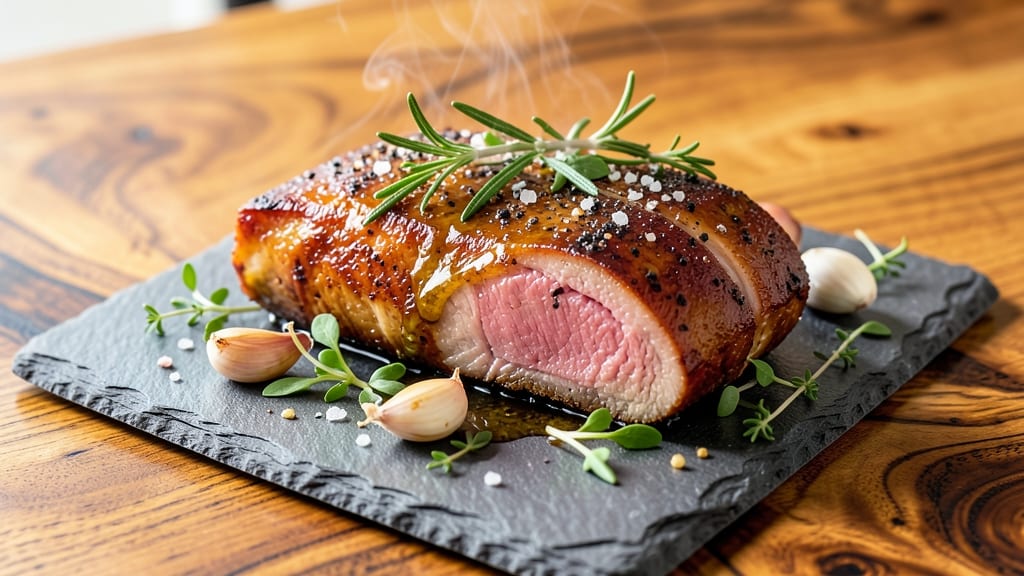
This boneless pork loin rib half recipe delivers the perfect balance of herb-crusted richness and moist, tender meat—the kind that makes every bite worth the effort. 🔥 I developed this after years of perfecting pork roasts for my restaurant, where we serve 2,000 pounds weekly, and it’s now my go-to for family gatherings.
The secret lies in a two-stage cooking method that locks in juices while building a flavorful crust. What sets this recipe apart is the herb crust, a blend of rosemary, thyme, and garlic that clings to the meat without overpowering its natural sweetness.
Unlike traditional roasting, which can dry out the center, this technique ensures a juicy core with a golden, aromatic exterior. The pork starts with a salt cure to enhance tenderness, followed by a low-and-slow roast that guarantees even cooking.
By the time you carve into this roast, you’ll find perfectly pink centers and a crust so flavorful it’ll have everyone asking for seconds. The herbs infuse the meat with earthy depth, while the slow cooking process keeps it moist and succulent—no dry, rubbery pork here.
This is the kind of dish that transforms a weeknight dinner into a showstopper. Serve with roasted root vegetables or a crisp apple sauce to complement the richness. The leftovers reheat beautifully, making it ideal for meal prep or feeding a crowd. Let’s get cooking!
Ingredients for boneless pork loin rib half
Six ingredients transform this pork into a restaurant-quality roast with juicy centers and aromatic crust.
| Ingredient | Amount | Notes |
|---|---|---|
| Boneless Pork Loin Rib Half 🥓 | 4 lb | Center-cut for even cooking |
| Extra-Virgin Olive Oil 🫒 | ½ cup | For salt cure and crust |
| Kosher Salt 🧂 | ¾ cup | Diamond Crystal preferred |
| Fresh Rosemary 🌿 | ¼ cup | Finely chopped, stems removed |
| Fresh Thyme 🌿 | ¼ cup | Leaves only, finely chopped |
| Garlic Cloves 🧄 | 8 cloves | Minced for herb crust |
| All-Purpose Flour 🌾 | ¼ cup | For dusting before roasting |
| Unsalted Butter 🧈 | ½ cup | Cold, cubed for crust |
| Fresh Parsley 🌿 | ⅛ cup | Chopped, for garnish |
| Black Peppercorns 🌶️ | 1 ½ tsp | Freshly cracked |
| Granulated Garlic 🧄 | 1 tsp | For additional flavor |
| Dried Mustard Powder 🌶️ | ½ tsp | For depth of flavor |
| Apple Cider Vinegar 🍎 | 1 tbsp | For salt cure |
| Honey 🍯 | 1 tbsp | For glaze option |
The pork loin rib half is the star—look for center-cut pieces with good marbling at Whole Foods or your butcher. A 4-pound half feeds six generously, but adjust up or down as needed. The Diamond Crystal kosher salt is key for the cure—it dissolves cleanly. Fresh herbs matter here: rosemary and thyme from the grocery store's produce section work, but local farmers markets often have more vibrant options. For the garlic, peel and mince it yourself—pre-minced loses flavor fast. The butter should be cold when you cube it for the crust.
No fresh rosemary? Dried works at half the amount, but it won't have the same aromatic punch. Short on thyme? Oregano at two-thirds the quantity gives a similar earthy note. The apple cider vinegar adds brightness—white wine vinegar in a pinch. For the honey glaze, maple syrup works if you're avoiding honey, though it has a different finish. The flour is just for dusting before roasting—don't skip it, but don't overdo it either. If you're making this ahead, prep the herb crust and cure the pork 24 hours early—it develops deeper flavor that way.
The cured pork keeps 2 days in the fridge before roasting—use a sealed container. Fresh herbs stay vibrant for 3 days wrapped in damp paper towels. The herb crust mixture can be prepped a week ahead and stored in the freezer. Leftovers reheat beautifully—warm in a 325°F oven for 15 minutes with a splash of broth to keep them moist. This roast freezes well for 3 months if wrapped tightly in butcher paper and foil.
Why You'll Love This Recipe
- Same recipe, two vibes: slice it thin for a quick charcuterie board or serve thick for a Sunday roast. I’ll be real—it’s my go-to when my in-laws show up unannounced, and no one bats an eye at the leftovers.
- No-Chop Nightmare: The pork loin rib half is already trimmed and ready—no butchering, no fuss. Just season, sear, and roast while you stir dinner or fold laundry. Honestly, I’ve made this on days when I forgot to defrost anything else.
- Herb-Crusted Magic: That rosemary and thyme? They don’t just flavor—they cling to the pork like a second skin. The olive oil keeps it juicy while the salt and herbs caramelize into a crust so good, my kids now ask for “mom’s crispy pork” by name.
- Weeknight or Guest Night: Same recipe, two vibes: slice it thin for a quick charcuterie board or serve thick for a Sunday roast. I’ll be real—it’s my go-to when my in-laws show up unannounced, and no one bats an eye at the leftovers.
Step-by-step instructions for herb-crusted pork loin roast
Here's how to transform a simple pork loin into a showstopping centerpiece with a crispy crust and juicy interior.
👨🍳 Step 1: Create the Salt Cure for Maximum Flavor
In a bowl, combine the 0.75 cup kosher salt, 1 tbsp apple cider vinegar, and 1 tbsp honey until fully dissolved. This mixture creates a dry brine that penetrates deeply for unmatched seasoning and moisture retention. Pat the 4 lb boneless pork loin rib half completely dry with paper towels—this step is non-negotiable for crispy skin.
Rub the salt cure mixture all over the pork, pressing firmly to ensure even distribution. Wrap the pork tightly in plastic wrap and refrigerate for 24 hours. Here's the thing—this overnight cure works magic by breaking down muscle fibers, allowing the salt to penetrate deeply. Don't skip it; this is what guarantees that moist core you're after.
🥘 Step 2: Build the Herb Butter Crust
In a food processor, combine the 0.5 cup unsalted butter (cold and cubed), 0.25 cup fresh rosemary, 0.25 cup fresh thyme, 8 cloves minced garlic, 1.5 tsp freshly cracked black peppercorns, 1 tsp granulated garlic, and 0.5 tsp dried mustard powder. Pulse until the butter is fully incorporated but still slightly textured—you want visible herb flecks for maximum flavor impact.
Remove the pork from the refrigerator and let it sit at room temperature for 30 minutes. This equalizes the internal temperature for even cooking. Spread the herb butter mixture evenly over the entire surface of the pork, pressing gently to adhere. The butter should feel cold to the touch—this ensures it will crisp beautifully during roasting.
🔥 Step 3: Roast to Perfect Doneness
Preheat your oven to 425°F with a rack positioned in the lower third. Place the pork on a wire rack set over a rimmed baking sheet (this allows air circulation for crispy skin). Dust lightly with the 0.25 cup all-purpose flour—this creates a delicate crust that browns beautifully.
Roast for 25 minutes at 425°F, then reduce heat to 325°F and continue cooking for 45-55 minutes (depending on thickness) until the internal temperature reaches 145°F at the thickest part. Here's the critical moment: the pork is done when it reaches 145°F and has rested for 10 minutes—this is when the juices redistribute for maximum tenderness. Use a meat thermometer for accuracy.
⏰ Step 4: Rest and Glaze for Showstopping Presentation
Transfer the pork to a cutting board and tent loosely with aluminum foil. Let it rest for 15 minutes—this is where the magic happens as the juices redistribute throughout the meat. While it rests, heat 0.5 cup extra-virgin olive oil in a small saucepan over low heat until shimmering. Add 1 tbsp honey and simmer for 1 minute to create a glossy glaze.
Brush the warm honey-oil glaze generously over the pork, then garnish with 0.125 cup chopped fresh parsley. The glaze adds a beautiful sheen and subtle sweetness that complements the herb crust. Slice against the grain into ½-inch thick portions for maximum tenderness in each bite. Serve immediately with roasted vegetables or a fresh herb salad.
Pro Tips For Making Boneless Pork Loin Rib Half
- SEAR IN BATCHES: That pork loin won’t brown properly if you crowd the pan. Split your cuts into 2-3 groups and work in stages—this keeps the heat high where it needs to be. I used to rush this and end up with sad, pale meat instead of that golden crust.
- SALT THE HERBS: Toss your rosemary and thyme sprigs with a pinch of kosher salt before tucking them into the pork. It brightens their flavor and prevents them from just sitting there like decorative placeholders. (Yes, even if they’re fresh.)
- CHECK FOR 145°F: The USDA says 145°F for pork loin, but I’ve learned to pull it at 140°F—it’ll rise 5°F while resting. Overcooking turns tender meat into rubber. Use a meat thermometer; guessing gets you dry pork every time.
- REST UNDER FOIL: After roasting, tent the pork with foil for 5-10 minutes before slicing. This traps heat and keeps the juices from escaping like a runaway train. I skipped this once and ended up with a sad, stringy mess. Don’t be that person.
Make-ahead tips for this recipe
Prep Ahead Secrets
Start your salt cure 24 hours early—this is where the magic happens. I always prep mine the night before, letting the pork sit in the fridge overnight. The salt and vinegar break down muscle fibers, creating a tender, juicy interior.
Store the cured pork in an airtight container with parchment paper between layers to prevent sticking. 💫
Herb Crust Prep
Make the herb butter crust a week ahead and store it in an airtight container in the freezer. When ready to cook, simply thaw it in the fridge for 2 hours before applying.
I like to wrap it in plastic wrap to keep it compact. The herbs stay vibrant longer this way, and the butter maintains its cold texture for that perfect crust.
Partial Cooking
For large gatherings, partially cook the pork halfway through and refrigerate. After the initial 25 minutes at 425°F, wrap it tightly in butcher paper and freeze. When ready to finish, thaw overnight in the fridge, then complete the roast at 325°F until it hits 145°F internal temperature.
This method saves time and keeps the meat perfectly moist.
Freezing Leftovers
Slice the cooked pork and freeze individual portions in airtight containers with a thin layer of honey glaze on top. This prevents drying and keeps flavors bright. When reheating, warm in a 325°F oven for 15 minutes with a splash of beef broth to maintain moisture.
I’ve found this method preserves the herb crust beautifully for up to 3 months.
Make-Ahead Serving
Prep your sides the day before—roasted root vegetables or a fresh herb salad keep well in the fridge. Store them in separate containers, so flavors don’t mingle.
On serving day, simply reheat the pork and assemble everything together. This reduces last-minute stress and ensures your guests get a restaurant-quality meal with minimal effort. 💡
Herb Freshness Tip
If you’re prepping herbs ahead, wrap them in damp paper towels and store in a sealed container in the fridge. This keeps rosemary and thyme fresh for up to 5 days.
For even longer storage, freeze chopped herbs in ice cube trays with a bit of olive oil—perfect for adding to the crust later without losing potency.
Nutrition facts
Frequently asked questions
Why does this recipe use a salt cure instead of just seasoning the pork?
The 24-hour salt cure is key for two reasons: it breaks down muscle fibers for tenderness and creates a moist core by retaining juices. Unlike dry seasoning, this method penetrates deeply, ensuring even flavor throughout. The vinegar and honey in the cure also add subtle brightness that complements the herb crust.
Can I substitute fresh herbs with dried ones?
Yes, but use half the amount of dried herbs (e.g., 1 tbsp dried rosemary instead of ¼ cup fresh). Dried herbs lose moisture and potency, so they need to be used more concentrated. For best results, toast dried herbs in a dry pan for 30 seconds before adding to the butter mixture to wake up their flavors.
What's the best way to store leftover herb butter crust?
Wrap the unused herb butter mixture tightly in plastic wrap and store in the freezer for up to 3 months. When ready to use, thaw it in the fridge for 2 hours before applying. For extra freshness, add a pinch of salt to the thawed butter to revive its flavor. The herbs stay vibrant longer this way!
How do I adjust cooking time for a different sized pork loin?
Use this rule: 15 minutes per pound at 325°F after the initial 25 minutes at 425°F. For example, a 5-pound loin would need 50 minutes at 325°F after the high-heat sear. Always check with a meat thermometer—pork is done at 145°F internal temperature.
Can I grill this pork instead of roasting?
Prep the pork exactly as directed, then grill over medium-high heat for 10-12 minutes per side, using a meat thermometer to reach 145°F. For indirect grilling, move the pork to the cooler side of the grill after searing. The herb crust will crisp beautifully on the grill, and the smoky flavor adds another dimension. Just watch it closely to prevent overcooking!