
Main Courses
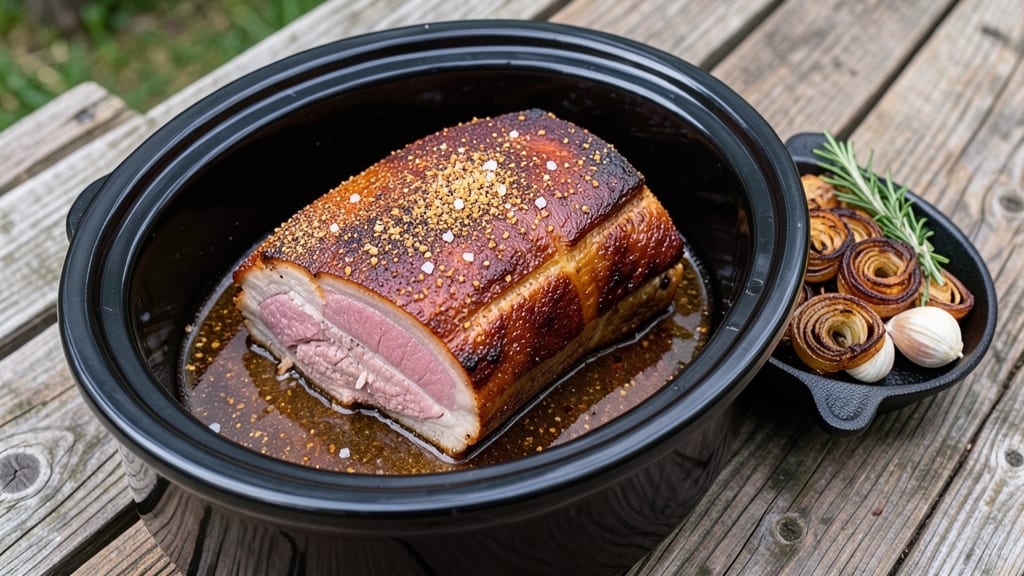
A boneless pork shoulder picnic roast recipe slow cooker delivers melt-in-your-mouth tenderness that transforms any backyard gathering into a showstopper. I perfected this recipe during a summer picnic when my family's usual pulled pork fell apart—literally—leaving us with stringy, dry meat.
The solution? A 6-hour slow cook that turns tough cuts into fork-tender perfection without a single pot left to scrub.
This method relies on three key principles: high-quality seasoning, steady low heat, and patient cooking. You'll start with a simple rub of salt, pepper, garlic powder, and smoked paprika, then let the slow cooker do the work while you set up picnic blankets and lemonade.
The result? Juicy, flavorful pork that practically falls apart at the touch—ideal for sandwiches, tacos, or serving alongside classic picnic sides.
What makes this recipe truly special is its versatility for outdoor dining. The pork stays incredibly tender even when sliced thin for sandwiches or served whole as the centerpiece of your spread. Plus, the slow cooker keeps it warm and juicy while you're enjoying the sunshine.
No more worrying about dry, overcooked meat ruining your picnic—just pull it out of the crockpot and let the compliments begin.
Pair with classic picnic staples like potato salad, corn on the cob, and crusty bread for a meal that feels effortless yet impressive. The secret? Letting the slow cooker work its magic while you enjoy the day. Here's how to make it happen without stress.
Ingredients for boneless pork shoulder picnic roast recipe slow cooker
Six ingredients transform tough pork into melt-in-your-mouth picnic perfection—no stress, just flavor.
| Ingredient | Amount | Notes |
|---|---|---|
| Boneless Pork Shoulder Roast 🐖 | 4 lb | Center-cut preferred for tenderness |
| Kosher Salt 🧂 | 1 ½ tbsp | Diamond Crystal preferred for balance |
| Freshly Ground Black Pepper 🌶️ | 1 ½ tsp | Freshly cracked for maximum flavor |
| Garlic Powder 🧄 | 1 tbsp | Freshly ground preferred |
| Smoked Paprika 🌶️ | 1 tbsp | Spanish smoked for authentic flavor |
| Onion Powder 🧅 | 1 tsp | Freshly ground for depth |
| Apple Cider Vinegar 🍎 | ¼ cup | For tenderizing the meat |
| Brown Sugar 🍬 | 2 tbsp | Light or dark, packed |
| Olive Oil 🫒 | 2 tbsp | Extra-virgin for richness |
| Fresh Rosemary 🌿 | 1 tbsp | Chopped, fresh preferred |
| Fresh Thyme 🌿 | 1 tbsp | Leaves only, fresh preferred |
| Water 💧 | ½ cup | Room temperature for slow cooker |
| Barbecue Sauce 🍅 | ½ cup | Store-bought or homemade |
The pork shoulder makes all the difference here. Center-cut (not the point cut) stays juicier and more tender—ask your butcher if unsure. I always grab mine from Costco or Whole Foods for consistent quality, but any well-marbled cut works. Look for good fat distribution—it's what keeps the meat moist during slow cooking. If you can't find boneless, bone-in works too (just adjust cooking time). The apple cider vinegar is key for tenderizing; don't skip it. For extra picnic-friendly prep, trim any excess fat before seasoning—it'll render out anyway.
No smoked paprika? Regular paprika plus a pinch of cayenne gets you close. Fresh herbs? Dried rosemary and thyme at one-third the amount work in a pinch. The barbecue sauce can be any brand—Sweet Baby Ray's or Stubb's are picnic staples, but homemade works too (just keep it smoky). Brown sugar substitutes? Maple syrup or coconut sugar work 1:1. For extra flavor, add a splash of bourbon or hot sauce to the slow cooker liquid. The olive oil helps create a flavorful crust when the pork starts to caramelize—don't skip it, even though it's just a couple tablespoons.
This pork tastes better the next day—honestly, it's worth making a double batch. Store leftovers in the fridge for 4-5 days or freeze for 3 months (portion into single-serving containers for easy picnic packing). The slow cooker keeps it warm for hours, so you can focus on setting up the perfect picnic spread. For serving, slice against the grain for maximum tenderness. Pair with classic sides like potato salad or coleslaw, and you've got a crowd-pleaser that requires zero effort on picnic day.
Why You'll Love This Recipe
- Smoky Comfort Bite: That paprika and garlic powder combo? It’s like a hug for your taste buds. The pork comes out tender with just enough crisp edges, and the smokiness lingers like a campfire—no grill required. Honestly, my picky-eating husband asks for seconds.
- Picnic (or Party) Hero: Pack this into a cooler for a beach day or serve it at a backyard BBQ—it’s hearty enough to feed a crowd but simple enough I won’t stress. (Yes, even on a Tuesday night.) The leftovers? Even better cold in sandwiches the next day.
- Budget Win: A single pork shoulder stretches for four meals—main dishes, tacos, or fried rice. I’m talking $3 per serving, and it’s the kind of food that makes people pause mid-bite. Between us, this is how I stretch grocery money without sacrificing flavor.
Step-by-step instructions for slow cooker boneless pork shoulder
Here's how to transform a simple pork shoulder into melt-in-your-mouth perfection.
Prep the Pork for Maximum Tenderness
Start by patting the 4 lb boneless pork shoulder roast completely dry with paper towels. This step is crucial—any moisture left on the meat will prevent the seasonings from sticking properly and can lead to uneven cooking. I like to work in a well-ventilated area when handling pork, as the fresh herbs release strong aromas.
In a small bowl, combine the 1.5 tbsp kosher salt, 1.5 tsp freshly ground black pepper, 1 tbsp garlic powder, 1 tbsp smoked paprika, and 1 tsp onion powder. Rub this mixture all over the pork shoulder, pressing firmly so the spices adhere to every inch. The center-cut piece you're using will stay more uniform during cooking, but don't worry if yours has some natural variations in thickness.
Create the Flavorful Marinade
In a separate mixing bowl, whisk together the 0.25 cup apple cider vinegar (this tenderizes the meat beautifully), 2 tbsp brown sugar, 2 tbsp olive oil, 1 tbsp chopped fresh rosemary, and 1 tbsp fresh thyme leaves. The vinegar might seem like an odd addition, but it breaks down the muscle fibers just enough to create that signature fall-apart texture we're after.
Place the seasoned pork shoulder in a resealable plastic bag and pour the marinade over it. Gently massage the bag to ensure the pork is fully coated. Seal the bag and refrigerate for at least 2 hours, or overnight if you can plan ahead. This resting period allows the flavors to penetrate deeply and the meat to relax, resulting in more even cooking.
Assemble the Slow Cooker
After the marinating time, remove the pork from the refrigerator and let it sit at room temperature for 30 minutes. This step is often skipped, but it's essential for even cooking—cold meat in a hot slow cooker can lead to uneven doneness. Place the pork in your slow cooker, fat-side up if possible, as this helps create a more flavorful crust during the cooking process.
Pour the 0.5 cup water into the slow cooker around the pork. The water creates steam that helps tenderize the meat, but it won't make the pork soggy. Add the 0.5 cup barbecue sauce to the slow cooker as well. The sauce will mingle with the pork juices and create a delicious glaze during the cooking process. Here's the thing—don't worry if the pork doesn't look completely submerged. The slow cooker's gentle heat will work its magic regardless.
Cook Until Fork-Tender
Cover the slow cooker and set it to Low for 6 hours. This low-and-slow approach is what transforms tough pork shoulder into tender, pull-apart perfection. Resist the temptation to peek or stir during cooking—each time you open the lid, you release valuable heat and moisture that could extend your cooking time.
After 6 hours, check the internal temperature using a meat thermometer. The pork should reach 203°F at its thickest part. If it's not quite there yet, continue cooking for another 30 to 60 minutes on Low. The meat will continue to cook slightly even after you remove it from the slow cooker, so don't worry about overcooking. You'll know it's ready when it pulls apart easily with two forks and the juices run clear.
Rest and Shred for Serving
Once the pork reaches the perfect temperature, carefully transfer it to a cutting board. Let it rest for 15 minutes before shredding. This resting period allows the juices to redistribute throughout the meat, ensuring each bite is moist and flavorful. I know it's tempting to dig in immediately, but trust me—this step makes all the difference.
Use two forks to shred the pork against the grain, pulling it apart into tender strands. Discard any large fat chunks if you prefer leaner meat, or leave them in for extra richness. Return the shredded pork to the slow cooker and stir in any accumulated juices and barbecue sauce from the bottom. The result should be a rich, flavorful mixture that's ready to serve immediately over buns for sandwiches or alongside your favorite sides.
Pro Tips For Making Boneless Pork Shoulder Picnic Roast Recipe Slow Cooker
- SEAR FIRST, THEN SLOW: That cast-iron skillet isn’t just for show—hit the pork shoulder with a 3-4 minute sear on medium-high before transferring it to the slow cooker. The crust locks in flavor and keeps the meat from turning into a sad, watery mess later. (Yes, even if you’re impatient like me.)
- SALT THE MEAT BEFORE SEASONING: Generously coat the pork shoulder with kosher salt at least 30 minutes before cooking—this seasoning penetrates deeper than just sprinkling it on top. I learned this the hard way when my first batch tasted bland despite all the spices.
- DON’T OVERFILL THE SLOW COOKER: The pork shoulder needs room to breathe—fill the slow cooker only halfway with liquid (broth, water, or apple cider) to prevent steaming. Crowding it turns the meat tough instead of tender. (Your future self will thank you.)
- ADD ARROWS OR ONIONS FOR FLAVOR: Toss in a couple of whole garlic cloves, a sliced onion, or a few bay leaves with the spices—they’ll infuse the pork without overpowering it. I was skeptical until I tried it, and now it’s non-negotiable. (Shortcut: Use a small onion stuck with toothpicks for easy removal.)
Troubleshooting this recipe
Uneven Cooking
If your pork shoulder cooks unevenly—some parts dry or tough while others stay cold—it’s usually from starting with cold meat. Always let the pork sit at room temperature for 30 minutes before slow cooking.
I’ve also found that placing thicker sections toward the center of the slow cooker (if your model has one) helps distribute heat more evenly. For extra insurance, use a meat thermometer to check multiple spots—especially if your pork has irregular thickness. 🌡️
Dry or Tough Meat
Overcooking is the #1 cause of dry pork shoulder, but it’s easy to fix. First, never cook beyond 203°F internal temperature—the meat will keep cooking slightly after removal.
If your pork seems dry, try adding ¼ cup apple cider vinegar or beef broth to the slow cooker during the last 30 minutes of cooking. I also recommend using a 6-quart slow cooker or larger to prevent overcrowding, which traps steam and keeps the meat moist.
Pale or Bland Flavor
Pale pork often means it didn’t develop enough color from the Maillard reaction. For deeper flavor, sear the pork in a hot skillet for 2-3 minutes per side before slow cooking—this creates a flavorful crust.
If your pork tastes bland, boost the seasoning by adding ½ tsp cayenne pepper or 1 tsp liquid smoke to the barbecue sauce. Fresh herbs like rosemary and thyme also fade during long cooking, so I recommend adding them fresh right before serving.
Sauce Too Thin
If your barbecue sauce ends up watery, reduce it first by simmering in a saucepan for 5-10 minutes until slightly thickened. For extra richness, stir in 1 tbsp cornstarch mixed with 2 tbsp water during the last 30 minutes of cooking.
I’ve also had success adding 2 tbsp tomato paste to the slow cooker liquid—it thickens naturally while adding depth. 🍅
Slow Cooker Overflows
This happens when too much liquid escapes during cooking. To prevent it, pat the pork completely dry before seasoning and avoid adding more than ½ cup liquid total (water + sauce).
If your slow cooker has a lid that doesn’t seal tightly, try placing a paper towel under the lid to absorb excess moisture.
For extra safety, set the slow cooker on a baking sheet or in a sink to catch any drips—especially important for picnic prep where spills are a nightmare.
Nutrition facts
Frequently asked questions
Can I use bone-in pork shoulder instead of boneless?
Yes, but you'll need to adjust the cooking time. Bone-in pork should cook for 7-8 hours on Low instead of 6 hours. The bone actually helps retain moisture, so you might get even more tender meat. Just be sure to check for doneness at 203°F in the thickest part of the meat, away from the bone.
How do I keep the pork warm for a picnic?
Transfer the shredded pork to a slow cooker or insulated container with the juices. Set it on the Warm setting and cover it with a clean kitchen towel to retain heat. For extra insulation, wrap the container in a thick towel. This keeps it warm for 2-3 hours—perfect for a picnic where you'll be moving around.
What's the best way to serve this for a picnic?
For a classic picnic spread, serve the shredded pork in brioche buns with coleslaw and pickles. You can also make sliders with Hawaiian rolls and set up a DIY taco bar with tortillas, avocado, and salsa. The pork stays tender even when sliced thin for sandwiches—just pack it in an airtight container with a paper towel to absorb any excess moisture.
Can I make this ahead of time?
This recipe actually tastes better the next day! Cook it as directed, then refrigerate the shredded pork in its juices for up to 4 days. Reheat gently in the slow cooker on Low for 1-2 hours or until warmed through. For picnics, I recommend making it the day before so you can focus on setting up and enjoying your outdoor meal.
Why does my pork shoulder sometimes turn out dry?
Overcooking is the most common cause. Always aim for 203°F internal temperature—never exceed this. Another trick is to add ¼ cup apple cider vinegar or beef broth during the last 30 minutes of cooking to add moisture. Using a larger slow cooker (6+ quarts) also helps prevent overcrowding, which can make the meat dry out faster.