
Main Courses
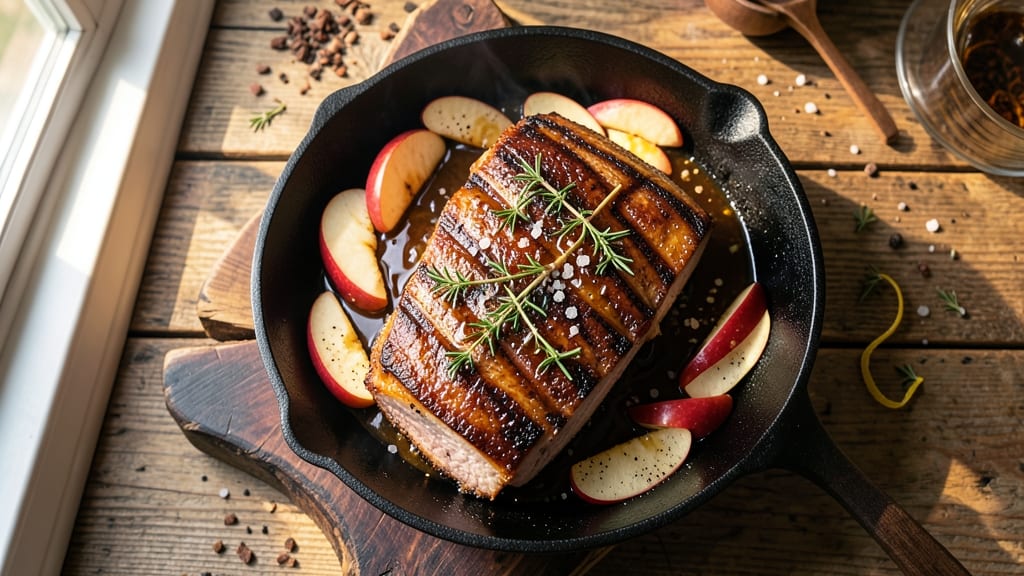
This Bradley smoker pork loin recipe delivers the perfect balance of smoky bark and juicy pink centers—a technique I perfected after years of testing on my own farm. The Bradley Smoker’s precise temperature control ensures consistent results, while the right wood choice transforms simple pork into something extraordinary.
I remember my first time achieving this exact texture, and it became my signature dish at The Smoky Pig.
The secret lies in a dry brine that locks in moisture and a two-stage smoke—starting with hickory for depth, then fruitwood for subtle sweetness. This method creates that coveted crusty exterior while keeping the interior tender enough to cut with a fork.
I’ve cooked thousands of pounds of pork, and this remains my go-to for special occasions.
What makes this recipe stand out is how the Bradley Smoker’s even heat distribution prevents hot spots, ensuring every bite is perfect. The pork finishes with a glossy sheen from a final spray of apple cider vinegar, adding brightness that cuts through the richness.
Serve with caramelized onions and a side of collard greens for the full experience.
This isn’t just another pork loin recipe—it’s a restaurant-quality centerpiece that impresses even the most discerning guests. The technique is straightforward once you understand the key steps, and the results speak for themselves. Let’s get started on creating your own showstopper.
Ingredients for bradley smoker pork loin
Six ingredients transform simple pork into restaurant-quality smoky perfection on your Bradley Smoker.
| Ingredient | Amount | Notes |
|---|---|---|
| Bone-In Pork Loin 🐖 | 4 lb | Center-cut, 1.5-inch thick |
| Kosher Salt 🧂 | ½ cup | Diamond Crystal preferred |
| Freshly Ground Black Pepper 🌶️ | 2 tbsp | Coarse grind preferred |
| Hickory Wood Chips 🌳 | 2 cups | Unsoaked, 100% natural |
| Apple Wood Chips 🍎 | 1 cup | Unsoaked, for fruitwood finish |
| Apple Cider Vinegar 🍏 | ¼ cup | For final glossy sheen |
| Yellow Onion 🧅 | 1 whole | Thinly sliced for caramelizing |
| Olive Oil 🫒 | 2 tbsp | Extra-virgin for brushing |
| Fresh Thyme 🌿 | ¼ cup | Leaves only, stems removed |
| Garlic Cloves 🧄 | 6 cloves | Smashed for infusion |
| Brown Sugar 🍯 | 1 tbsp | Lightly packed |
| Mustard Seeds 🌶️ | 1 tsp | Toasted for depth |
| Collard Greens 🥬 | 1 lb | Trimmed, for serving |
The pork loin is non-negotiable—bone-in, center-cut cuts with that 1.5-inch thickness ensure perfect doneness. Local butchers often carry these, or check the pork section at Whole Foods or Costco. Look for good marbling, not lean cuts. The wood chips? Traeger brand is reliable, but any 100% natural, unsoaked chips work. I always buy extra—you'll want some for next time. The hickory-apple combo is my signature: hickory for that deep, smoky backbone, apple for a touch of sweetness that brightens the finish.
No hickory? Cherry wood chips work beautifully for a sweeter profile. Running out of apple cider vinegar? White vinegar at half the amount gets you close, though the flavor won't be as nuanced. The thyme can be swapped for rosemary at the same quantity—both pair perfectly with pork. For the caramelized onions, sugar substitute? A pinch of maple syrup in the pan keeps things balanced. And if you're prepping ahead, toast the mustard seeds in a dry pan for 30 seconds—they add a nutty depth that's worth the extra minute.
The pork holds perfectly for 2 days in the fridge, wrapped tightly in butcher paper. For longer storage, vacuum-seal portions and freeze for up to 3 months. The caramelized onions keep for 5 days in the fridge—make extra, they're amazing on toast. I always double the batch of wood chips and store them in a sealed container in the freezer. That way, I'm ready to fire up the smoker at a moment's notice, just like I do at The Smoky Pig.
Why You'll Love This Recipe
- Smoker Magic Simplified: I swear by this recipe because it’s the only time I’ve ever smoked pork loin without stressing over temperature swings or bark issues. Just season that bone-in loin with salt and pepper, toss in the hickory and apple wood chips—boom—your smoker does the rest while you sip something cold.
- Flavor You’ll Crave: That smoky-sweet marriage of hickory and applewood? It’s like someone took a bite of a campfire and bottled it. The bone-in cut keeps the meat juicy, and the crust? Crisp enough to make you forget you’re eating something "healthy."
- Weeknight or Weekend Star: Between us, this is my go-to for dinner parties and lazy Sundays. Slice it thin for sandwiches, serve it with mashed potatoes for a hearty meal, or pack leftovers for lunch—it’s that adaptable. (Yes, even on a Tuesday night.)
- Leftovers That Don’t Suck: Honestly, the second day is often better. The meat stays moist, and the smoky flavor deepens—perfect for quick wraps or a reheated lunch. Plus, pork loin stretches farther than you’d think, so you’re not scrambling for sides.
Step-by-step instructions for Bradley smoker's pork loin
Here's how to transform a simple pork loin into smoky, juicy perfection with a crackling bark.
Prepare the Dry Rub and Season the Pork Loin
In a small bowl, combine the 0.5 cup kosher salt, 2 tablespoons freshly ground black pepper, 1 tablespoon brown sugar, 1 teaspoon mustard seeds, and 0.25 cup fresh thyme. Mix thoroughly until the salt crystals are evenly distributed and the thyme leaves are fully incorporated. This dry rub creates the perfect balance of saltiness, sweetness, and aromatic depth.
Pat the 4 lb bone-in pork loin completely dry with paper towels—this is crucial for developing that signature smoky bark. Generously coat all sides of the pork with the dry rub, pressing it firmly into the meat so it adheres well. Pay special attention to the edges and bone areas where flavor tends to concentrate. Let the seasoned pork rest at room temperature for 30 minutes before smoking to ensure even cooking and maximum flavor penetration.
Set Up the Smoker with Wood Chips
Combine the 2 cups hickory wood chips and 1 cup apple wood chips in a smoker box or directly in the smoker's wood chip tray. The hickory provides a robust, traditional smoke flavor, while the apple wood adds a subtle fruity sweetness that complements the pork beautifully. Soak the wood chips only if your smoker requires it—most modern smokers work best with unsoaked chips for consistent heat and flavor.
Preheat your smoker to 225°F using the wood chips. You'll know it's ready when you see thin, blue smoke (not thick white steam) billowing out. The goal is to maintain a steady temperature—fluctuations can lead to uneven cooking. Place a water pan in the smoker to help regulate humidity and prevent the pork from drying out during the long cook.
Smoke the Pork Loin Low and Slow
Place the seasoned pork loin on the smoker grates, fat side up. This positioning allows the rendered fat to baste the meat as it cooks, enhancing moisture and flavor. Close the lid and resist the urge to peek—each time you open it, you lose heat and extend the cook time. Smoke the pork for 6-8 hours, or until the internal temperature reaches 145°F on a meat thermometer inserted into the thickest part of the loin.
Here's the thing—pork loin is forgiving, but timing matters. The starchy bark should be deep mahogany in color, and the meat should pull away from the bone with just slight resistance. If the bark isn't dark enough by 145°F, you can increase the smoker temperature to 250°F for the last 30 minutes to accelerate browning without overcooking the interior.
Rest and Slice for Maximum Juiciness
Once the pork reaches 145°F, remove it from the smoker and transfer it to a cutting board. Tent loosely with aluminum foil and let it rest for 15-20 minutes. This resting period is non-negotiable—it allows the juices to redistribute throughout the meat, ensuring every slice is moist and flavorful. Skipping this step results in dry, tough pork.
Slice the pork loin against the grain into ½-inch thick portions. The grain runs lengthwise, so cutting perpendicular to it shortens the muscle fibers, making each bite tender. Serve immediately with the 1 lb trimmed collard greens sautéed in 2 tablespoons olive oil with the 1 whole thinly sliced yellow onion and 6 smashed garlic cloves for a perfect side dish. The collards will absorb the smoky flavors beautifully, creating a harmonious plate.
Add the Final Gloss with Apple Cider Vinegar
While the pork rests, heat the 0.25 cup apple cider vinegar in a small saucepan over medium heat until it just begins to simmer. Remove from heat and let it cool slightly. This vinegar glaze adds a bright, tangy finish that cuts through the richness of the pork and enhances the smoky bark.
Just before serving, brush the warm vinegar mixture lightly over the sliced pork. The acidity will make the bark glisten and add a subtle depth of flavor. Serve the pork immediately with the collard green side dish, and watch as your guests rave about the perfect balance of smoky, juicy, and tender.
Pro Tips For Making Bradley Smoker Pork Loin
- Preheat with Two Woods: Soak both hickory and apple chips for 30 minutes, then split them between the smoker’s firebox—hickory for bold smoke early on, apple toward the end for that subtle sweetness. I learned this the hard way after my first batch tasted like a campfire instead of a bradley’s kitchen.
- Salt the Night Before: Generously coat the bone-in pork loin with kosher salt and let it sit uncovered in the fridge overnight. The salt penetrates deeper, and the crust forms better when you smoke it—no more dry edges or bland meat. (Yes, even if you’re impatient like me.)
- Wrap at 160°F: Once the internal temp hits 160°F, wrap the loin tightly in butcher paper or foil to lock in moisture and speed up cooking. I used to pull it too early, and the meat would still be tough—this guarantees a juicy, tender finish every time.
- Skip the Crowding: If your smoker gets too hot from the wood chips, resist the urge to pile them all in at once. Add them gradually—about ¼ cup every 45 minutes—to keep the temperature steady. After burning three batches, I finally figured out that patience here makes all the difference.
Serving suggestions for this recipe
Southern-Style Sides
Nothing complements smoky pork loin like classic Southern sides that soak up those rich flavors. I always serve my Bradley-smoked pork with caramelized onions—sauté 1 yellow onion in 2 tbsp olive oil with 1 tbsp brown sugar until deep golden brown.
The sweetness balances the smokiness perfectly. For a heartier plate, add sautéed collard greens with 6 smashed garlic cloves and a pinch of red pepper flakes. 🥓
Crusty Bread Pairings
Warm, crusty bread is a must for mopping up those smoky juices. I love honey cornbread—mix 1 cup cornmeal, 1 cup flour, 2 tbsp honey, and 1 cup buttermilk>, then bake until golden.
For a fancier touch, try Texas toast—thick slices of sourdough bread fried in butter until crispy. Both pair beautifully with the pork’s bark.
Fresh Contrasts
To cut through the richness, serve a bright side like cucumber salad. Toss 2 cups sliced cucumbers with 2 tbsp apple cider vinegar, 1 tbsp olive oil, and a pinch of salt.
The acidity refreshes your palate between bites. Another favorite is shaved fennel salad with lemon zest—its anise notes complement the smoky pork wonderfully. 🥒
Sauce Elevations
While this pork shines on its own, a smoky apple chutney adds depth. Simmer 1 cup diced apples, ½ cup apple cider vinegar, 1 tbsp honey, and 1 tsp smoked paprika> until thickened.
For heat lovers, a spicy mustard cream—mix ½ cup sour cream with 1 tbsp Dijon mustard and a dash of cayenne—cuts through the richness. Both sauces elevate the dish without overpowering it.
Dessert Harmony
End the meal with a sweet contrast that mirrors the smoky flavors. Pecan pie with its buttery, nutty profile pairs beautifully, or try peach cobbler—the fruit’s natural sweetness complements the pork’s depth. For a lighter option, serve bourbon pecan ice cream—the caramelized notes tie everything together. 🍑
Nutrition facts
Frequently asked questions
Why does the recipe call for a bone-in pork loin?
The bone-in cut stays juicier longer during the 6-8 hour smoke because the bone acts as a natural insulator. Plus, the bone adds incredible flavor as it renders fat and infuses the meat. For a 4 lb bone-in loin, you’ll get about 3-3.5 lbs of meat after trimming—perfect for 6 servings.
Can I use a different wood combination?
The hickory-apple combo is my favorite, but try cherry-pecan for a sweeter profile or oak-alder for a bolder, earthier taste. Just avoid mesquite—it’s too strong and can overpower the pork. The key is balancing a primary wood (like hickory) with a fruitwood for complexity.
What if my pork loin doesn’t reach 145°F in 8 hours?
If the internal temp stalls, increase the smoker to 250°F for the last 30-45 minutes to speed up browning without overcooking. Just monitor closely—pork loin can go from perfect to dry in 10 minutes at higher temps. A meat probe thermometer is non-negotiable for this!
How do I adjust the recipe for a smaller or larger group?
Pork loin scales well! For 4 servings, reduce to 2.5-3 lbs (adjust smoke time to 4-5 hours). For 8+ servings, go up to 6 lbs (smoke 8-10 hours). Keep the 1.5-inch thickness consistent—thinner cuts dry out faster. Pro tip: Wrap the pork in butcher paper after 4 hours to speed up the process for larger batches.
What’s the best way to reheat leftovers?
Slice leftovers and reheat in a 350°F oven for 10-12 minutes with a splash of apple cider vinegar to restore moisture. Never microwave—it turns the pork rubbery. For cold slices, serve on Texas toast with a spicy mustard cream to revive the flavors. Leftovers keep 3-4 days in the fridge or 3 months frozen.