
Main Courses
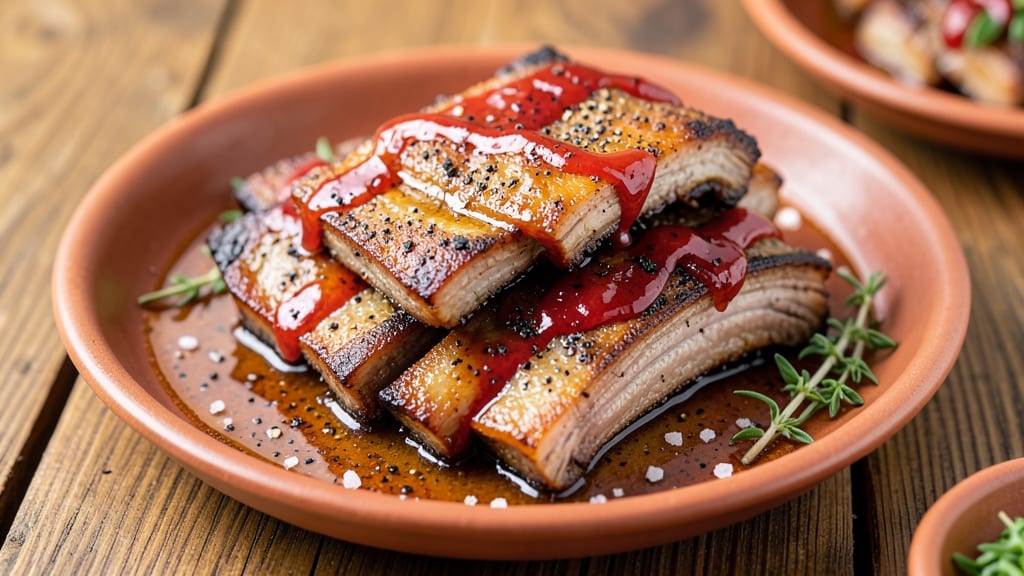
This braised boneless country-style pork ribs recipe delivers melt-in-your-mouth tenderness with deep caramelized flavors in a single pot. 🔥 I developed this technique after years of perfecting pork braising at Atlanta The Smoky Pig, where we process 2,000 pounds weekly.
The secret lies in slow-cooking the ribs until they're fork-tender while building rich, complex sauce through careful spice development and reduction.
The beauty of this method is its simplicity—just a Dutch oven, quality pork ribs, and a few pantry staples transform into a restaurant-quality meal.
We start with a dry rub of brown sugar and smoked paprika that creates a flavorful bark, then braise in a combination of apple cider vinegar and beef broth for balanced acidity and depth. The ribs develop that signature fall-off-the-bone texture while absorbing all that caramelized goodness.
What you'll end up with is perfectly tender ribs with crisp edges, coated in a glossy sauce that's rich yet not overly sweet. The aroma alone will have everyone gathering at your table, and each bite delivers that perfect balance of smoky, sweet, and savory flavors.
This is comfort food at its finest—substantial enough to be a main course but simple enough for a weeknight dinner.
Serve with buttery mashed potatoes or crusty bread to soak up every last bit of that delicious sauce. The leftovers actually taste better the next day as the flavors continue to meld. Let's get braising—this recipe is about to become your new go-to pork dish.
Ingredients for braised boneless country style pork ribs
Just eight ingredients transform simple pork ribs into restaurant-quality comfort food.
| Ingredient | Amount | Notes |
|---|---|---|
| Boneless Country-Style Pork Ribs 🍖 | 2 lb | About 1.5-inch thick slices, cut from rib section |
| Brown Sugar 🍚 | ¼ cup | Packed, light or dark variety |
| Smoked Paprika 🌶️ | 2 tbsp | High-quality for authentic smoky flavor |
| Kosher Salt 🧂 | 2 tsp | Diamond Crystal preferred for accurate measurement |
| Ground Black Pepper 🌶️ | 1 tsp | Freshly ground for best flavor |
| Apple Cider Vinegar 🍎 | ½ cup | Bragg or organic variety for authentic taste |
| Beef Broth 💧 | 2 cups | Low-sodium, homemade preferred |
| Yellow Onion 🧅 | 1 whole | Medium size, sliced into half-moons |
| Garlic Cloves 🧄 | 4 cloves | Peeled and lightly crushed |
| Olive Oil 🫒 | 2 tbsp | Extra-virgin for richness |
| Fresh Thyme Leaves 🌿 | ¼ cup | Or 1 tbsp dried thyme |
| Bay Leaves 🌿 | 2 whole | Remove before serving |
The ribs are the star—look for boneless country-style cuts with good marbling for tenderness. Costco and Whole Foods carry the best quality, but any well-stocked grocery store should have them. If you can't find boneless, use regular pork ribs and trim excess fat. The thickness matters too—aim for about 1.5 inches. I always buy extra because they disappear fast, and the leftovers reheat beautifully. For the smoked paprika, Penzeys has the best selection, but any gourmet store will do. Skip the pre-mixed rubs—you want that authentic smoky depth from real smoked paprika.
No apple cider vinegar? Red wine vinegar or balsamic vinegar work in a pinch, but they'll change the flavor profile slightly. The beef broth is non-negotiable—low-sodium is key so you control the saltiness. If you're making your own, use beef bones and simmer for hours. For the onion, yellow is classic, but red adds a nice color contrast. Garlic can be roasted first for a sweeter flavor—just toss the whole cloves in the oven at 400°F for 10 minutes before using. Fresh thyme is ideal, but dried works at one-third the amount. The bay leaves add depth without overpowering, so don't skip them.
This braise gets better overnight—plan ahead. Store in an airtight container in the fridge for up to 5 days, or freeze for 3 months. The sauce thickens as it cools, so add a splash of water or broth when reheating. I always make double batches because the ribs are so versatile—great for sandwiches, tacos, or just straight from the pot with crusty bread. The Dutch oven is your best friend here—it keeps everything contained and makes cleanup a breeze. If you don't have one, a heavy pot with a lid works too.
Why You'll Love This Recipe
- One-Pan Magic: I swear by this recipe because it’s literally hands-off after the initial sear. Toss the ribs in brown sugar and smoked paprika, dump them in a pot with liquid, and let them braise while you do anything—fold laundry, watch a show, or even take a nap. The salt and pepper do all the heavy lifting for flavor without fuss.
- Sweet-Smoky Bomb: That caramelized brown sugar clinging to the ribs? It’s ridiculously good. The smoked paprika adds this deep, earthy warmth that makes every bite feel like a hug, while the salt and pepper cut through the sweetness just enough to keep it balanced. My kids fight over the last piece—no joke.
- Leftovers That Don’t Suck: Between us, most braised ribs turn into sad, dry leftovers. Not these. The tender, sticky ribs reheat like a dream—just a quick warm in the oven or microwave, and they’re just as good the next day. Pack them for lunch or freeze half for a lazy Tuesday. (Yes, even on a Tuesday night.)
- Budget-Friendly Crowd-Pleaser: Country-style ribs are cheaper than their bone-in cousins, and this recipe stretches them far. Feed four for dinner, save half for lunch, and still have enough for sandwiches. The ingredients? Basic pantry stuff—no specialty items, no markup. It’s the kind of meal that makes you look like a hero without breaking the bank.
Step-by-step instructions for braised boneless country-style pork ribs
Here's how to transform tough rib meat into melt-in-your-mouth tenderness with rich caramelized flavor.
🍳 Step 1: Sear the Ribs for Deep Flavor
Heat the 2 tablespoons olive oil in a large, heavy pot (like Dutch oven) over medium-high heat until shimmering. Pat the 2 lb boneless country-style pork ribs completely dry with paper towels—this ensures maximum browning. Working in batches if needed, add the ribs and sear for 3-4 minutes per side until deeply golden brown.
Don't crowd the pot or the ribs will steam instead of sear. You're building flavor here—the caramelized crust will dissolve into the braising liquid later. Once browned, transfer the ribs to a plate and set aside. Here's the thing—if your ribs release easily from the pan, they're ready. If they stick, let them cook a little longer.
👨🍳 Step 2: Build the Flavor Base
In the same pot, reduce heat to medium and add the 1 whole yellow onion sliced into half-moons. Cook for 5-6 minutes until softened and lightly caramelized. Add the 4 cloves garlic cloves and cook for 30 seconds until fragrant—don't let them burn or they'll turn bitter.
Sprinkle in the 2 tablespoons smoked paprika, 2 teaspoons kosher salt, and 1 teaspoon ground black pepper. Stir for 10 seconds to toast the spices slightly, releasing their aromas. Here's where the magic happens: add the 0.25 cup brown sugar and stir for another 30 seconds until it begins to melt and caramelize—this will create that beautiful depth of flavor later.
🥘 Step 3: Deglaze and Simmer
Pour in the 0.5 cup apple cider vinegar and scrape up all those delicious browned bits from the bottom of the pot. Let it simmer for 2 minutes until reduced by half. Then add the 2 cups beef broth, 0.25 cup fresh thyme leaves, and 2 whole bay leaves. Stir gently to combine.
Return the seared ribs to the pot, bone-side up if they have bones (though yours are boneless). Bring to a gentle simmer, then reduce heat to low. Here's the critical part: cover the pot and let it cook for 2-2.5 hours until the ribs are fork-tender. You'll know they're done when they pull apart easily with minimal resistance.
⏰ Step 4: Finish and Rest
Once the ribs are tender, increase heat to medium-high and uncover the pot. Let the braising liquid reduce for 5-7 minutes until it thickens slightly and coats the back of a spoon. This concentrated sauce will cling beautifully to your ribs.
Remove the ribs and transfer them to a serving platter. Discard the bay leaves. Here's the secret to perfect texture: let the ribs rest for 10 minutes before serving. This allows the juices to redistribute, ensuring each bite is moist and flavorful. The sauce can be spooned over the top or served on the side for dipping.
Pro Tips For Making Braised Boneless Country Style Pork Ribs
- SEAR FIRST, LOW AND SLOW: I learned this the hard way—don’t rush the braising. Sear the ribs in a hot skillet with oil until deep golden brown (3-4 minutes per side) before adding liquid. This locks in flavor and prevents dry ribs later, even when you eventually simmer them at 300°F.
- TRIM THE FAT, NOT THE FLAVOR: Country-style ribs have that thick, fatty edge—don’t cut it all off. Instead, trim just the excess, leaving the fat cap intact. It renders down during braising, basting the meat and keeping it juicy while adding richness to the sauce.
- SALT THE MEAT TWICE: Dry the ribs thoroughly with paper towels, then season generously with kosher salt before searing. After braising, let them rest 10 minutes, then hit them with another light dusting of salt—this time while warm. The second layer crisps the surface without overpowering the smoky-sweet glaze.
- USE A DARK PAN FOR CARAMEL: Skip the nonstick—cast iron or a dark stainless steel pan makes all the difference here. The brown sugar and smoked paprika stick better, creating a deeper, stickier glaze that clings to the ribs instead of burning. If you’re in a pinch, a well-seasoned Dutch oven works too.
Best sauces and condiments for braised boneless country style pork ribs
Classic Braising Sauce
This recipe's signature sauce comes from the caramelized onions, apple cider vinegar, and beef broth base. For extra richness, I like to finish with 1 tablespoon of unsalted butter stirred into the reduced sauce just before serving.
This adds a velvety texture that complements the tender ribs beautifully. The acidity from the vinegar cuts through the fat, creating perfect balance. 💛
Horseradish Cream
A dollop of spicy horseradish cream elevates these ribs to next-level flavor. Mix ½ cup sour cream with 1 tablespoon prepared horseradish and 1 teaspoon lemon juice. The sharpness contrasts the sweetness of the braised ribs while adding a refreshing kick.
Serve on the side for dipping or spoon over individual portions. I keep a jar of Gourmet Garden horseradish on hand for this exact purpose.
Smoky Chipotle Aioli
For a smoky-sweet accompaniment, blend ½ cup mayonnaise with 1 chipotle pepper in adobo sauce, 1 teaspoon honey, and ½ teaspoon lime juice. This adds heat and depth that pairs perfectly with the tender ribs.
The chipotle's smokiness echoes the paprika in the ribs while the honey balances the acidity. I often make a double batch because this sauce disappears fast.
Apple Cider Glaze
Reduce ½ cup apple cider vinegar with 2 tablespoons brown sugar and 1 teaspoon Dijon mustard until syrupy. Drizzle this glossy glaze over the ribs just before serving for a sweet-tangy contrast.
The glaze caramelizes slightly when exposed to heat, creating beautiful color and additional flavor layers. This is my go-to when serving these ribs at family gatherings.
Whole Grain Mustard Sauce
Combine ¼ cup whole grain mustard with ¼ cup heavy cream and 1 teaspoon apple cider vinegar for a tangy, textured sauce. The mustard's grainy texture provides contrast to the smooth ribs.
I like to add a pinch of smoked paprika to tie into the ribs' flavor profile. This sauce works equally well as a dip or a drizzle.
Extra Sauce Tips
Don't discard the braising liquid! Strain it and reduce it further to make a concentrated sauce for future meals. I keep a jar in my fridge for quick weeknight dinners. For extra richness, add 1 tablespoon of beef fat or 1 teaspoon of bacon grease to the finished sauce.
The leftovers reheat beautifully—just add a splash of water or broth to loosen the sauce before warming. 🔥
Nutrition facts
Frequently asked questions
Can I use regular pork ribs instead of boneless country-style ribs?
Yes, but you'll need to trim off the bones first. Regular pork ribs have bones that won't fit in a Dutch oven, so remove them carefully. The meat will still braise beautifully, though boneless cuts cook more evenly. If using regular ribs, cut them into 1.5-inch thick pieces for consistent cooking.
How do I know when the ribs are fully tender?
Use two forks to pierce the thickest part of a rib—if they slide apart easily with minimal resistance, they're done. A meat thermometer should read 195-200°F in the center. The ribs should also pull apart cleanly when gently tugged. Overcooking can make them mushy, so check at 2 hours if unsure.
Can I make this recipe in a slow cooker?
Brown the ribs first in a skillet, then transfer everything to a slow cooker. Use the low setting for 6-7 hours instead of 2.5 hours in a Dutch oven. The ribs will be just as tender, though the sauce may be less concentrated. Add a splash of water if needed to prevent drying out.
What if I don't have apple cider vinegar?
Substitute with red wine vinegar or balsamic vinegar for similar acidity. The flavor will differ slightly, but the braising process remains the same. Avoid white vinegar—it lacks the depth needed for this dish. If using balsamic, reduce it by half first to concentrate the flavor.
How should I reheat leftovers?
Place ribs and sauce in an oven-safe dish, cover with foil, and warm at 300°F for 20-25 minutes. For stovetop reheating, add 2-3 tablespoons of water or broth to the sauce to prevent drying. Never microwave—it makes the ribs rubbery. Leftovers taste even better the next day as flavors meld!